
 CALL US
related posts
Why Is My AC Running but Not Cooling the House?

If your AC is running but not cooling your house, it can feel frustrating fast. You hear the system kick on, the air moves through the vents, yet the temperature barely changes. This usually points to an underlying issue that needs attention, not a total system failure.
Several common problems can cause this, including thermostat settings that are slightly off, high humidity, dirty filters, or airflow restrictions within your air conditioning system. In other cases, low refrigerant levels, electrical concerns, or outdoor unit problems may be involved.
The good news is that many of these issues are easy to spot early. Knowing what to look for helps you decide when a simple fix is enough and when it is time to call for professional help. Let’s walk through the most common reasons an AC runs without cooling and what you can do about each one.
Key Takeaways
- Make sure the thermostat is set to “cool” and below the current room temperature.
- Check air filters often, since dirty filters block airflow and reduce cooling.
- Look over the outdoor unit and remove debris that can trap heat.
- Low refrigerant can stop proper heat removal and usually needs a technician.
- Blocked vents or duct issues can keep cool air from reaching your rooms.
Why Isn’t Your AC Cooling? Common Causes Explained
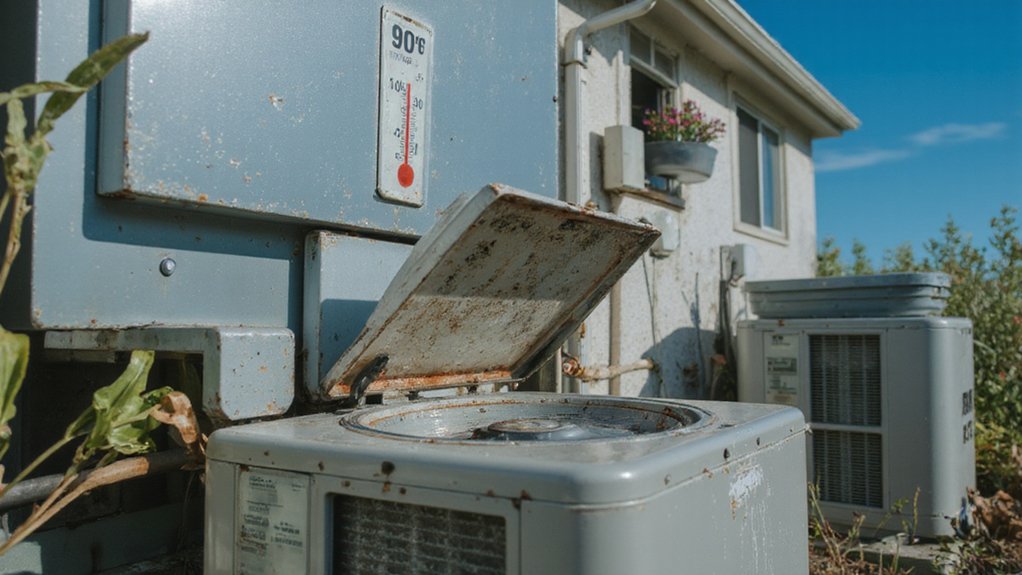
When your AC is running but not cooling, the cause is often something simple that builds up over time. One of the first things to check is the thermostat. If it is set too high or switched to the wrong mode, the system may run without actually lowering the temperature.
High humidity can also play a role. On very humid days, your AC spends more time pulling moisture from the air. This can make cooling feel weaker even though the system is working hard.
Airflow problems are another frequent issue. Blocked vents, closed registers, or clogged filters limit how much cool air reaches your living space. Even one blocked return vent can affect the entire system.
Low refrigerant levels are more serious. Refrigerant absorbs heat from inside your home. When levels drop, the system cannot remove heat properly. This often leads to warm air blowing from the vents.
Each of these problems affects cooling in a different way. Checking them one by one helps narrow down what is holding your system back.
How to Fix Common Causes of AC Cooling Issues
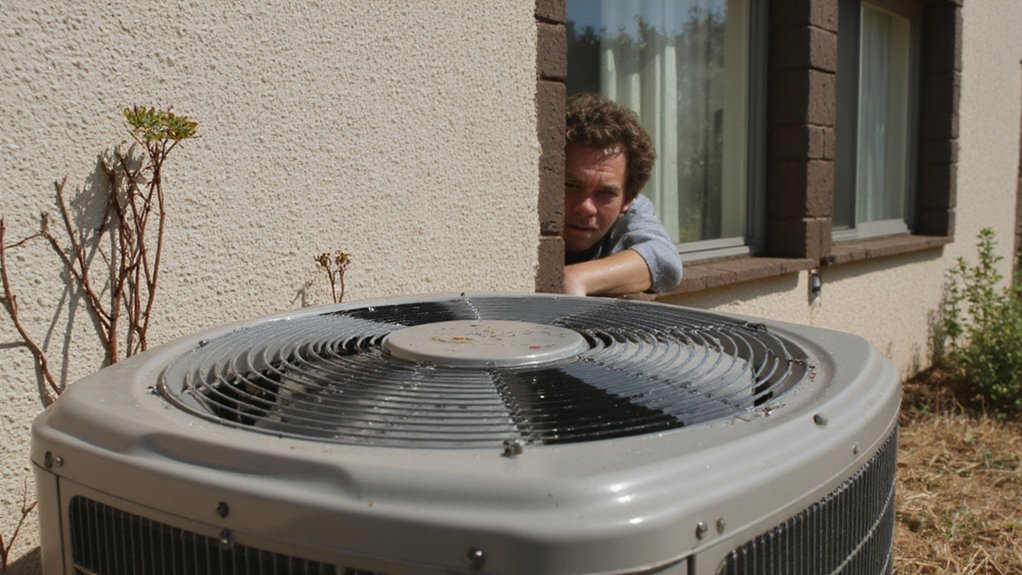
Start with the basics. Check your thermostat settings and confirm the system is set to “cool.” Lower the temperature a few degrees below the current room temperature and listen for the system to respond.
Next, inspect the air filter. If it looks dusty or gray, replace it. A clean filter allows air to move freely and helps the system cool more evenly.
Step outside and look at the outdoor unit. Clear away leaves, grass clippings, or dirt around the base. The unit needs space to release heat. If the fan is not spinning or sounds strained, that points to a mechanical issue.
If cooling still feels weak, refrigerant may be the issue. Refrigerant problems are not a do-it-yourself fix. A licensed technician can check levels, find leaks, and recharge the system safely.
Regular tune-ups also help prevent these problems from returning, especially if your home relies on a heat pump system for cooling. Routine service keeps parts clean, airflow steady, and cooling performance consistent.
The Impact of Dirty Filters on AC Performance

Dirty air filters are one of the most common reasons an AC struggles to cool. Filters catch dust, pollen, and debris. Over time, that buildup restricts airflow through the system.
When airflow drops, cool air cannot circulate properly. Rooms may feel uneven, with some areas cooler than others. The system also has to work harder, which raises energy use.
Replacing filters regularly is one of the easiest ways to protect your system. It supports steady airflow, improves comfort, and helps prevent strain on internal parts.
Reduced Airflow Issues
Reduced airflow often starts with a clogged air filter. When air cannot pass through easily, the blower motor pushes against resistance. This extra effort can shorten the life of the motor.
Airflow issues can also come from blocked vents or duct problems. Furniture, rugs, or curtains placed over vents limit air movement. Inside the ductwork, debris or collapsed sections can restrict flow.
Checking filters monthly and keeping vents open helps air move as designed. These small steps make a noticeable difference in cooling performance.
Increased Energy Consumption
When airflow is restricted, your AC uses more power to do the same job. The system runs longer cycles, trying to reach the set temperature.
This extra runtime shows up on energy bills. Over time, it also increases wear on components like the compressor and fan motor.
Clean filters reduce this strain. With steady airflow, the system cools faster and shuts off sooner. That balance keeps energy use under control and helps the system last longer.
How Refrigerant Levels Affect Your AC’s Cooling
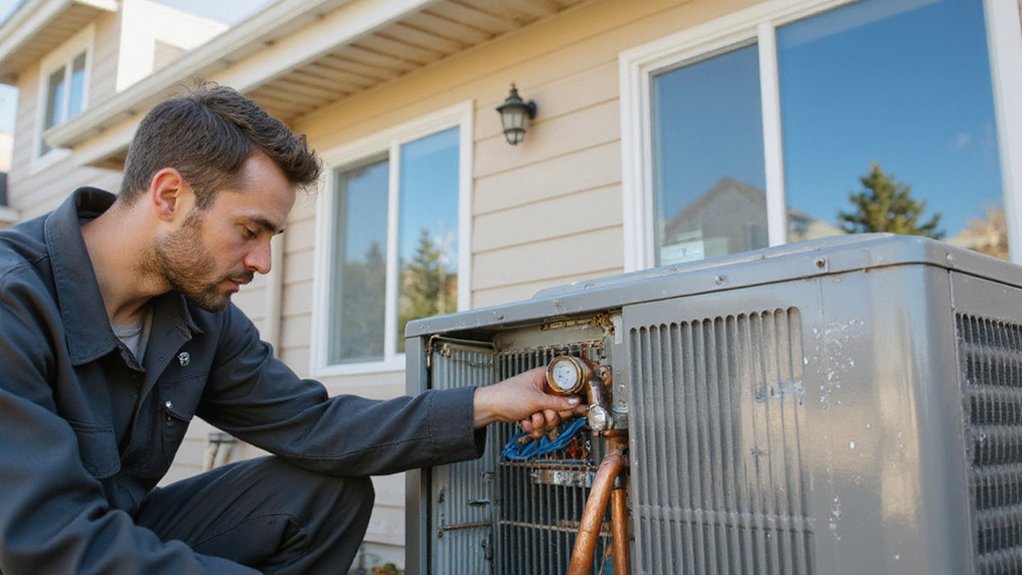
Refrigerant is central to how an AC cools your home. It absorbs heat indoors and releases it outside. When refrigerant levels are off, the cooling process breaks down.
Low refrigerant does not mean the system “used it up.” It usually points to a leak. Even a small leak can reduce cooling and increase energy use.
Ignoring refrigerant problems can lead to frozen coils, warm air, and compressor damage. Catching the issue early protects the system and restores comfort faster.
Low Refrigerant Levels
Each AC system is designed to work with a specific amount of refrigerant. Common types include R-410A and older R-22 systems. When levels drop, pressure inside the system changes.
Low pressure prevents proper heat absorption. As a result, the air coming from your vents may feel lukewarm. The system may also run longer without reaching the desired temperature.
If you notice ice on refrigerant lines or a steady drop in cooling power, low refrigerant could be the cause. A technician can measure levels and correct the issue.
Refrigerant Leaks Impact
Refrigerant leaks affect both comfort and system health. As refrigerant escapes, the AC loses its ability to move heat efficiently.
Leaks also force the system to run longer cycles. This increases energy use and puts extra stress on the compressor. Over time, this can lead to costly repairs.
Professional leak detection is the safest way to handle this issue. Once the leak is repaired and refrigerant restored, cooling performance usually improves quickly.
Identifying Common Electrical Issues in Your AC System
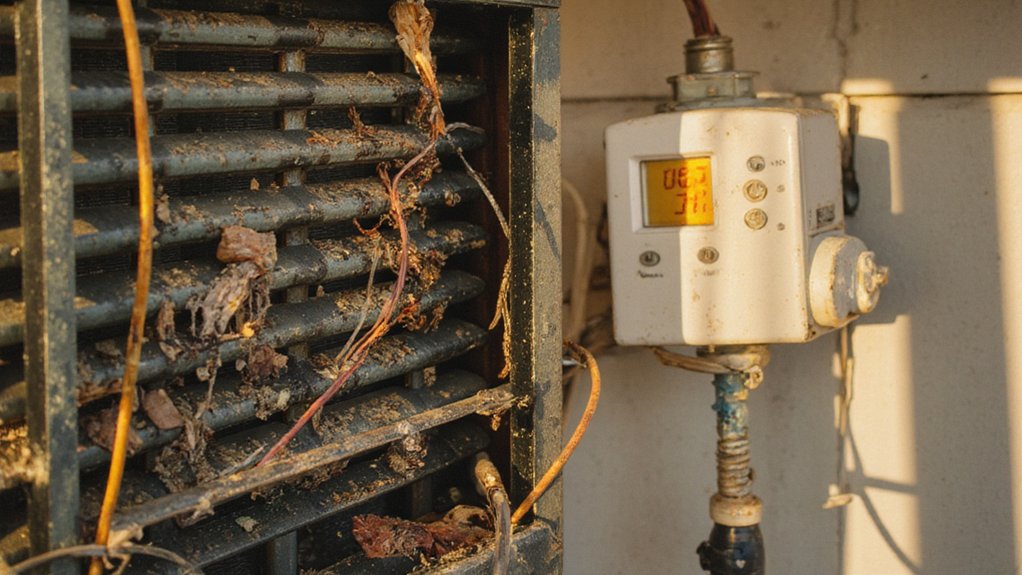
Electrical problems can quietly affect how well your AC cools. Loose connections, worn wires, or failing components interrupt power where it is needed most.
Blown fuses or tripped breakers may cause the system to run partially. The fan might operate while the compressor does not, which results in air movement without cooling.
Regular inspections help spot these issues early. Electrical repairs should always be handled by trained professionals due to safety risks.
Is Your Thermostat Acting Up? Troubleshooting Tips?
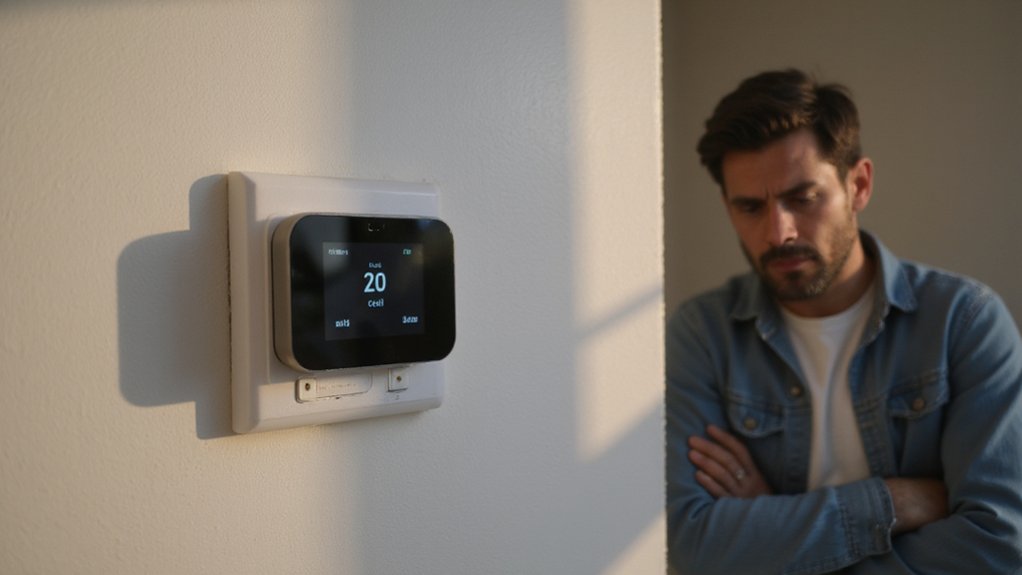
The thermostat acts as the control center for your AC. When it malfunctions, cooling suffers.
Start by checking the temperature setting. Set it lower than the current room temperature and listen for the system to respond.
Calibration problems can also cause inaccurate readings. Compare the thermostat display with a separate thermometer. If the numbers do not match, recalibration or replacement may be needed.
For digital thermostats, fresh batteries matter. Weak batteries can cause erratic behavior. Cleaning dust from the unit also helps maintain accurate sensing.
Outdoor Unit Issues and Their Impact on Cooling
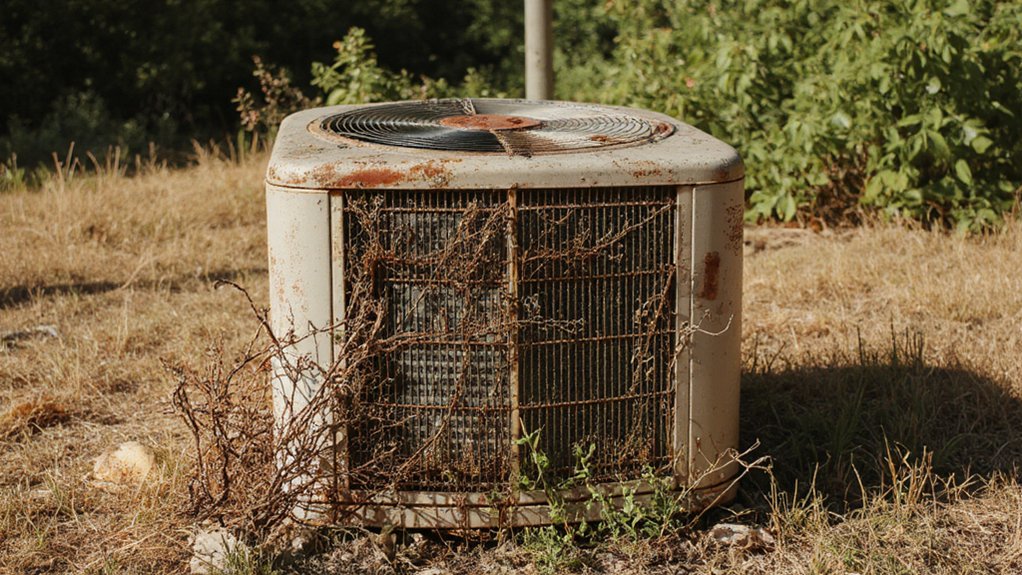
The outdoor unit plays a major role in removing heat from your home. If it cannot release heat, indoor cooling suffers.
Debris around the unit blocks airflow. Leaves, dirt, and overgrown plants trap heat near the coils. Clearing at least two feet of space around the unit helps restore proper airflow.
Placement also matters. Units pressed against walls or fences struggle to release heat. Proper clearance supports steady cooling and protects the system from overheating.
When to Call a Professional for AC Repair?

Some signs point clearly to the need for professional service. Warm air from vents, grinding noises, or odd smells should not be ignored.
Rising energy bills without a change in usage often signal inefficiency. This can come from refrigerant issues, electrical faults, or worn components.
If basic steps like filter changes and thermostat checks do not help, a technician can diagnose deeper problems. Early repairs usually cost less than waiting for a full breakdown.
Essential Maintenance Tips to Keep Your AC Running Smoothly
Routine care keeps your AC working as intended. Change or clean air filters every one to three months, depending on usage and indoor conditions.
Schedule seasonal inspections to check refrigerant levels, electrical connections, and airflow. These visits catch small issues before they grow.
Keep the outdoor unit clean and clear of debris. Inside the home, check ductwork for leaks that allow cool air to escape.
A well-maintained system cools more evenly, uses less energy, and lasts longer.
Frequently Asked Questions
How Often Should I Change My AC Filters?
Most homes benefit from filter changes every one to three months. Homes with pets or allergies may need more frequent changes to maintain airflow and air quality.
Can Weather Affect My AC’s Cooling Performance?
Yes. High humidity and extreme heat make cooling harder. Regular maintenance helps the system cope with these conditions more effectively.
Is It Normal for My AC to Make Noise?
Some noise is normal during operation. Rattling, grinding, or buzzing sounds can point to loose parts or mechanical trouble that need attention.
How Can I Improve My AC's Energy Efficiency?
Set the thermostat to a steady, comfortable temperature. Keep filters clean and seal duct leaks to support consistent airflow and lower energy use.
What Signs Indicate My AC Needs Immediate Repair?
Warm air, frequent cycling, or unusual noises are clear warning signs. Calling for service early helps prevent further damage.
Conclusion
When your AC runs but does not cool, the cause is usually something specific and fixable. Dirty filters, thermostat issues, airflow problems, and refrigerant concerns all affect cooling in different ways.
Regular maintenance goes a long way toward preventing these problems. Paying attention to small changes in performance helps you act before discomfort sets in.
If basic checks do not restore cooling, professional service brings peace of mind. Addressing issues early keeps your home comfortable and your system running smoothly through every season.

other blog posts
The Hidden Costs of Delaying HVAC Maintenance
What Are the Warning Signs of a Failing Heating System?
Why Your Heat Pump Is Making Noise: Causes, Risks & Quick Fixes
Ready to Enhance Your Comfort
Contact us today to schedule your service, learn about energy-saving rebates, and feel comfortable in your home all year round.

