
 CALL US
related posts
Should I Turn Off My HVAC When Not at Home?

When you leave home, it’s tempting to switch off your HVAC system and hope for lower energy bills. On the surface, it feels like the simplest way to cut costs. No heating or cooling running, no energy used, right?
In reality, the decision is not always that straightforward. Completely shutting down your system can lead to uncomfortable temperature swings, excess humidity, and extra strain when everything powers back up. There are smarter ways to manage your HVAC while you’re away that protect comfort and keep energy use in check.
Let’s walk through what actually works.
Key Takeaways
- Turning off your HVAC completely can cause large temperature shifts and rising humidity indoors.
- Adjusting the thermostat instead of shutting the system off often works better.
- Programmable thermostats make it easy to manage settings based on your schedule.
- Regular maintenance helps prevent system strain and extends equipment life.
- Good insulation and sealed air leaks reduce the need for drastic temperature changes.
Should You Turn Off Your HVAC When Away?

It might seem practical to shut everything down while you’re gone. After all, no one is home to feel the temperature difference.
The issue shows up when you return. If your home has been sitting in extreme heat or cold for hours, your HVAC system must work much harder to bring the temperature back to a comfortable level. That heavy workload can increase wear on the system and may use more energy than simply maintaining a moderate setting.
A better option is to adjust the thermostat rather than turning the system off. In summer, raise the temperature several degrees. In winter, lower it slightly. This approach keeps the indoor environment stable without running the system nonstop.
If you have a programmable or smart thermostat, you can automate the schedule. That way, the temperature adjusts shortly before you get home, so the house feels comfortable when you walk in.
How Local Climate Affects Your HVAC Decisions
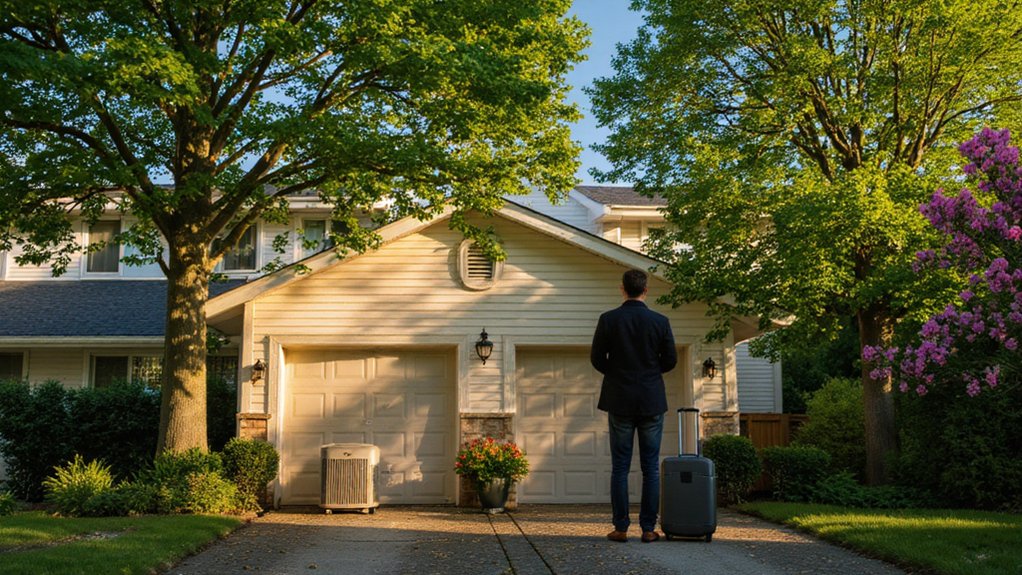
Where you live plays a major role in how you should manage your HVAC when you’re away.
In hot and humid regions, shutting off your air conditioning can allow moisture levels to climb. High humidity can create a damp feeling indoors and may contribute to mold growth over time. Even if the temperature is not extreme, moisture alone can cause problems.
In dry desert climates, temperature swings can be dramatic between day and night. A home that overheats during the day may take much longer to cool down later.
Colder climates bring their own concerns. Turning off heat completely in winter can expose pipes to freezing temperatures, especially during extended absences. That risk alone often makes a full shutdown a bad idea.
The bottom line is simple. Your local weather conditions should guide your decision. What works in one region may not make sense in another.
Evaluating Your Home’s Insulation for Energy Efficiency

Your home’s insulation has a direct impact on how well it holds temperature while you’re away. Poor insulation means indoor air escapes quickly, forcing your HVAC system to run longer when you return.
Home Insulation Materials
Different insulation materials offer different levels of resistance to heat transfer. Fiberglass, spray foam, and cellulose are common options. Each has an R value, which measures how well it slows down heat movement.
Higher R values provide stronger resistance. If your attic or walls have outdated or thin insulation, temperature changes happen faster. That makes thermostat adjustments less effective.
Take time to check attic spaces, crawl spaces, and exterior walls. If insulation looks compressed, damaged, or sparse, it may be worth upgrading. Even small improvements can help stabilize indoor temperatures.
Air Leaks Assessment
Insulation works best when air is not slipping through gaps.
Check around windows, doors, electrical outlets, and baseboards for drafts. You can use a simple smoke test with incense to spot moving air. If smoke shifts or wavers, you likely have a leak.
Sealing gaps with weatherstripping or caulk can make a noticeable difference. Also inspect attic hatches and duct connections. Small openings allow conditioned air to escape and outdoor air to enter.
When insulation and air sealing work together, your HVAC system does not need to make extreme adjustments after you’ve been away.
Benefits of Setting a Thermostat Schedule
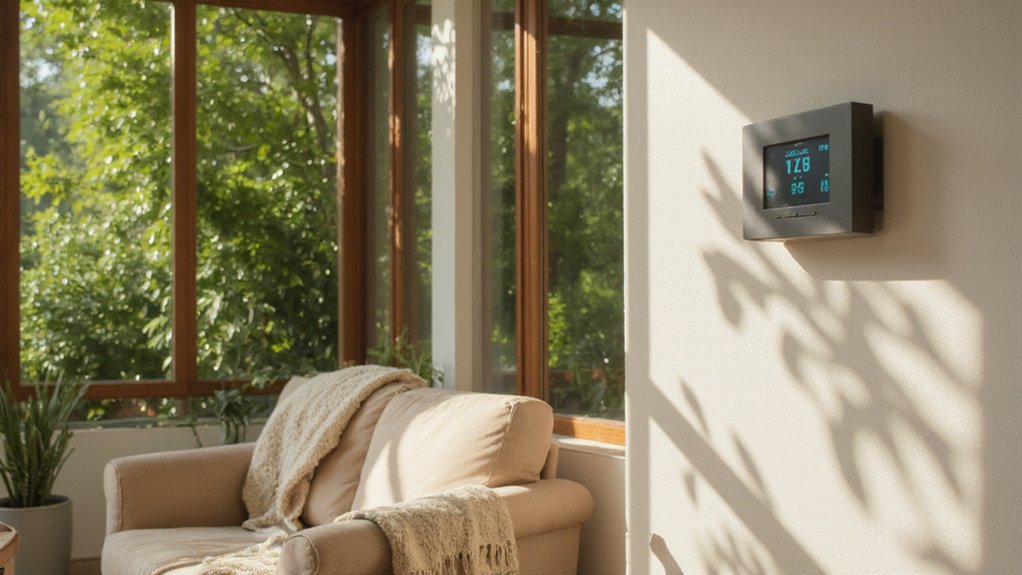
A thermostat schedule gives you control without constant manual adjustments.
By programming temperature changes around your daily routine, your HVAC system runs less when the house is empty. Then it shifts back to comfortable settings before you return.
This steady pattern reduces sudden workload spikes. It also keeps indoor humidity and temperature from drifting too far out of range.
Smart thermostats add another layer of convenience. Many models allow remote access from your phone, so you can make adjustments if your plans change. Some even learn your habits and adapt automatically over time.
Small, consistent adjustments tend to work better than drastic changes. A schedule keeps things predictable for both your home and your equipment.
Risks of Turning Off Your HVAC?

There are a few downsides to consider before flipping the system completely off.
Temperature Fluctuations Impact
Large temperature swings can make your home uncomfortable and harder to stabilize later.
When your HVAC restarts after sitting idle for hours, it must run longer to bring the temperature back to normal. That extended runtime can increase wear on parts like the compressor and blower motor.
Maintaining a moderate setting helps avoid these sharp shifts and keeps indoor conditions more consistent.
Humidity Buildup Risks
Humidity often becomes a bigger issue than temperature alone.
In warm months, air conditioning does more than cool the air. It removes moisture. When the system stays off, humidity can climb, leading to condensation on surfaces and a sticky indoor feeling.
Over time, excess moisture may contribute to mold growth and damage to wood or drywall. Keeping the thermostat set a few degrees higher rather than shutting everything down can help control moisture levels.
System Strain On Restart
Every restart puts pressure on mechanical components.
The compressor works hardest during startup. If this happens repeatedly after long shutdowns, the added strain may shorten the system’s lifespan. Older systems are especially vulnerable.
Instead of turning the unit completely off, maintaining a stable temperature reduces stress on the equipment.
Energy-Saving Strategies Beyond Turning Off Your HVAC

Energy savings do not depend on shutting down your system.
Start with your thermostat settings. Raising summer temperatures by five to eight degrees while away can cut cooling costs without creating extreme indoor conditions. Lowering winter settings by several degrees works the same way.
Sealing windows and doors keeps conditioned air from escaping. Adding attic insulation helps maintain indoor temperatures longer.
Ceiling fans can also help distribute air more evenly, allowing you to rely less on constant HVAC cycling.
Look for appliances with the ENERGY STAR label if you’re upgrading equipment. Lower household energy use reduces overall demand on your heating and cooling system.
Each small adjustment adds up over time.
How to Keep Your HVAC System Running Longer

Regular care goes a long way toward extending the life of your HVAC system.
Change or clean air filters every one to three months, depending on usage and indoor air conditions. Dirty filters restrict airflow and force the system to work harder.
Schedule a yearly professional inspection. A technician can check refrigerant levels, inspect electrical connections, and clean coils. Catching minor issues early often prevents larger repairs later.
Keep outdoor units clear of debris. Leaves, grass clippings, and dirt can block airflow around the condenser.
Good maintenance reduces breakdown risk and helps your system operate steadily for years.
When to Consult an HVAC Professional

Sometimes, adjustments at the thermostat are not enough.
If you notice uneven temperatures from room to room, unusual noises, weak airflow, or rising energy bills, it may be time to call a technician. Systems over ten years old may also benefit from a performance evaluation or even heat pump installation and service if replacement is being considered.
A professional can assess whether your equipment is operating properly or nearing the end of its service life. Addressing issues early often costs less than waiting for a full breakdown.
If you plan to be away for an extended period, it can also help to ask a technician for guidance on the safest temperature settings for your climate.
Frequently Asked Questions
How Can I Determine My HVAC System's Efficiency?
Schedule an energy audit or professional inspection. Older systems often lose performance over time, and testing can reveal airflow issues or worn components that reduce output.
What Temperature Should I Set My Thermostat When Away?
In summer, many homeowners set the thermostat around 78°F. In winter, around 68°F is common. Adjust a few degrees higher or lower when leaving for extended periods.
Can I Save Money by Turning off My HVAC During Vacations?
Short trips may not justify a full shutdown. For longer vacations, adjusting the thermostat rather than turning the system off usually keeps conditions more stable and protects your home.
How Often Should I Change My HVAC Filters?
Most homes benefit from filter changes every one to three months. Homes with pets or allergy concerns may need more frequent replacement.
What Signs Indicate My HVAC System Needs Maintenance?
Watch for strange sounds, uneven temperatures, short cycling, or rising utility bills. These are common signs that something needs attention.
Conclusion
Turning off your HVAC when you leave may seem like an easy way to save money, but it often creates more problems than it solves.
A moderate thermostat adjustment keeps temperatures stable, manages humidity, and reduces strain on your system. Combine that with good insulation, sealed air leaks, and regular maintenance, and you’ll strike a practical balance between comfort and lower energy use.
Small, steady adjustments usually outperform drastic changes. Your home stays protected, and your HVAC system keeps running smoothly for the long haul.

other blog posts
Top Signs You Need HVAC Repair in Courtenay, BC
Can Dirty Filters Damage My HVAC System?
Can an Old HVAC System Affect Indoor Air Quality?
Ready to Enhance Your Comfort
Contact us today to schedule your service, learn about energy-saving rebates, and feel comfortable in your home all year round.

