
 CALL US
related posts
Why Is My Heating System Making Strange Noises?
If your heating system is making strange noises, it is more than a small irritation. Sounds like clanking, buzzing, rattling, or banging often point to mechanical or airflow problems that need attention. These noises can signal loose parts, pressure issues, or wear that develops over time.
Leaving the sounds alone can turn a manageable fix into a much bigger repair. In some cases, it can also raise safety concerns. Understanding what different noises usually mean helps you respond early and protect your system.
Below, we will break down the most common heating system sounds, what causes them, and when it is time to take action.
Key Takeaways
- Unusual heating noises often point to loose parts, electrical trouble, or pressure changes inside the system.
- Humming or buzzing sounds often relate to electrical components or motors.
- Rattling and clanking can come from ductwork, pipes, or unsecured panels.
- Loud banging, screeching, or hissing can signal serious problems that need quick attention.
- Routine maintenance plays a big role in keeping heating systems quiet and stable.
Common Heating System Noises and What They Usually Mean
Strange sounds coming from a heating system often follow patterns. Each noise tends to point toward a specific type of issue.
A soft humming sound often comes from electrical parts vibrating while the system runs. Over time, these vibrations can stress components and reduce performance.
A rattling noise usually means something is loose. That could be a panel, a screw, or a section of ductwork shaking as air moves through the system.
Popping or ticking sounds are often tied to metal heating up and cooling down. Pipes and ducts expand with heat and contract as they cool, which creates brief noises during startup or shutdown.
Reducing noise often starts with securing loose parts and checking insulation around pipes. Regular service helps catch small issues before they turn into louder problems.
What Causes Clanking Noises in Your Heating System?
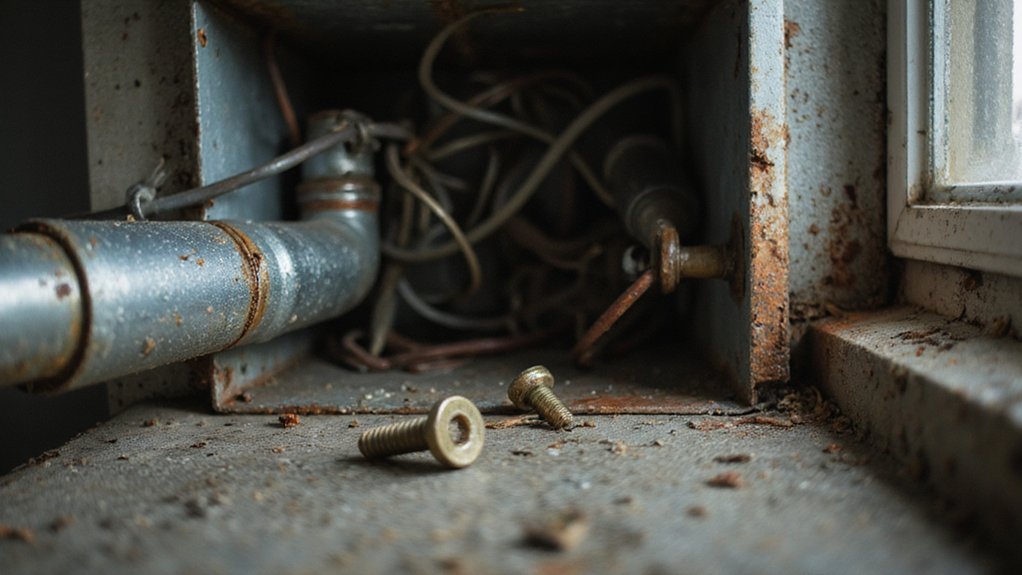
Clanking sounds tend to be louder and more disruptive than light rattling. They usually mean something inside the system is moving when it should not.
Several common issues can lead to clanking, and each one deserves a closer look.
Loose Ductwork Connections
Clanking often starts with loose duct connections. As warm air moves through the ducts, metal sections can shift or knock against each other if they are not secured properly.
Temperature changes can cause ducts to expand and contract over time. Vibrations from the blower can also loosen fasteners.
A careful duct inspection can reveal gaps, misaligned joints, or missing screws. Tightening these connections helps stabilize airflow and quiet the system. Secured ductwork also improves heat delivery throughout the home.
Expanding Metal Components
Heating systems rely on metal parts that react to temperature changes. As the system warms up, metal pipes and ducts expand. When the system cools, they contract again.
This back-and-forth movement can cause clanking or banging, especially if parts are tightly fitted or rubbing against framing. The noise often happens at startup or shutdown.
Routine inspections help identify areas where metal movement causes repeated contact. Adjustments or added spacing can reduce noise and limit wear over time.
Debris in the System
Clanking can also come from debris trapped inside the system. Dust, small objects, or buildup in ducts can disrupt airflow and cause parts to strike each other.
Restricted airflow forces components to work harder, which increases noise and strain. Cleaning filters, vents, and ducts helps prevent this issue.
If clanking continues after basic cleaning, a professional inspection can confirm whether debris is lodged deeper in the system.
What Do Buzzing Noises in Your Heating System Mean?
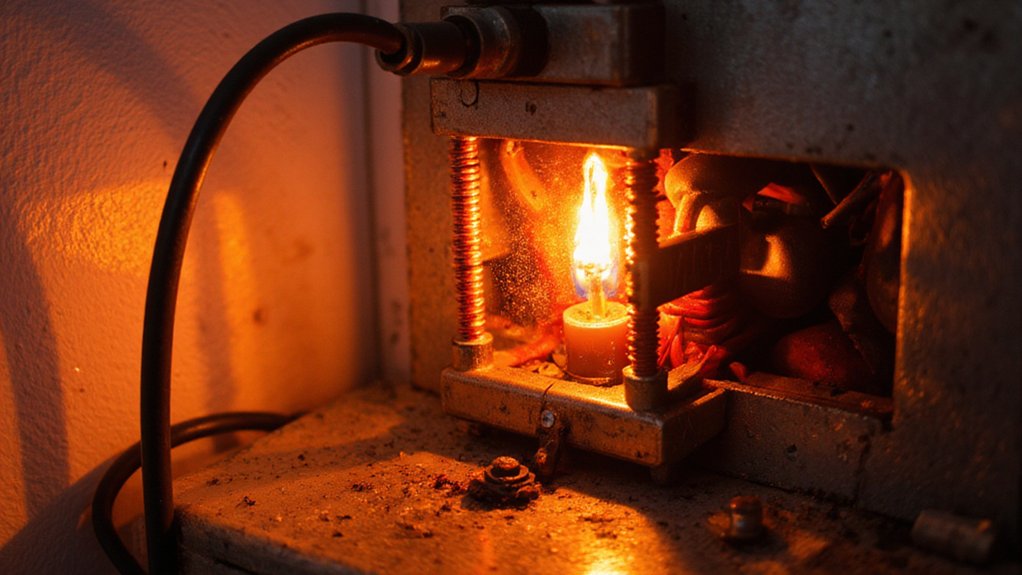
Buzzing sounds often point to electrical or mechanical issues. These noises tend to be steady rather than random.
Identifying the source matters, since buzzing can signal early trouble that grows worse if ignored.
Common Causes of Buzzing
One common cause of buzzing is a loose electrical connection. When wires or terminals vibrate, they can produce a low buzzing sound.
A struggling transformer can also buzz while trying to supply power. This often means the part is wearing down.
Motors and fans with worn bearings may buzz as well. The noise comes from uneven movement or friction inside the motor housing.
Fixes may include tightening connections, replacing worn parts, or lubricating moving components. Routine service helps catch these problems early.
When to Seek Help
Buzzing that continues or grows louder should not be ignored. Electrical issues can lead to system damage or safety risks if left unaddressed.
Scheduling a system inspection allows a technician to track down the source and recommend repairs. If buzzing comes with burning smells, flickering lights, or system shutdowns, contact a professional right away.
Rattling Sounds: Common Causes and Practical Fixes

Rattling is one of the most common heating system complaints. The good news is that it often comes from simple causes.
Loose pipes can rattle when water flows at higher pressure. Securing them with clamps or straps usually solves the issue.
Rattling can also come from furnace panels or internal components that have worked loose. Checking and tightening screws often quiets the noise.
Debris inside the furnace cabinet can vibrate during operation. Keeping the area clean reduces this risk. Ongoing maintenance keeps these small issues from becoming persistent problems.
When Heating System Noises Signal a Bigger Problem
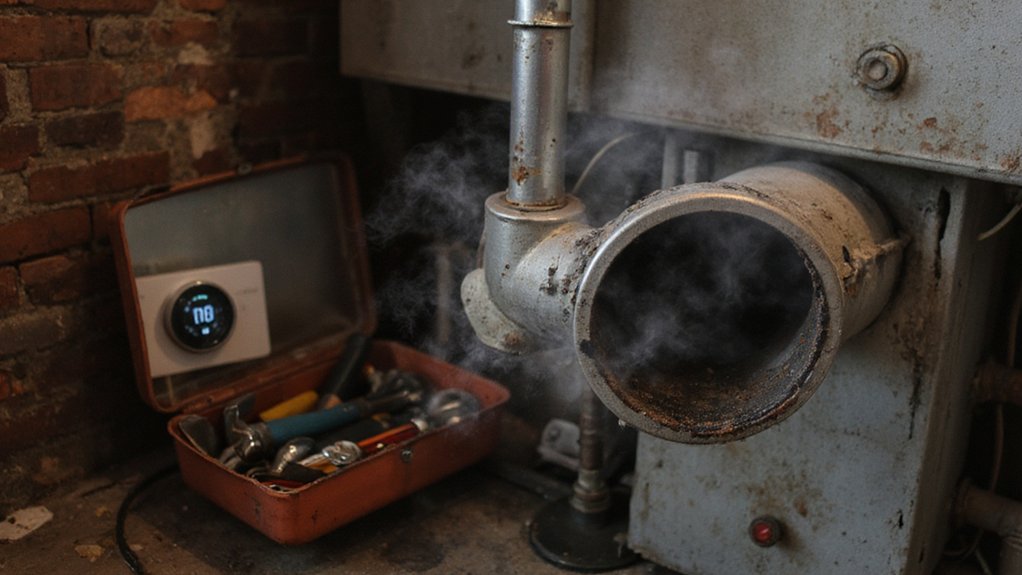
Not every sound means trouble, but some noises deserve closer attention.
Loud banging, grinding, or squealing often point to worn parts or failing motors that may require heating system repairs. These sounds usually grow worse over time.
Soft popping or light hissing during temperature changes can be normal. Still, constant hissing or sharp banging is a reason to call for help.
Noise reduction steps like insulation and tune-ups can help. If sounds persist or change suddenly, professional evaluation helps prevent serious damage and shortened system life.
How to Troubleshoot Strange Heating Noises at Home
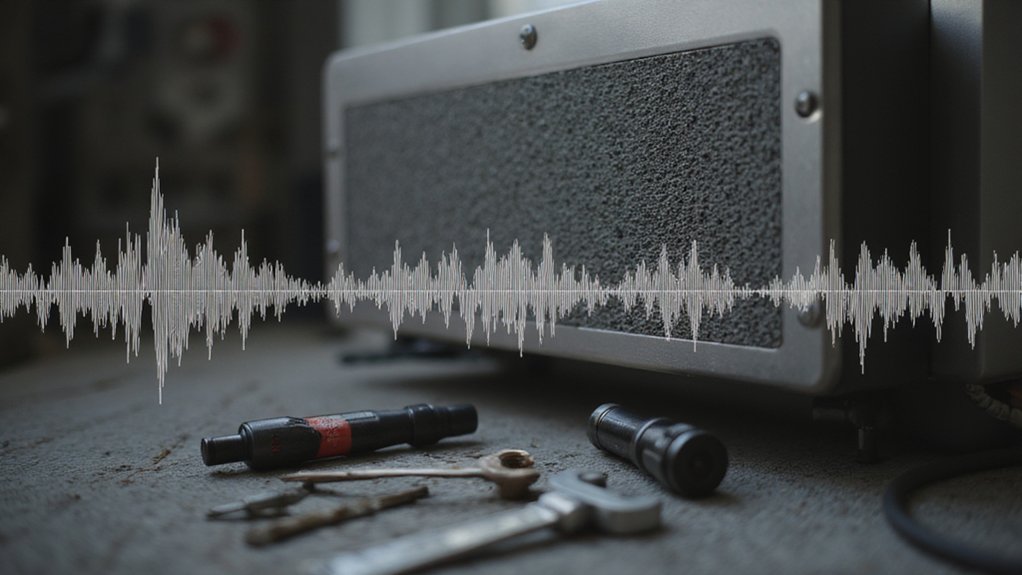
Tracking down the source of a noise can help you decide what to do next.
Start by listening carefully and noting when the sound occurs. Startup noises often differ from sounds during steady operation.
Check vents and registers for obstructions. Blocked airflow can cause whistling or rattling.
Inspect filters and replace them if they are dirty. Restricted airflow stresses the system and raises noise levels.
Simple steps like adding insulation around pipes or adjusting fan settings may help. Keep notes on the sound and its frequency if you plan to call a technician.
Preventing Strange Noises Through Ongoing Care
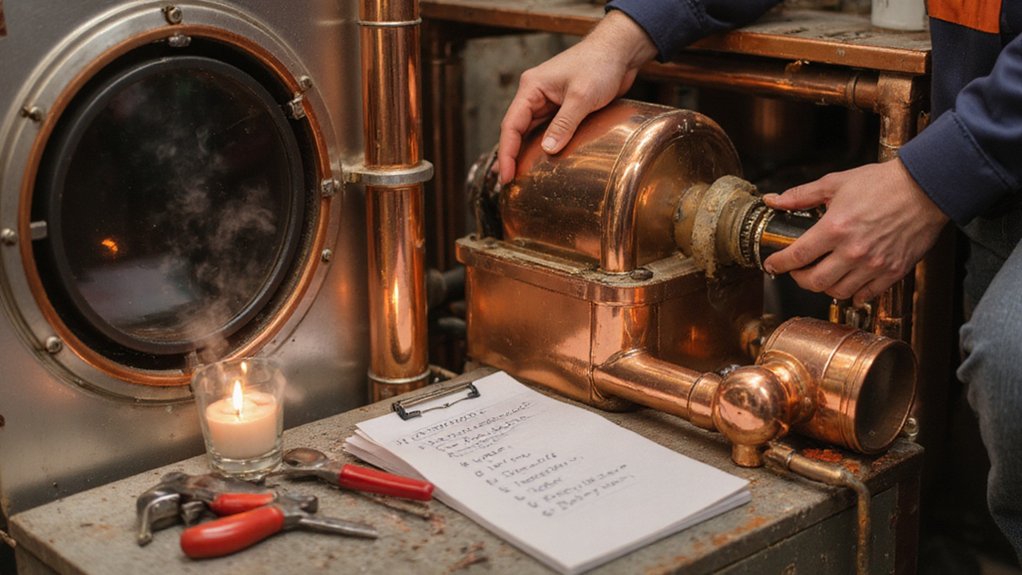
Regular care plays a major role in keeping heating systems quiet.
Scheduled inspections allow small problems to be corrected early. Technicians check for loose parts, worn components, and airflow concerns during these visits.
Filter changes every one to three months help maintain steady airflow. Clogged filters force the system to work harder, which often leads to rattling or banging.
Staying consistent with maintenance helps reduce noise and supports long-term performance.
Knowing When to Call a Professional
Some noises fall outside the range of simple fixes.
Persistent banging, screeching, or rattling usually points to mechanical issues that need professional tools. A loud hissing sound may suggest a gas-related concern, which requires immediate attention.
If basic checks do not stop the noise, it is time to bring in a technician. Waiting can lead to higher repair costs and added risk.
Professional diagnostics help pinpoint the cause and restore safe operation.
Frequently Asked Questions
Can strange noises mean something serious is wrong?
Yes. Unusual sounds often serve as early warning signs. Ignoring them can allow small problems to grow into major repairs.
How can I tell normal sounds from abnormal ones?
Normal sounds tend to be brief and soft, like light humming or clicking. Abnormal sounds are louder, repeat often, or grow worse over time.
Do different heating systems make different noises?
Yes. Furnaces may rattle from loose panels, while boilers often clank due to pipe expansion or debris. Knowing your system type helps narrow the cause.
Do temperature changes affect heating noises?
Yes. Seasonal temperature shifts cause metal parts to expand and contract. This movement can create popping or creaking sounds during cycles.
What if my system is silent but not working?
Start by checking the thermostat, power supply, and circuit breakers. If the system still does not respond, a professional inspection is the next step.
Final Thoughts on Heating System Noises
Paying attention to strange heating system noises helps protect comfort and safety. Clanking, buzzing, and rattling all point to specific issues that deserve care. Routine maintenance reduces the chance of these sounds appearing in the first place. When noises persist or feel out of the ordinary, early action helps avoid costly repairs and keeps your system running smoothly.

other blog posts
What Causes Indoor Air Quality Problems?
Can a Heat Pump Replace My Furnace?
Is a Heat Pump Right for My Home?
Ready to Enhance Your Comfort
Contact us today to schedule your service, learn about energy-saving rebates, and feel comfortable in your home all year round.

