
 CALL US
related posts
What Are the Warning Signs of a Failing Heating System?

Your heating system tends to fade into the background until something feels off. A room stays chilly longer than usual. A strange sound echoes through the vents. The air smells different when the system kicks on. These moments often signal that your heating system needs attention.
Catching problems early helps avoid sudden breakdowns, high repair bills, and uncomfortable winter days. Below is a clear, practical breakdown of the most common warning signs homeowners notice when a heating system starts to fail, along with what those signs usually mean.
Key Takeaways
- New or unusual noises often point to loose parts, airflow issues, or mechanical wear.
- Odd smells can signal electrical problems, moisture buildup, or dust burning off.
- Uneven temperatures usually mean airflow or control issues.
- Rising energy bills may reflect declining system performance.
- Repeated repairs often suggest the system is nearing the end of its usable life.
- Thermostat issues can mimic larger heating problems.
- Older systems lose performance even when they still run.
Unusual Noises: What to Listen For in Your Heating System
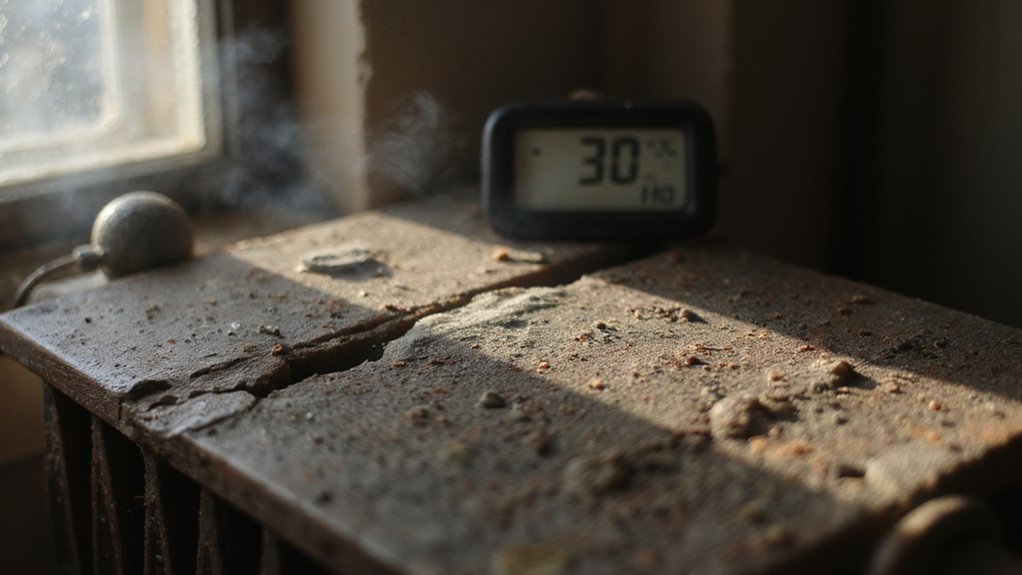
Heating systems are not silent, but they should sound familiar. When new noises appear, they usually point to a mechanical or airflow problem.
Banging or popping sounds can come from loose components or metal parts expanding and contracting. These noises sometimes start small and become louder as wear increases.
Hissing often suggests air escaping from ductwork or issues inside boilers that use steam or pressure. Whistling tends to signal restricted airflow, often caused by dirty filters or blocked vents. Clunking noises may indicate a motor or blower assembly that is struggling to operate smoothly.
Basic checks can help, such as making sure vents are open and filters are clean. If the sound continues or worsens, a professional inspection is the safest next step. Ignoring unusual noises allows minor problems to grow into major repairs.
Strange Odors: What Your Heating System Is Telling You
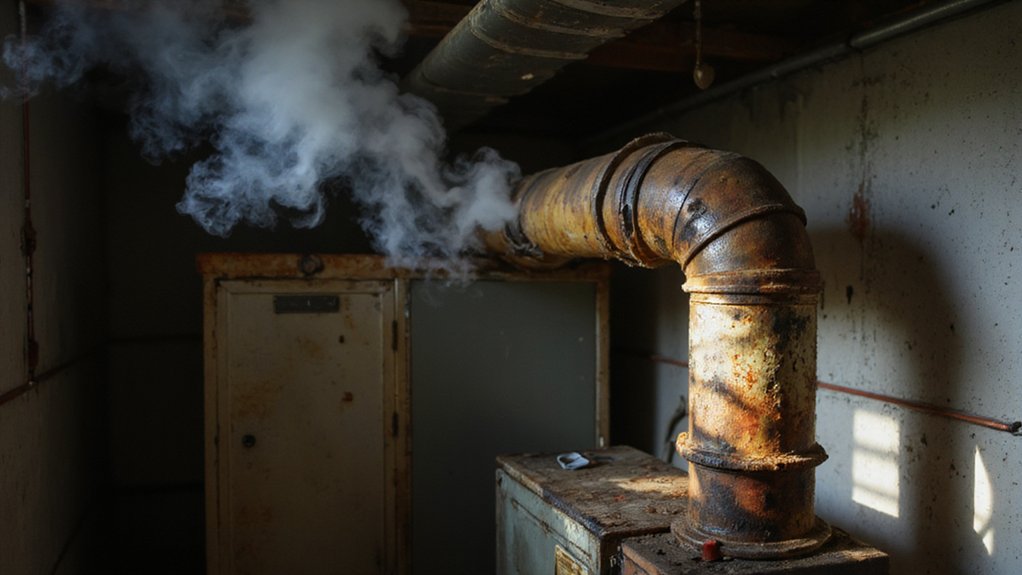
Smells are one of the fastest ways your heating system signals trouble. Some odors are harmless and short lived. Others need immediate attention.
Unusual Burning Smell
A burning smell that lingers beyond the first few minutes of system startup deserves attention. This odor can point to overheating components, worn wiring insulation, or electrical connections under stress.
If you smell burning plastic or strong electrical odors, turn the system off and contact a technician. These smells increase fire risk and should never be ignored.
Routine servicing reduces the chance of these problems, but once a burning odor appears, quick action matters for safety.
Musty or Moldy Odor
A musty smell often points to moisture buildup inside ductwork, vents, or internal components. Poor ventilation, small leaks, or condensation can create damp conditions where mold grows.
Mold affects air quality and can irritate allergies or breathing conditions. If the odor returns each time the system runs, schedule an inspection. Addressing moisture sources early keeps the system cleaner and protects indoor air.
Inconsistent Heating: Identifying Hot and Cold Spots
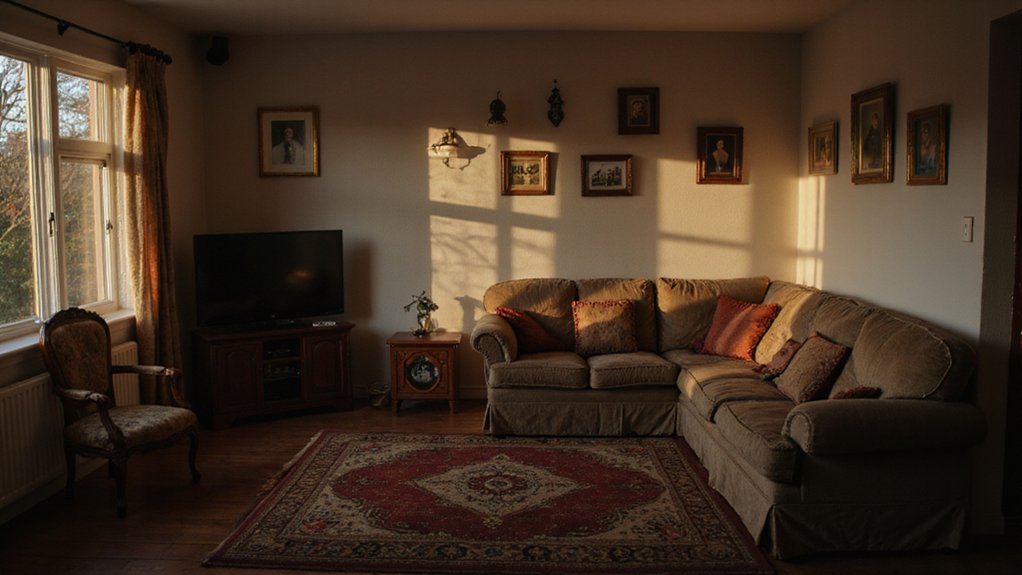
A heating system that works properly distributes warm air evenly. When some rooms stay cold while others feel overly warm, something is not working as it should.
Uneven heating often comes from blocked vents, leaky ductwork, or thermostat issues. Furniture, rugs, or curtains can reduce airflow without being obvious. Older duct systems may also develop gaps that let heat escape before reaching certain rooms.
Start by checking visible vents and making sure air can flow freely. Verify thermostat settings and placement. If the problem continues, a professional evaluation helps pinpoint airflow or control issues before comfort problems worsen.
Are Your Energy Bills Rising? Signs of an Inefficient Heating System?
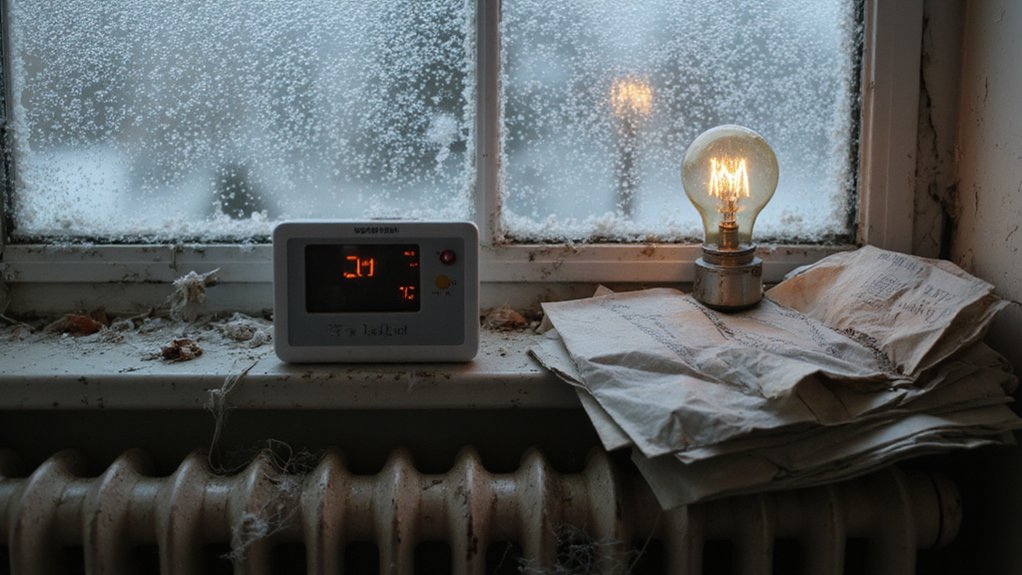
Heating costs usually rise during colder months, but sharp increases without changes in usage often point to system problems.
Sudden Bill Increases
When a heating system loses performance, it runs longer to maintain temperature. That extra run time increases energy use and monthly bills.
Worn components, clogged filters, and aging systems all contribute to higher costs. Power interruptions or short cycling can also cause the system to restart frequently, using more energy than normal.
If bills rise quickly without a clear reason, an inspection can reveal whether the system is working harder than it should.
Inconsistent Temperature Regulation
Temperature swings throughout the day can also raise energy use. When the system struggles to hold a steady temperature, it cycles on and off more often.
Common causes include faulty thermostats, airflow restrictions, or insulation problems. Over time, this strain increases wear and shortens system life.
Addressing temperature control problems helps lower bills and reduces stress on system components.
How Many Repairs Are Too Many? Signs You’re Over-Repairing?
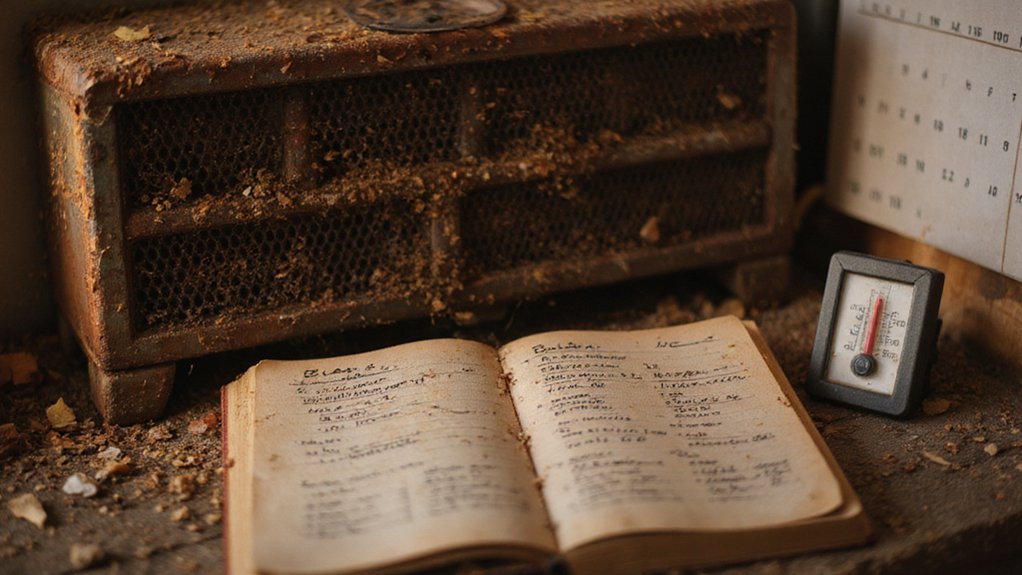
Every heating system needs repairs from time to time. The problem begins when repairs become frequent and costly.
If you call for service several times each season, it may signal that internal parts are wearing out. Tracking repair history helps spot patterns. Repeating the same fix often points to a larger issue beneath the surface.
Many homeowners follow the 50 percent guideline. When repair costs approach half the value of the system, replacement often makes more sense. A new system brings steadier performance and fewer unexpected expenses.
Addressing issues early through inspections and heating system repairs helps avoid larger problems later.
Is Your Thermostat Working Properly? Things to Check?
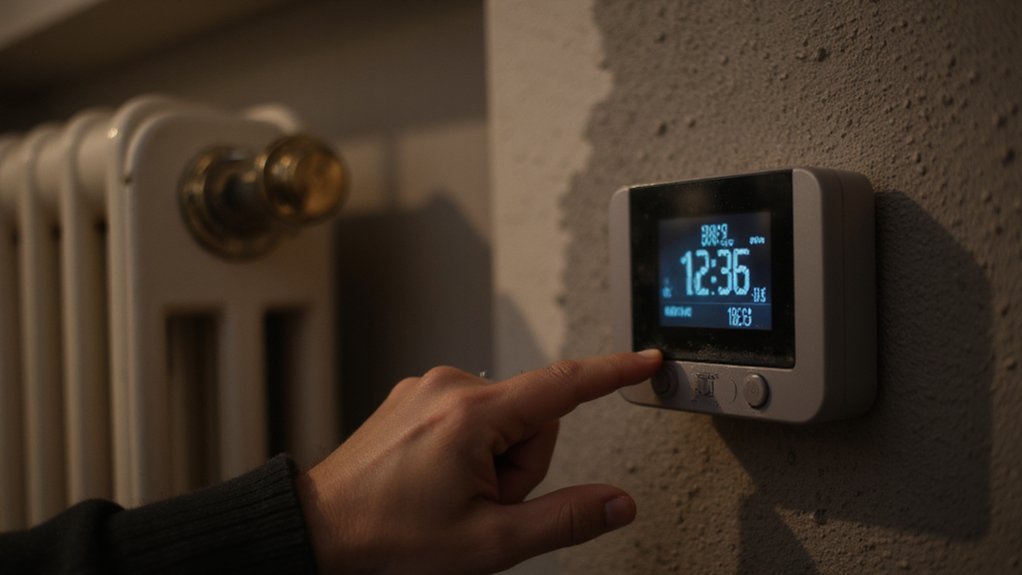
Thermostat issues can mimic serious heating problems, even when the system itself works fine.
Start by checking placement. Thermostats should stay away from direct sunlight, drafts, and nearby heat sources. These factors skew readings and confuse temperature control.
Compare the displayed temperature with a separate thermometer. If the difference is noticeable, calibration may be off. Battery powered thermostats also need fresh batteries to function correctly.
Regular thermostat checks prevent unnecessary system strain and help maintain steady comfort throughout the home.
Age of Your Heating System: When to Consider a Replacement
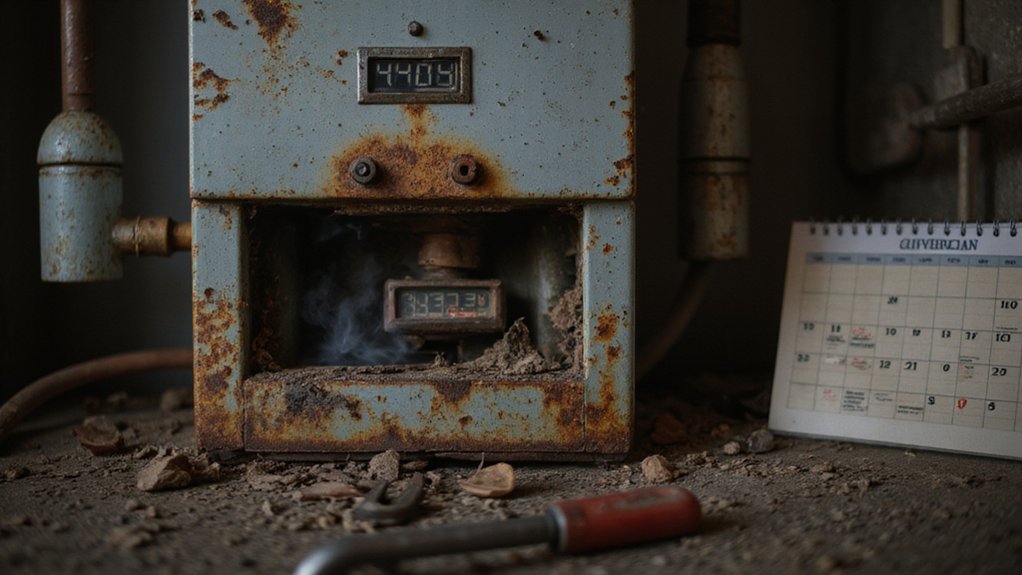
Most heating systems last between 15 and 20 years, depending on maintenance and usage. As systems age, parts wear down and performance declines, even if the system still turns on.
Older systems often show a mix of warning signs, higher bills, uneven heating, and repeated repairs. Planning ahead allows time to compare replacement options instead of rushing during a breakdown.
Newer systems offer better performance and quieter operation. Replacing an aging unit before it fails completely reduces stress and helps maintain consistent comfort during colder months.
For some homes, upgrading to a newer option like heat pump installation can improve comfort and lower long term heating costs.
Frequently Asked Questions
How Often Should I Schedule Maintenance for My Heating System?
Annual maintenance works well for most systems. Scheduling service before winter helps catch small problems early and supports steady performance throughout the season.
What Should I Do if My Heating System Stops Working Completely?
Start by checking the thermostat, circuit breakers, and power supply. If those appear normal, contact a professional. Avoid repeated restarts, which can cause further damage.
Can a Dirty Filter Affect My Heating System’s Performance?
Yes. Dirty filters restrict airflow, forcing the system to work harder. Regular filter changes support better airflow and help prevent unnecessary strain on components.
How Do I Choose a Heating Repair Service?
Look for licensed technicians with strong customer feedback and clear pricing. Ask about warranties on parts and labor to avoid surprises after the repair.
What Is the Lifespan of a Typical Heating System?
Most systems last 15 to 30 years. Longevity depends on maintenance habits, system type, and how heavily the system runs each season.
Final Thoughts on Heating System Warning Signs
Paying attention to changes in your heating system saves time, money, and frustration. Unusual sounds, odd smells, uneven temperatures, rising energy costs, and frequent repairs all serve as early warnings.
Checking the thermostat and considering the system’s age adds further clarity. Routine maintenance and prompt repairs keep small problems from growing into major disruptions.
Staying alert helps your heating system deliver steady comfort when you need it most.

other blog posts
Why Does My HVAC System Keep Increasing My Energy Bills?
What Size Air Conditioner Do I Need for My Home?
Why Does My HVAC Smell Bad? Common Causes & Fixes
Ready to Enhance Your Comfort
Contact us today to schedule your service, learn about energy-saving rebates, and feel comfortable in your home all year round.

