
 CALL US
related posts
Do Heat Pumps Work in Freezing Temperatures?
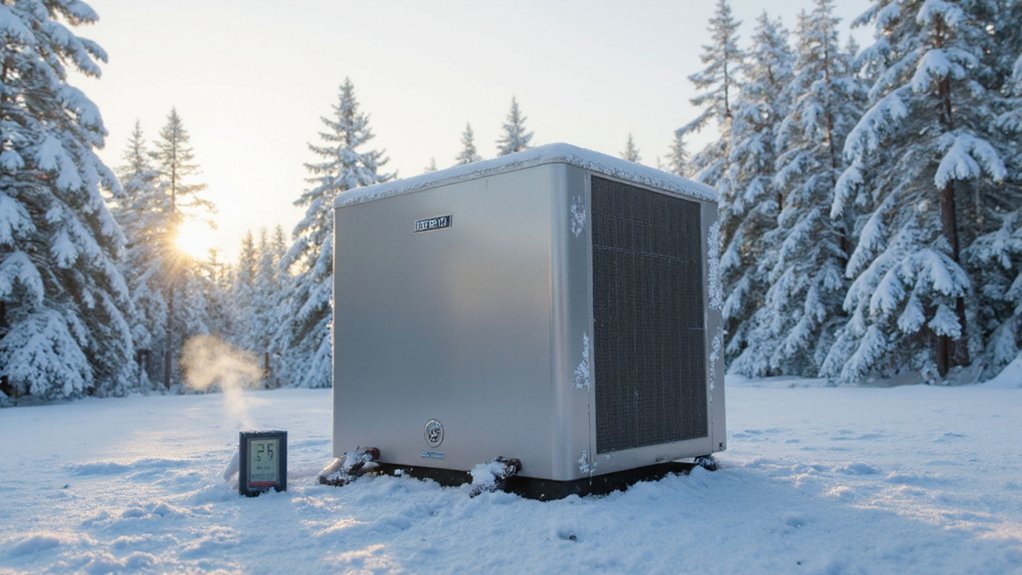
When considering heat pumps in freezing temperatures, it's natural to wonder whether they can still keep your home warm. The short answer is yes, but their performance changes as the weather gets colder.
Heat pumps work by pulling heat from the outdoor air and moving it indoors. Even when temperatures fall below freezing, there is still some heat available for the system to collect. That said, colder conditions make this process more difficult. As outdoor temperatures drop, the heat pump has to work harder, which can reduce its heating output and increase energy use.
Modern heat pumps have come a long way. Many newer systems are built specifically for cold climates and can continue operating well in freezing weather. Knowing how they work, where their limits are, and how to maintain them during winter can help you get the best performance from your system.
Key Takeaways
- Heat pumps can operate in freezing temperatures, but their efficiency drops as outdoor temperatures fall.
- Frost can build up on the outdoor coils, which may reduce airflow and trigger defrost cycles.
- Some heat pumps need supplemental heating during periods of extreme cold.
- Cold-climate models from brands like Mitsubishi, Daikin, and Fujitsu are designed to perform better in low temperatures.
- Routine maintenance helps keep a heat pump running smoothly throughout winter.
What Are the Limitations of Heat Pumps in Freezing Temperatures?
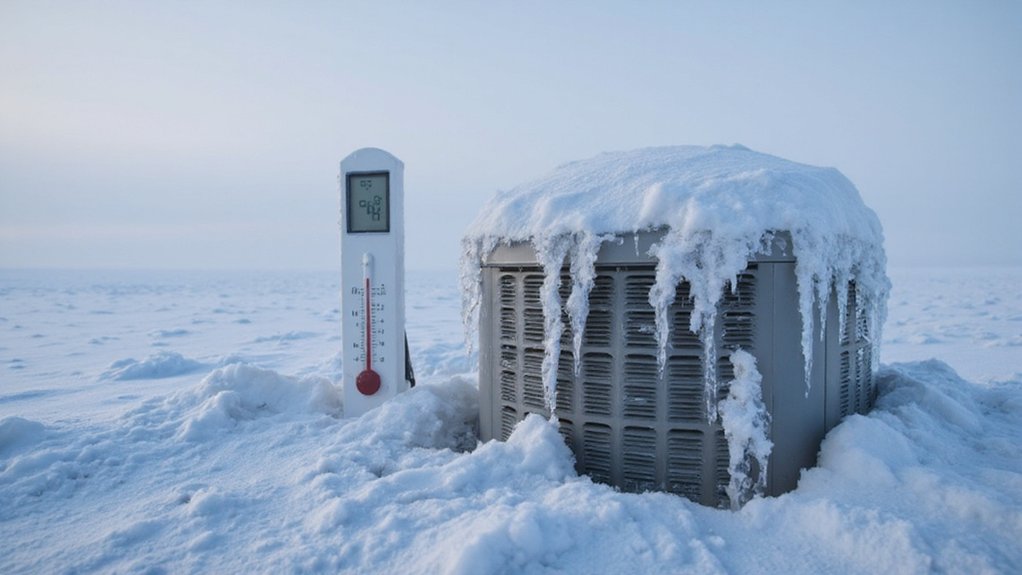
Heat pumps perform very well in mild and moderate weather, but freezing temperatures create extra challenges.
One of the biggest issues is frost buildup on the outdoor coils. As moisture in the air freezes, ice begins to collect on the coil surface. This blocks airflow and makes it harder for the system to absorb heat from outside.
To deal with this, the heat pump periodically enters a defrost cycle. During this process, it temporarily switches operation to melt the ice from the outdoor unit. While this keeps the system working properly, it also uses extra energy and briefly pauses normal heating.
As temperatures continue to fall, the heat pump must work harder to collect enough heat from the outside air. This increases energy consumption and places more demand on the compressor and other system components.
In very cold regions, some heat pumps may struggle to maintain comfortable indoor temperatures without assistance from a backup heating source.
How Efficient Are Heat Pumps in Cold Weather?
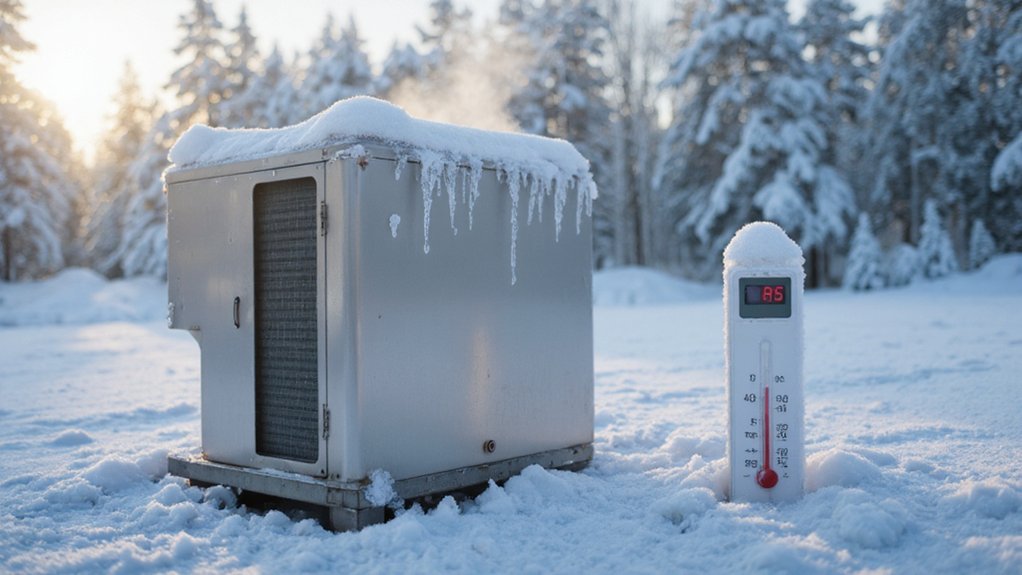
Heat pump efficiency changes as outdoor temperatures become colder.
Unlike a furnace that creates heat by burning fuel or using electric resistance, a heat pump transfers existing heat from outside to inside. The colder the outdoor air becomes, the less heat is available to collect.
This affects the system's Coefficient of Performance (COP), which measures how much heat is produced for each unit of electricity consumed. As temperatures fall below freezing, the COP gradually decreases. In very cold conditions, some systems may require more electricity to maintain indoor comfort.
Many homeowners notice longer run times during winter. This doesn't always mean something is wrong. It often means the heat pump is working continuously to maintain the thermostat setting.
Newer cold-climate heat pumps have improved compressors, refrigerants, and control systems that allow them to maintain better efficiency than older models. If you live in an area with long, harsh winters, choosing a model designed for low-temperature operation can make a noticeable difference.
Top Heat Pumps for Cold Climates
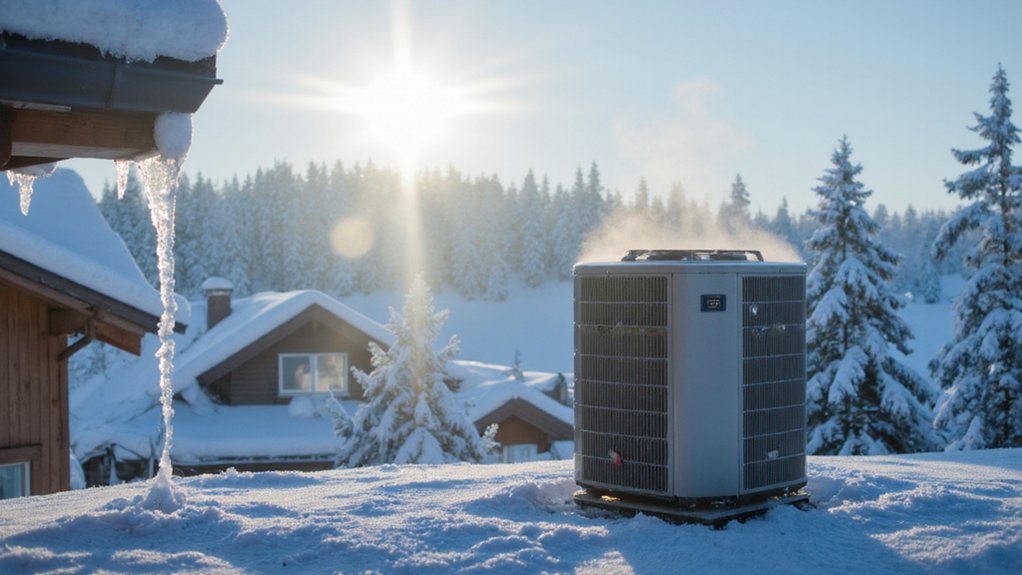
If you live in an area with freezing winters, choosing the right heat pump matters.
Look for systems with a high Heating Seasonal Performance Factor (HSPF), as these models are designed to deliver better heating performance throughout the heating season.
Several manufacturers offer systems built specifically for colder climates, including Mitsubishi, Daikin, and Fujitsu. Many of these units include variable-speed compressors that automatically adjust their output based on heating demand. This helps maintain indoor comfort while reducing unnecessary energy use.
Many cold-climate models also include improved defrost controls and low-ambient heating capability. These features allow the system to continue producing heat even when outdoor temperatures drop well below freezing.
Although these systems often cost more upfront, professional heat pump installation plays an important role in long-term performance and lower operating costs.
How Do Heat Pumps Work in Cold Weather?
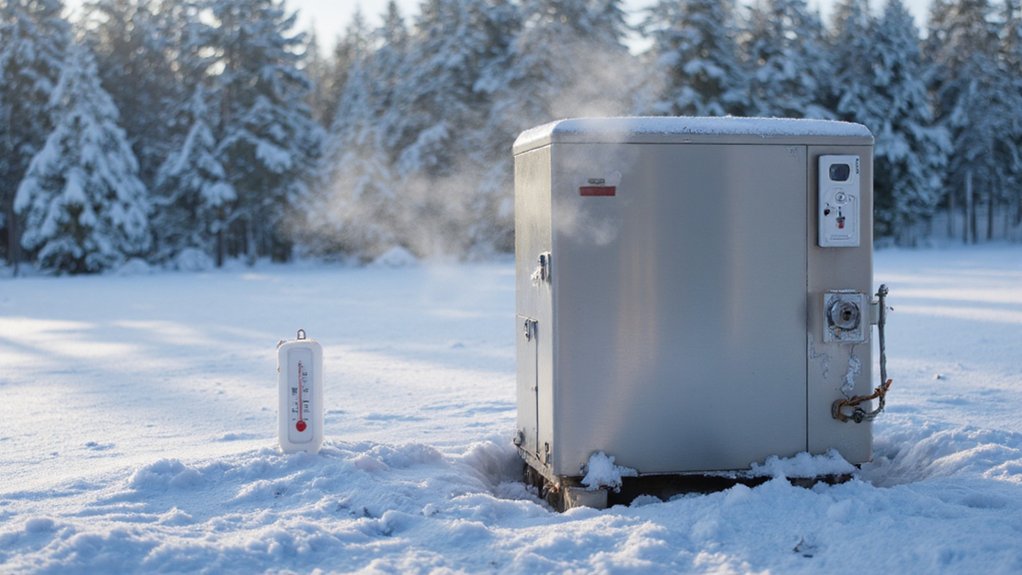
Heat pumps operate through a refrigeration cycle that transfers heat rather than creating it.
The system uses refrigerant to absorb heat from the outdoor air. Even on cold days, the air still contains thermal energy that the refrigerant can capture.
Once the refrigerant absorbs this heat, it moves through the compressor. Compression raises the refrigerant's temperature before it travels indoors, where it releases the heat into your home.
Cold weather often causes frost to form on the outdoor coil. To remove this frost, the heat pump automatically enters a defrost cycle. During this process, the refrigerant flow temporarily reverses, warming the outdoor coil and melting the accumulated ice.
Once the frost has cleared, the system switches back to normal heating mode and continues warming your home.
This automatic process allows heat pumps to continue operating efficiently throughout much of the winter season.
Maximizing Winter Heat Pump Performance
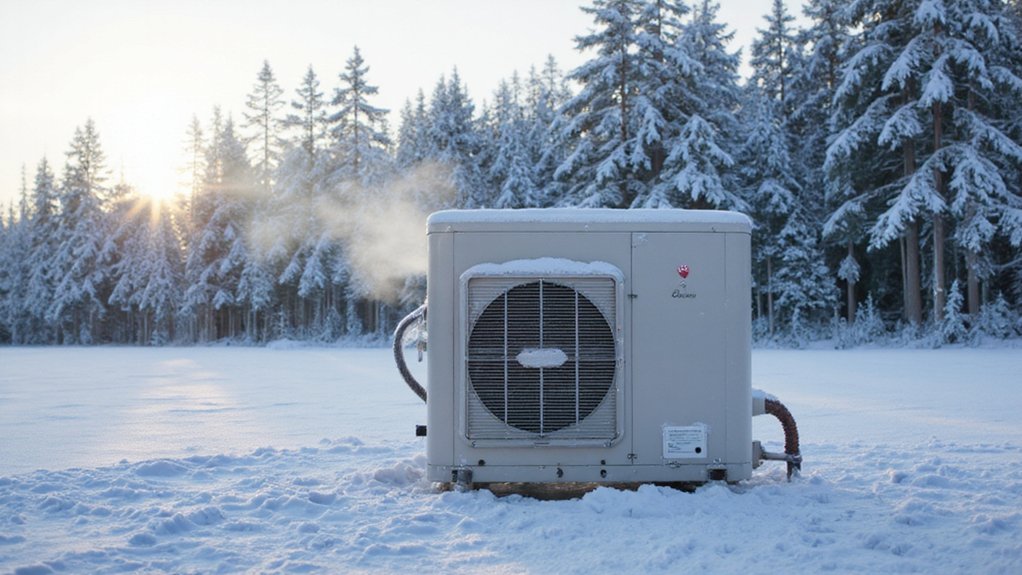
A few simple steps can help your heat pump perform better during cold weather.
Keep all supply and return vents open and free from furniture or other obstructions. Good airflow allows warm air to circulate evenly throughout your home.
A programmable thermostat can also help maintain consistent temperatures without unnecessary adjustments throughout the day.
Check your air filter regularly and replace it whenever it becomes dirty. A clean filter improves airflow and helps the system run more effectively.
Inspect your ductwork for leaks and make sure it is properly insulated. Reducing heat loss allows more of the heated air to reach your living spaces.
During periods of extreme cold, some homeowners also rely on supplemental heating. This can provide extra warmth when outdoor temperatures fall below the heat pump's most efficient operating range.
Taking these simple steps can improve comfort while helping manage winter energy costs.
What Should You Know About Heat Pump Maintenance in Cold Months?
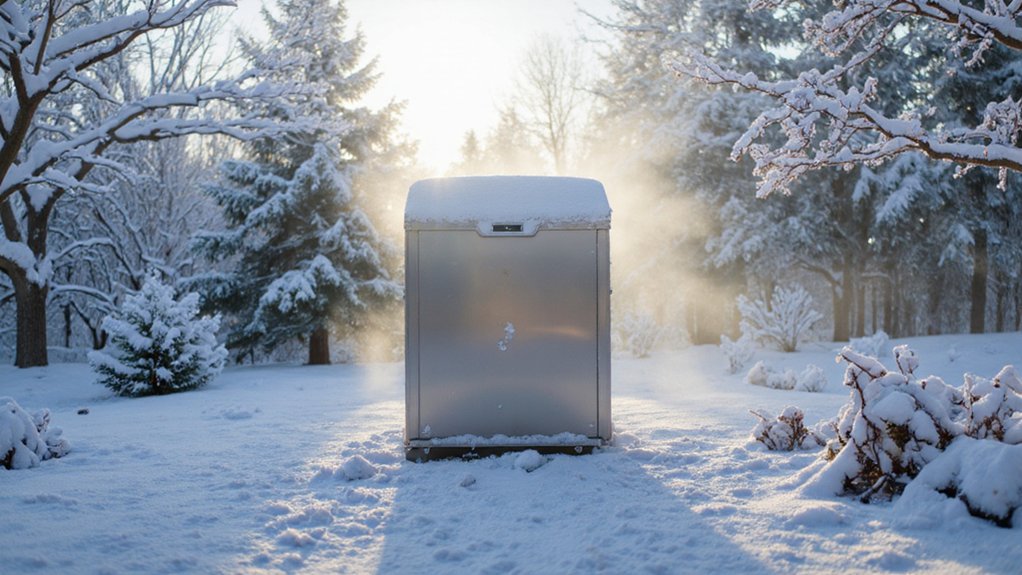
Routine maintenance becomes even more important during winter.
Schedule regular inspections to make sure every part of the system is operating properly. Early maintenance can help identify small issues before they become expensive HVAC repair needs.
Keep the outdoor unit clear of leaves, snow, branches, and other debris that may restrict airflow.
Replace or clean the air filter as recommended by the manufacturer. Dirty filters reduce airflow, increase energy use, and place extra strain on the system.
Watch for excessive ice buildup on the outdoor unit. While some frost is normal, heavy ice that does not clear during the defrost cycle may indicate a problem that needs professional attention.
It's also a good idea to check that your thermostat is reading temperatures accurately. Correct thermostat settings help the system maintain comfort without unnecessary energy use.
Consistent maintenance helps extend the life of your heat pump and keeps it operating as efficiently as possible throughout the colder months.
Frequently Asked Questions
Can Heat Pumps Provide Hot Water in Freezing Temperatures?
Yes. Heat pumps can still provide hot water during freezing weather, although their efficiency may decrease as outdoor temperatures fall. Systems designed for cold climates generally perform better in these conditions.
Are There Specific Models for Extreme Cold Climates?
Yes. Several manufacturers produce cold-climate heat pumps designed to operate efficiently in very low temperatures. These models often include variable-speed compressors, advanced defrost controls, and improved low-temperature heating performance.
How Do Heat Pumps Compare to Traditional Furnaces in Winter?
Heat pumps transfer heat rather than generate it, making them more energy efficient under many winter conditions. Traditional furnaces may provide stronger heating during extremely cold weather, while heat pumps often deliver lower operating costs during milder winter temperatures.
Do Heat Pumps Require More Power in Freezing Weather?
Yes. As outdoor temperatures drop, the heat pump works harder to collect heat from the outside air. This increases electricity consumption, especially during extended periods of freezing weather.
What Happens if a Heat Pump Freezes Up?
Light frost is a normal part of winter operation. If excessive ice builds up and the defrost cycle cannot remove it, airflow becomes restricted and heating performance suffers. Continued ice buildup may require inspection and repair by a qualified technician.
Conclusion
Heat pumps can continue heating your home even in freezing temperatures, although their efficiency naturally decreases as outdoor conditions become colder. Choosing a model designed for cold climates, keeping up with regular maintenance, and understanding when supplemental heating may be needed can help you get the most from your system.
With the right equipment and proper care, a modern heat pump can remain a dependable heating option throughout the winter season.

other blog posts
Differences between a low and high quality HVAC systems
Common AC Problems in Courtenay, BC Homes and How to Prevent Them
The Hidden Costs of Delaying HVAC Maintenance
Ready to Enhance Your Comfort
Contact us today to schedule your service, learn about energy-saving rebates, and feel comfortable in your home all year round.

