
 CALL US

related posts
What Are the Most Expensive HVAC Repairs for Homeowners?

HVAC repair can become expensive when a major part of your heating or cooling system fails. Compressor replacements are among the costlier repairs, while damaged ductwork can add labor and material costs. Refrigerant leaks can also lead to a surprisingly large bill, especially when the source of the leak is difficult to locate.
Knowing which HVAC problems tend to cost more can help you spot trouble early and plan for repairs. A little attention to warning signs and routine maintenance may help prevent a small issue from turning into a much larger repair.
Key Takeaways
- Compressor replacements can cost between $1,200 and $2,500, depending on the brand and model.
- Ductwork repairs can become expensive because of the system layout, labor, access, and materials involved.
- Refrigerant leaks can cost between $200 and $1,500, depending on the refrigerant and the extent of the repair.
- Electrical problems can add to repair costs and may create safety concerns.
- Skipping routine maintenance can allow small HVAC problems to grow into more expensive repairs.
Recognizing the Signs of HVAC Issues Early
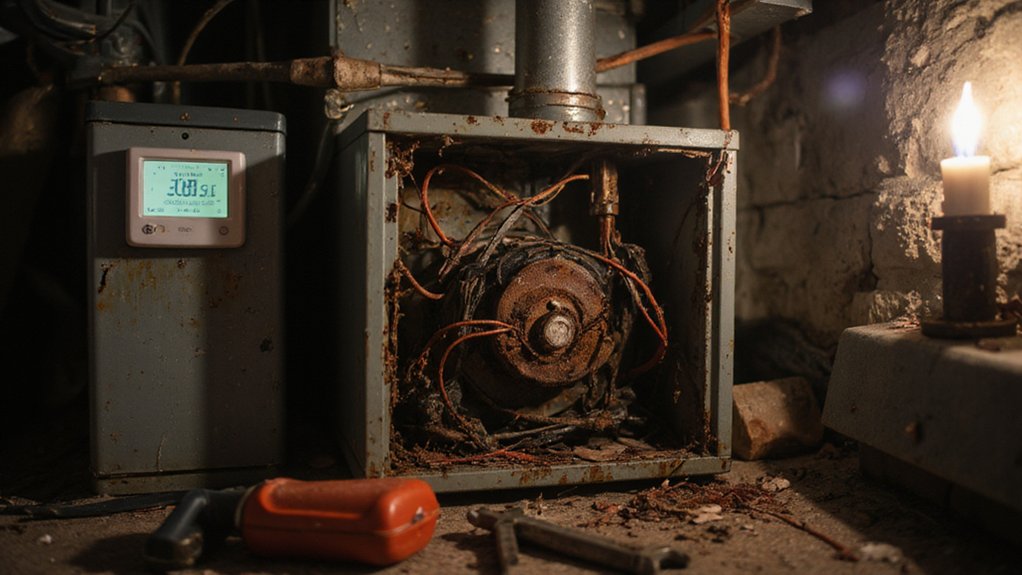
HVAC problems don't always start with a complete system failure. In many homes, the first signs are small changes in how the system sounds, feels, or performs.
Strange noises, uneven temperatures, weak airflow, or rising energy bills can all point to a developing problem. A rattling sound may come from a loose component, while hissing can sometimes indicate a refrigerant leak. If certain rooms feel warmer or cooler than others, the thermostat, filters, ductwork, or airflow may need attention.
Paying attention to these changes gives you a chance to have the system checked before the problem becomes more serious. A technician can inspect the system and determine whether a relatively simple repair is needed.
Regular maintenance also makes it easier to catch worn or dirty components before they cause a larger failure. For homeowners, that can mean fewer surprises when the HVAC system is needed most.
Why HVAC Systems Matter for Your Home

Your HVAC system does more than heat or cool your home. It also plays a role in indoor humidity, airflow, and overall air quality.
When the system is working properly, it can keep rooms at a comfortable temperature without running longer than necessary. A system that has to work harder may use more energy, which can show up on your utility bills.
Poor airflow and moisture problems can also contribute to issues such as mold growth. Dirty filters and inadequate ventilation may affect indoor air quality as well.
Keeping up with basic HVAC care can help your system run as expected and may reduce the chance of expensive repairs. It also gives you a better idea of when a component is starting to wear out.
The Cost of Replacing a Compressor
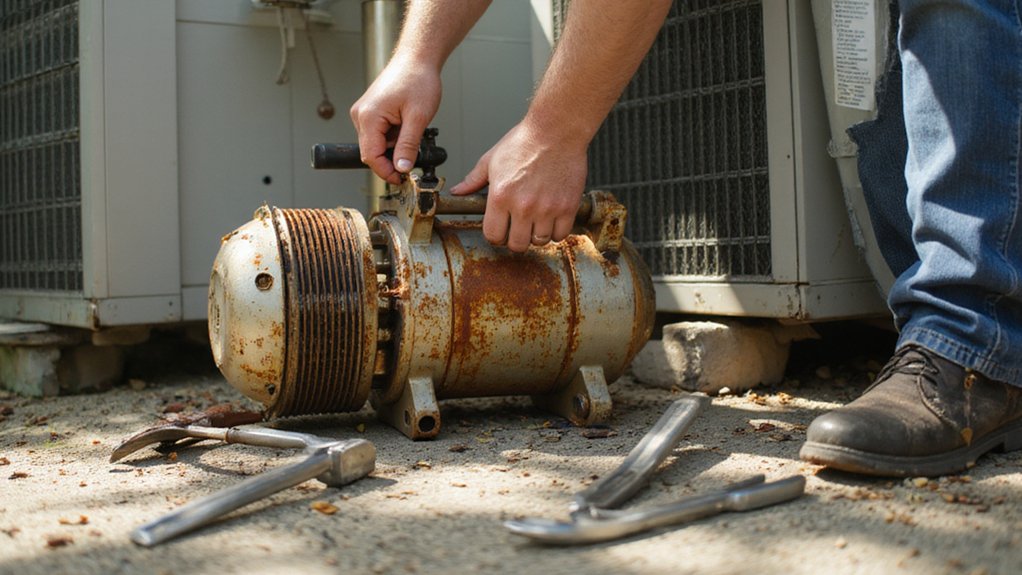
A compressor is one of the most important components in an air conditioning system. When it starts to fail, the repair can be one of the more expensive HVAC jobs a homeowner faces.
A typical compressor may last around 10 to 15 years, although actual service life depends on the system, maintenance history, operating conditions, and other factors.
The cost of replacement can vary based on the make and model of the HVAC unit, local labor rates, the replacement part, and whether other components need attention at the same time. A typical replacement may cost between $1,200 and $2,500.
Before replacing the compressor, it's worth having the entire system inspected. In some situations, replacing an older air conditioner may make more financial sense than putting a large amount of money into a system that has reached the later part of its service life.
If the compressor is replaced, the technician should also check the rest of the system to make sure the new component is compatible and the underlying cause of the failure has been addressed.
Why Ductwork Repairs Cost So Much
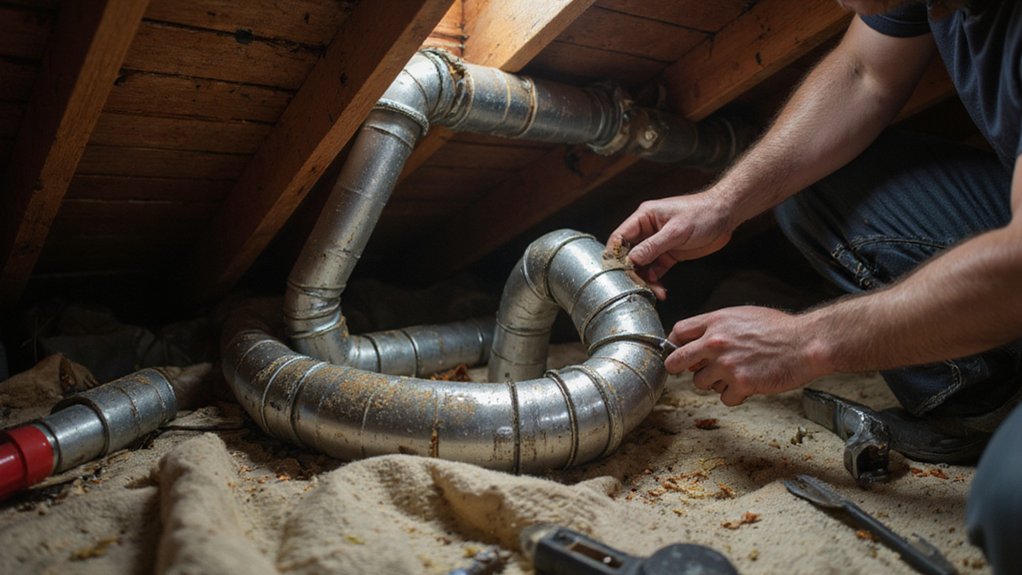
Ductwork may not seem as complicated as other HVAC components, but repairs can become expensive quickly. The total price depends on how the duct system was designed, where the damaged sections are located, and how much work is needed to reach them.
Materials and labor also affect the final bill. A small, accessible repair may be relatively straightforward, while replacing sections of ductwork hidden behind walls, ceilings, or other structures can take much more time.
Ductwork Complexity and Design
Ductwork carries heated and cooled air throughout your home. When the layout isn't working well, some rooms may receive too much air while others receive too little.
A complicated duct system with many turns, branches, or restricted sections can make repairs more difficult. Technicians may need to spend extra time identifying where airflow is being reduced and determining what needs to be changed.
Poor duct design can also contribute to uneven temperatures and higher energy use. If air escapes through damaged connections or poorly sealed sections, the HVAC system may have to run longer to reach the desired temperature.
The condition and layout of the existing ductwork can also affect any new repairs. A technician may need to work around existing structures rather than simply replacing a damaged section.
Labor and Installation Expenses
Labor is one of the main reasons ductwork repairs can cost more than homeowners expect. Proper installation requires careful measurements, secure connections, appropriate sealing, and attention to airflow.
Access can make the job even more difficult. Ducts located in attics, crawl spaces, ceilings, or other tight areas may take longer to reach. If sections need to be removed and replaced, the technician may have to work around insulation, wiring, framing, or other building components.
Local labor rates also vary. A job that takes several hours in one home may take much longer in another because of the location and condition of the ductwork.
If the existing system needs to be rerouted or redesigned, the work can become more involved. That's why a ductwork repair estimate should account for both materials and the time needed to complete the job.
Material Quality and Types
The material used for ductwork can also affect the repair bill. Common options include galvanized steel, aluminum, and flexible plastic ducting. Each type has different characteristics and installation requirements.
Insulation matters, too. Properly insulated ducts can help reduce unwanted heat transfer, especially when ductwork passes through an attic or another unconditioned area.
Thicker or more durable materials may cost more upfront but can be suitable for areas where the ductwork is exposed to greater wear. Flexible ducting may be easier to install in certain spaces, while rigid materials may be better suited to other layouts.
Local building requirements can also affect which materials and installation methods are appropriate. A technician can help determine what makes sense for the existing HVAC system and the location of the repair.
The Cost of Fixing Refrigerant Leaks

Refrigerant leaks can cost homeowners anywhere from $200 to $1,500, depending on where the leak is located, how serious the damage is, and how difficult the repair becomes.
The refrigerant used by the HVAC system can also affect the price. Older systems may use refrigerants that are no longer commonly used in newer equipment, while newer systems use different refrigerants with their own service requirements.
Finding the leak is often one of the harder parts of the job. Technicians may use electronic leak detectors, dye tests, or other methods to identify the source.
Once the leak has been found, the technician can determine whether the damaged section can be repaired or whether a component needs to be replaced. The system may then need to be recharged with the correct refrigerant.
Simply adding refrigerant without finding the source of the leak isn't a lasting fix. If refrigerant continues to escape, the system can lose cooling performance and may eventually suffer additional damage.
Getting the leak checked early can help prevent a small repair from becoming a much larger HVAC problem.
How Electrical Issues Can Inflate HVAC Repair Costs
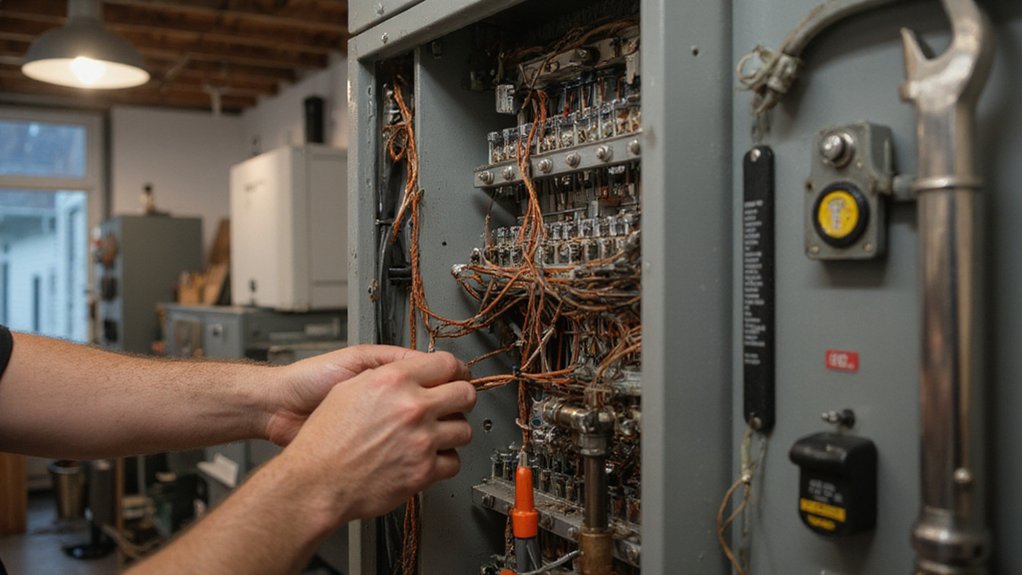
Electrical problems can make HVAC repairs more complicated and may also create safety concerns. A system that won't start, shuts off unexpectedly, or trips a breaker may have an electrical fault that needs professional attention.
Problems can involve wiring, capacitors, circuit boards, contactors, switches, or other electrical components. In some cases, a damaged part may be easy to replace. In others, the technician may need to trace the problem through several parts of the system.
Faulty wiring can be especially concerning because it may create a risk of overheating or other electrical damage. That's why electrical HVAC repairs are best handled by a qualified technician rather than treated as a DIY project.
Older HVAC systems can bring additional challenges. Components may be harder to source, and outdated electrical parts may need to be replaced as part of a larger repair.
Addressing electrical problems when they appear can help limit further damage and reduce the chance of a larger repair bill later.
Preventative Maintenance: Save on Future HVAC Repairs
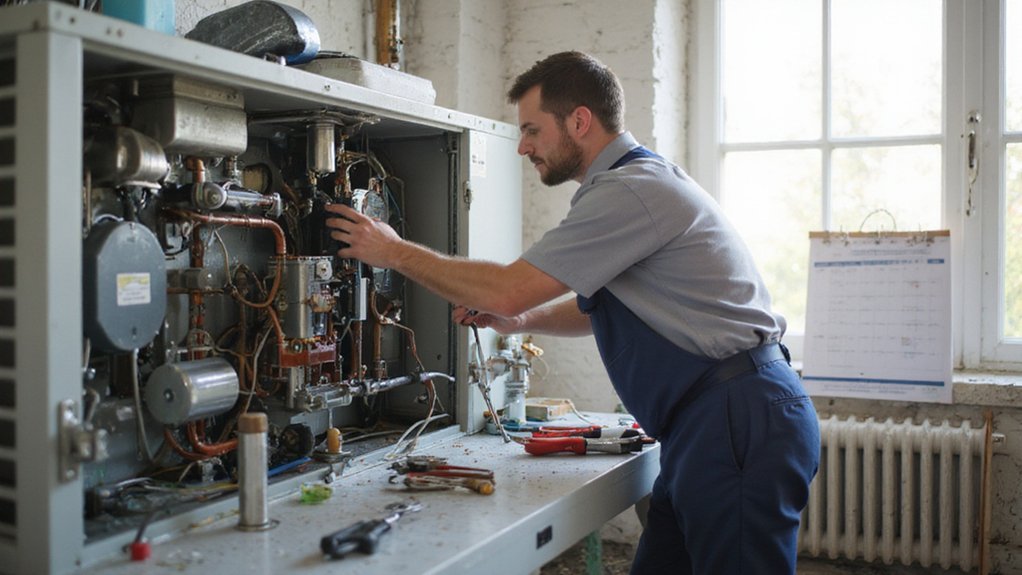
Routine HVAC maintenance won't prevent every possible breakdown, but it can help catch many problems before they become expensive.
Simple tasks, such as replacing dirty filters, can be handled by most homeowners. A professional inspection can cover components that aren't easy or safe to check yourself.
Keeping up with both can help your HVAC system operate as expected and give you an early warning when something needs attention.
Regular Filter Changes
Changing your HVAC filter is one of the easiest maintenance tasks you can handle at home. The right replacement schedule depends on the filter, the system, household conditions, and how often the HVAC unit runs.
A dirty filter can restrict airflow. When that happens, the system may need to run longer to heat or cool the home. Over time, restricted airflow can put extra strain on certain components.
Filters also capture dust, pollen, and other airborne particles. Replacing a dirty filter helps keep air moving through the system and can support better indoor air quality.
Check your filter regularly and replace it when it becomes dirty. Many homeowners replace filters every one to three months, although your system and filter type may call for a different schedule.
Annual System Inspections
Filter changes are only one part of HVAC maintenance. A professional inspection can uncover problems that aren't obvious during everyday use.
During a maintenance visit, a technician may check refrigerant levels, electrical connections, moving parts, coils, airflow, and other system components. Cleaning and inspection can also reveal signs of wear before they lead to a breakdown.
Annual maintenance can be especially useful before periods of heavy heating or cooling. Finding a worn component before the system fails during extreme weather can give you more time to decide how to handle the repair.
For older systems, regular inspections can also help you understand their condition and plan for larger repairs or eventual replacement.
Frequently Asked Questions
How Can I Find a Reliable HVAC Repair Service?
Look for an HVAC contractor with properly trained technicians, appropriate certifications, clear service terms, and positive customer reviews. Ask what the repair includes and whether the company provides a written estimate before work begins.
It's also worth checking whether the company offers service agreements or maintenance plans if you want ongoing HVAC care.
What Warranties Cover HVAC Repairs or Replacements?
HVAC warranties vary by manufacturer, equipment type, and installation. Some warranties cover specific parts for a set period, while labor may have separate coverage.
Extended warranties and service contracts may offer additional protection, but the details can vary. Review the warranty documents for your specific system so you know what is covered and for how long.
Are There Financing Options for Expensive HVAC Repairs?
Some HVAC companies offer financing for larger repairs or system replacements. Depending on the provider, you may find options such as payment plans or credit programs.
Before choosing a financing option, review the interest rate, fees, payment schedule, and total amount you'll pay. Comparing the full cost can help you decide whether financing makes sense for the repair.
How Often Should I Schedule HVAC Maintenance?
Many homeowners schedule HVAC maintenance twice a year, often before the main heating and cooling seasons. The exact schedule can depend on your system, climate, age of the equipment, and how heavily it is used.
Regular service can give a technician a chance to spot worn parts, dirty components, airflow problems, or other concerns before they lead to a breakdown.
What Are Common DIY HVAC Fixes Homeowners Can Try?
There are a few simple HVAC tasks homeowners can safely handle. Checking thermostat settings and replacing a dirty air filter are good places to start.
You can also make sure supply and return vents aren't blocked by furniture or other objects. More complicated work involving refrigerant, electrical wiring, gas connections, or internal components should be left to a qualified HVAC technician.
Conclusion
Understanding which HVAC repairs tend to cost the most can help you prepare for potential problems. Compressor failures, ductwork repairs, refrigerant leaks, and electrical issues can all become expensive when they are left unchecked.
Pay attention to changes in system performance, unusual sounds, uneven temperatures, and rising energy bills. These signs don't always mean a major repair is coming, but they are worth investigating.
Routine filter changes and professional inspections can also help you stay ahead of problems. Taking care of small issues early may reduce the chance of facing a much larger repair later.
A well-maintained HVAC system can provide dependable heating and cooling for years, while regular attention gives you a better chance of catching problems before they become costly.

other blog posts
How Can I Prepare My Home for AC Installation
AC Installation Mistakes Homeowners Should Avoid
Navigating the Essentials: A Guide for Business Owners on Commercial Refrigeration
Ready to Enhance Your Comfort
Contact us today to schedule your service, learn about energy-saving rebates, and feel comfortable in your home all year round.

