
 CALL US

related posts
How Can I Prepare My Home for AC Installation

Preparing your home for AC installation can make the whole process easier and help your new air conditioning system work as expected. Before the installation begins, take a close look at the room size, insulation, airflow, electrical system, and the area where the unit will be placed.
You’ll also want to make sure the installation team has enough room to work safely. A little preparation beforehand can prevent avoidable problems and make it easier to get your new AC up and running.
Key Takeaways
- Measure the room and check the wall where the AC will be installed.
- Look at your insulation and airflow before the new system goes in.
- Clear furniture and other items from the installation area.
- Make sure your electrical system can handle the AC unit.
- Choose a ductwork or mini-split setup that suits your home.
- Plan regular filter changes and seasonal maintenance after installation.
Understanding Different Types of AC Units

Choosing an air conditioning unit starts with understanding what works for your home. The most common options include window units, central systems, and portable AC units.
Window units are often a practical choice for smaller spaces. They tend to be easier to install and can cost less than a full central system. The tradeoff is that they may be noisier and may not cool larger areas evenly.
Central AC systems are suited to homes that need cooling across several rooms. They can also work with smart thermostats, giving you more control over indoor temperatures. The installation can take more planning and may cost more upfront.
Portable AC units are easy to move from one room to another. They can be useful when you only need to cool a specific area, although they may not match the performance of other AC options.
Think about your home's size, layout, cooling needs, and budget before choosing a system. The right choice should fit the way you actually use your home.
Assess Your Space for AC Installation
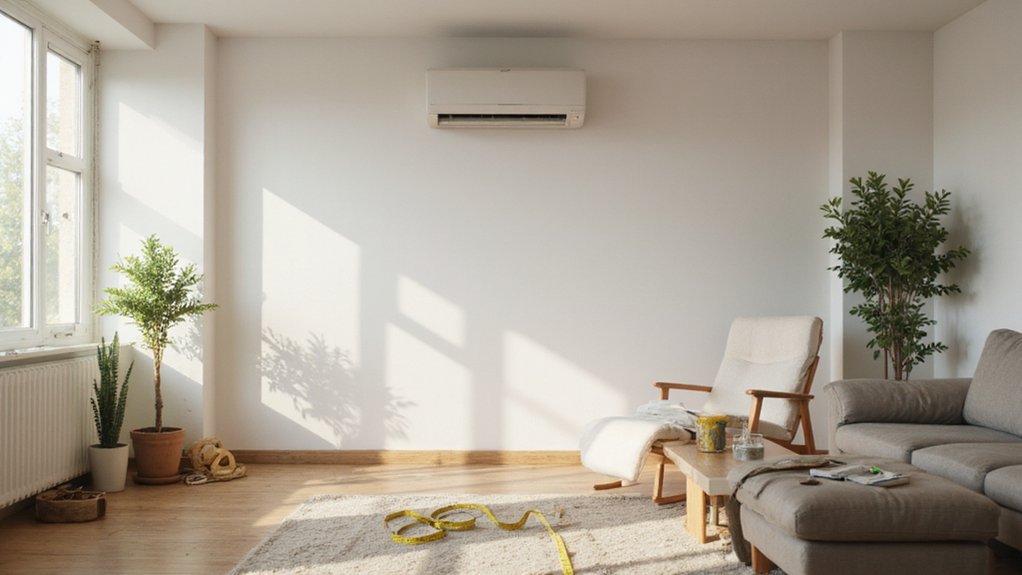
Picking an air conditioning unit is only part of the preparation. You also need to check the space where the unit will be installed.
Start by taking accurate space measurements. Measure the room's length, width, and height. Look around the area for furniture, shelves, fixtures, or other objects that could interfere with the unit or restrict airflow.
The wall itself needs attention, too. Make sure it can support the weight of the unit. You should also know where electrical wiring and plumbing lines are located before any drilling takes place.
Leave enough clearance around the AC so air can move freely and technicians can reach the unit for future service. Taking a few minutes to inspect the area can save you from dealing with installation problems later.
Is Your Home Ready for AC? Check Insulation and Airflow?

Before your new AC is installed, take some time to check your home's insulation and airflow. These two areas can affect how well the system cools your rooms.
Start with insulation checking. Look at the walls, attic, and floors to see whether they are properly insulated. Poor insulation can allow cooled air to escape and make it harder to keep rooms comfortable.
You can also look for areas where indoor temperatures seem noticeably different. A thermal imaging check can help identify problem areas, while a simple hand test may give you an early indication of drafts.
Next, check the air ducts if your home uses a ducted system. Ducts should be clear of obstructions and should not have obvious leaks. Blocked or leaking ducts can reduce airflow and make the AC work harder.
If you're unsure about the condition of your ductwork, an HVAC professional can inspect it and check for leaks or other problems.
Good insulation and clear airflow can help your new AC cool the home more evenly and avoid unnecessary energy use.
Prepare the Installation Area

Before the technicians arrive, prepare the area where the AC will be installed. Move furniture, decorations, boxes, and other items that could get in the way.
The team will need enough room to bring in equipment, position the unit, and complete the work safely. Giving them a clear workspace can also reduce the chance of accidental damage to your belongings.
Clear The Space
A clear installation area makes it easier for the technician to work.
Remove obstacles near the installation point, including furniture, decorations, plants, and anything else that could restrict access. Large pieces of furniture may need to be moved to another room temporarily.
Take a few minutes to clean the area once everything has been moved. Dust, clutter, and loose items can get in the way during installation.
A clean, open workspace gives the technician more room to work and helps keep your belongings out of harm's way.
Ensure Proper Access
Once the installation area is clear, check the route the technicians will use to reach it.
Doors, hallways, stairways, and entry points should be free of obstacles. If equipment needs to be carried through a narrow space, move anything that could make the route difficult.
Also check the area immediately around the installation site. Technicians need enough room to position tools, handle the AC unit, and complete the work safely.
If you have fragile decorations or valuable items near the work area, moving them elsewhere is a sensible precaution.
Does Your Electrical System Support Your New AC?
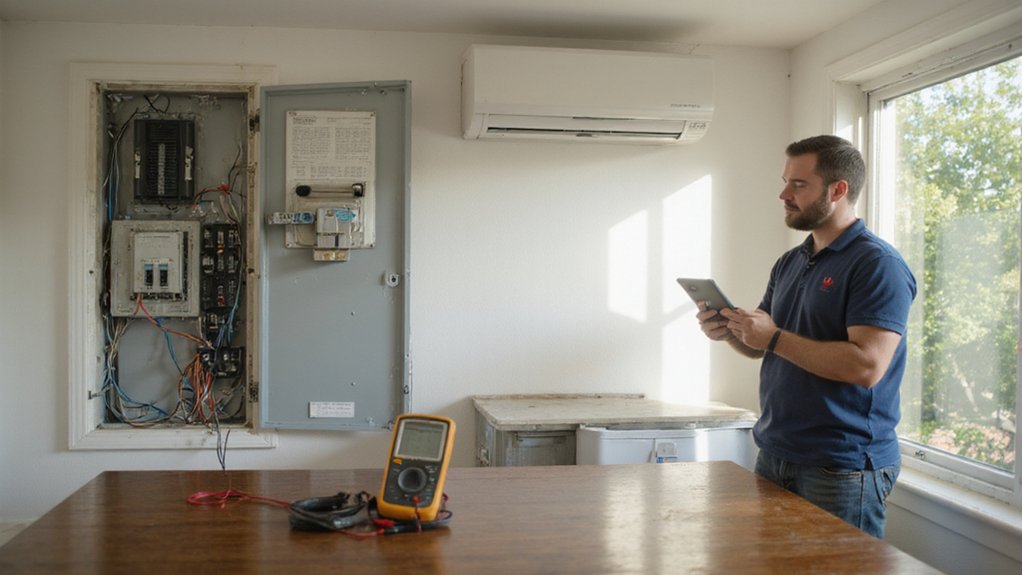
Your new AC needs enough electrical power to operate safely. Before installation, check whether your home's electrical system can handle the unit you plan to install.
Many AC units need a dedicated circuit. The exact electrical requirement depends on the size and type of the system. Check the manufacturer's specifications and compare them with your existing electrical setup.
Look at your current circuits and wiring for signs of damage, wear, or other problems. Older wiring may not be suitable for a newer, higher-powered AC unit.
If you're unsure whether your electrical system is suitable, have a licensed electrician inspect it. They can determine whether your panel, circuits, and wiring are suitable for the new equipment.
Taking care of electrical concerns before installation can help prevent overloads and other safety problems.
Choosing the Right Ductwork or Mini-Split System

Your home's layout plays a big part in choosing between ductwork and a mini-split system.
If you're using ductwork, look at the condition and material of the existing ducts. Fiberglass and sheet metal are common options, and proper insulation can help reduce unwanted energy loss.
Leaky or poorly insulated ducts may make it harder to cool the home evenly. If you already have ductwork, have it checked before connecting a new AC system.
A mini-split can be a good option for homes without existing ducts. These systems provide targeted cooling, so you can control the temperature in individual rooms or zones.
Mini-splits can also be useful when certain rooms need more cooling than others. Consider the layout of your home, the rooms you use most, and your existing insulation before deciding which setup makes sense.
Schedule Your AC Installation for Convenience
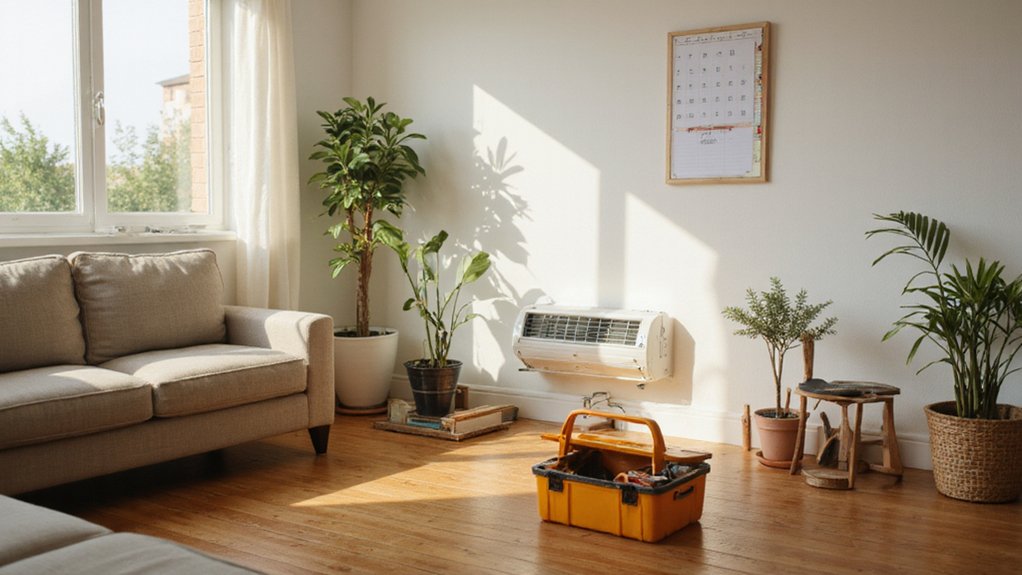
Choose an installation date that works well for your household. If possible, plan to be home during the appointment so you can answer questions and give the technician access to the property.
Ask about the expected installation timeline before the work begins. Knowing how long the job may take makes it easier to plan your day.
You may also find more scheduling options during periods when demand for AC installation is lower. Ask the contractor about their availability and confirm the appointment details ahead of time.
Before the installation day, make sure the installation area is ready and that the team can reach it without difficulty.
Clear communication and a little preparation can make installation day much less stressful.
Maintaining Your New AC for Optimal Performance
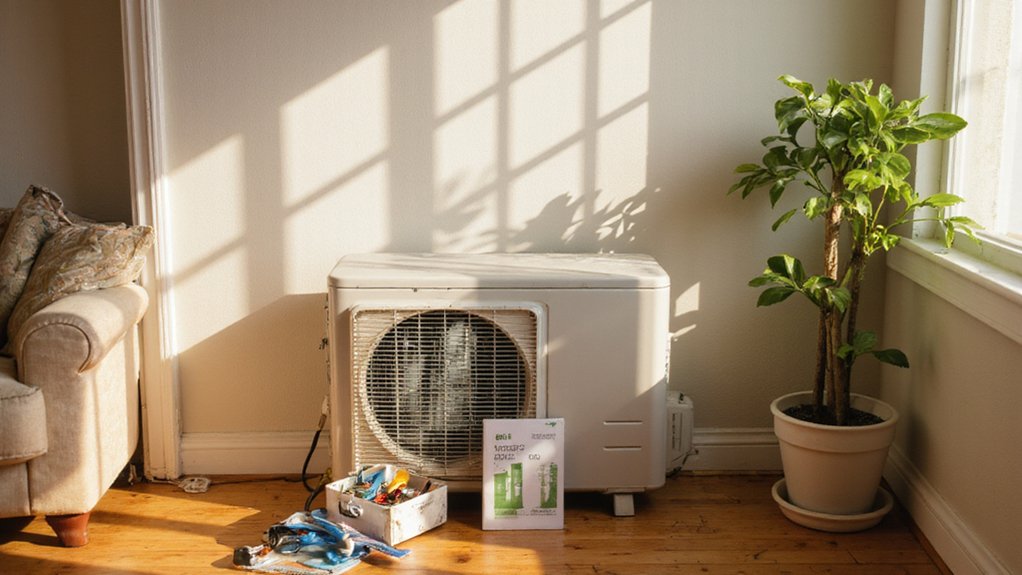
Once your new AC is installed, regular system repairs and maintenance will help keep it working properly.
Two simple habits make a difference: regular filter replacement and seasonal maintenance. A dirty filter can restrict airflow, while skipped maintenance can allow small problems to go unnoticed.
Regular Filter Replacement
Changing the AC filter is one of the simplest things you can do to care for your system.
Different filter types, including HEPA, pleated, and fiberglass filters, have different characteristics. Check the manufacturer's guidance to find out which filter is suitable for your unit.
As a general routine, check the filter about once a month. Many filters need replacement every three months, though homes with pets, dust, or allergies may need more frequent changes.
Make sure the replacement filter fits properly in its slot. A loose or incorrectly fitted filter can allow unfiltered air to pass around it.
A clean filter supports good airflow and can also help maintain better indoor air quality.
Seasonal Maintenance Checkups
Seasonal maintenance gives an HVAC technician a chance to inspect your system before small problems turn into larger ones.
During a maintenance visit, the technician may clean the coils, check refrigerant levels, inspect electrical connections, and test the thermostat. They can also check the system's overall operation and look for signs of wear.
Don't forget about the outdoor condenser. Keep the area around it free from leaves, branches, dirt, and other debris. The unit needs open space around it so air can move properly.
Regular maintenance can help you spot problems early and keep your AC working properly through the warmer months.
What to Expect After Your AC Installation?

After your AC installation is finished, give yourself some time to get used to the new system.
You may notice differences in temperature distribution, airflow, or noise compared with your previous AC. These changes aren't necessarily a sign of a problem. Your new system may simply operate differently from the one you had before.
Take some time to learn the thermostat settings and any features that came with the unit. Knowing how to adjust the system can help you get comfortable with its operation.
Keep an eye on the air filter and follow the recommended maintenance schedule. Pay attention to unusual sounds, weak airflow, leaks, or rooms that aren't cooling as expected.
If something seems unusual after installation, contact the technician or installation company so they can take a look.
Frequently Asked Questions
How Long Does the AC Installation Process Typically Take?
AC installation can take around four to eight hours, depending on the type of system, the home's layout, and the work required. A clear installation area and easy access can help the technician complete the job without unnecessary delays.
Will I Need to Remove Furniture Before Installation?
Yes, you may need to move furniture near the installation area. Clear the space around the unit and any access points the technician will use. This gives the team enough room to work safely and helps protect your belongings.
Can I Stay Home During the Installation?
Yes, you can usually stay home while the installation takes place. Keep away from the work area while technicians are using tools or moving equipment. Installation can also be noisy, so you may want to plan around the work if you need a quiet space.
What Permits Are Required for AC Installation?
Permit requirements depend on your location and the type of AC system being installed. Some projects may require building, electrical, or mechanical permits. Check with your local municipality or ask your HVAC contractor which permits apply before work begins.
How Do I Choose an AC Installation Company?
Look at the company's experience, customer reviews, qualifications, pricing, and warranty terms. Ask for a clear quote that explains what the installation includes. It also helps to ask questions about the equipment, installation timeline, and post-installation service before making your choice.
Conclusion
Preparing your home before AC installation can make the work easier and help your new system perform as expected. Start by checking the room, wall, insulation, airflow, and electrical system.
Clear the installation area and make sure the technicians have a safe route to the work site. If you're choosing between ductwork and a mini-split system, consider your home's layout and cooling needs.
Once the installation is complete, stay on top of filter changes and seasonal maintenance. These simple habits can help keep your AC running properly and your home comfortable during the warmer months.

other blog posts
Can a Heat Pump Heat an Entire House?
Can Dirty Filters Damage My HVAC System?
Why Is My HVAC Blowing Weak Air?
Ready to Enhance Your Comfort
Contact us today to schedule your service, learn about energy-saving rebates, and feel comfortable in your home all year round.

