
 CALL US

related posts
Can a Heat Pump Heat an Entire House?
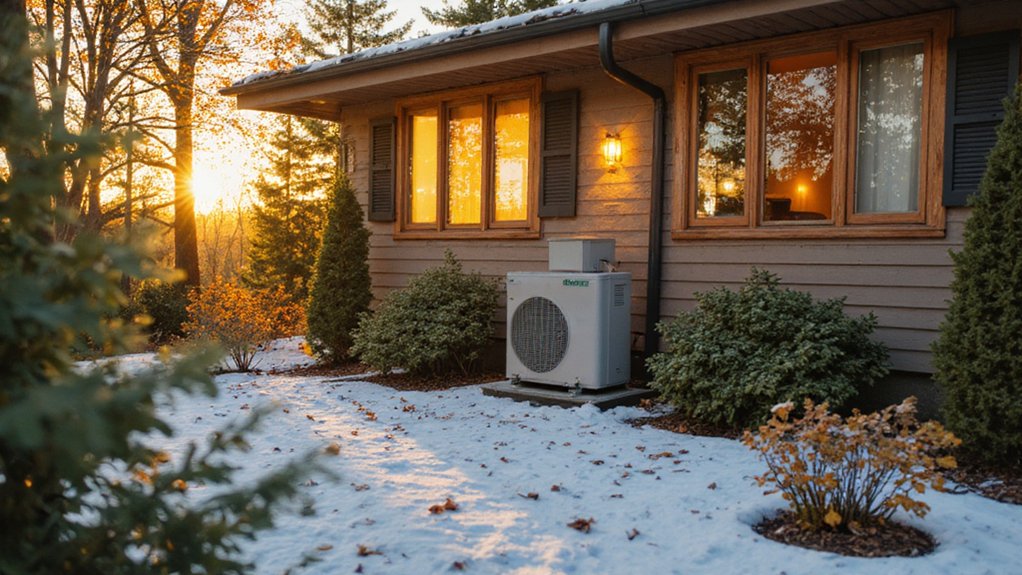
When you're considering a heat pump for whole-house heating, one of the first questions is whether it can keep every room comfortable. In many homes, the answer is yes. Heat pumps move heat from outside into your home instead of creating heat through combustion.
The results depend on a few practical details, including the size of the system, the way your home is insulated, the condition of the ductwork, and the climate where you live. A properly selected and installed heat pump can provide steady heating throughout the house while also handling cooling during warmer months.
Key Takeaways
- Heat pumps can heat an entire house by moving heat from outdoor sources such as air, ground, or water.
- Proper sizing and installation help a heat pump provide enough warmth throughout a larger home.
- Modern models can continue operating in cold climates, although their heating output can decrease as outdoor temperatures fall.
- A heat pump can provide both heating and cooling, so you may not need separate systems for each season.
- Energy efficiency ratings can help homeowners compare models and estimate long-term energy use.
How Do Heat Pumps Work for Heating?

Heat pumps move heat from one place to another. For heating, they pull available heat from an outside source, such as outdoor air, the ground, or water, and bring that heat indoors.
The system uses refrigerant to carry heat through the heat pump. As the refrigerant moves through the system, it absorbs heat from the outside. A compressor then raises the refrigerant's temperature before the heat is released inside your home.
That may sound surprising when the outdoor air feels cold, but even cold air contains some heat. A heat pump can collect that heat and bring it indoors. The amount of heat available decreases as temperatures fall, which is one reason climate and system selection matter.
During warmer weather, the process can be reversed. Instead of bringing heat inside, the heat pump removes heat from your home and releases it outdoors. One system can therefore handle both heating and cooling throughout the year.
What Are the Main Benefits of Heat Pumps?

A heat pump can offer several practical benefits for homeowners looking for one system that handles indoor temperature control throughout the year.
One of the biggest advantages is heat pump efficiency. Because the system moves existing heat instead of generating it directly, it can provide more heating energy than the electrical energy it uses. The exact performance depends on the model, outdoor temperature, installation, and operating conditions.
Lower energy use can also mean lower heating costs, although the actual savings depend on local electricity prices and what heating system you're replacing.
Another benefit is that the same equipment can provide both heating and cooling. You don't need one system for winter and another for summer when a properly selected heat pump can handle both jobs.
Installation costs can be higher than some traditional heating options. It's worth looking at the expected operating costs as well as the upfront price when comparing systems. Local rebates or other incentives may also help reduce the cost of installation.
Can Heat Pumps Efficiently Heat Large Homes?

Heat pumps can heat large homes, but the size of the house alone doesn't determine whether a system will work well. The home's heat loss, insulation, windows, ductwork, layout, and local weather all affect the heating load.
For a larger property, getting the system size right becomes especially important. A unit that's too small may struggle to keep up during colder weather. A unit that's too large can cycle on and off more often than necessary, which can affect comfort and operation.
Sizing Considerations for Heat Pumps
Choosing a heat pump starts with understanding how much heat your home actually needs. A heat load calculation looks at factors such as the home's size, insulation, windows, outdoor temperatures, and other sources of heat loss.
Duct design also matters in homes that use forced-air heating. Even a properly sized heat pump can't distribute heat well if the ductwork is undersized, poorly sealed, or badly insulated.
The layout of the home can affect the choice, too. A house with several separate rooms may need a different setup from an open-plan home. Depending on the property, zoning or multiple indoor units may help distribute heat more evenly.
Local weather should also be considered when selecting the equipment. A heat pump designed for mild winters may not be the right choice for a home that regularly experiences very low temperatures.
Regular maintenance helps keep the system operating as intended. Clean filters, clear outdoor equipment, and routine inspections can all help prevent avoidable performance problems.
Performance in Cold Climates
Cold weather doesn't automatically rule out a heat pump. Modern systems are designed to operate at lower outdoor temperatures, and some models are built specifically for colder regions.
The amount of heat available from outdoor air does decrease as temperatures fall. Because of this, a heat pump may need to work harder during a cold spell, and its heating output can decline.
Cold-climate models may use features such as variable-speed compressors to adjust operation as conditions change. Some homes may also have supplemental heating available for periods when the heat pump can't meet the full heating demand on its own.
When comparing systems, check the manufacturer's published heating capacity at low outdoor temperatures rather than looking only at the unit's maximum rating.
What Factors Influence Heat Pump Performance in Large Homes?

Several parts of the home can affect how well a heat pump performs.
Insulation quality is one of them. A poorly insulated home loses heat more quickly, which means the heating system has to work harder to maintain the indoor temperature. Improving insulation and sealing air leaks can reduce the amount of heat the home loses.
The home layout matters as well. Heat can move easily through an open floor plan, while homes with many closed rooms may need more careful planning to keep temperatures consistent.
Ductwork has a direct effect on air distribution. Leaky or poorly insulated ducts can lose heated air before it reaches the rooms where it's needed. Ducts that are too small can also restrict airflow.
Thermostat placement can affect how the system responds. A thermostat placed near a draft, direct sunlight, or another unusual heat source may read a temperature that doesn't represent the rest of the home.
Outdoor conditions matter, too. A heat pump operating in a mild climate has different heating demands from one operating through long periods of freezing weather.
Keeping the system clean and maintained can help avoid problems that reduce heating performance. Filters should be checked regularly, and the outdoor unit should have enough space around it for proper airflow.
How to Pick the Right Heat Pump?
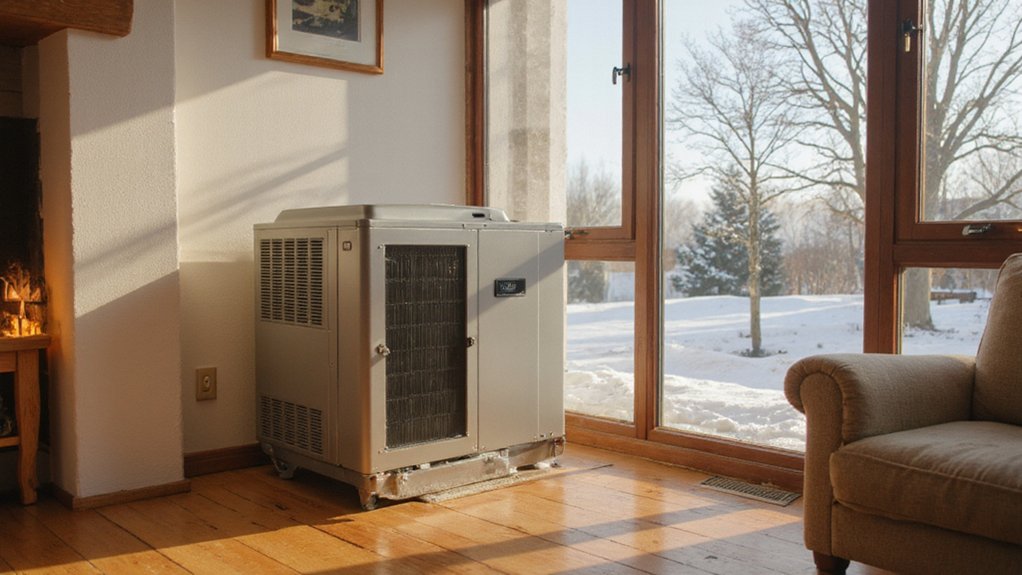
Choosing the right heat pump involves more than matching the equipment to the square footage of your home. The heating load, climate, ductwork, insulation, and expected operating conditions all deserve attention.
The system should have enough heating capacity for your home's needs without being unnecessarily oversized. You should also look at efficiency ratings and how the unit performs at the temperatures your home typically experiences.
Sizing Your Heat Pump
The first step is to determine your home's heat load. This tells you how much heating capacity is needed to maintain a comfortable indoor temperature under the expected outdoor conditions.
Square footage can provide a rough starting point, but it doesn't tell the whole story. Two homes with the same floor area can have very different heating requirements because of differences in insulation, windows, ceiling height, air leakage, and climate.
The condition and design of your ductwork should also be checked. Properly sized and sealed ducts help heated air reach the rooms that need it. If the duct system restricts airflow or loses too much conditioned air, the heat pump may not deliver the expected comfort.
For homes without existing ductwork, ductless heat pumps are another option. These systems use indoor units connected to an outdoor unit and can work well in homes where installing new ductwork would be difficult.
A professional heat load calculation can help determine the appropriate system size rather than relying only on a general square-footage estimate.
Energy Efficiency Ratings
Once you've determined the appropriate size, look at the system's energy efficiency ratings.
For cooling, SEER and SEER2 ratings are commonly used to compare seasonal energy performance. For heating, HSPF and HSPF2 ratings provide information about seasonal heating efficiency.
A higher rating generally means the system uses less electricity for a given amount of heating or cooling under the conditions used for the rating. Still, ratings shouldn't be viewed in isolation. The system's heating capacity at low temperatures, installation quality, and your local electricity rates also affect actual operating costs.
ENERGY STAR certification can also help when comparing eligible equipment that meets established energy performance requirements.
Can Heat Pumps Struggle in Cold Weather?

Heat pumps can lose heating capacity as outdoor temperatures become very low. That's a normal part of how air-source heat pumps operate, since there is less heat available to extract from the outdoor air.
For a home in a mild or moderate climate, this may not create much of a concern. In areas that experience extended periods of severe cold, the choice of equipment becomes more important.
Some heat pumps are designed specifically for cold climates and can continue providing useful heat at low outdoor temperatures. Their performance still depends on the particular model and the conditions outside.
Some systems also include supplemental heating, such as electric resistance heat, for periods when the heat pump can't provide all the required heat. This can help maintain indoor comfort during unusually cold weather, although electric resistance heating can use more electricity.
If you live in a cold region, look closely at the manufacturer's low-temperature performance information. A system's ability to heat at your area's typical winter temperatures is more useful than looking only at its general efficiency rating.
How Do Heat Pumps Compare With Traditional Heating?

Heat pumps work differently from traditional furnaces and boilers. Instead of creating heat by burning fuel or using electrical resistance, a heat pump moves heat from one location to another.
That difference can lead to lower energy use under the right conditions. A heat pump can move several units of heat for each unit of electrical energy it consumes, though actual performance varies with outdoor temperature and equipment type.
Traditional heating systems can still have advantages in certain homes and climates. For example, a gas furnace can continue producing heat without depending on the availability of outdoor heat in the same way an air-source heat pump does.
Heat pumps also have the advantage of providing both heating and cooling. A furnace or boiler generally needs a separate cooling system for summer.
The right choice depends on the home, climate, energy prices, existing equipment, and installation requirements. Looking at both the purchase cost and expected operating costs can give you a clearer picture of which option makes sense for your property.
Frequently Asked Questions
What Is the Lifespan of a Heat Pump?
A heat pump can often last around 15 to 20 years when properly maintained, although lifespan varies by equipment type, installation, usage, climate, and maintenance.
Regular service can help identify worn parts and other problems before they lead to a larger repair. Keeping filters clean and making sure the outdoor unit has adequate airflow can also help the system operate properly.
Are Heat Pumps Noisy During Operation?
Heat pumps make some noise while operating, just like other heating and cooling equipment. Outdoor units have a compressor and fan, while indoor equipment produces airflow noise.
Newer models are often designed with lower operating noise than older equipment. Where the outdoor unit is placed can also affect how noticeable the sound is inside and outside the home.
Can Heat Pumps Provide Cooling in Summer?
Yes. A heat pump can cool your home during summer by reversing the normal heating process.
Instead of bringing heat indoors, the system removes heat from the indoor air and releases it outside. This allows one system to provide both heating and cooling throughout the year.
How Much Maintenance Do Heat Pumps Require?
Heat pumps need routine maintenance to keep operating properly. Filters should generally be checked regularly and replaced or cleaned as needed, with the exact schedule depending on the system and filter type.
Regular system maintenance can also help identify issues with airflow, refrigerant, electrical components, or other parts of the system.
Are There Any Tax Incentives for Heat Pump Installation?
Tax credits, rebates, and other incentives may be available for qualifying heat pump installations, but availability depends on where you live, the equipment you choose, and the rules in effect when you purchase the system.
Check current federal, state, and local programs before making a purchase. Eligibility requirements can change, so it's worth confirming the details before assuming an incentive will apply.
Choosing a Heat Pump for Whole-House Heating
A heat pump can heat an entire house when the system is properly sized for the property's heating needs and installed correctly.
The home's insulation, windows, ductwork, layout, and local climate all play a part in how well the system performs. Cold-climate heat pumps can handle lower temperatures, but their heating output may decrease during very cold weather.
For homeowners comparing heating options, it's useful to look beyond the equipment itself. The condition of the home, expected energy use, installation requirements, and local weather all affect the final result.
A properly selected heat pump can provide comfortable heating in winter and cooling in summer, giving homeowners one system for year-round temperature control.

other blog posts
When Should I Replace My Air Conditioner?
The Benefits of Upgrading to an Energy-Efficient HVAC System
How Can I Lower My Heating and Cooling Bills?
Ready to Enhance Your Comfort
Contact us today to schedule your service, learn about energy-saving rebates, and feel comfortable in your home all year round.

