
 CALL US

related posts
Can I Add Air Conditioning to a House With a Furnace?

If you’re considering adding air conditioning to a house with a furnace, the good news is that the two systems can often work together. Before choosing an AC unit, though, you’ll need to look at your existing furnace, ductwork, electrical system, and available space.
Your current setup can affect which type of air conditioning system makes sense for your home. A professional assessment can also help determine whether your furnace and ductwork can handle the additional cooling load.
So, what options do you have, and what should you expect during the installation?
Key Takeaways
- Check whether your furnace, ductwork, and electrical system can support an AC unit.
- Make sure your existing ducts can provide enough airflow for cooling.
- Central AC, split systems, and ductless systems can all be options, depending on your home.
- Adding AC can cost around $3,000 to $7,000, depending on the system and installation work required.
- Regular maintenance helps your combined heating and cooling system continue working properly.
Understanding How a Furnace and AC Work Together
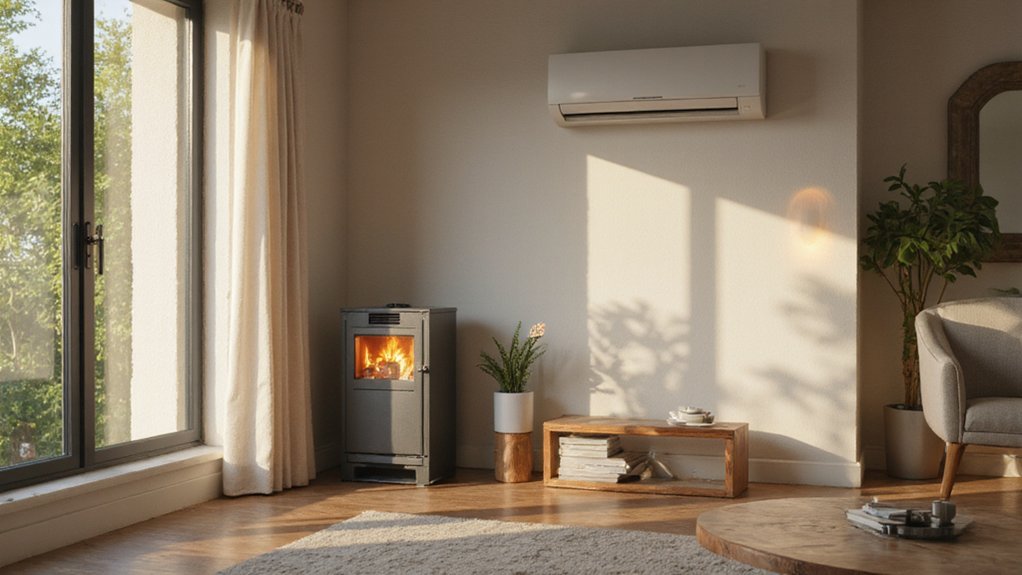
A furnace and an air conditioner can share the same ductwork in many homes. The furnace handles heating during colder weather, while the AC system cools the air when temperatures rise.
Before adding AC, it’s worth checking whether your furnace is compatible with the type of cooling system you’re considering. The furnace needs to work with the airflow requirements of the AC unit, and the ductwork needs to be able to move enough air through the home.
The condition and size of your existing ducts also matter. Ducts that are too small, damaged, or poorly designed can make it harder for the AC system to cool the house evenly.
You’ll also want to look at the furnace’s capacity and condition. An older furnace may still work with a new AC system, but an HVAC professional can determine whether the two systems are a suitable match.
When the components are properly matched, the furnace and AC can share the same distribution system and provide heating and cooling throughout the year.
Is Your HVAC System Ready for AC?
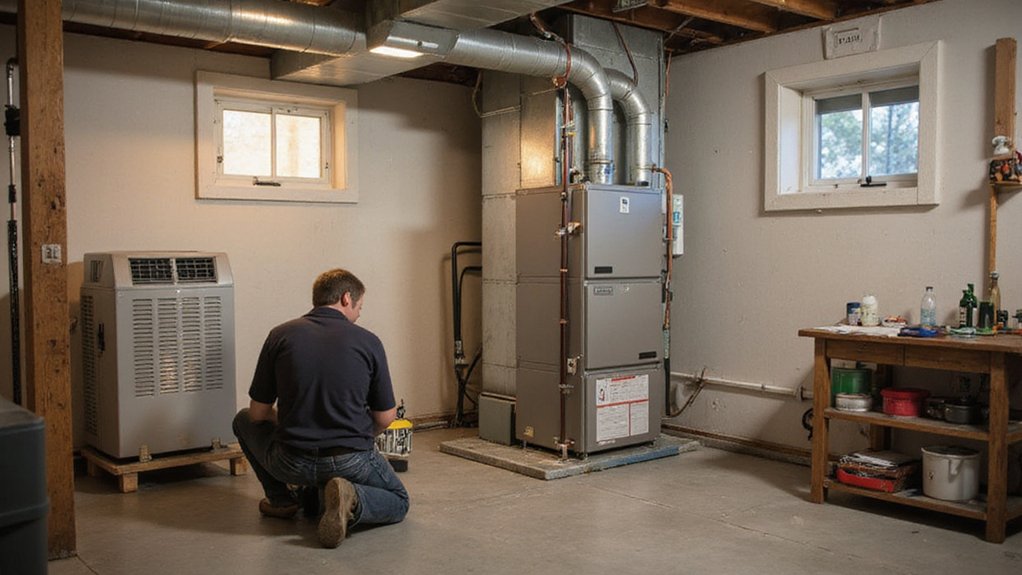
Before installing air conditioning, take a close look at your current HVAC setup.
Start with the furnace. Some furnaces are better suited to work with an AC system than others. The age, size, condition, and existing configuration of the furnace can all affect your options.
Your ductwork deserves a close inspection, too. If the ducts already provide good airflow for heating, they may also work for central AC. If airflow is restricted, some changes may be needed before cooling is added.
The electrical system is another part of the assessment. An AC unit adds electrical demand, so your home's electrical service and panel need to be able to support the equipment.
The age of the existing HVAC equipment is also worth considering. If the furnace is nearing the end of its service life, you may want to discuss whether adding a new AC unit makes sense on its own or as part of a larger HVAC upgrade.
A professional evaluation can give you a clearer picture of what your home can support before you commit to a particular system.
Top Methods to Integrate Air Conditioning With Your Furnace

There are several ways to add cooling to a home that already has a furnace. The right AC installation approach depends on your ductwork, home layout, cooling needs, and existing equipment.
Central Air Conditioning
Central AC is often the most straightforward option when a home already has suitable ductwork.
The AC system uses the home's existing ducts to move cooled air into different rooms. The furnace blower can help circulate that air through the duct system.
This approach can provide whole-home cooling without requiring individual cooling units in each room. Before installation, the ductwork should be checked to make sure it can provide the airflow the new AC system needs.
Split Systems
A split system uses an outdoor unit along with an indoor component. This type of setup can work in homes where the existing layout or ductwork makes a traditional central AC installation less suitable.
The exact configuration depends on the home and the equipment selected. A professional can determine whether this approach works with your existing furnace and heating setup.
Ductless Mini-Split Systems
Ductless mini-splits can be useful when adding or extending ductwork isn't practical.
These systems use an outdoor compressor connected to one or more indoor air-handling units. Each indoor unit can cool a particular room or zone.
For homes with areas that don't have ductwork, a ductless system can provide cooling without opening walls or installing a large new duct network.
The best option depends on how your home is laid out and how you want the cooling distributed.
Ducted vs. Ductless: Which Air Conditioning Solution Fits Your Home?
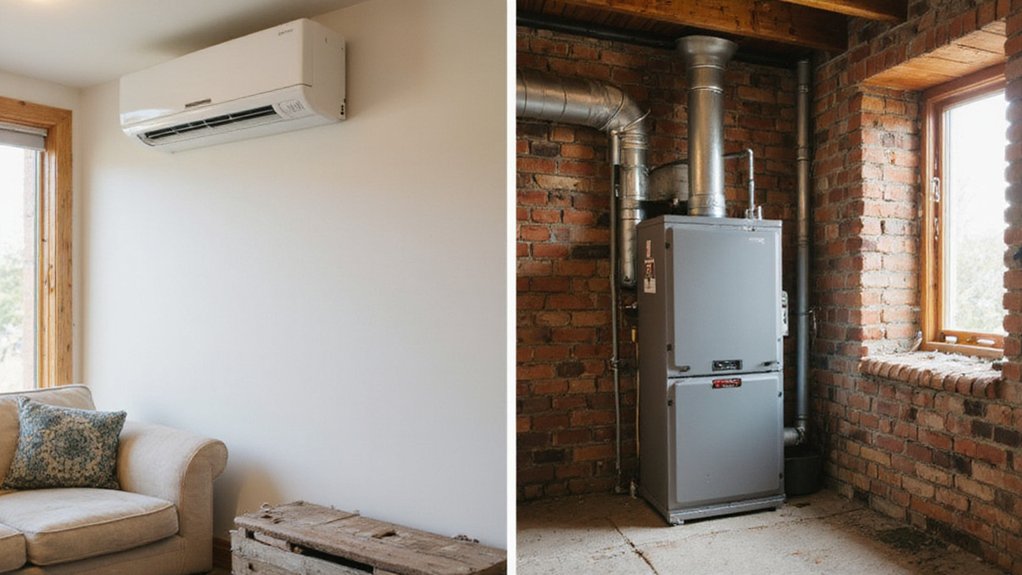
When you already have a furnace, the choice between ducted and ductless air conditioning often comes down to the condition of your existing ductwork and the way you want to cool your home.
Ducted systems can cool the whole house through the same ducts used by the furnace. Ductless systems provide more control over individual rooms or zones.
Ducted Systems Overview
A ducted air conditioning system can be a practical choice when your furnace already uses a suitable duct network.
The AC system sends cooled air through the same ducts that distribute heated air during the winter. This means you don't necessarily need to install a separate distribution system for cooling.
Before choosing central AC, the existing ducts should be checked for size, condition, leaks, and airflow. Ducts that were designed only for heating may not always be suitable for the cooling system you have in mind.
The AC unit also needs to be correctly sized for the home. A unit that's too large can cycle on and off more often than it should, while an undersized system may struggle to keep the house comfortable.
A proper assessment helps determine whether your current furnace and ductwork can work with the new AC equipment.
Ductless Systems Overview
Ductless systems provide another option when existing ductwork isn't suitable or when you only want to cool certain areas.
A typical mini-split system has an outdoor compressor and one or more indoor air handlers. Each indoor unit can serve a particular room or zone.
This setup can be useful in additions, converted garages, older homes, or rooms where extending the existing ductwork would be difficult.
Ductless systems also allow you to control different areas separately. If one part of the house needs more cooling than another, you can adjust the individual zones rather than cooling the entire home to the same temperature.
Installation still requires careful planning. The location of the indoor units, outdoor equipment, electrical connections, and refrigerant lines all need to be considered.
Cost of Adding AC to Your Furnace

Adding air conditioning to a home with an existing furnace can cost around $3,000 to $7,000, though the actual price depends on the equipment and work involved.
The type of AC system is one of the biggest factors. A central AC installation may cost less when your furnace and ductwork are already suitable. A ductless system or a project that requires major changes to the existing HVAC setup can cost more.
Home size also affects the price because larger spaces may require more cooling capacity.
Your ductwork can make a difference, too. If the ducts are in good condition and provide enough airflow, the installation may be relatively straightforward. If repairs or modifications are needed, those costs will be added to the project.
Electrical work can also affect the final price if your current service or panel needs an upgrade.
Since every home is different, it's best to get an estimate based on your actual furnace, ductwork, electrical system, and cooling needs. Financing may also be available through some HVAC companies if you prefer to spread the cost over time.
Improving Energy Efficiency and Comfort With AC

Adding air conditioning can make a home much more comfortable during hot weather. A properly selected system can also help control humidity and improve the overall indoor environment.
The results depend on the condition of the HVAC system, the home's insulation, the ductwork, and the way the AC unit is sized and operated.
Enhanced Indoor Air Quality
Air conditioning can affect indoor air quality by helping control humidity and filtering particles from the air.
Excess moisture can create conditions that encourage mold growth and dust mites. Keeping indoor humidity at a comfortable level can help reduce those problems.
Many modern AC systems also use air filters that capture dust, pollen, and other airborne particles. The type of filter and the condition of the HVAC system can affect how well these particles are removed.
Regular filter changes are important. A dirty filter can restrict airflow and make the system work harder.
Good ventilation, proper humidity control, and regular HVAC maintenance can all contribute to a more comfortable indoor environment.
Optimal Temperature Regulation
An AC system gives you more control over indoor temperatures during warm weather.
When the cooling system is properly sized, it can maintain a more consistent temperature without running continuously. A thermostat allows you to set the temperature you prefer and manage when the system operates.
Humidity also plays a role in comfort. An AC system removes some moisture from indoor air as it cools, which can make the home feel more comfortable during humid weather.
The furnace and AC serve different purposes throughout the year. The furnace provides heat during colder months, while the AC handles cooling during warmer months. Together, they can provide year-round temperature control.
Reduced Energy Costs
Adding AC will increase electricity use during the cooling season, so energy costs may rise. The amount depends on the system, the home's size, local weather, insulation, thermostat settings, and how often the AC runs.
A properly sized and maintained system can help avoid unnecessary energy use. Good ductwork and insulation can also reduce the amount of cooling the system needs to provide.
Newer AC units may include features designed to use electricity more effectively than older equipment. Still, the equipment itself is only part of the picture.
How the system is installed and maintained can also affect its operating costs.
Common Challenges of Adding AC to Furnace Systems
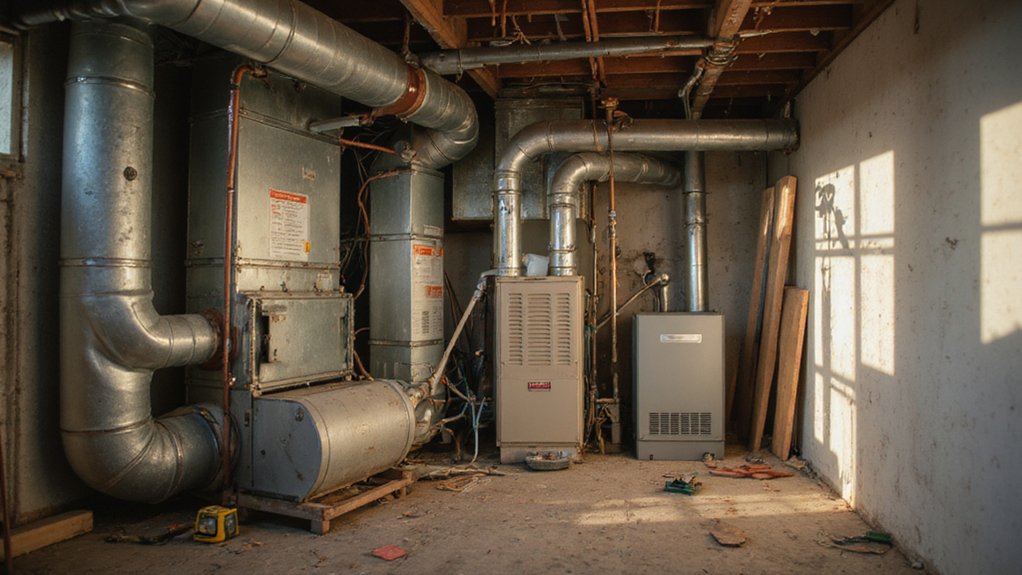
Adding AC isn't always as simple as installing an outdoor unit and connecting it to the furnace.
One of the first challenges is system compatibility. The furnace, AC unit, thermostat, ductwork, and electrical components all need to work together.
Ductwork may also need attention. If the existing ducts don't provide enough airflow, modifications may be necessary. Leaky ducts can also allow conditioned air to escape before it reaches the rooms.
Equipment sizing is another concern. An AC system that's too small may struggle to cool the house. A unit that's too large may cool the air quickly without running long enough to remove enough humidity.
The electrical system needs to be checked as well. Depending on the equipment and your home's existing service, additional electrical work may be needed.
Insulation can affect cooling performance, too. Poor insulation allows heat to enter the home more easily, which can increase the workload on the AC system.
Noise and zoning can also be concerns. If you want different temperatures in different parts of the house, your HVAC setup may need additional controls or equipment.
These factors don't necessarily prevent an AC installation. If existing equipment needs attention before the new system is added, HVAC repair may be required.
Maintenance Tips for Your Combined HVAC System

Once your furnace and AC are working together, regular maintenance can help keep the system running properly.
Start with the air filter. Depending on the filter type, household conditions, and system requirements, it may need to be replaced every one to three months. Homes with pets, allergies, or high dust levels may require more frequent changes.
Keep supply and return vents clear of furniture, rugs, and other obstructions. Restricted airflow can make the HVAC system work harder.
Annual professional service can also help identify problems before they become larger repairs. During a service visit, the technician can inspect the equipment, check airflow, and look for signs of wear.
Your thermostat should also be checked to make sure it is reading and maintaining the temperature correctly.
Humidity levels deserve attention during the cooling season. If the home remains too humid even when the AC is running, there may be an issue with system sizing, airflow, insulation, or moisture entering the home.
Before each cooling season, make sure the outdoor AC unit is clear of leaves, dirt, and other debris. Keep the area around the equipment open so air can move freely.
For the furnace, schedule the appropriate maintenance before the heating season. Keeping both sides of the HVAC system in good condition can help prevent avoidable problems throughout the year.
Frequently Asked Questions
Can I Use My Existing Furnace Ducts for Air Conditioning?
Yes, existing furnace ducts can often be used for air conditioning. The ducts need to be the right size and condition for the cooling system, though. A professional should check airflow and look for leaks or other issues before the AC is installed.
How Loud Is a Typical Air Conditioning Unit?
Many air conditioning units operate somewhere around 50 to 70 decibels, depending on the equipment and operating conditions. Outdoor units are usually more noticeable than indoor components. If noise is a concern, ask about the expected sound level when comparing equipment.
What Is the Lifespan of an Air Conditioning System?
An air conditioning system typically lasts around 12 to 15 years. Maintenance, installation quality, usage, climate, and the condition of the equipment can all affect its service life.
Regular filter changes and professional servicing can help identify problems before they cause more serious damage.
Will Adding AC Increase My Energy Bills Significantly?
Adding AC will normally increase electricity use during the cooling season. The amount can vary quite a bit from one home to another.
Factors such as the AC unit's size, energy rating, home insulation, duct condition, thermostat settings, and local temperatures all affect how much electricity the system uses.
Can I Install AC Myself or Hire a Professional?
Some homeowners may consider installing AC themselves, but air conditioning installation involves electrical connections, refrigerant, equipment sizing, airflow, and other technical requirements.
A qualified HVAC professional can assess your furnace and ductwork, select the appropriate equipment, and install the system according to the requirements for the equipment and home.
Professional installation can also help protect applicable equipment warranties and reduce the chance of problems caused by incorrect sizing or installation.
Conclusion
Adding air conditioning to a house with a furnace is often possible. The main question is whether your existing furnace, ductwork, electrical system, and home layout can support the new cooling equipment.
Central AC can be a good option when the existing ducts are suitable. Ductless systems may make more sense for homes or rooms where extending ductwork isn't practical. The cost can vary based on the system, home size, existing equipment, and installation work required.
Before making a decision, have the existing HVAC system assessed and get a detailed estimate for the work. With the right equipment and proper installation, your furnace and AC can work together to provide heating and cooling throughout the year.

other blog posts
Why Does My AC Keep Freezing Up?
How Do I Prepare My Heating System for Winter?
Differences between a low and high quality HVAC systems
Ready to Enhance Your Comfort
Contact us today to schedule your service, learn about energy-saving rebates, and feel comfortable in your home all year round.

