 CALL US
related posts
How Do I Prepare My Heating System for Winter?
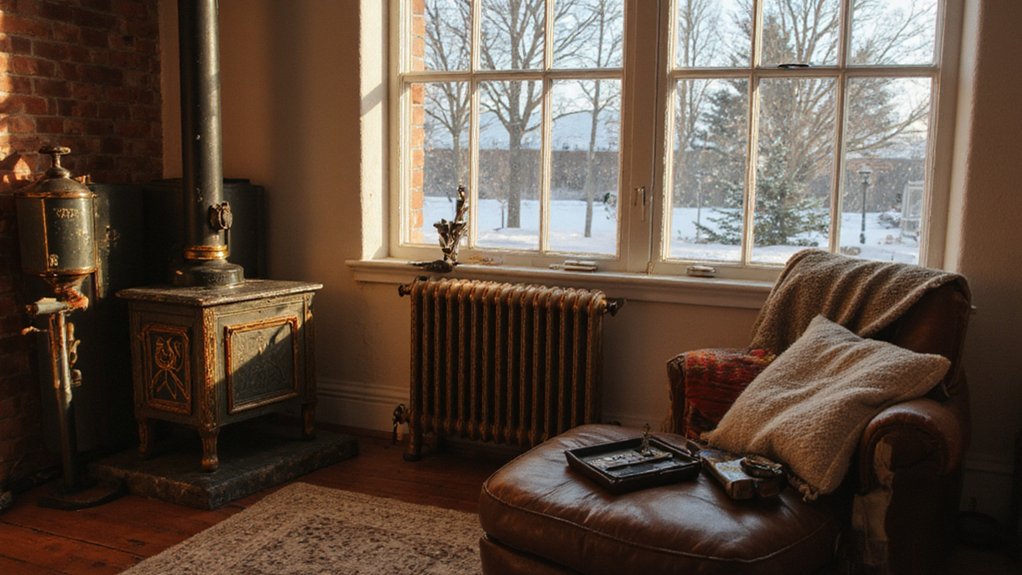
Getting your heating system ready before winter arrives helps keep your home warm, comfortable, and safe. A little preparation before temperatures drop can also help lower energy bills and reduce the chance of unexpected breakdowns.
Start by checking your heating system for any visible problems, replacing dirty filters, and making sure air can move freely throughout your home. It's also a good idea to schedule a professional inspection before the busy winter season. Small maintenance tasks now can make a big difference once cold weather sets in.
Key Takeaways
- Inspect your heating system for damaged ducts, blocked vents, and thermostat issues.
- Replace air filters regularly and clean vents to improve airflow.
- Schedule a professional heating inspection before winter begins.
- Adjust your thermostat settings to reduce energy use while staying comfortable.
- Improve insulation and seal drafts to keep warm air inside your home.
Inspect Your Heating System’s Components for Damage
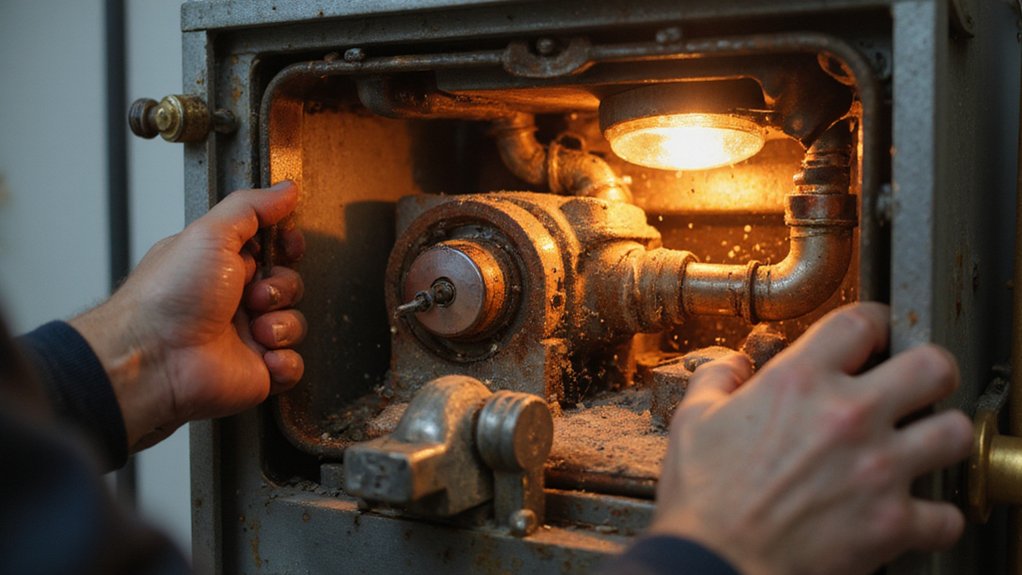
Before winter arrives, take some time to inspect your heating system. A quick visual check can help you spot small issues before they become expensive repairs.
Start with your ductwork. Look for loose connections, cracks, or damaged sections that could allow warm air to escape before it reaches the rooms in your home. Check that every vent is open, securely attached, and free from anything that could block airflow.
Next, test your thermostat. Compare its reading with a separate room thermometer to make sure it's showing the correct temperature. If the readings don't match, your thermostat may need recalibration or replacement.
While your heating system is running, pay attention to any unusual sounds. Rattling, banging, or squealing noises often point to worn or loose parts that should be inspected before they cause a larger problem.
Finding and fixing these issues early helps your heating system run more smoothly throughout the winter.
Change Filters and Clean Vents to Improve Airflow
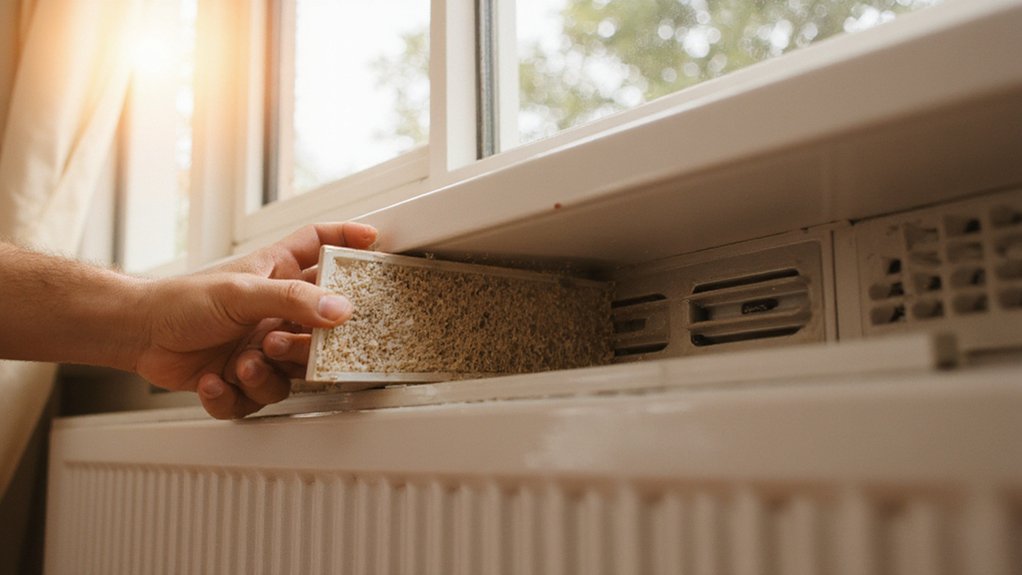
Clean airflow is one of the simplest ways to help your heating system perform well.
Start by checking the type of filter your system uses. Common options include fiberglass, pleated, and HEPA filters. Follow the manufacturer's recommendations, but most filters should be checked every month and replaced every one to three months, depending on how often your system runs.
A dirty filter forces your heating system to work harder, which can increase energy use and reduce indoor comfort.
While replacing the filter, clean the air vents around your home. Dust, pet hair, and debris can build up over time and restrict airflow. A vacuum with a brush attachment usually works well for removing surface dust.
Take a quick look around each vent to make sure furniture, curtains, rugs, or storage boxes aren't blocking the flow of warm air. Keeping vents clear allows heat to circulate more evenly throughout your home.
Book a Professional Inspection for Your Heating System
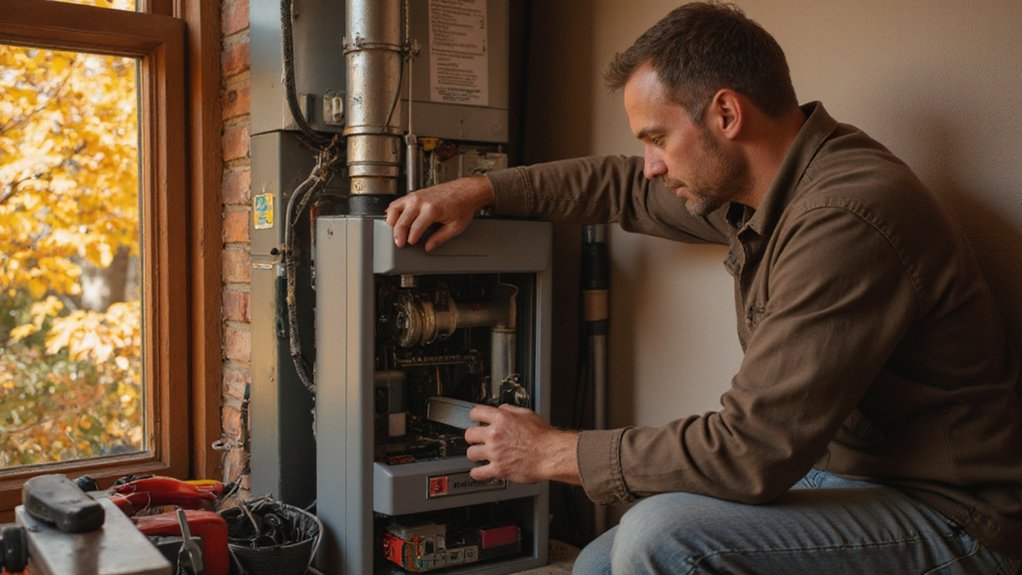
Even if everything appears to be working properly, scheduling a professional inspection before winter is still a smart step.
During a maintenance visit, a technician will inspect the heating system for worn parts, leaks, corrosion, and other signs of wear. They'll also clean components where needed and confirm the system is operating safely and as intended.
Safety checks often include inspecting gas lines, checking the exhaust system, and testing carbon monoxide protection if your home uses gas heating equipment.
Routine inspections help reduce the chance of unexpected breakdowns during the coldest part of the year. They can also extend the life of your heating system by catching small problems before they become larger repairs.
Booking an inspection before the busy winter season often gives you more appointment options and extra peace of mind.
Optimize Your Thermostat for Heating Efficiency
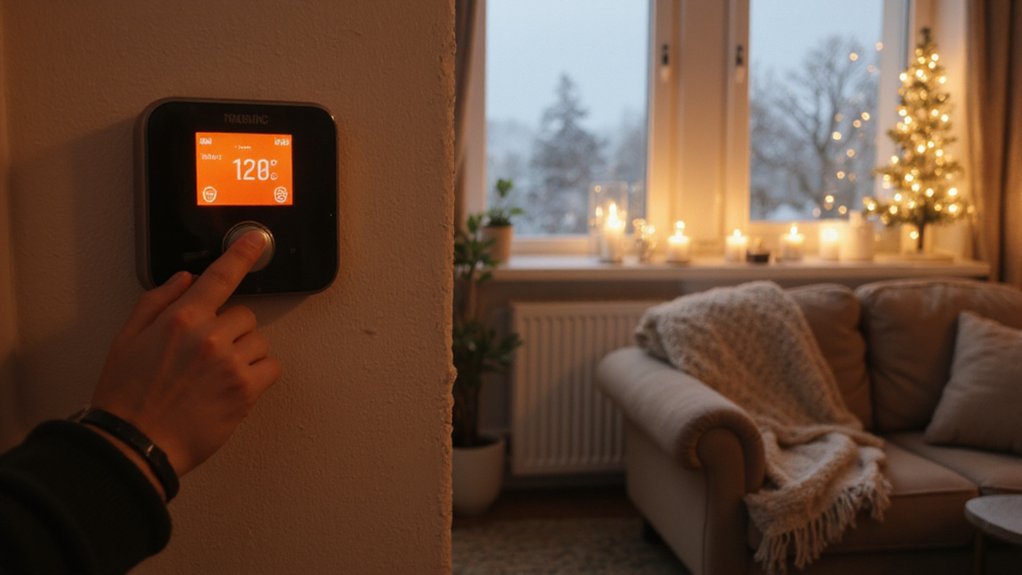
Your thermostat has a bigger impact on heating costs than many homeowners realize.
If you have an older thermostat, upgrading to a smart thermostat can make temperature control much easier. Many models learn your schedule and automatically adjust temperatures throughout the day.
If your thermostat has programmable settings, create a schedule that matches your routine. Lower the temperature while you're sleeping or away from home, then have it warm the house shortly before you wake up or return.
Thermostat placement also matters. Keep it away from direct sunlight, fireplaces, windows, or drafty areas that could cause inaccurate temperature readings.
Review your settings from time to time as outdoor temperatures change during the season. Small adjustments can improve comfort without increasing energy use.
Insulate Your Home for Better Heating Efficiency
Even the best heating system has to work harder if warm air is constantly escaping from your home.
Begin by checking the attic, walls, and crawl spaces for areas where insulation may be missing or damaged. Materials such as fiberglass batts or spray foam can help reduce heat loss and improve indoor comfort.
Windows and doors are also common sources of drafts. Add weatherstripping around doors and use caulk to seal small gaps around window frames.
Don't overlook the foundation, utility openings, and areas where pipes or cables enter your home. Sealing these small openings helps prevent cold air from entering and warm air from escaping.
Good insulation helps your heating system maintain a comfortable temperature with less effort, which can lower energy costs throughout the winter.
Frequently Asked Questions
How Often Should I Schedule Maintenance for My Heating System?
Most heating systems should be professionally serviced once a year, ideally before winter begins. Annual maintenance helps keep the system operating safely, improves performance, and can reduce the risk of unexpected repairs during colder months.
What Signs Indicate My Heating System Needs Immediate Repair?
Watch for unusual noises, inconsistent heating, burning smells, short cycling, or a thermostat that isn't responding properly. These warning signs may indicate a problem that should be inspected as soon as possible.
Can I Perform Heating System Maintenance Myself?
Homeowners can handle simple maintenance tasks like replacing air filters, cleaning vents, and checking for visible damage. Any repairs involving electrical components, gas lines, or internal parts should be left to a qualified technician.
What Type of Heating System Is Most Energy-Efficient?
High-efficiency heat pumps are among the most energy-efficient heating options available in many climates. Geothermal and solar-assisted systems can also provide excellent efficiency, depending on your home's location and installation requirements.
How Can I Reduce Heating Costs During Winter?
Lowering your thermostat slightly, replacing dirty filters, sealing air leaks, improving insulation, and scheduling regular maintenance can all help reduce heating costs while keeping your home comfortable.
Conclusion
Preparing your heating system before winter doesn't have to take much time, but it can make a noticeable difference once colder weather arrives.
Inspect your system, replace air filters, clean your vents, and schedule a professional inspection before temperatures drop. Pair these steps with proper insulation and smart thermostat settings to help your heating system run more efficiently throughout the season.
A little preparation now can help you stay warm, lower energy costs, and avoid unexpected heating problems when you need your system the most.

other blog posts
The Importance of Regular HVAC Maintenance
The Benefits of Upgrading to an Energy-Efficient HVAC System
How Regular HVAC Maintenance Saves You Money and Extends System Life
Ready to Enhance Your Comfort
Contact us today to schedule your service, learn about energy-saving rebates, and feel comfortable in your home all year round.

