
 CALL US
related posts
What Are the Benefits of a Smart Thermostat?

A smart thermostat can make a noticeable difference in how your home feels day to day. It quietly adjusts to your routines, keeps temperatures where you like them, and helps cut down on wasted energy. Over time, that can mean lower bills and a more comfortable space without constant manual changes.
So what actually makes these devices stand out from traditional thermostats? Let’s walk through how they work and what you can expect if you bring one into your home.
Key Takeaways
- Smart thermostats learn your habits and adjust temperatures automatically
- They can lower energy use and reduce monthly bills
- You can control them from anywhere using a phone or tablet
- Simple controls like touchscreens and voice commands make them easy to use
- Built-in alerts help you stay on top of HVAC maintenance
Enhancing Home Comfort With Smart Thermostats

A smart thermostat does more than adjust temperature. It pays attention to how you live.
Over time, it starts to recognize patterns. Maybe you like the house cooler at night, or warmer in the morning. Instead of setting those changes manually every day, the system begins to handle it on its own.
You can also create different settings for different times. For example, you might want one temperature while working from home and another while relaxing in the evening. Once those preferences are set, the thermostat keeps things consistent without much effort from you.
Many models come with mobile apps, so you can check or adjust settings even when you are not at home. That small bit of control can make a big difference, especially when your schedule changes unexpectedly.
In the end, it creates a space that feels steady and comfortable without constant tweaking.
Energy Savings From Smart Thermostats

Comfort is one side of the story. Energy savings is the other.
Smart thermostats reduce unnecessary heating and cooling by adjusting temperatures based on your routine. If no one is home, the system eases off. When you are about to return, it brings things back to your preferred level.
That simple shift can cut energy use by a noticeable amount and improve overall energy efficiency. Many households see savings of up to 15 percent on their energy bills.
Another helpful feature is usage tracking. You can see how much energy you are using and when. That makes it easier to spot patterns, like running the AC too long during the day or heating an empty home.
With a few small adjustments, those patterns can change, and the savings add up over time.
How Do Smart Thermostats Adjust Energy Use?
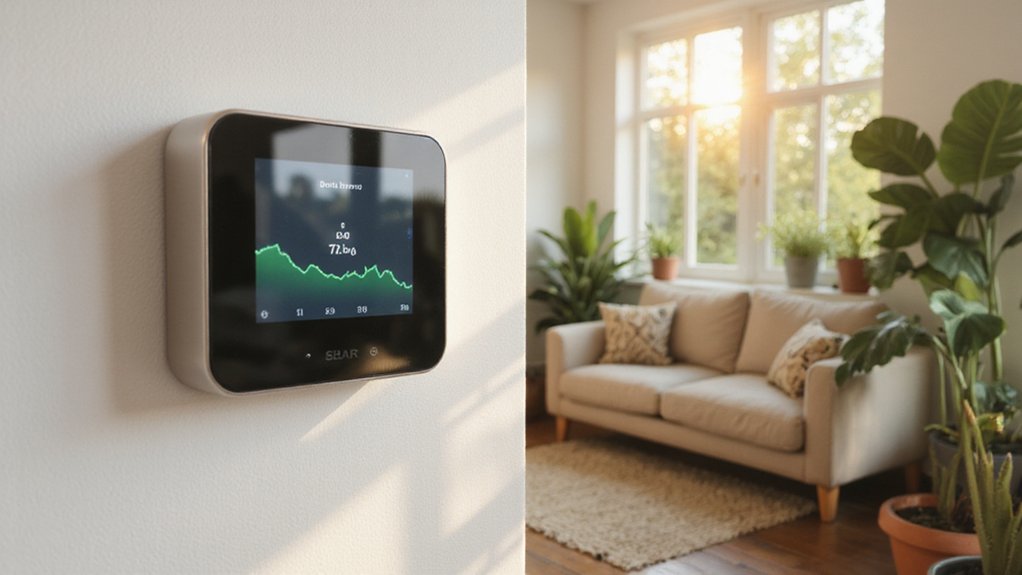
Smart thermostats rely on a mix of learning and automation to manage energy use. Instead of sticking to a fixed schedule, they adjust based on how you actually live.
Adaptive Learning in Everyday Use
Once installed, the thermostat starts observing your habits. It tracks when you are home, when you leave, and how you set temperatures during the day.
After a short period, it begins making its own adjustments. For example, it might lower the temperature when you leave for work and warm things up just before you return.
It keeps refining these patterns over time. Seasonal changes, weekend routines, and lifestyle shifts all get factored in.
You do not have to keep updating settings. The system keeps learning and adjusting quietly in the background.
Remote Temperature Control
Being able to control your thermostat from anywhere is one of its most practical features.
If you leave home and forget to adjust the temperature, you can fix it in seconds using your phone. If your plans change and you are heading home earlier than expected, you can make sure the house is comfortable before you arrive.
This kind of control helps avoid wasted energy. It also gives peace of mind, especially when you are away for longer periods.
Energy Usage Reports
Smart thermostats often include detailed reports that show how your system is being used.
You can see when energy use spikes and what settings might be causing it. Over time, this gives you a clearer picture of your habits.
Some systems even suggest small changes, like adjusting temperatures during certain hours. These suggestions are usually simple but can lead to steady savings.
The more you understand your usage, the easier it becomes to manage it.
Controlling Your Smart Thermostat Remotely

Remote control adds a level of convenience that traditional thermostats cannot match.
Convenient Mobile Access
With a mobile app, your thermostat is always within reach. Whether you are at work, traveling, or just in another room, you can adjust settings quickly.
You can also receive alerts if something changes, like a sudden temperature drop or a system issue. That keeps you informed without needing to check constantly.
Monitoring Energy Use
The app usually includes a dashboard that shows how much energy you are using.
You can track changes over time and see how different settings affect your usage. This makes it easier to spot habits that may be costing more than expected.
Small changes, like adjusting the temperature by a degree or two, can make a noticeable difference when done consistently.
Custom Temperature Settings
You are not limited to one setting for the entire day.
You can create schedules that match your routine. For example, cooler temperatures at night, warmer in the morning, and reduced use when the house is empty.
All of this can be adjusted remotely. So even if your day does not go as planned, your home can still stay comfortable without wasting energy.
How Smart Thermostats Work With Other Smart Devices

A smart thermostat becomes more useful when it connects with other devices in your home.
It can sync with smart lights, security systems, and voice assistants. When everything works together, daily routines feel smoother.
For example, when you leave the house, your system can lower the temperature and turn off the lights at the same time. When you return, everything can switch back automatically.
You can also set routines based on time or activity. Morning routines, bedtime settings, or even weather-based changes can all be handled without manual input.
This kind of setup turns your home into a connected system rather than a group of separate devices.
Eco-Friendly Advantages of Smart Thermostats

Using less energy does more than lower your bills. It also reduces the strain on natural resources.
Smart thermostats help by cutting down on unnecessary heating and cooling. They avoid running systems when no one is home and keep temperatures within a reasonable range.
Over time, this leads to lower energy use overall. That means fewer emissions and less reliance on energy sources that impact the environment.
Many homeowners appreciate this side benefit. It is a simple way to make everyday living a bit more mindful without changing habits too much.
Simple Controls: Touchscreens and Voice Commands

Modern smart thermostats are designed to be easy to use, even if you are not tech-savvy.
Touchscreen Controls
Most models include a clear touchscreen display.
You can adjust temperature, view schedules, and check system status with just a few taps. The layout is usually simple, so you do not have to dig through menus to find what you need.
Some devices also allow you to customize the display, which makes it easier to focus on the settings you use most.
Voice Commands
Voice control adds another layer of convenience.
You can change the temperature without touching anything. This is especially useful when your hands are full or when you want to make quick adjustments from across the room.
It feels natural once you get used to it, and it saves time on small daily tasks.
Maintenance Alerts for Your HVAC System
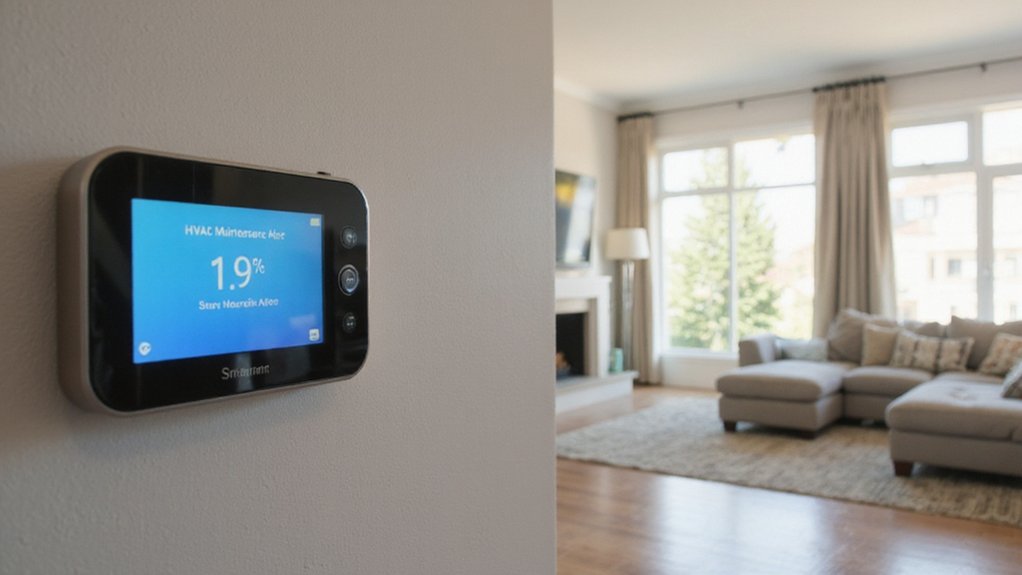
Keeping your HVAC system in good shape can be easy to overlook. Smart thermostats help by sending reminders and alerts.
If something is not working as expected, you get a notification. That gives you a chance to fix small issues before they turn into larger problems.
You will also receive reminders to change filters. This matters more than it might seem. Clean filters keep air quality better and help the system run smoothly.
These alerts take the guesswork out of maintenance and help extend the life of your system.
Smart Thermostats vs. Traditional Thermostats

The difference between smart and traditional thermostats is easy to notice once you compare them side by side.
Traditional thermostats rely on manual input. You set the temperature, and it stays there until you change it again. There is no learning or adjustment based on your routine.
Smart thermostats, on the other hand, adapt over time. They learn your habits, allow remote control, and provide detailed feedback on energy use.
They also connect with other devices, which adds another layer of convenience.
While traditional systems still get the job done, smart thermostats offer more control and flexibility in everyday use.
Choosing the Right Smart Thermostat for Your Home

Not every smart thermostat will be the right fit for every home.
Start by checking compatibility with your current heating and cooling system. Some setups may need extra wiring or a professional installation.
Next, think about which features matter most to you. Remote control, learning behavior, and app support are common options, but not every model includes everything.
Budget also plays a role. Prices vary, so it helps to balance cost with the features you will actually use.
Taking a little time to review these points can save frustration later and help you get the most out of your purchase.
Frequently Asked Questions
Can Smart Thermostats Work With Older HVAC Systems?
Yes, many can. You just need to check compatibility before buying. Some older systems may need an adapter or professional setup.
Do Smart Thermostats Require a Constant Internet Connection?
They work best with a stable connection. Without it, remote control and some automated features may not function properly.
Are Smart Thermostats Easy to Install?
Many models are designed for simple installation. If you are comfortable with basic wiring, you can usually handle it yourself. If not, a technician can set it up for you.
What Happens During a Power Outage?
The thermostat will stop working temporarily but keeps its settings. Once power returns, it reconnects and resumes normal operation.
How Secure Is the Data?
Most devices use secure connections to protect your data. Keeping the system updated helps maintain that security.
Conclusion
A smart thermostat brings together comfort, control, and energy savings in a way that feels natural once it is in place.
It learns your habits, adjusts temperatures without constant input, and helps reduce unnecessary energy use. At the same time, it gives you control from anywhere, which adds convenience to daily life.
When combined with other smart devices, it becomes part of a connected home setup that runs more smoothly.
Choosing the right model takes a bit of planning, but once installed, it can make your home feel more comfortable while keeping energy use in check.

other blog posts
Is a Heat Pump Worth It for Homes in Cold Weather?
Why Is My Furnace Blowing Cold Air?
How Can I Lower My Heating and Cooling Bills?
Ready to Enhance Your Comfort
Contact us today to schedule your service, learn about energy-saving rebates, and feel comfortable in your home all year round.

