 CALL US
related posts
Is a Heat Pump Worth It for Homes in Cold Weather?

If you live somewhere with real winters, you’ve probably asked this already. Can a heat pump actually keep a house warm when it’s freezing outside? Short answer: yes, but it depends on a few things.
Heat pumps don’t make heat the way a furnace does. They move it. That’s where the savings come from. But cold weather can push them harder, and in some cases, they’ll need backup help. Before you decide, it’s worth knowing how they work, where they shine, and where they struggle.
Key Takeaways
Heat pumps can heat a home even when it’s cold outside by pulling heat from the air.
They usually cost less to run than furnaces, which helps lower energy bills.
Newer models handle winter weather better than older ones.
They’re cleaner to run than fuel-based systems.
Your climate, system rating, and install cost all matter before committing.
How Heat Pumps Actually Work
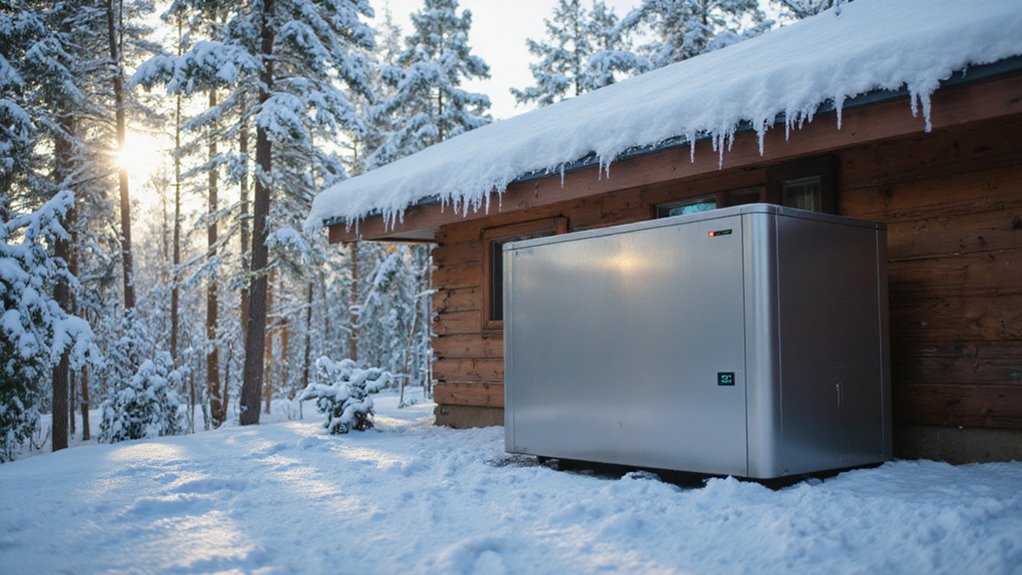
A lot of people think heat pumps only make sense in warm areas. That’s not really true.
A heat pump uses a few main parts: a compressor, an evaporator, a condenser, and an expansion valve. Together, they move heat from one place to another. In winter, that means pulling heat from outside air and bringing it inside.
Even when it’s cold, there’s still heat in the air. It’s weaker, sure, but it’s there. The refrigerant inside the system absorbs that heat, changes form, and releases it inside your home. The colder it gets, the harder the system has to work, but it doesn’t just stop functioning.
Why Heat Pumps Still Work in Cold Weather
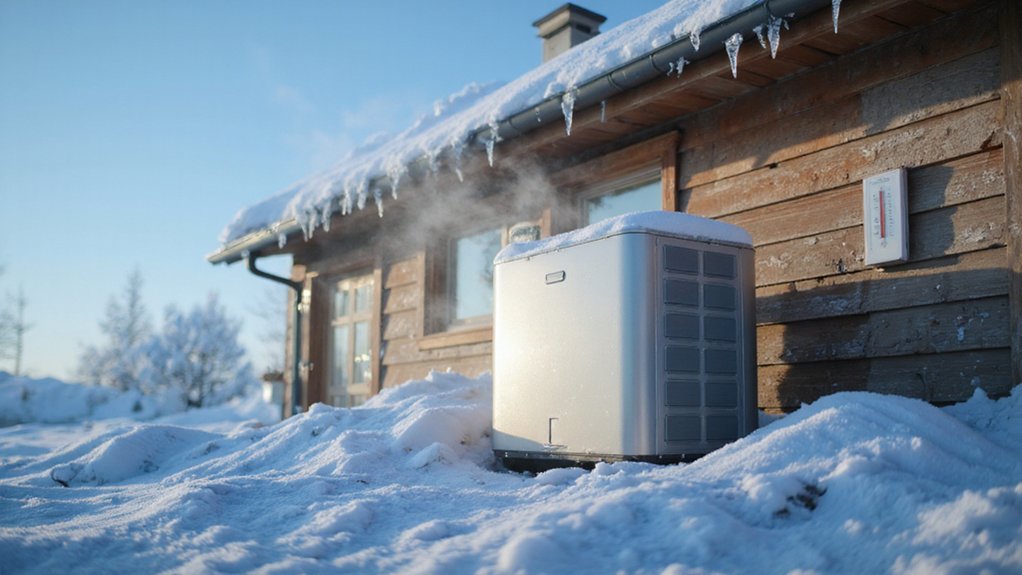
Here’s the part that surprises most people. Heat pumps don’t need warm air. They just need air that’s warmer than the refrigerant inside the system.
The refrigerant absorbs heat from outside air, even when temperatures drop well below freezing. Once that refrigerant turns into a gas, the compressor raises its temperature. That heat gets released inside through the indoor coil.
Older heat pumps struggled more in deep cold. Newer systems are built to adjust how the refrigerant moves so they can keep pulling heat even when winter hits hard. They’re not magic, but they’re a lot better than they used to be.
Why Some Homeowners Choose Heat Pumps in Cold Areas
One big reason is the energy bill. Since heat pumps move heat instead of creating it, they usually use less energy than furnaces.
They also keep temperatures steady. No blasting hot air, then cooling off. Just a more even warmth throughout the house.
There’s also the environmental side. Heat pumps run on electricity, not gas or oil. That means fewer emissions and less dependence on fuel deliveries. If lowering your home’s impact matters to you, that’s a real plus.
Where Heat Pumps Struggle in Winter
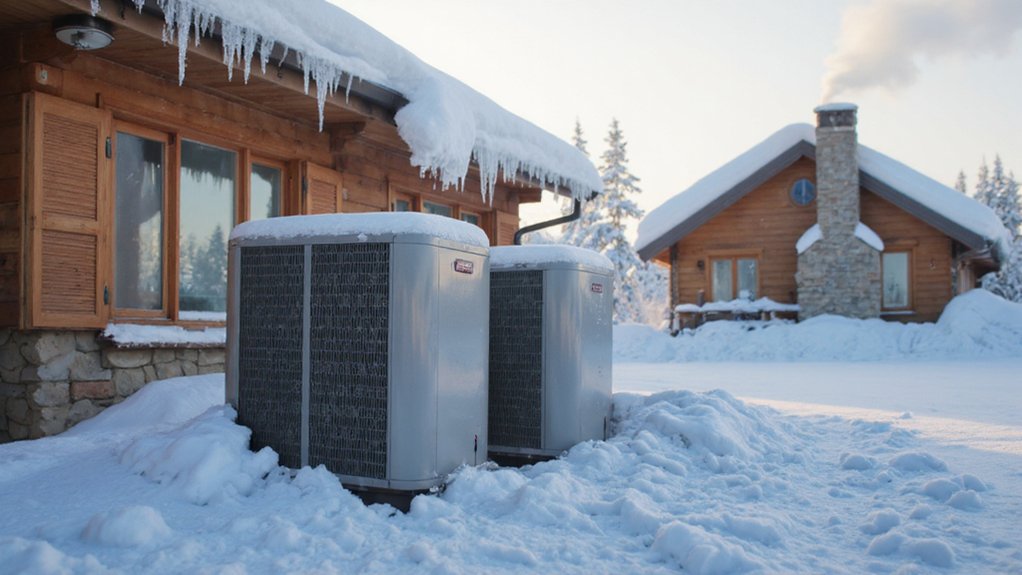
Now for the honest part. Heat pumps aren’t perfect in winter.
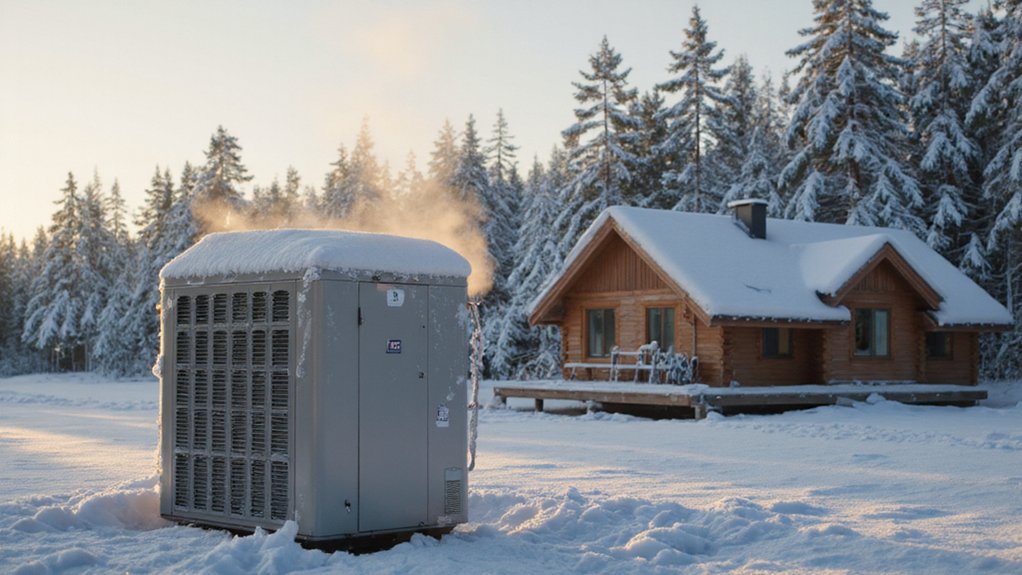
Outdoor units can collect frost. When that happens, the system runs a defrost cycle to melt the ice. During that time, heating output drops. You’ll still have warmth, but it may not feel as strong for a short period.
Extreme cold is another challenge. When temperatures drop very low, there’s just less heat available in the air. At that point, many systems switch to backup heat, often electric resistance heating. That works, but it costs more to run.
Knowing this upfront helps avoid surprises later.
Heat Pumps vs Traditional Heating Systems

Heat pumps and furnaces solve the same problem in different ways.
Heat pumps move heat, which usually means lower running costs. But they lose efficiency in very cold weather.
Furnaces create heat directly. They’re reliable no matter how cold it gets, but they burn more energy and usually cost more to operate.
Maintenance is another factor. Furnaces often need fuel checks and more frequent servicing. Heat pumps tend to be simpler day to day.
What works best depends on where you live, how cold your winters get, and how much you’re paying for energy.
What to Think About Before Installing a Heat Pump
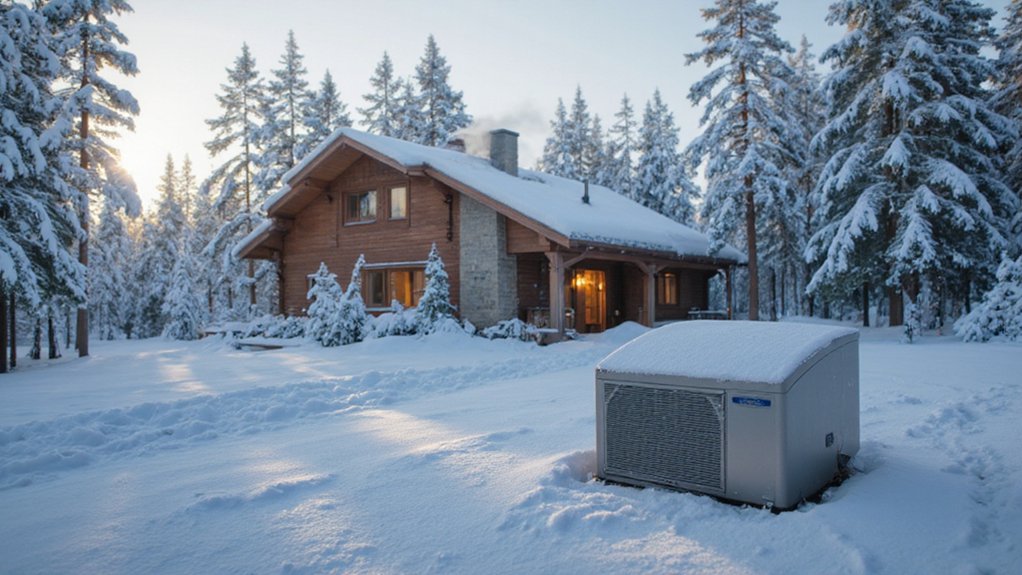
Before you commit, a few things really matter.
Climate Matters More Than You Think
If your winters are cold but not brutal, a heat pump can work well most of the season. If you deal with long stretches of extreme cold, expect the system to rely on backup heat more often.
Look at your average winter temperatures, not just the worst days. Cold snaps matter, but daily conditions matter more.
Energy Ratings Tell You a Lot
Check the system’s efficiency ratings before buying.
Energy Star-certified models meet higher efficiency standards. SEER ratings show cooling efficiency, while HSPF ratings show how well the system heats over a full season. Higher numbers usually mean lower operating costs.
These ratings help you compare systems side by side without guessing.
Installation Costs Add Up
Heat pump prices vary based on the type you choose. Air-source systems usually cost less than ground-source ones. Ductless setups fall somewhere in between.
Your home’s size, existing ductwork, and local labor costs all affect the final price. You might also need electrical upgrades or permits. Those costs don’t always show up in the first estimate, so it’s smart to ask.
Frequently Asked Questions
How long do heat pumps last in cold climates?
Most last fifteen to twenty years. Regular maintenance makes a big difference, especially in colder regions.
What winter maintenance do they need?
Keep filters clean, clear snow and ice from the outdoor unit, and schedule a professional checkup. Simple steps go a long way.
Can you install one in an older home?
Yes. Some homes need adjustments, but many systems are designed for retrofits without major renovations.
Are there rebates or tax credits?
Often, yes. Local and federal programs can help lower upfront costs. It’s worth checking what’s available in your area.
Do heat pumps affect home insurance?
Some insurers see them as lower fire risk than fuel-based systems, which can help reduce premiums over time.
Final Thoughts
A heat pump can be a solid choice for cold-weather homes, but it’s not a one-size-fits-all answer. They save energy, run cleaner, and work better in winter than many people expect. Still, extreme cold can push them to rely on backup heat.
If you match the system to your climate and budget, a heat pump can keep your home comfortable without the shock of high energy bills. That’s what really matters at the end of the day.

other blog posts
How Do I Know If My Heat Pump Needs Repair?
The Importance of Regular HVAC Maintenance
Why Does My HVAC System Keep Increasing My Energy Bills?
Ready to Enhance Your Comfort
Contact us today to schedule your service, learn about energy-saving rebates, and feel comfortable in your home all year round.

