
 CALL US
related posts
How Often Should HVAC Systems Be Serviced to Avoid Costly Repairs?
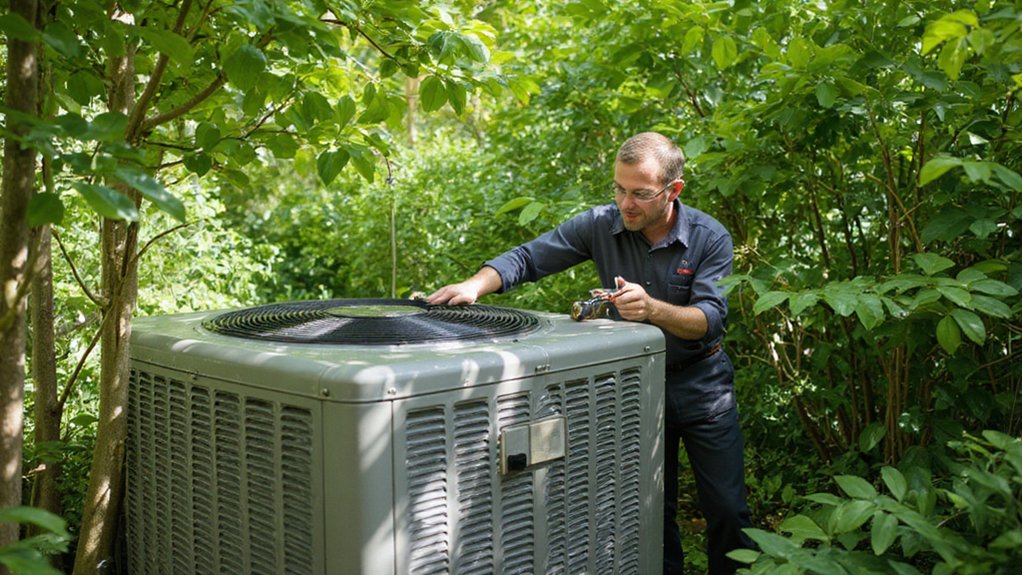
Skipping HVAC maintenance feels harmless. Everything’s working, the house feels fine, and calling a technician doesn’t seem urgent. Then one day, the system quits during the hottest or coldest week of the year. Repairs aren’t cheap, and suddenly that skipped service doesn’t look like such a good idea.
So how often should you really service your HVAC system? Short answer: often enough to catch problems before they turn expensive.
Key Takeaways
Here’s the quick version if you’re short on time. Your HVAC system needs regular attention to stay reliable.
You should schedule professional service twice a year, once before cooling season and once before heating season. Change air filters every one to three months. Pay attention to strange noises, weak airflow, or uneven temperatures. Keep the outdoor unit clean and clear so air can move freely.
Those small habits make a big difference.
Importance of Regular HVAC Maintenance
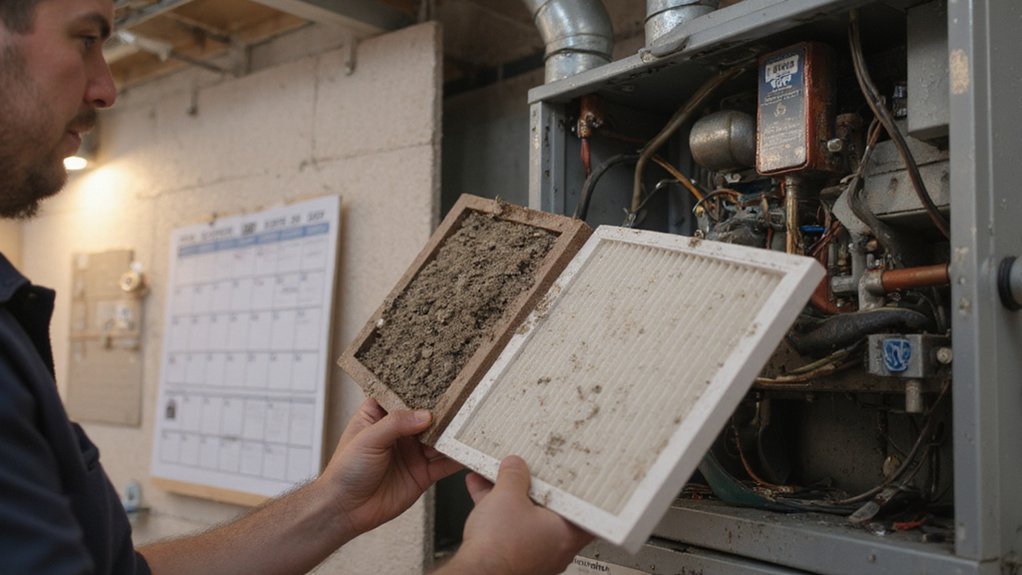
It’s easy to assume your HVAC system will just keep running on its own. Sometimes it does. Other times, small issues quietly build up until something breaks.
Regular maintenance keeps the system running the way it should. Filters get dirty. Electrical connections loosen. Refrigerant levels drop. None of this fixes itself.
When those things go unchecked, the system works harder than it needs to. That means higher energy bills and more wear on parts that aren’t cheap to replace.
Routine service catches these problems early. A loose wire or dirty coil is a simple fix during a checkup. Left alone, it can lead to a breakdown that shuts everything down. Regular care helps your system last longer and keeps your home comfortable without surprises.
Recommended Service Frequency for HVAC Systems

Most homes do best with HVAC service twice a year. One visit before summer starts and another before winter kicks in.
These seasonal checkups prepare the system for heavy use. During service, technicians inspect key parts, clean coils, check refrigerant levels, and test safety controls. It’s all about making sure things work before the system is under stress.
Filters matter too. A dirty filter restricts airflow and makes the system work harder. Check it monthly and replace it every one to three months, depending on usage, pets, and allergies.
Sticking to this schedule helps prevent sudden failures and keeps the system running smoothly when you need it most.
Signs Your HVAC System Needs Immediate Attention
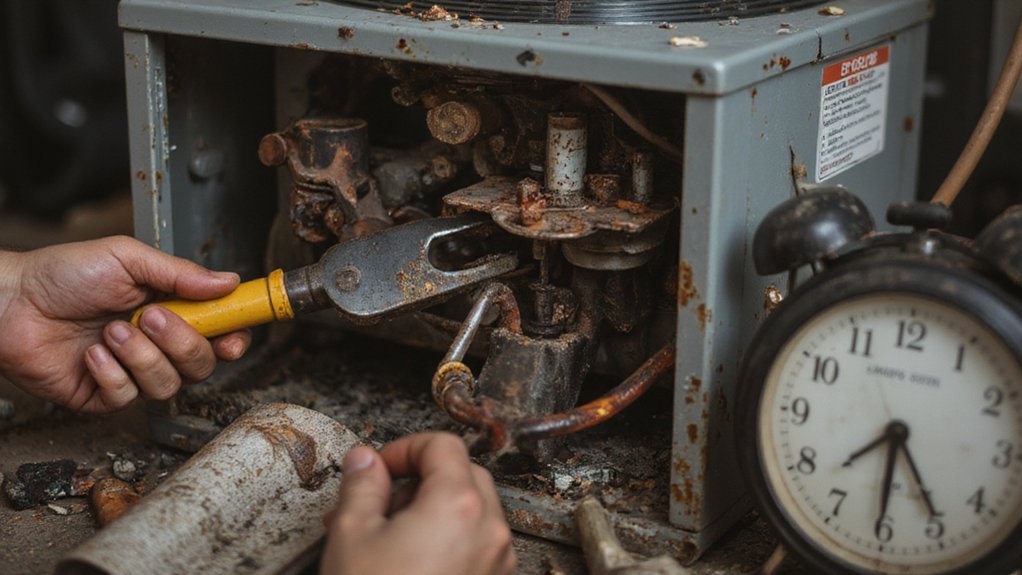
Some problems don’t wait for the next service visit. Your system usually gives warning signs if something’s wrong.
Strange noises are a big one. Grinding, rattling, banging, or hissing sounds aren’t normal. Weak airflow is another red flag. If air barely comes out of the vents, something’s blocking or failing.
Uneven temperatures can also signal trouble. One room feels fine while another never gets comfortable. Long run times are another clue. If the system runs nonstop and still struggles, it’s time to check it out.
And watch your energy bills. A sudden spike without a clear reason often means the system isn’t running efficiently. Catching these issues early can save you from a much larger repair later.
Benefits of Routine HVAC Maintenance

Regular HVAC maintenance pays off in more ways than people expect.
First, it helps keep energy costs in check. A clean, well-maintained system doesn’t have to work as hard to heat or cool your home. That shows up on your utility bill.
It also helps avoid breakdowns. Most major failures start as small problems. Routine service spots them early, before parts fail completely.
There’s also comfort to consider. Clean filters, coils, and ducts improve airflow and indoor air quality. The system runs more evenly, and your home feels better overall.
Over time, this kind of care adds up to fewer repairs, a longer system life, and less stress when the weather gets extreme.
Tips for Keeping Your HVAC System in Top Shape
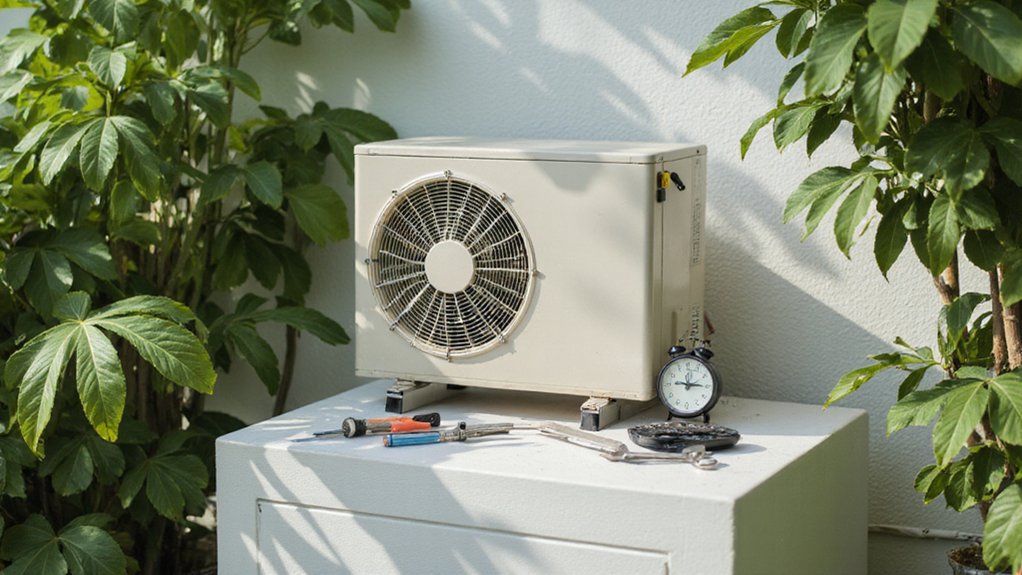
Keeping your HVAC system in good shape doesn’t require much effort, just consistency.
Schedule seasonal checkups with a qualified technician. These visits catch problems early and keep everything running safely.
Stay on top of filter changes. This one’s simple but often ignored. Dirty filters block airflow and strain the system. Set a reminder if you need to.
Keep the outdoor unit clear. Leaves, dirt, and debris restrict airflow and hurt performance. Inside, make sure vents aren’t blocked by furniture or rugs.
Finally, keep an eye on your thermostat settings. Sudden changes or extreme settings can put extra stress on the system.
Frequently Asked Questions
Can I Service My HVAC System Myself?
You can handle basic tasks like changing filters and keeping the unit clean. That helps. Anything involving electrical parts, refrigerant, or internal components should be left to professionals. Safety matters.
What Tools Are Needed for HVAC Maintenance?
Basic maintenance only requires simple tools. Professional service involves specialized equipment like multimeters, refrigerant gauges, and vacuum pumps. Most homeowners don’t need these.
How Long Does an HVAC Service Take?
Most service visits take about one to two hours. Systems that haven’t been maintained in a while may take longer. Regular service usually keeps visits quick and straightforward.
Are There Seasonal Considerations for HVAC Servicing?
Yes. Service before summer and winter is best. These checks prepare the system for heavy use and help prevent breakdowns during extreme temperatures.
Will Regular Maintenance Void My HVAC Warranty?
No. In fact, many warranties require regular maintenance. Skipping service can cause problems if a claim is tied to neglect.
Final Thoughts
HVAC systems don’t fail out of nowhere. Most problems build up over time. Servicing your system twice a year, replacing filters regularly, and paying attention to warning signs can save you a lot of money and frustration.
Take care of the system now, and it’s far more likely to take care of you when you need it most.

other blog posts
What Size Heat Pump Do I Need?
When to Repair vs. Replace Your HVAC System: A Real-World Guide for Homeowners
Why Does My HVAC System Keep Increasing My Energy Bills?
Ready to Enhance Your Comfort
Contact us today to schedule your service, learn about energy-saving rebates, and feel comfortable in your home all year round.

