
 CALL US

related posts
How Do Installers Determine the Right Heat Pump Size?

When installers determine the right heat pump size, they don't simply look at the square footage of a home and choose a unit from a chart. A proper assessment takes several details into account, including room dimensions, insulation, ceiling height, home layout, airflow, and local weather conditions.
Each of these factors affects how much heating or cooling a home needs. If one is overlooked, the selected system may not perform as expected. A unit that is too small can struggle during extreme weather, while one that is too large may switch on and off too often.
Getting the size right helps maintain steady indoor temperatures while keeping energy use under control. That is why installers spend time assessing the home before recommending a particular heat pump capacity.
Key Takeaways
- Installers assess room sizes and the overall layout of the home when calculating heating and cooling requirements.
- Insulation affects how much heat enters or leaves the home, making it an important part of the sizing process.
- Local weather conditions help determine the heating and cooling capacity needed during seasonal temperature extremes.
- Ceiling height, open floor plans, doors, and room placement can affect how air moves through the home.
- Professional installers use load calculations and equipment selection tools to determine a suitable heat pump size.
- Correct sizing can help reduce unnecessary energy use and provide more consistent indoor comfort.
Why Proper Heat Pump Sizing Matters for Your Home's Comfort
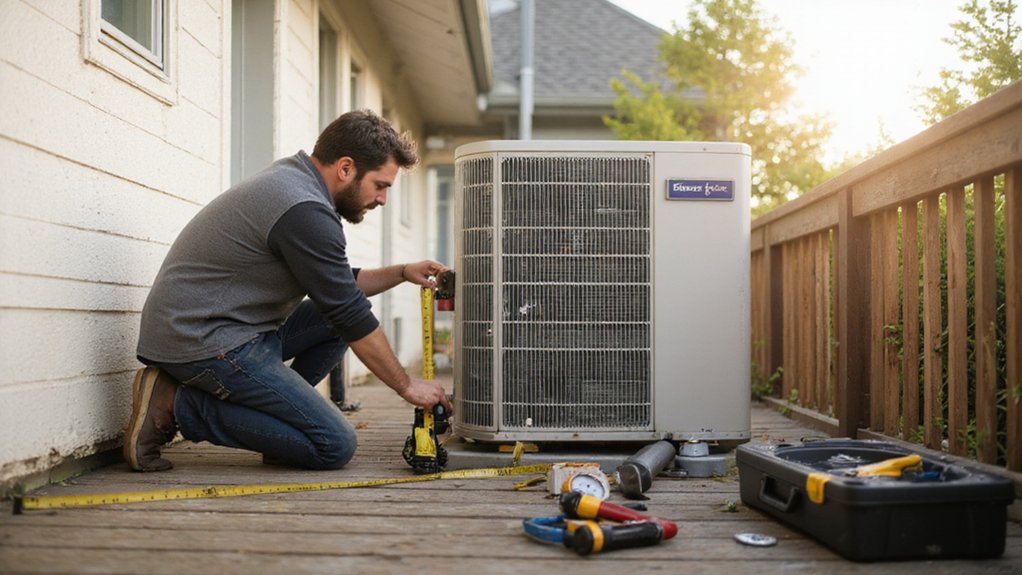
Choosing the right heat pump size has a direct effect on how comfortable your home feels throughout the year. The goal is not simply to install the biggest unit available. The system needs to match the heating and cooling needs of the property.
A heat pump that is too small may run for long periods while struggling to reach the temperature set on the thermostat. During very hot or cold weather, the problem can become more noticeable. Rooms may take longer to reach a comfortable temperature, and the system may need to work harder than expected.
An oversized unit can create a different set of problems. It may reach the thermostat setting quickly and switch off before properly conditioning the space. Frequent cycling can affect comfort and may lead to uneven temperatures between rooms.
Installers look at details such as floor area, insulation, ceiling height, windows, doors, and local weather conditions to estimate the home's heating and cooling load. These calculations give them a better basis for choosing equipment than square footage alone.
A correctly sized heat pump can provide steadier temperature control and help keep energy use within a reasonable range.
Essential Factors for Accurate Heat Pump Sizing
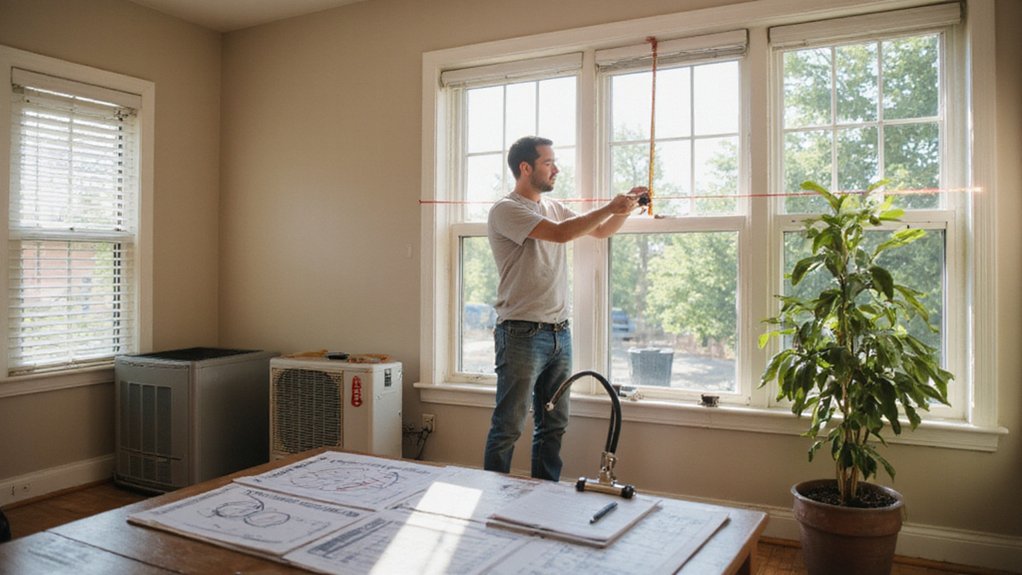
Sizing a heat pump involves looking at several parts of the home rather than relying on one measurement. Two homes with the same floor area can have very different heating and cooling requirements.
Insulation, room dimensions, ceiling height, windows, home orientation, and local weather all play a part. Installers consider these details when calculating the amount of heating or cooling the property needs.
Home Size Considerations
The size and layout of the home provide a starting point for the sizing calculation. Installers measure rooms and consider how much air needs to be heated or cooled.
Room dimensions matter because larger spaces generally require more capacity than smaller ones. Ceiling height also needs to be considered. A room with a high ceiling contains more air than a room with a standard ceiling, which can affect the heating and cooling requirement.
An open floor plan can change the way conditioned air moves between rooms. When several areas are connected, air may circulate more freely. A home with many separate rooms can have a different airflow pattern.
Windows and exterior doors are also part of the assessment. Their size, location, and construction can affect heat gain and heat loss.
Rather than treating the entire property as one simple space, installers look at how these individual characteristics work together. This helps them select equipment that is suited to the actual needs of the home.
Insulation Quality Assessment
Insulation has a major effect on how quickly a home gains or loses heat. That makes it an important part of any heat pump sizing assessment.
Different insulation materials, including fiberglass, cellulose, and spray foam, provide different levels of thermal resistance. The R-value is used to describe that resistance. A higher R-value generally means the material provides greater resistance to heat flow.
Installers may inspect insulation in areas such as attics, walls, and floors. They also look for conditions that could reduce its performance, including gaps, compression, moisture damage, or areas where insulation is missing.
A well-insulated home may require less heating or cooling capacity than a similar home with poor insulation. If the condition of the insulation is ignored, the sizing calculation may not reflect the home's actual needs.
How Your Home Layout Influences Heat Pump Sizing
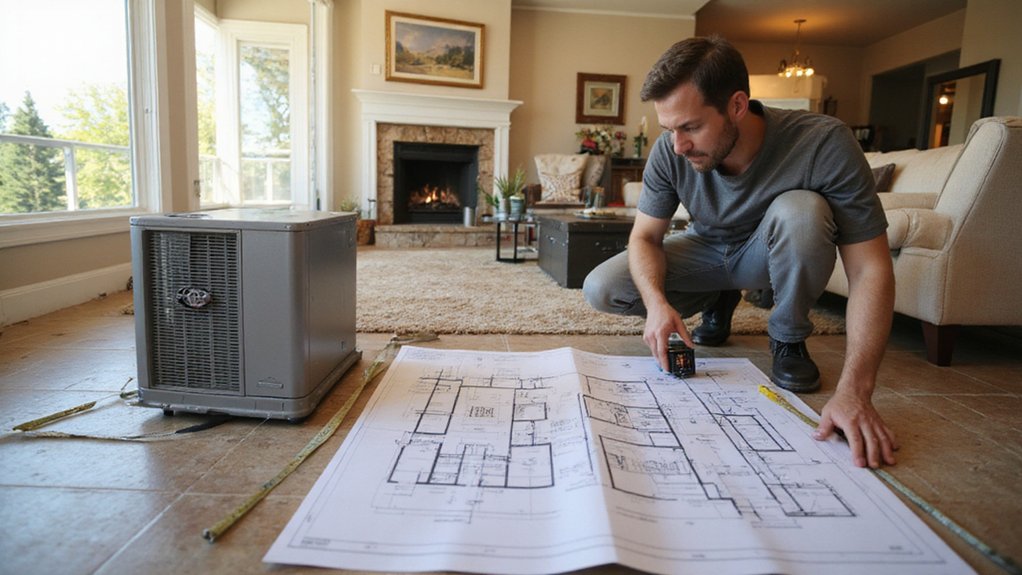
The layout of your home affects how heated or cooled air moves from one area to another. That makes home layout another part of the heat pump sizing process.
An open-plan home may allow air to move between connected living areas more easily. A home with many separate rooms, narrow passages, or closed doors can have a different airflow pattern.
Room placement also matters. A bedroom at the end of a hallway may receive conditioned air differently from a large living room located near the indoor unit. Installers need to understand these differences when assessing the property.
Ceiling height can also affect the amount of air that needs to be conditioned. Higher ceilings increase the volume of a room, while lower ceilings reduce it.
Doors can influence airflow as well. When doors remain closed, air may have a harder time moving between rooms. This can contribute to temperature differences across the home.
The position of windows and exterior walls is another consideration. Rooms with more exposure to outdoor temperatures can experience greater heat gain or heat loss.
Looking at the complete layout gives installers a clearer picture of how the system will need to operate throughout the home.
How Local Weather Affects Your Heat Pump Size?

Local weather conditions have a direct effect on heat pump sizing. A system needs to provide enough heating and cooling when outdoor temperatures move toward seasonal extremes.
A home in a region with very cold winters may need more heating capacity than a similar property in an area with mild winters. The same applies to cooling. Homes in areas with very hot summers may have a greater cooling requirement.
Installers consider local climate information and seasonal temperature patterns when calculating the heating and cooling load. They are not simply looking at the average temperature for the year.
Extreme temperatures matter because they can place greater demand on the system. A heat pump that works well during mild weather also needs to cope with the conditions that create the highest heating or cooling demand.
Local weather can also affect how long a system needs to operate during certain seasons. This is another reason why using a standard size based only on floor area may produce an inaccurate result.
By including local climate conditions in the calculation, installers can select equipment that is better suited to the property and the weather it experiences.
Evaluating Insulation Quality for Heat Pumps
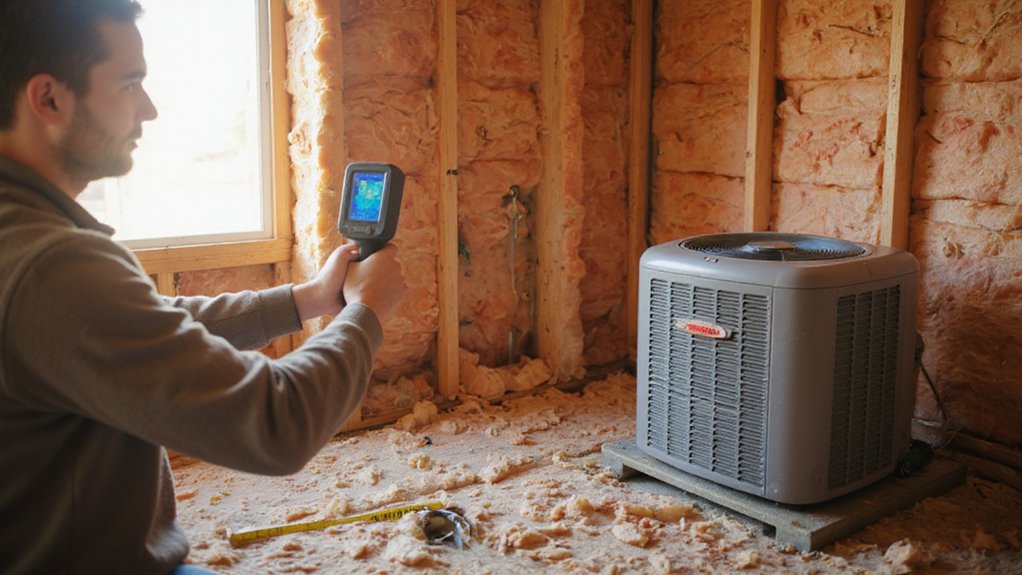
A closer look at insulation quality can help explain why two homes of the same size may need different heat pump capacities.
Fiberglass, cellulose, foam, and other insulation materials can provide different levels of resistance to heat flow. Their condition also matters. Insulation that has settled, become compressed, or been affected by moisture may not perform as expected.
The R-value provides a way to describe insulation's resistance to heat flow. Installers may also look beyond the stated R-value to identify gaps or areas where the insulation does not provide continuous coverage.
Air leaks can create another source of heat loss or heat gain. Small gaps around windows, doors, penetrations, and other parts of the building envelope can affect indoor temperatures.
Thermal bridging may also allow heat to move through parts of a building more easily than through insulated areas. These conditions can influence the home's heating and cooling load.
Insulation in the attic, walls, and floors all contributes to the overall thermal performance of the property. Looking at these areas helps installers build a more accurate picture of how much work the heat pump will need to do.
Common Mistakes to Avoid When Choosing Heat Pump Size
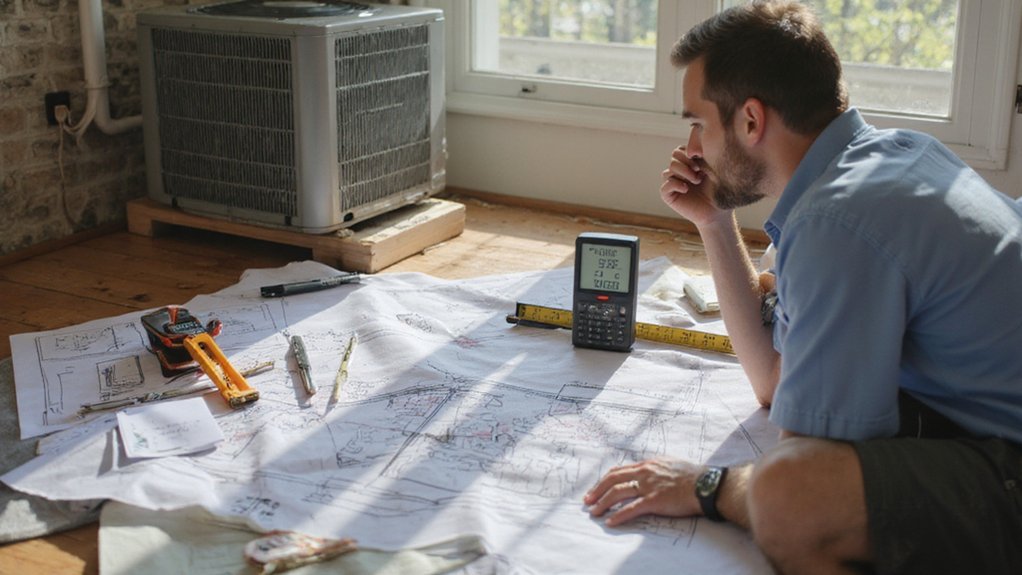
Heat pump sizing can go wrong when important details are left out of the assessment. Two common mistakes are overlooking insulation and failing to account for local climate conditions.
A system selected without considering these factors may not match the home's actual heating and cooling requirements.
Ignoring Home Insulation Quality
Poor or overlooked insulation can affect the sizing calculation in several ways.
If a home has areas with missing or damaged insulation, it may lose heat more quickly in winter and gain heat more quickly in summer. That changes the amount of heating or cooling the heat pump needs to provide.
The type of insulation also matters. Fiberglass, cellulose, and spray foam have different thermal properties. Installers may check the material, its condition, its thickness, and its placement.
Air leaks should also be considered. Even a home with a good amount of insulation can lose conditioned air through gaps around windows, doors, and other openings.
Ignoring these conditions can lead to a system being selected on the assumption that the home retains heat or cool air better than it actually does.
Before choosing a heat pump, installers can assess the insulation and identify areas that may affect the home's heat load. This gives the sizing calculation a more accurate starting point.
Overlooking Climate Considerations
The climate where you live is another detail that should not be left out of the sizing process.
A heat pump installed in an area with very cold winters has different heating demands from one installed in a region with mild winter temperatures. The same principle applies to cooling in areas that experience very hot summers.
Local climate information helps installers estimate how much capacity may be needed during periods of high demand. Seasonal temperature patterns can also show how frequently the system may need to operate under demanding conditions.
Ignoring climate conditions can result in a unit that is too small for the local weather or one that provides more capacity than the home needs.
Using local temperature information alongside the home's physical characteristics gives installers a clearer basis for selecting the equipment.
The Benefits of Professional Installation and Accurate Sizing
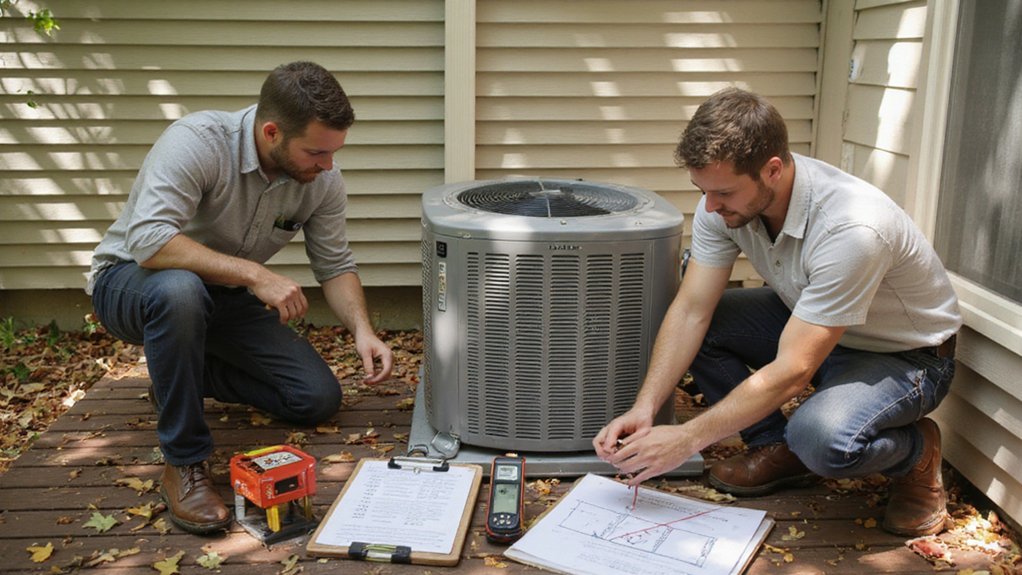
Professional heat pump installation can make a difference because sizing involves more than choosing equipment based on the home's floor area.
Installers can measure the property, assess insulation, consider the layout, review local climate conditions, and perform the required load calculations. They can then compare those results with available equipment.
Tools such as Manual J are commonly used to calculate heating and cooling loads. Equipment selection software can then help installers identify units that match those requirements.
Correct sizing can help prevent problems such as short cycling, inadequate heating, or insufficient cooling. It can also help the system maintain more consistent indoor temperatures.
Installation itself matters too. Even a properly sized heat pump may not perform as expected if it is installed incorrectly. Airflow, refrigerant-related work, electrical connections, ductwork where applicable, and system setup all need to be handled correctly.
Professional installers may also provide warranties and ongoing service options. These can be useful if the system needs maintenance or if an issue develops after installation.
Taking the time to size and install the system correctly can help the heat pump perform as intended while keeping comfort and energy use in balance.
Frequently Asked Questions
What Tools Do Installers Use for Heat Pump Sizing?
Installers may use Manual J load calculations to estimate the heating and cooling requirements of a home. They can also use equipment selection software to compare those requirements with the capacity of available heat pump models.
The calculation takes property details such as size, insulation, windows, doors, and local weather conditions into account.
How Long Does the Sizing Process Typically Take?
The amount of time needed depends on the property. A straightforward home may take a few hours to assess, while a larger or more complicated property can require more time.
Installers may need to measure rooms, inspect insulation, review the layout, collect information about windows and doors, and complete the required load calculations.
Can DIY Methods Accurately Size a Heat Pump?
DIY sizing can be difficult because several factors need to be assessed together. Using only the home's square footage may leave out insulation, windows, ceiling height, airflow, and climate conditions.
A professional assessment can reduce the chance of selecting a unit that is too large or too small for the property's actual requirements.
If you're unsure about the required capacity, an HVAC contractor can assess the home and help determine the appropriate heat pump size.
What Certifications Should Installers Have for Sizing?
Certifications such as NATE or HVAC Excellence can indicate that an installer has completed relevant training and testing.
When choosing an installer, it can also be useful to ask about their experience with heat pump load calculations and equipment selection. A qualified professional should be able to explain how the recommended size was determined.
How Often Should Heat Pump Sizing Be Reevaluated?
Heat pump sizing does not usually need to be recalculated on a fixed schedule if the home remains unchanged. It may be worth reassessing the heating and cooling load when major changes are made to the property.
Examples include adding insulation, replacing windows, changing the layout, adding an extension, or making other changes that affect the building envelope.
Changes in local weather patterns or the way the home is used may also be worth discussing with a professional if the system no longer appears to meet the property's needs.
Conclusion
Accurate heat pump sizing depends on much more than the size of a home. Installers look at insulation, room dimensions, ceiling height, windows, doors, layout, airflow, and local climate conditions to estimate the home's heating and cooling requirements.
A unit that is too small may struggle during periods of extreme weather. One that is too large may cycle too frequently and create uneven comfort.
Taking these factors into account gives installers a better basis for selecting the right equipment. Professional load calculations can also help prevent sizing mistakes before installation begins.
When the heat pump is properly sized and installed, it can provide more consistent indoor temperatures while keeping energy use under control. A careful assessment at the beginning can make a noticeable difference to how the system performs over time.

other blog posts
What Should I Do If My HVAC System Stops Working Suddenly?
Why Is My HVAC Blowing Weak Air?
Is Central AC or a Ductless Mini-Split Better for My Home?
Ready to Enhance Your Comfort
Contact us today to schedule your service, learn about energy-saving rebates, and feel comfortable in your home all year round.

