
 CALL US
related posts
Why Is My HVAC Blowing Weak Air?
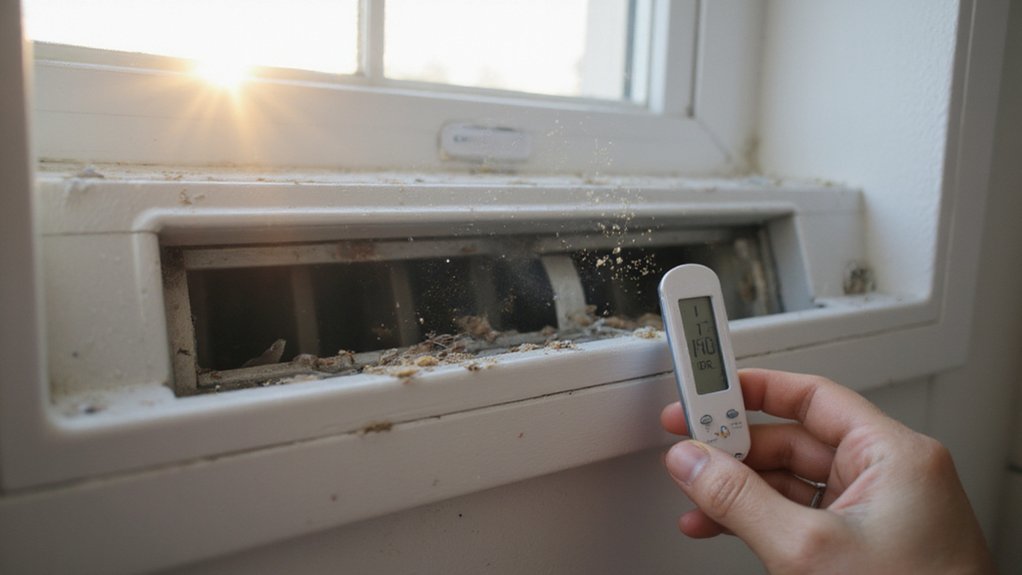
If your HVAC system is blowing weak air, it can quickly make your home feel uncomfortable. Airflow issues are more common than most people think, and they usually point to something that needs attention. Sometimes it’s a simple fix, like a clogged filter. Other times, the issue runs deeper, involving ductwork or system sizing.
The good news is that weak airflow rarely happens without a reason. Once you understand what’s behind it, you can take the right steps to fix it and keep your system running smoothly.
Key Takeaways
- Poor duct design or incorrect sizing can limit airflow across your home
- Dirty air filters are one of the most common causes of weak air
- Leaks or blockages inside ducts can disrupt proper air movement
- Thermostat problems can affect how your system performs
- Routine maintenance helps prevent airflow problems and keeps the system stable
Common Causes of Weak Airflow in HVAC Systems
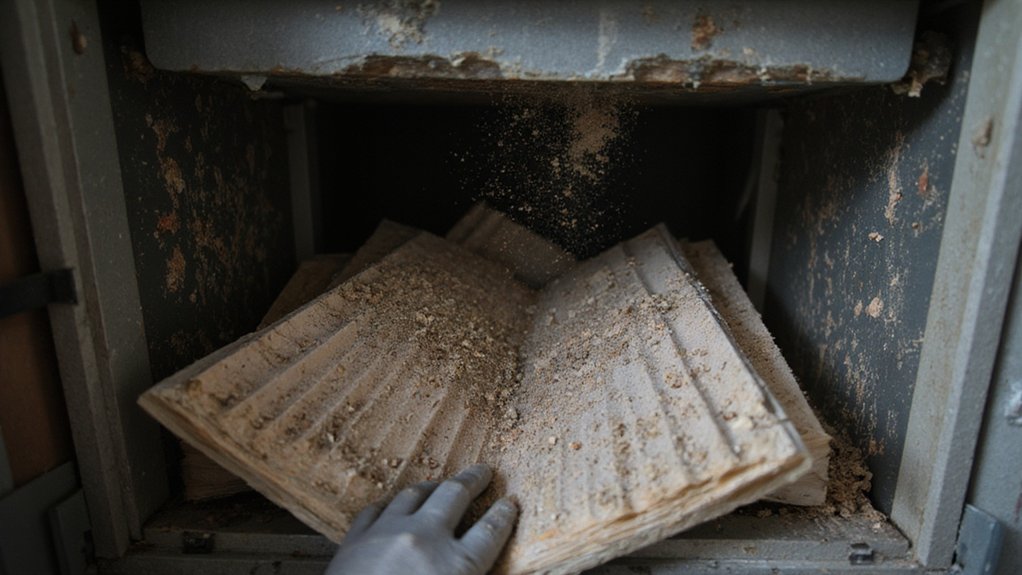
Weak airflow usually comes down to a handful of common issues. One of the biggest is duct sizing. If the ducts are too small, air struggles to move through them. That restriction reduces the amount of air reaching your rooms.
Leaks are another frequent problem. Even small gaps in the duct system can let air escape before it reaches its destination. Over time, this leads to uneven airflow and noticeable drops in performance.
Blockages also play a role. Dust, debris, or even pest buildup inside ducts can slow air movement. On top of that, vent placement matters more than people expect. If vents are blocked by furniture or curtains, airflow drops even if the system itself is working fine.
Looking at these factors together gives you a clearer picture of what might be happening inside your system.
How a Dirty Air Filter Affects HVAC Airflow
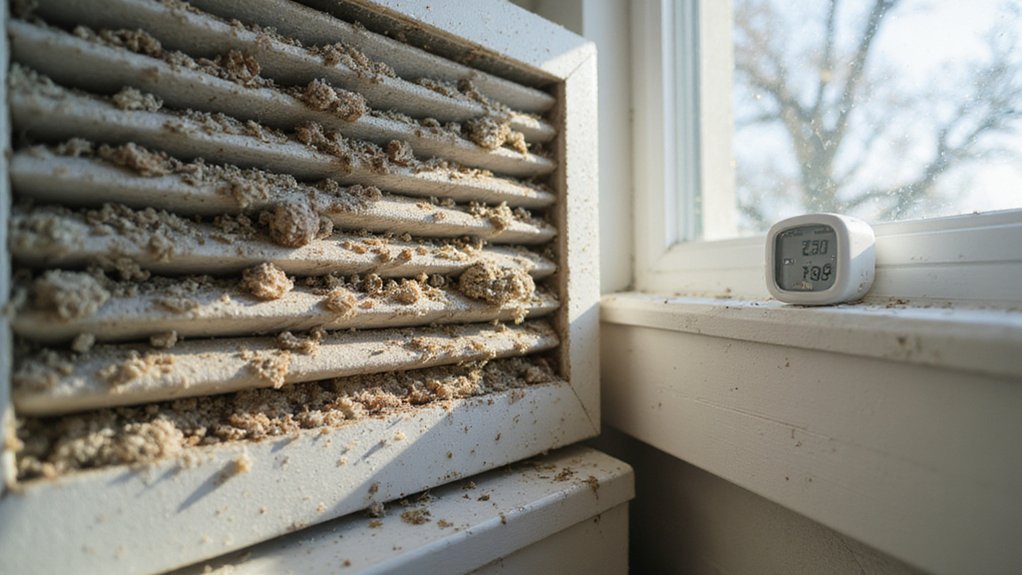
A dirty air filter is one of the simplest yet most overlooked causes of weak airflow. It acts like a barrier inside your system, stopping air from moving freely.
When the filter fills with dust and debris, your HVAC system has to push harder to move air through it. That added strain affects performance in several ways.
Reduced Airflow Efficiency
When airflow is restricted, the system cannot deliver air at the same strength. You may notice that vents feel weaker even when the system is running constantly.
The fan may try to compensate by working harder, but that does not always solve the problem. In many cases, it just leads to more wear on the system.
Checking your filter regularly makes a noticeable difference. A clean filter allows air to move freely and helps the system operate as expected.
Increased Energy Use
A clogged filter forces your system to run longer to reach the desired temperature. That extra runtime means more electricity is used.
Over time, this shows up in your monthly energy bills. Many homeowners do not connect rising costs with something as small as a filter, but it often plays a big role.
Keeping the filter clean helps reduce unnecessary energy use and keeps costs more predictable.
More Frequent Breakdowns
When airflow is restricted, parts like the blower motor and compressor work harder than they should. This added strain increases the risk of breakdowns.
Heat buildup becomes more likely, and components may wear out faster. What starts as a simple maintenance issue can turn into a costly repair.
Regular filter checks are one of the easiest ways to avoid these problems.
The Role of Ductwork in HVAC Air Distribution
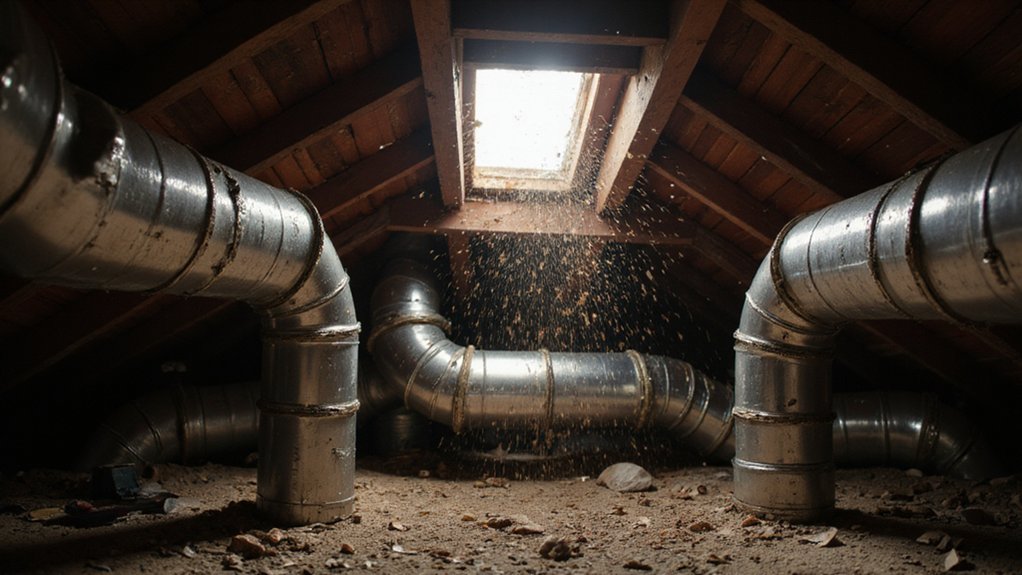
Ductwork is the pathway that carries air throughout your home. If something goes wrong here, airflow suffers almost immediately.
A well-designed duct system allows air to travel smoothly. When ducts are poorly designed, too narrow, or full of sharp turns, resistance builds up. That resistance reduces the amount of air reaching each room.
Leaks also affect distribution. Even a small gap can let conditioned air escape into walls or ceilings instead of your living space.
Insulation matters too. Without proper insulation, air can lose its temperature before it reaches the vents, making the system feel weaker than it actually is.
Regular inspections help catch these problems early. Fixing duct issues often leads to noticeable improvement in comfort.
Is Your HVAC System Underpowered?
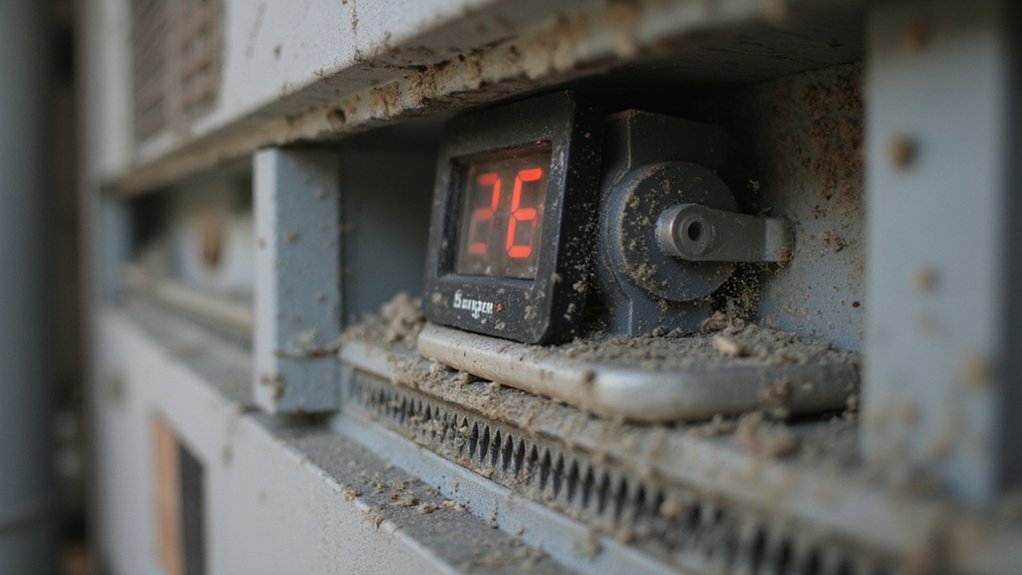
Sometimes the issue is not a blockage or maintenance problem. The system itself may not be strong enough for the space it is trying to handle.
Insufficient System Size
If your HVAC unit is too small for your home, it will struggle to keep up. This often leads to weak airflow and uneven temperatures.
Proper sizing depends on several factors, including square footage, insulation, and how many people live in the space. Without the right calculations, the system may fall short.
A technician can assess whether your current setup matches your home’s needs.
Ductwork Limitations
Even if the unit is the right size, the duct system can hold it back. Narrow ducts, long runs, or poor layout choices can limit airflow.
Air needs a clear path to move efficiently. When that path is restricted, performance drops.
Checking duct design can reveal hidden issues that affect how air moves through the system.
Equipment Age
As systems get older, they lose strength. Parts wear down, and performance gradually declines.
If your unit has been in place for many years, it may not deliver the same airflow it once did. Maintenance helps slow this process, but it cannot stop it completely.
At some point, replacing the system with proper heat pump installation and service becomes the better option for consistent comfort.
How Thermostat Issues Influence HVAC Airflow
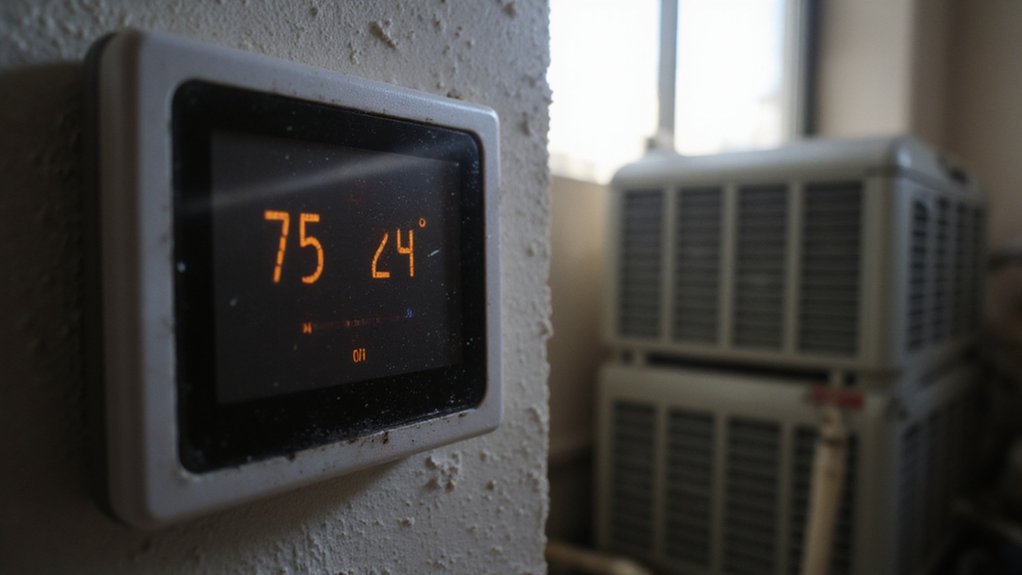
The thermostat controls when and how your HVAC system runs. If it is not working properly, airflow can suffer.
Calibration problems are one common issue. If the thermostat reads the temperature incorrectly, it may not signal the system to run as needed.
Placement also matters. A thermostat placed near sunlight, vents, or heat sources can give false readings. This leads to shorter or weaker cycles.
Adjusting the placement or recalibrating the device can improve how the system responds.
Fixing Duct Leaks and Blockages
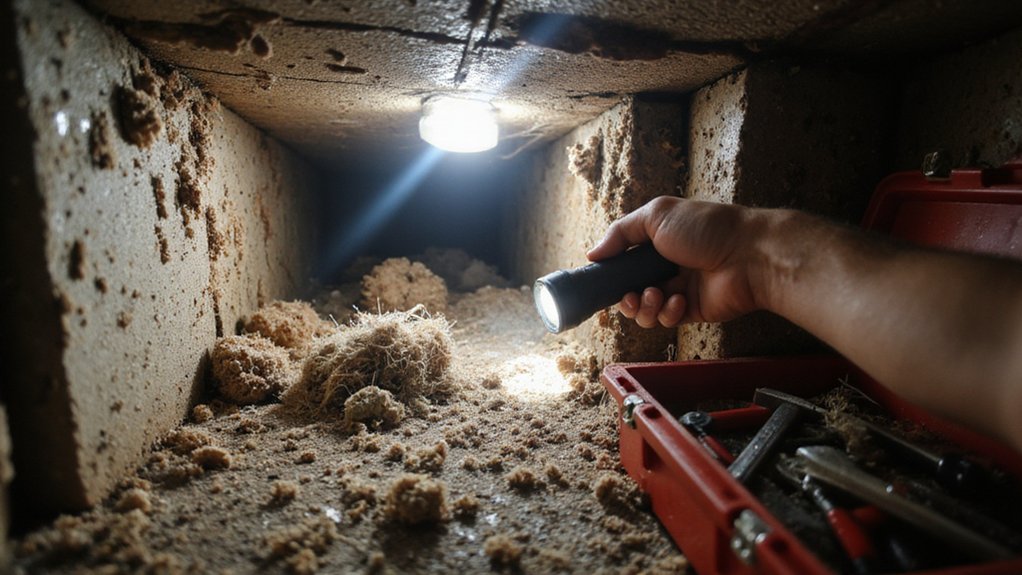
Duct leaks and blockages often go unnoticed, but they can have a big impact on airflow.
Airflow testing helps identify where problems exist. Once weak spots are found, sealing leaks becomes the next step. Materials like mastic sealant or metal tape are commonly used for this.
Blockages require a different approach. Dust buildup, debris, or other obstructions need to be cleared out to restore proper airflow.
Regular checks keep these issues from building up over time. Addressing them early helps maintain steady performance.
When to Call a Professional for HVAC Help

Some problems can be handled at home, but others need professional attention.
Watch for warning signs like rising energy bills, uneven airflow, or unusual noises. These often point to deeper issues that are not easy to fix without the right tools.
Changes in indoor air quality can also signal trouble. If the air feels stale or dusty, there may be a hidden problem inside the system.
A trained technician can inspect the system, find the root cause, and fix it before it turns into a larger repair.
Preventative Maintenance Tips for Better Airflow
Keeping your HVAC system in good shape does not require complicated steps. A few simple habits can make a big difference.
Start with regular inspections. Scheduling a check twice a year helps catch small issues early.
Filter replacement is another important task. Most filters should be changed every one to three months, depending on usage and environment.
Keep vents clear of furniture and dust. Even small obstructions can reduce airflow in a noticeable way.
Cleaning components like the blower fan also helps maintain steady performance. When parts stay clean, the system does not have to work as hard.
These steps help extend the life of your system and keep airflow consistent.
Frequently Asked Questions
Can Weather Affect My HVAC System's Airflow?
Yes, weather plays a role. Changes in temperature and humidity can affect how your system operates. During extreme conditions, the system may work harder, which can influence airflow.
How Often Should I Replace My Air Filter?
Most filters should be replaced every one to three months. Homes with pets or higher dust levels may need more frequent changes.
What Signs Indicate Ductwork Damage?
Look for reduced airflow, unusual sounds, or higher energy bills. These signs often point to leaks or blockages inside the duct system.
Are There DIY Fixes for Weak Airflow?
Simple fixes include replacing filters, clearing vents, and checking for visible duct issues. These steps can improve airflow in many cases.
How Does Humidity Impact HVAC Performance?
High humidity makes it harder for your system to cool air effectively. This can reduce comfort and make airflow feel weaker than it should.
Conclusion
Weak airflow from your HVAC system is usually a sign that something needs attention. It might be a clogged filter, a duct issue, or a system that no longer fits your home’s needs.
Regular HVAC system repairs and maintenance goes a long way in preventing these problems. Simple steps like changing filters and keeping vents clear can make a noticeable difference.
If the issue continues, professional help can pinpoint the cause and get things back on track. A well-functioning system keeps your home comfortable and your energy use under control.

other blog posts
How to Choose the Right Size HVAC System for Your Home
The Benefits of Upgrading to an Energy-Efficient HVAC System
Why Is One Room Hotter or Colder Than Others in Your House?
Ready to Enhance Your Comfort
Contact us today to schedule your service, learn about energy-saving rebates, and feel comfortable in your home all year round.

