
 CALL US
related posts
Why Is One Room Hotter or Colder Than Others in Your House?

Have you ever walked into one room in your home and immediately noticed it feels completely different from the rest of the house? Maybe the bedroom is freezing while the living room feels stuffy. Or the upstairs always seems warmer no matter how low you set the thermostat.
Temperature differences like this are common. They usually come down to a mix of insulation, sunlight, airflow, room layout, appliances, and even seasonal shifts. When you understand how these pieces work together, it becomes much easier to figure out what is really going on.
Let’s break it down in a clear, practical way.
Key Takeaways
- Variations in insulation effectiveness can lead to temperature imbalances between rooms.
- Sunlight exposure through windows significantly affects room temperatures, especially with south-facing windows.
- Obstructions in airflow, such as furniture, can disrupt air circulation and cause uneven heating or cooling.
- Seasonal changes and room characteristics, like size and ceiling height, influence temperature distribution throughout the space.
- Inefficiencies in the HVAC system, including maintenance issues or faulty sensors, can result in inconsistent temperatures across rooms.
How Insulation Affects Room Temperature

Insulation acts like a barrier between your home and the outdoors. Its job is to slow down heat transfer. When it works well, indoor temperatures stay more stable. When it does not, certain rooms can heat up or cool down much faster than others.
Different materials perform differently. Fiberglass, spray foam, and cellulose all provide varying levels of thermal resistance. If one part of the house has better insulation than another, you may notice uneven temperatures between rooms.
There is also something called thermal bridging. This happens when materials like metal beams or concrete allow heat to pass through more easily than insulated areas. Those spots can create noticeable cold or warm patches inside a room.
If you suspect insulation issues, it is worth checking attics, exterior walls, and crawl spaces first. Even small gaps can make a difference over time.
How Sunlight Affects Indoor Heating and Cooling
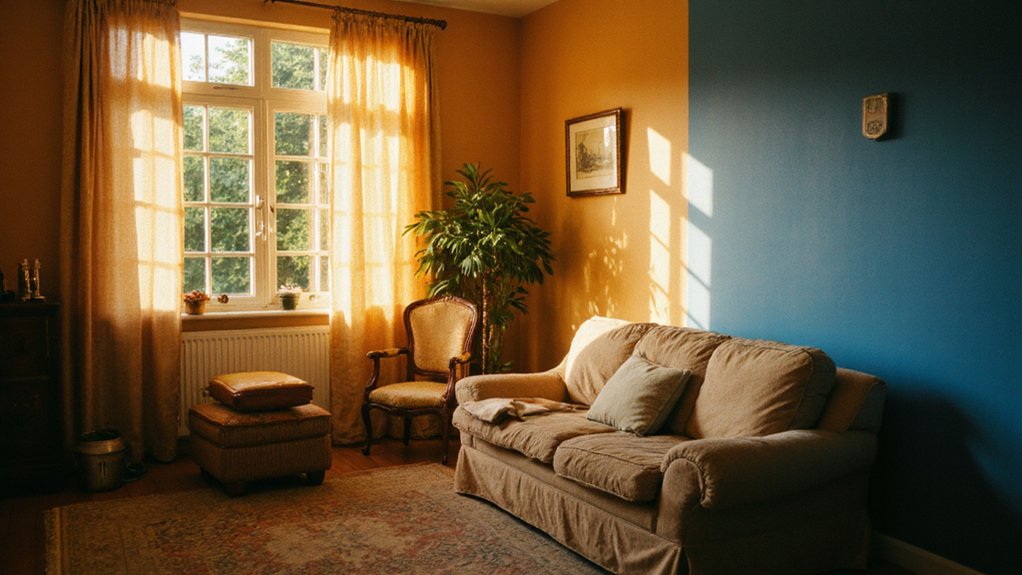
Sunlight has a direct impact on indoor temperatures. When sunlight enters through windows, it increases the temperature inside. This is often called solar gain.
Rooms with south-facing windows tend to receive more sunlight during the day. In winter, that extra warmth can be helpful. In summer, it can make a room noticeably hotter than the rest of the house.
North-facing rooms usually receive less direct sunlight, which often keeps them cooler year-round. East- and west-facing windows create their own patterns. Morning sun can warm up one room early, while afternoon sun can overheat another later in the day.
Simple adjustments can help manage this. Blinds, curtains, or window films can limit how much heat enters during warmer months. During colder months, opening those coverings during the day can help bring in natural warmth.
Window insulation also matters. Older windows that allow drafts can quickly undo any gains from sunlight.
Airflow and Ventilation's Role in Indoor Temperature Variance
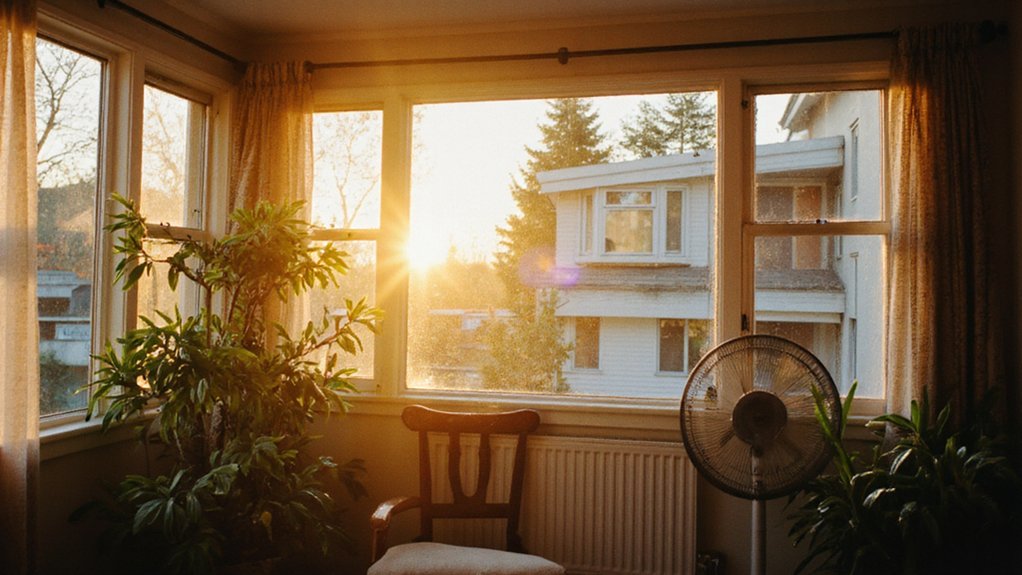
Even with proper insulation and window coverage, airflow plays a huge role in how comfortable each room feels.
If air cannot move freely through your home, some rooms will feel stale, warmer, or cooler than others. Good ventilation supports even temperature distribution and keeps the system working as intended.
Importance Of Airflow
Air needs a clear path to circulate. When vents are blocked by furniture, rugs, or clutter, airflow becomes restricted. That restriction prevents heated or cooled air from reaching certain areas.
Return vents are just as important as supply vents. If return airflow is limited, the system cannot properly pull air back to be conditioned again.
Take a look around each room. Make sure vents are open and not covered. Even shifting a couch a few inches can improve circulation.
Ceiling fans can also help move air more evenly. In summer, they push cooler air around the room. In winter, reversing the fan direction helps circulate warm air that rises toward the ceiling.
Ventilation System Design
The layout of your ductwork matters more than most people realize.
Long duct runs, sharp bends, or poorly sized ducts can reduce airflow to certain rooms. Insulated ducting helps maintain consistent temperatures as air travels through the system.
In some homes, certain rooms are simply farther away from the HVAC unit. That distance can reduce air pressure and airflow. Dampers inside the ductwork can sometimes be adjusted to help balance air distribution.
If the system was not designed for the size or layout of the house, temperature differences may show up quickly.
Temperature Regulation Strategies
There are ways to improve airflow without major renovations.
Thermal mass plays a role in temperature stability. Materials like brick or concrete absorb heat during the day and release it slowly. That can help stabilize indoor temperatures over time.
Radiant barriers can also help reflect heat away from living areas, especially in hot climates.
Regularly checking ductwork for leaks is another practical step. Even small gaps can let conditioned air escape into attics or crawl spaces. Sealing those leaks can improve overall balance throughout the home.
Why Your Heating and Cooling Systems Might Be Uneven?
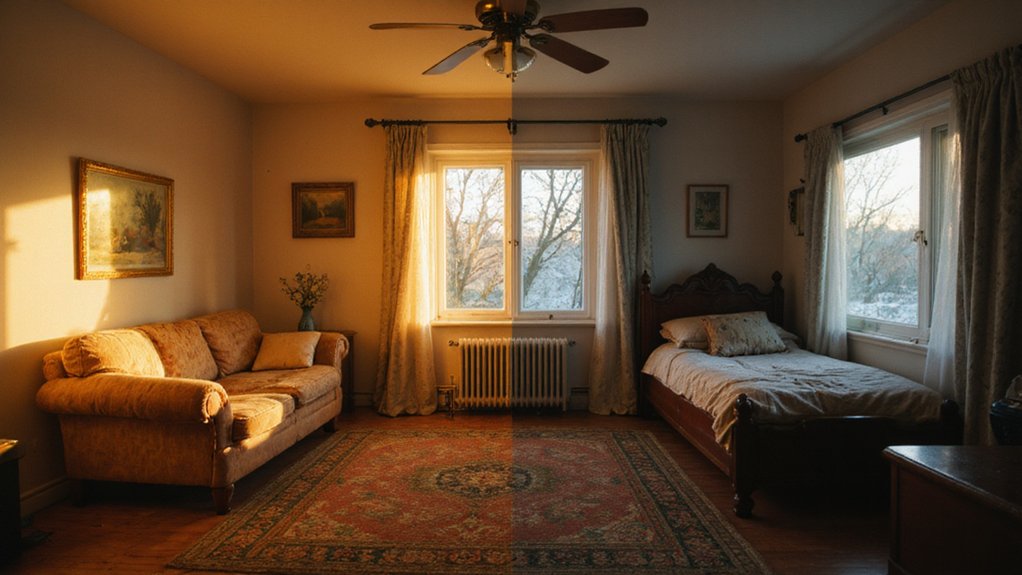
Your HVAC system is designed to maintain a consistent temperature. When it does not, the issue is often related to placement, maintenance, or aging components.
Thermostat location matters. If it sits near a drafty door or in direct sunlight, it may register a temperature that does not reflect the rest of the house. That can cause the system to shut off too early or run longer than needed.
Dirty filters are another common issue. When airflow is restricted by dust buildup, certain rooms may receive less heated or cooled air.
Over time, mechanical components wear down. Blower motors, sensors, and dampers can malfunction. When that happens, some areas of the house feel noticeably different from others.
If your home uses a heat pump, regular servicing plays a major role in keeping temperatures consistent throughout the house.
Routine maintenance helps prevent these problems. Replacing filters regularly and scheduling seasonal inspections can keep the system running more consistently.
Room Size and Shape's Effect on Temperature

Room dimensions influence how heat moves and settles.
Larger rooms require more energy to maintain the same temperature as smaller ones. If airflow is limited, those spaces may struggle to stay evenly heated or cooled.
Ceiling height also plays a role. Warm air rises. In rooms with high ceilings, the lower area can feel cooler while heat collects above.
Smaller rooms tend to warm up faster and hold heat more easily. That can make them feel stuffy if airflow is limited.
The shape of a room matters too. Odd angles, alcoves, or long narrow layouts can create pockets where air does not circulate well. Those pockets often become warmer or cooler than the rest of the space.
How Your Appliances Can Affect Indoor Temperature

Appliances give off heat while they operate. In some rooms, that heat buildup can be noticeable.
Kitchens are the most obvious example. Ovens, stovetops, dishwashers, and refrigerators all release warmth. If several appliances run at the same time, the room temperature can climb quickly.
Older appliances often release more heat than newer models. Energy-efficient units typically produce less excess warmth, which helps reduce hot spots.
Laundry rooms can also warm up when dryers are in use. Even electronics like televisions and computers add heat, especially in smaller rooms.
Spacing appliances away from walls and allowing proper ventilation helps reduce heat buildup.
Seasonal Changes and Their Influence on Indoor Climate

As seasons shift, indoor comfort changes too.
In winter, cold outdoor air increases heat loss through walls, windows, and ceilings. Rooms with more exterior exposure may feel colder.
In summer, intense sunlight and higher outdoor temperatures push heat inward. Upper floors often become warmer since heat rises naturally.
Humidity also affects how temperatures feel. High humidity makes warm air feel heavier and hotter. Low humidity during winter can make rooms feel cooler than the thermostat reading suggests.
Pay attention to how each room responds throughout the year. You may notice patterns that point to specific adjustments you can make.
Tips for Achieving a Balanced Temperature Throughout Your Home

Small changes often make a noticeable difference.
Start by checking that vents remain open and unobstructed. Rearranging furniture can restore airflow quickly.
Use curtains or blinds to manage sunlight. Open them in winter to allow warmth inside. Close them during summer afternoons to reduce heat buildup.
Ceiling fans can improve air circulation year-round. Adjust their direction based on the season to keep air moving efficiently.
Keep HVAC filters clean and schedule routine inspections. A well-maintained system distributes air more evenly.
A programmable thermostat can also help regulate temperatures throughout the day. Setting consistent schedules reduces strain on the system and improves comfort in every room.
When to Call a Professional for Temperature Issues

Sometimes, uneven temperatures signal a deeper issue.
If one room consistently stays much hotter or colder despite adjustments, faulty temperature sensors may be involved. These sensors guide your HVAC system. When they malfunction, temperature control becomes inconsistent.
Unusual noises, weak airflow, or rising energy bills also point to potential system problems.
If your system has not been inspected in a while, scheduling a professional evaluation is a smart step. A technician can test airflow, inspect ductwork, and confirm that all components are functioning properly.
Getting a clear diagnosis early can prevent more serious repairs later.
Frequently Asked Questions
How Do Furniture Arrangements Impact Room Temperature?
Furniture placement directly affects airflow. Blocking vents or crowding a room restricts circulation. Rearranging pieces to allow air to move freely can improve overall temperature balance.
Can Indoor Plants Affect the Temperature of a Room?
Indoor plants release moisture through a process called transpiration. This can slightly cool the surrounding air and improve comfort. The effect is subtle, but noticeable in smaller spaces.
What Role Do Windows Play in Temperature Differences?
Windows influence both heat gain and heat loss. Poor insulation allows warmth to escape in winter and enter in summer. Orientation and sunlight exposure also create noticeable differences between rooms.
How Does Humidity Influence Indoor Temperature Perception?
Humidity changes how your body feels temperature. Higher humidity makes warm air feel hotter. Lower humidity can make cooler air feel even colder.
Are Certain Wall Colors Better for Temperature Regulation?
Lighter wall colors reflect more light and may help reduce heat absorption. Darker colors absorb more heat and can make a space feel warmer. While the effect is not dramatic, it does contribute to overall comfort.
Conclusion
Uneven temperatures in your home rarely come from just one cause. Insulation, sunlight, airflow, HVAC performance, room layout, appliances, and seasonal shifts all play a role.
When you look at the full picture, patterns start to make sense. A hot upstairs bedroom or a chilly back office usually has a logical explanation.
With a few targeted adjustments and regular maintenance, most temperature imbalances can be improved. And when the issue runs deeper, a professional inspection can provide clarity and practical solutions.
Creating a comfortable home does not require guesswork. It simply requires understanding how each part of your space affects the whole.

other blog posts
What Should I Check Before Calling an HVAC Technician?
Why Is My AC Running but Not Cooling the House?
Why Is My Furnace Blowing Cold Air?
Ready to Enhance Your Comfort
Contact us today to schedule your service, learn about energy-saving rebates, and feel comfortable in your home all year round.

