 CALL US
related posts
Can Dirty Filters Damage My HVAC System?
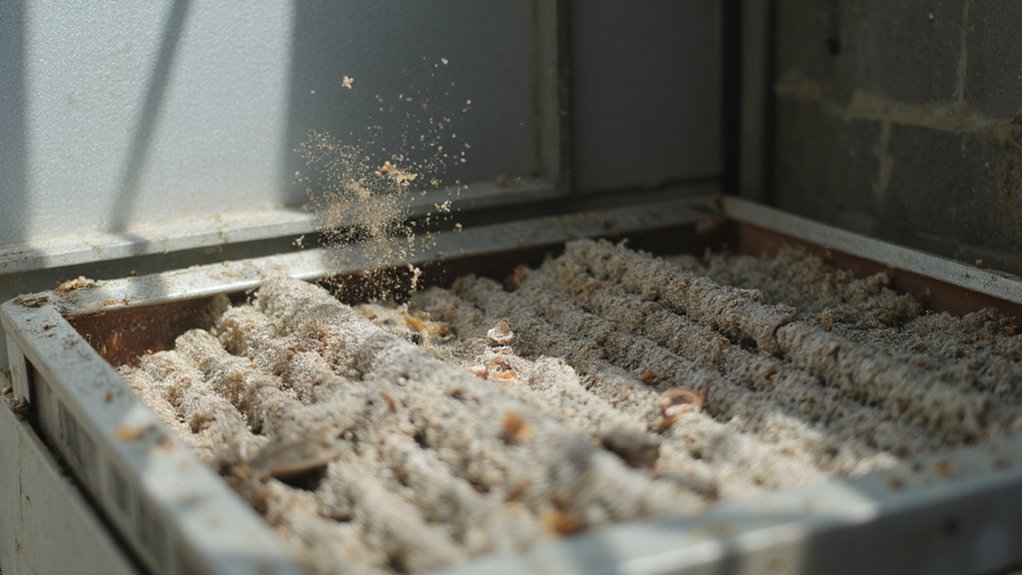
Dirty filters don’t just slow things down, they can quietly wear out your HVAC system over time. When dust and debris build up, airflow drops, and the system has to push harder to do the same job. That extra strain shows up in your energy bills and, over time, in repair costs.
Most people don’t think much about their filters until something feels off. Maybe a room isn’t cooling properly, or the air feels stuffy. These small signs often trace back to one simple issue, a clogged filter.
Understanding what happens inside your system when filters are ignored can help you avoid bigger problems later.
Key Takeaways
- Dirty filters make your HVAC system work harder than it should
- Poor airflow can lead to overheating and system wear
- Uneven temperatures often point to restricted air movement
- Indoor air quality drops when filters are clogged
- Regular maintenance helps avoid expensive repairs
How Dirty Filters Affect HVAC Efficiency
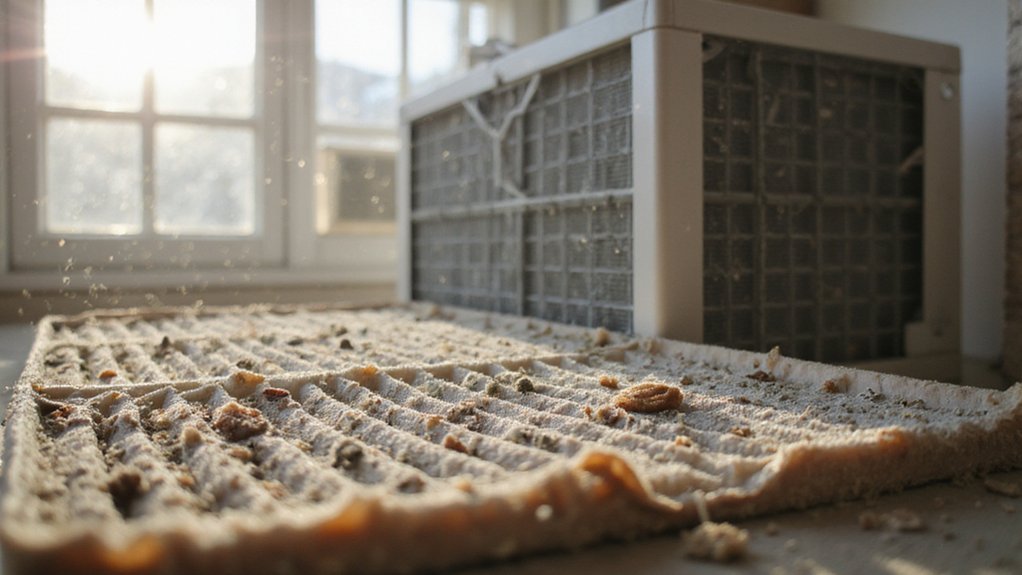
When filters get packed with dust, airflow slows down. That might not seem like a big deal at first, but your system notices it right away.
Your HVAC unit is designed to move a steady amount of air. When that flow gets blocked, the system compensates by running longer or working harder. Over time, this puts stress on internal parts.
You may notice your home takes longer to heat or cool. Some areas may feel fine, while others stay uncomfortable. That uneven performance often traces back to airflow problems caused by a dirty filter.
Energy use also climbs during this time. The system is doing more work for the same result, which naturally shows up on your monthly bill.
Keeping filters clean helps everything run the way it should, with less strain and more consistent comfort.
Signs Your HVAC Filters Need Changing

You don’t need special tools to spot a dirty filter. A quick check can tell you a lot.
Start by looking at the filter itself. If it appears grey, dusty, or clogged, it’s time to swap it out. A clean filter should look fairly clear, not packed with debris.
Airflow is another clue. If vents feel weaker than usual, or air isn’t circulating well, the filter could be blocking movement.
Changes in air quality can also show up indoors. More sneezing, dust buildup, or a stale feeling in the air may point to a filter that’s no longer doing its job.
It helps to check filters once a month, especially during seasons when your system runs more often.
How Clogged HVAC Filters Affect Indoor Air Quality

Your HVAC system doesn’t just control temperature, it also helps manage the air you breathe.
When filters are clean, they trap dust, pollen, and other particles before they circulate through your home. Once they’re clogged, that process breaks down.
Instead of capturing pollutants, a dirty filter allows them to move freely through the air. Over time, this can make indoor air feel heavier and less fresh.
For people with allergies or breathing issues, this can become more noticeable. Even those without sensitivities may feel the difference in comfort.
Changing filters regularly keeps the air cleaner and helps your home feel more comfortable overall.
Top HVAC Problems Linked to Dirty Filters
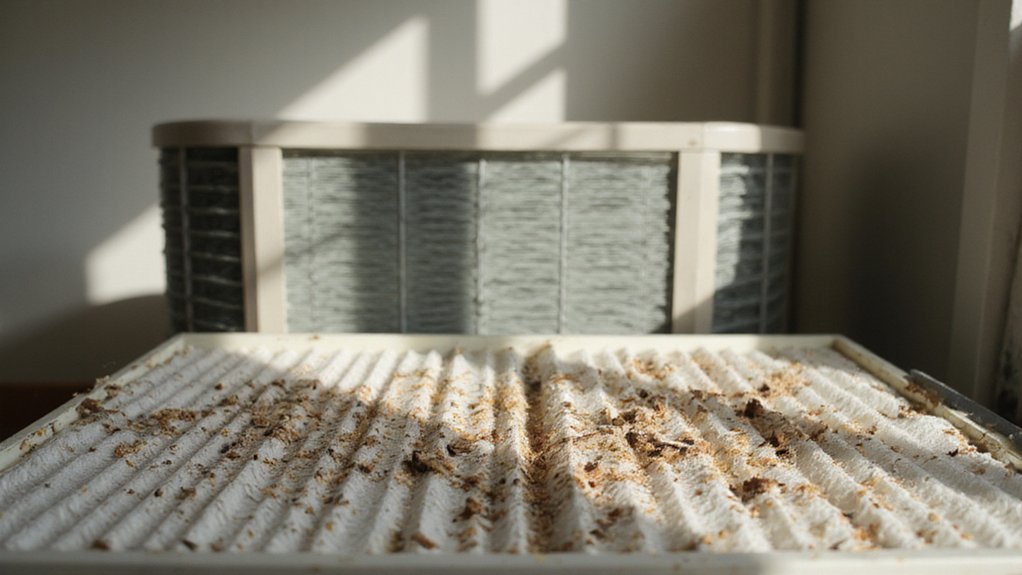
A clogged filter can lead to more than just weak airflow. It often sets off a chain reaction inside the system.
One common issue is overheating. When air can’t move freely, heat builds up within the unit. This can affect parts like the blower motor or compressor.
You might also notice your system turning on and off more frequently. That stop-and-start pattern adds extra wear over time.
Temperature imbalance is another sign. Some rooms may feel too warm while others stay cool, even when the system is running.
All of these problems tend to build slowly. That’s why regular filter checks can make a big difference before things get worse.
What Happens When You Ignore Filter Maintenance?
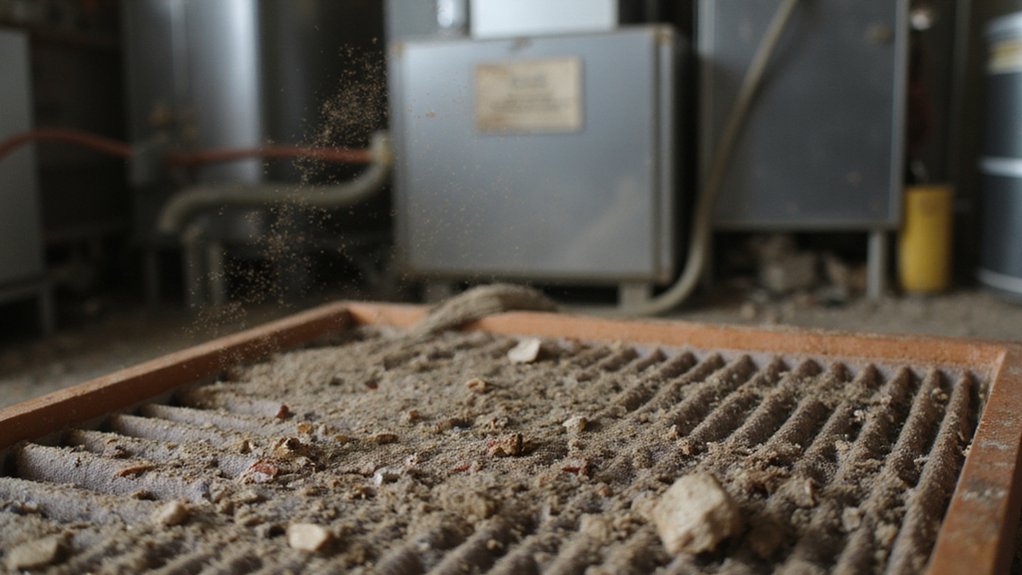
Skipping filter changes might seem harmless, but the effects build up.
As airflow drops, the system works harder to keep up. This added pressure increases the chances of breakdowns. Small issues can turn into expensive repairs if left alone.
Energy costs also rise during this time. A system that struggles to move air uses more power to do its job.
There’s also the impact on air quality. Dust and allergens continue to circulate, making the indoor environment less comfortable.
Over time, all of this shortens the life of your HVAC system. A simple maintenance habit can help you avoid these long-term problems.
When to Change Your HVAC Filters?
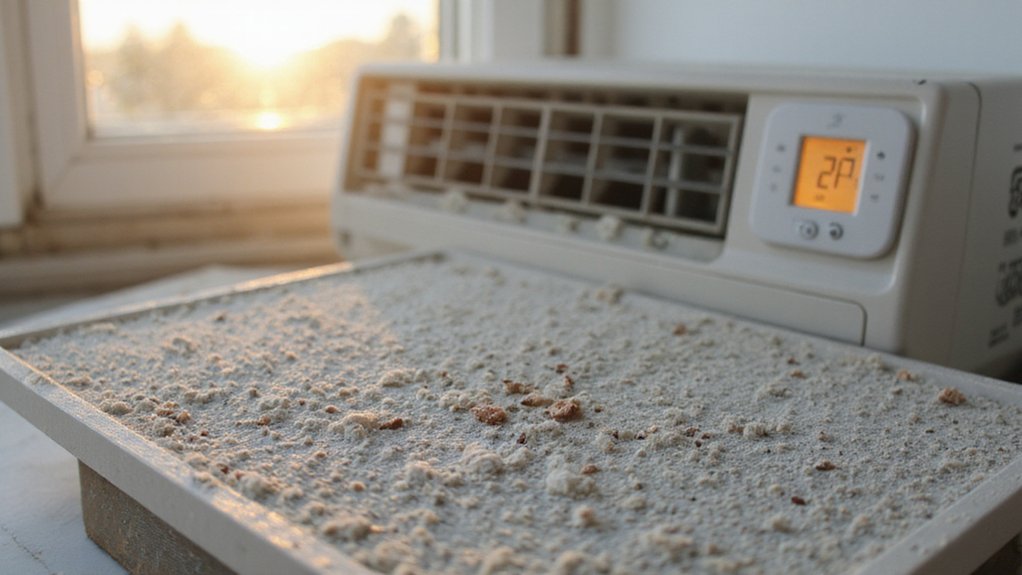
There’s no single schedule that fits every home, but there are some general guidelines.
Basic fiberglass filters usually need replacement every one to three months. Pleated filters tend to last a bit longer, often around three to six months.
High-efficiency filters can last up to a year, depending on usage and conditions.
If you have pets, live in a dusty area, or run your system often, you may need to change filters more frequently.
A quick monthly check helps you stay on top of it. If it looks dirty, it probably is.
How to Choose the Best Filter for Your HVAC

Not all filters work the same way, so it helps to know what you’re choosing.
Fiberglass filters are affordable and easy to find, but they don’t catch smaller particles as well. Pleated filters offer better filtration and still allow decent airflow.
HEPA filters trap very fine particles, which can be helpful for households with allergies. Still, they need to match your system properly, since tighter filtration can reduce airflow if the system isn’t designed for it.
You’ll also see something called a MERV rating. This number shows how well a filter captures particles. Higher ratings mean better filtration, but also more resistance to airflow.
The goal is to find a balance that keeps air clean without making your system work harder than necessary.
If your home uses a heat pump, proper filter selection also supports long-term performance, especially when paired with professional heat pump installation and service.
Easy DIY Tips for Maintaining Your HVAC Filters
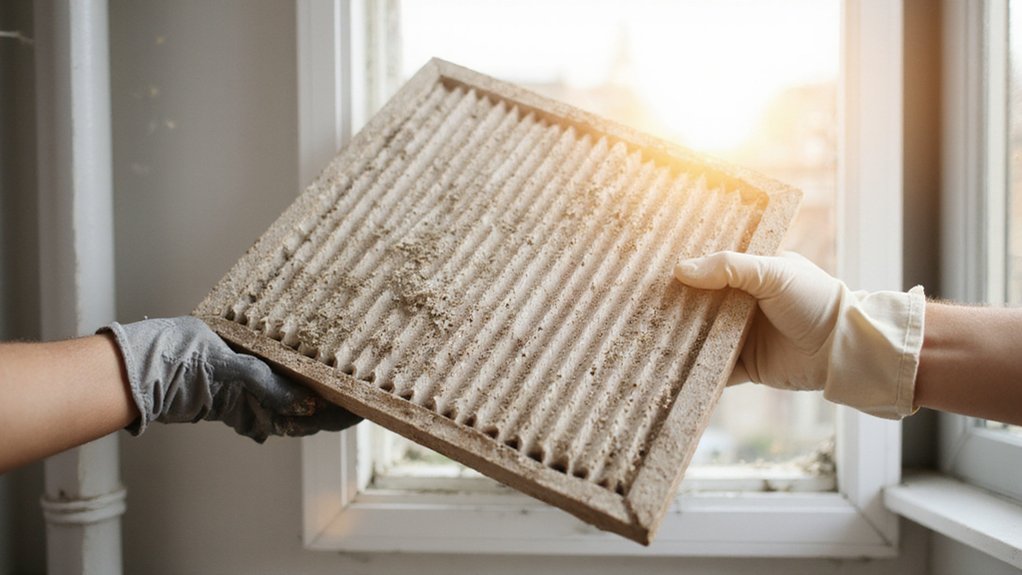
Keeping your filters in good shape doesn’t take much effort once you get into the habit.
Keeping a Consistent Replacement Routine
Setting a reminder can make a big difference. It’s easy to forget about filters until there’s a problem.
Checking them once a month helps you stay ahead. Even if they don’t need replacing yet, you’ll know their condition.
Homes with pets or higher dust levels may need more frequent changes.
Simple Ways to Clean Reusable Filters
If your system uses washable filters, cleaning them is straightforward.
Remove the filter and gently vacuum off loose dust. Then rinse it with lukewarm water. Avoid strong cleaning products, since they can damage the material.
Let the filter dry fully before putting it back in place. A damp filter can cause its own issues.
Even with cleaning, these filters still need replacement over time.
Why Filter Quality Matters
A good filter does more than trap dust. It helps your entire system run more smoothly.
Lower-quality filters may clog faster or miss smaller particles. This affects both airflow and air quality.
Choosing the right filter for your home helps maintain comfort and keeps the system from working harder than it needs to.
When to Call a Professional for HVAC Maintenance

Some issues go beyond simple filter changes.
Warning Signs Your System Needs Attention
Strange noises, uneven temperatures, or frequent cycling can point to deeper problems. Weak airflow and rising energy bills are also worth noting.
If something feels off, it usually is.
Sticking to a Maintenance Schedule
Having your system checked a couple of times a year helps catch problems early.
Technicians can inspect parts, clean components, and make sure everything is working as it should.
Unusual Sounds or Smells
Rattling, buzzing, or burning smells shouldn’t be ignored. These signs often point to mechanical or electrical issues.
Getting help early can prevent bigger repairs later.
The Long-Term Benefits of Regular Filter Changes

Changing your filters regularly might seem like a small task, but it has a lasting impact.
Clean filters help air move freely, which keeps your system running smoothly. This reduces wear on internal parts and helps avoid breakdowns.
You’ll also notice more consistent temperatures throughout your home. Energy use tends to stay lower as well, since the system doesn’t need to work as hard.
Air quality improves too, with fewer particles circulating indoors.
Over time, this simple habit helps your HVAC system last longer and perform better.
Frequently Asked Questions
Can Dirty Filters Lead to Higher Energy Bills?
Yes. When airflow is restricted, the system uses more energy to maintain the same temperature, which increases costs.
Do Different HVAC Systems Require Different Filter Types?
Yes. Each system is designed for specific filter types. Using the wrong one can affect airflow and performance.
How Often Should I Check My HVAC Filters?
Once a month is a good habit. Replacement depends on how quickly the filter gets dirty.
Can Dirty Filters Cause Strange Noises in My HVAC System?
They can. Restricted airflow may cause parts to vibrate or work harder, leading to unusual sounds.
Are There Any Health Risks From Using Dirty Filters?
Yes. Dust and allergens can circulate more easily, which may affect breathing and overall comfort.
Conclusion
Dirty filters may seem like a small issue, but they can quietly affect your HVAC system in several ways. Reduced airflow, higher energy use, and added strain on components all build up over time.
Staying on top of filter changes keeps things simple. It helps your system run smoothly, keeps the air cleaner, and avoids unnecessary repair costs.
A quick check each month can go a long way in keeping your home comfortable.

other blog posts
Best Heat Pump & AC Installation Tips for Homeowners in Courtenay, BC
Gas Furnace – and why it might be better to go with a heat pump (pros and cons)
10 reasons to upgrade to a heat pump
Ready to Enhance Your Comfort
Contact us today to schedule your service, learn about energy-saving rebates, and feel comfortable in your home all year round.

