
 CALL US
related posts
Why Does My AC Keep Freezing Up?

If your AC keeps freezing up, it usually means something isn’t working the way it should. Ice on your unit might look harmless at first, but it often points to a deeper issue that needs attention.
Several things can cause this, including low refrigerant, poor airflow, or a clogged air filter. Each of these affects how your system handles heat, which can lead to ice forming on the evaporator coil.
Let’s walk through what’s really happening and how you can figure out the cause.
Key Takeaways
- Low refrigerant can cause coils to freeze, often due to leaks or incorrect charging
- Dirty air filters block airflow and lead to ice buildup
- Blocked vents or duct issues reduce airflow and affect cooling
- Incorrect AC sizing can push the system too hard
- Poor insulation can create uneven cooling and freezing risks
Why Is My AC Freezing Up?
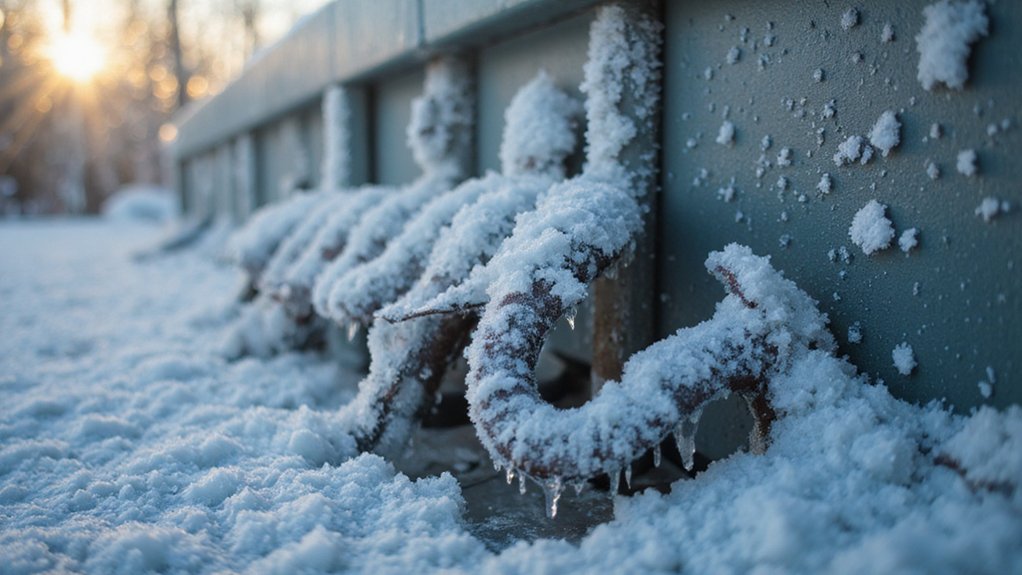
Seeing ice on your AC is never a good sign, and it usually doesn’t happen without a reason.
One of the most common causes is frozen coils, often linked to low refrigerant levels. When refrigerant drops, usually due to a leak, your system can’t absorb heat properly. That causes the coils to get too cold, and moisture in the air starts to freeze on them.
A dirty air filter can lead to the same problem. When airflow is restricted, warm air doesn’t move across the coils as it should. Without that warmth, freezing becomes more likely.
There’s also the possibility that your unit isn’t the right size for your space. An oversized system can cool too quickly and shut off before completing a full cycle, which can lead to uneven temperatures and ice buildup over time.
Getting to the root of the issue early makes a big difference in avoiding bigger repairs.
How Airflow Issues Lead to Ice Buildup

Airflow plays a bigger role than most people expect when it comes to AC performance.
When air can’t move freely through your system, the temperature around the evaporator coil drops too low. Once that happens, condensation starts to freeze, and ice builds up.
Restricted Airflow Pathways
If airflow is blocked anywhere in your system, problems start to show up quickly.
Dust, debris, closed vents, or damaged ducts can all slow down the movement of air. When that happens, heat doesn’t get removed from the coils the way it should. The refrigerant keeps cooling, and moisture on the coil turns into ice.
Fan issues can make things worse. If the fan isn’t pushing enough air, the system can’t balance temperatures properly. That’s when freezing becomes more likely.
Fixing airflow problems early helps prevent damage and keeps your system running as expected.
Dirty Air Filters
Air filters are easy to overlook, but they’re one of the most common causes of AC freezing.
When a filter fills up with dust and debris, it blocks airflow. That reduced airflow means the evaporator coil doesn’t get enough warm air, which leads to freezing.
Checking your filter regularly can prevent this. In most homes, replacing or cleaning it every one to three months is enough to keep things running smoothly.
Ignoring it for too long can lead to more serious issues, including strain on the compressor.
How Refrigerant Levels Cause AC Freezing

Refrigerant is what allows your AC to remove heat from your home. When levels drop, the whole system struggles.
Low refrigerant is often caused by leaks. When there isn’t enough refrigerant circulating, the evaporator coil becomes too cold. Moisture in the air collects on the coil and freezes.
This can also affect pressure inside the system, which adds more stress to the unit.
If you suspect low refrigerant, it’s best to have it checked by a technician. Fixing leaks early helps avoid bigger problems later.
Why Dirty Filters Are a Common Culprit
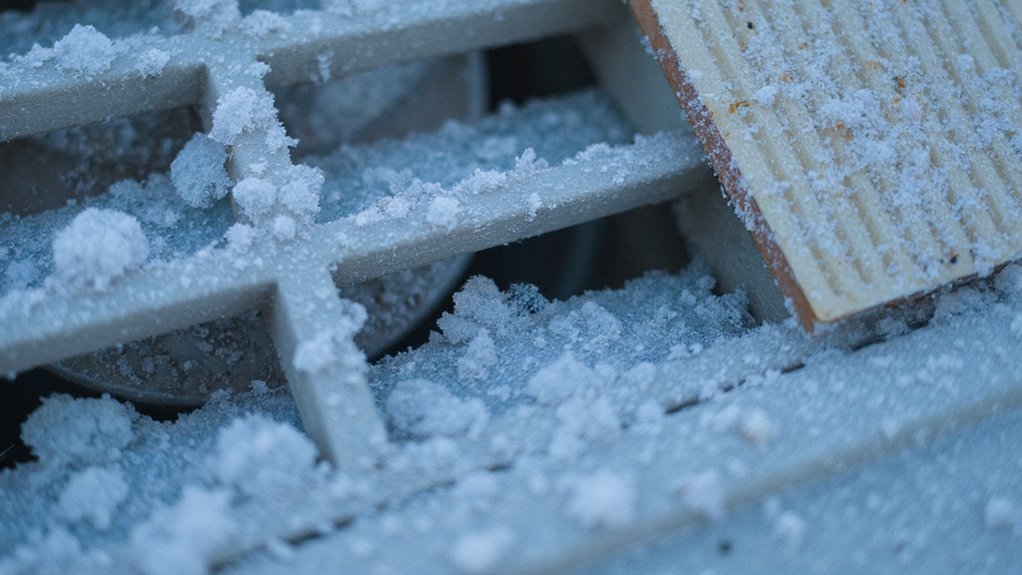
If your AC keeps freezing, your air filter is one of the first things to check.
A clogged filter blocks airflow, which affects how heat moves through your system. When airflow drops, the evaporator coil gets too cold, and ice begins to form.
Keeping filters clean is one of the simplest ways to avoid this issue. A quick check every month can save you from more complicated repairs down the line.
Can Cold Weather Make My AC Freeze?

Cold weather can play a role, especially if your system isn’t designed for low temperatures.
When it’s cold outside, your AC may struggle to maintain the right balance between indoor and outdoor temperatures. That can cause the coils to drop below freezing.
Low humidity can also affect how moisture behaves inside the system, which may lead to ice forming more easily.
If you’re running your AC in colder conditions, adjusting the thermostat or switching to a different heating option can help reduce the risk.
How Duct Problems Impact AC Performance
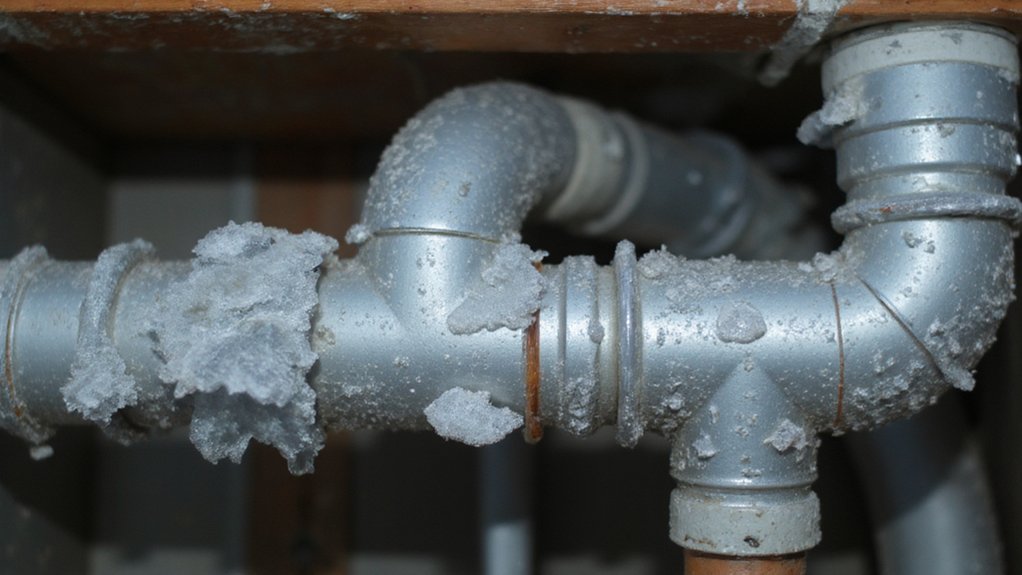
Ductwork issues don’t always get attention, but they can have a big effect on how your AC performs.
Leaks, blockages, or poor insulation can all interfere with airflow and temperature balance.
Insufficient Airflow Issues
When air can’t move properly through your ducts, your system has to work harder.
Dust buildup, debris, or leaks can restrict airflow. That leads to uneven temperatures and increases the chances of freezing.
Problems with the blower fan can also limit airflow, making the situation worse.
Keeping ducts clean and sealed helps maintain steady airflow and supports consistent cooling.
Poor Duct Insulation
If your ducts aren’t insulated properly, cooled air can escape before it reaches your rooms.
That forces your AC to run longer to maintain the set temperature. Over time, this extra strain can lead to freezing.
Checking insulation and sealing leaks can improve how your system performs and reduce stress on its components.
How Proper Insulation Affects AC Performance
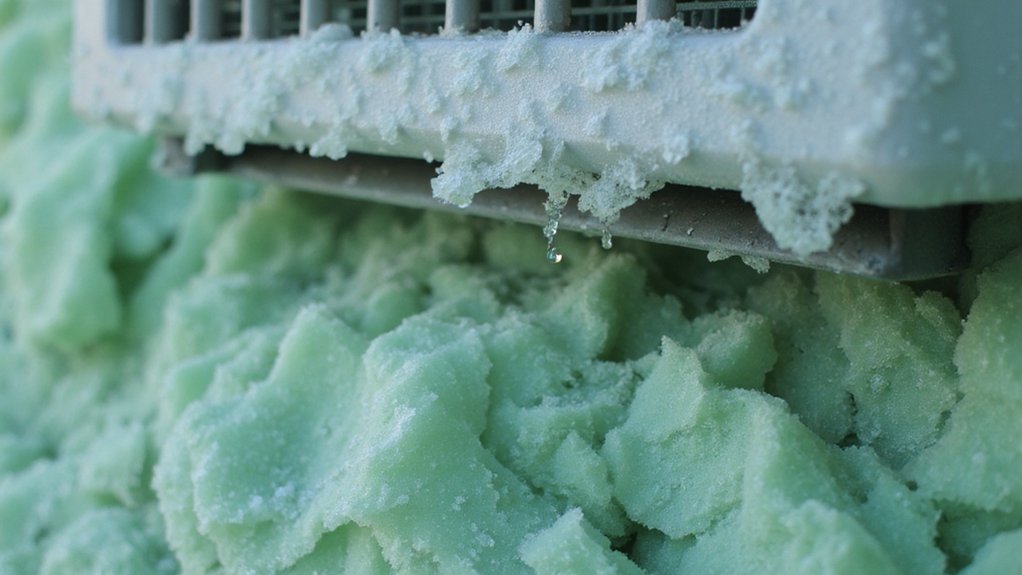
Insulation inside your home plays a bigger role than most people think.
When your home is well insulated, cool air stays inside and warm air stays out. That helps your AC maintain a steady temperature without working too hard.
If insulation is lacking, your system may run longer and struggle to keep up. That extra strain can increase the chances of freezing.
Checking areas like walls, attics, and ducts can make a noticeable difference in how your system performs.
Signs Your AC Is in Trouble

Your AC usually gives warning signs before freezing becomes a serious problem.
Low Airflow Issues
Weak airflow from vents is often one of the first signs something isn’t right.
This can point to blocked ducts, dirty filters, or fan problems. Addressing it early helps prevent further damage.
Ice Buildup Observed
If you see ice forming on coils or refrigerant lines, it’s a clear sign your system needs attention.
This usually means airflow or refrigerant levels aren’t where they should be.
Unusual Noises Emanating
Strange sounds like grinding, squealing, or rattling shouldn’t be ignored.
These noises can signal worn parts, loose components, or debris inside the unit. Catching these early can help avoid larger repairs.
What to Do If Your AC Freezes?
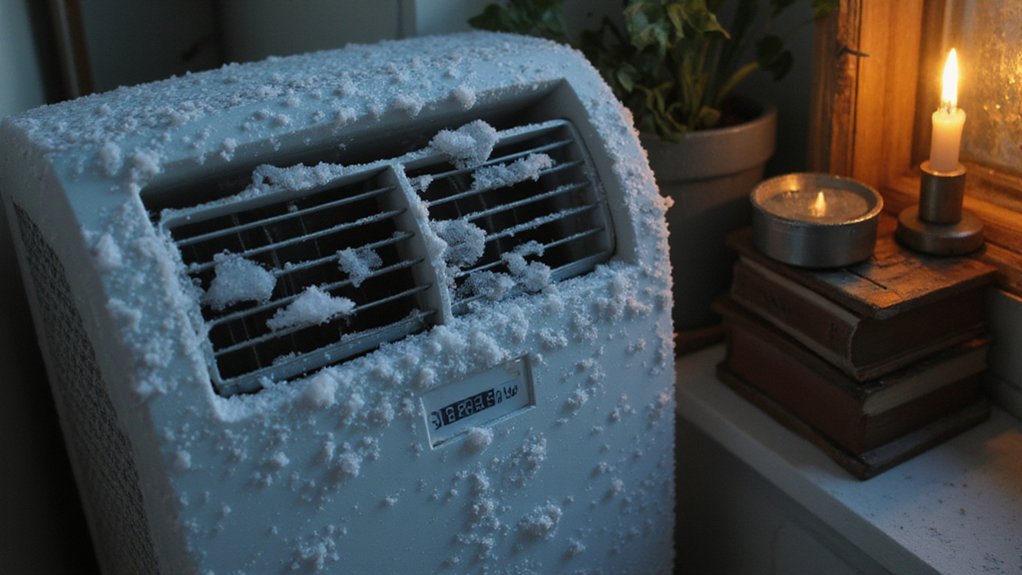
If your AC freezes, acting quickly can prevent further damage.
Start by turning the unit off and letting it thaw. Running it while frozen can cause more harm.
Check the air filter and replace it if needed. Make sure vents and airflow paths are clear.
If the issue continues, refrigerant levels or internal components may need professional attention through AC repair and maintenance services.
Getting help at the right time can save both time and repair costs.
Preventative Measures to Keep Your AC Running Smoothly
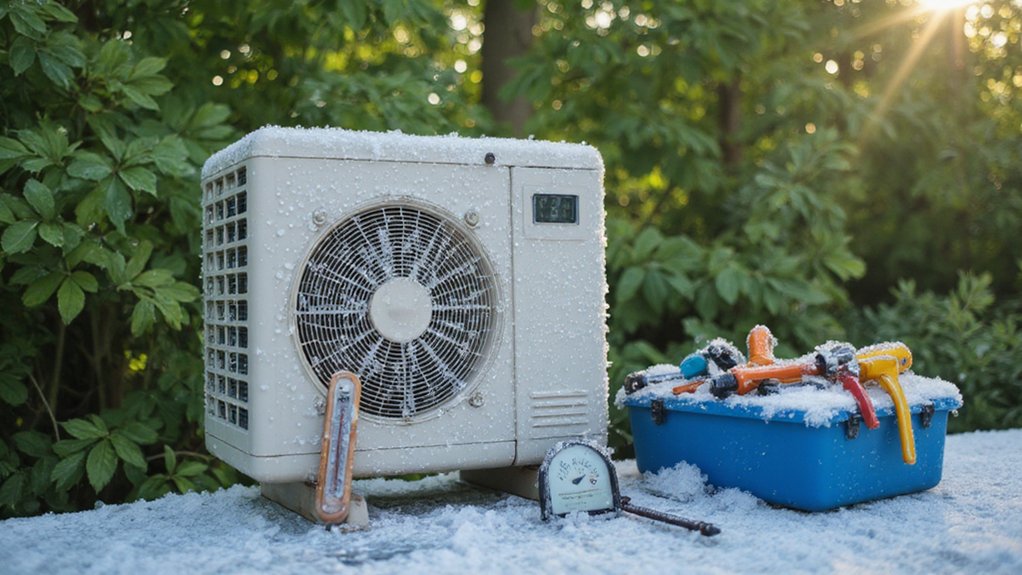
Keeping your AC in good shape doesn’t require much effort, but it does need consistency.
Schedule routine maintenance at least twice a year. During these checks, filters can be cleaned or replaced, and refrigerant levels can be inspected.
Cleaning coils and clearing the drain line also helps prevent moisture buildup.
Make sure your thermostat is set correctly and working as expected.
Simple steps like these go a long way in keeping your system running without interruptions.
You can also consider heat pump installation and service if you're looking for an alternative system that supports both heating and cooling.
Frequently Asked Questions
Can a Frozen AC Cause Damage to My Unit?
Yes, it can. Frozen coils restrict airflow and can lead to overheating or compressor failure if left unchecked.
How Can I Tell if My AC Is Low on Refrigerant?
Signs include uneven cooling, ice on the coils, and sometimes a hissing sound. A technician can confirm and fix the issue.
Is It Safe to Turn off My AC When It Freezes?
Yes. Turning it off allows the ice to melt and prevents further damage.
What Temperature Should I Set My Thermostat to Prevent Freezing?
A setting between 72°F and 78°F usually works well for steady cooling without overloading the system.
How Often Should I Schedule AC Maintenance to Avoid Freezing Issues?
Twice a year is a good rule. Regular checks help catch small problems before they turn into bigger ones.
Conclusion
If your AC keeps freezing up, it’s usually tied to airflow problems, low refrigerant, or something as simple as a dirty filter.
Paying attention to early signs and keeping up with basic maintenance can prevent most of these issues. A little effort now can help you avoid bigger repairs later and keep your home comfortable.

other blog posts
Why Is My Heating System Making Strange Noises?
Climatec Mechanicals Ultimate Christmas Checklist: 18 Tasks to get your home Ready For The Holidays
Is a Heat Pump Worth It for Homes in Cold Weather?
Ready to Enhance Your Comfort
Contact us today to schedule your service, learn about energy-saving rebates, and feel comfortable in your home all year round.

