 CALL US
related posts
When Should I Replace My Air Conditioner?
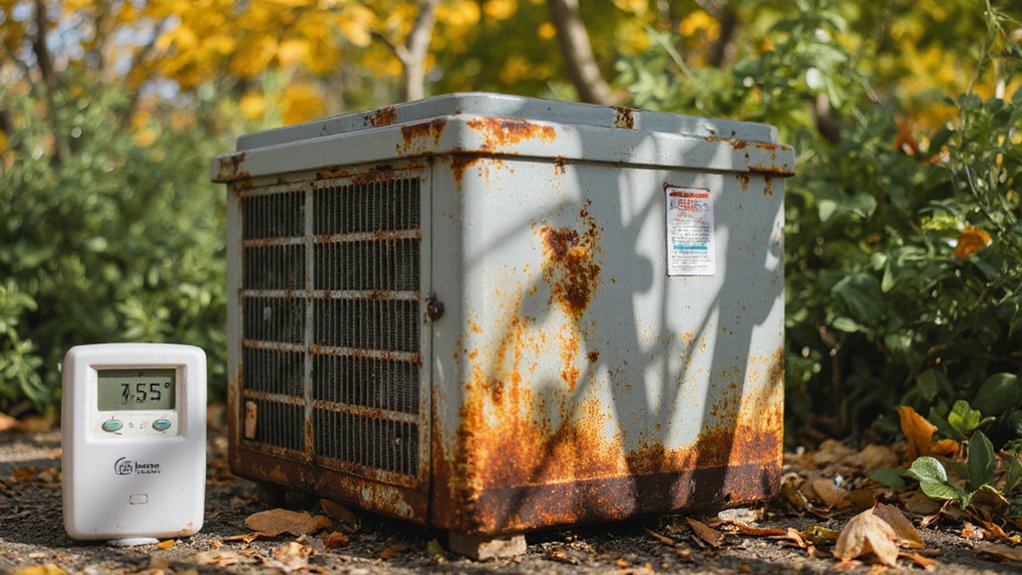
Your air conditioning system plays a big part in keeping your home comfortable, especially during the hottest months of the year. Like any other household system, it won't last forever. As it gets older, you'll probably notice changes in how well it cools your home, how often it needs repairs, and how much it costs to run.
So, when is the right time to replace your air conditioner?
There's no single answer that works for every home, but there are a few clear signs to watch for. If your system is more than 15 years old, your energy bills keep climbing, or you're calling for repairs more often than you'd like, replacing the unit could make more sense than continuing to fix it.
Knowing when to make the switch can save you money, improve your comfort, and help you avoid unexpected breakdowns during the hottest days of the year.
Key Takeaways
- Air conditioners that are more than 15 years old often become less efficient and more expensive to maintain.
- Frequent repairs and rising energy bills are common signs that it may be time for a replacement.
- Uneven cooling and poor humidity control can mean your current system is no longer performing as it should.
- Strange noises or unusual smells may point to serious internal problems.
- If regular maintenance no longer improves performance, replacing the system may be the better long-term choice.
Signs Your Air Conditioner Is Aging
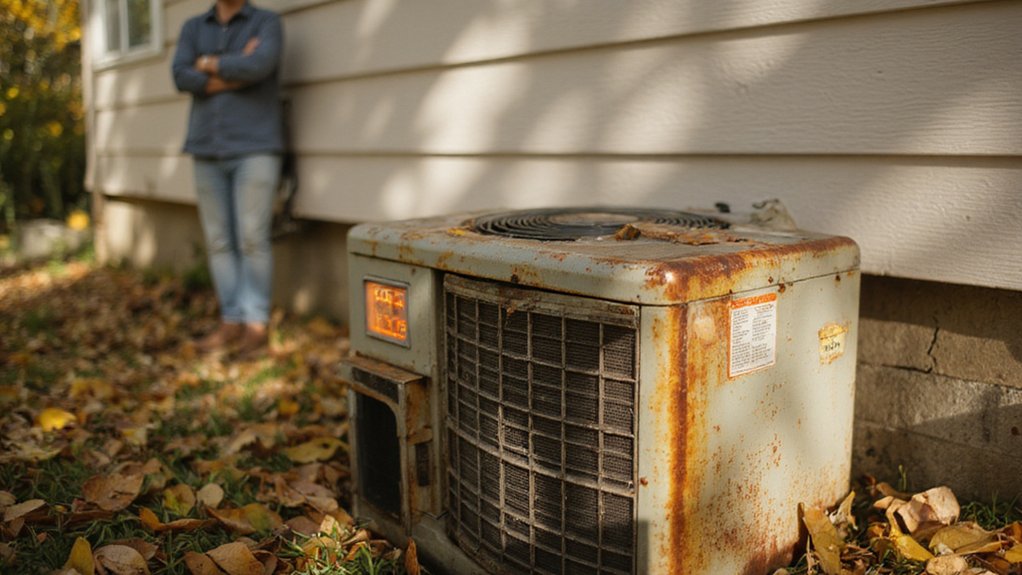
Even a well-maintained air conditioner begins to show its age over time. You may notice that some rooms stay warm while others cool down normally. The system might run longer than it used to, yet your home still doesn't feel as comfortable.
Another common sign is an increase in repair visits. Replacing worn parts every now and then is normal, but repeated breakdowns often mean the system is reaching the end of its working life.
Older units can also struggle to control indoor humidity. When moisture levels stay high, your home may feel sticky even when the air conditioner is running. At the same time, aging equipment may have a harder time keeping indoor air clean, especially if major components are wearing out.
Pay attention to unusual sounds as well. Grinding, rattling, or buzzing noises can point to parts that are becoming worn or loose. While some repairs are straightforward, repeated mechanical problems usually become more expensive over time.
Although installing a new air conditioner requires an upfront investment, a newer system can deliver better cooling, lower running costs, and fewer unexpected repairs.
Air Conditioner Lifespan
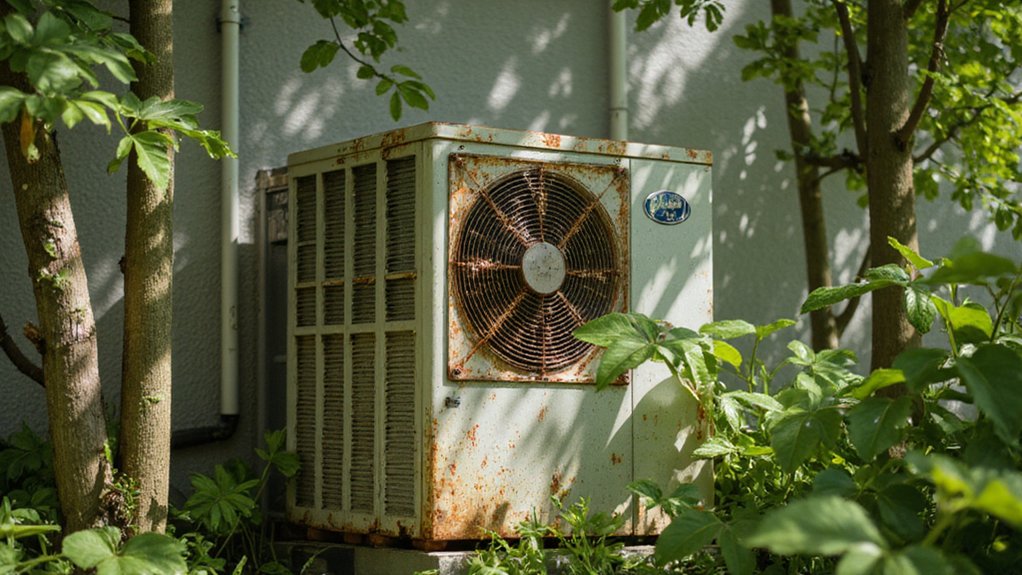
Most residential air conditioners last between 15 and 20 years. The exact lifespan depends on several factors, including the quality of the equipment, how often it's used, and how well it's maintained throughout the years.
Routine maintenance goes a long way toward helping your system last as long as possible. Changing air filters, cleaning the outdoor unit, and scheduling professional inspections each year all help reduce unnecessary wear.
As your air conditioner gets older, watch for signs that its performance is slipping. Longer cooling cycles, weaker airflow, unusual noises, and higher energy use can all point to an aging system.
If your unit is approaching the end of its expected lifespan, it's a good idea to start planning ahead. Replacing it before it fails completely gives you time to compare options, choose the right system for your home, and avoid being left without cooling during the hottest part of the season.
Are Rising Energy Bills a Sign You Need a New AC?
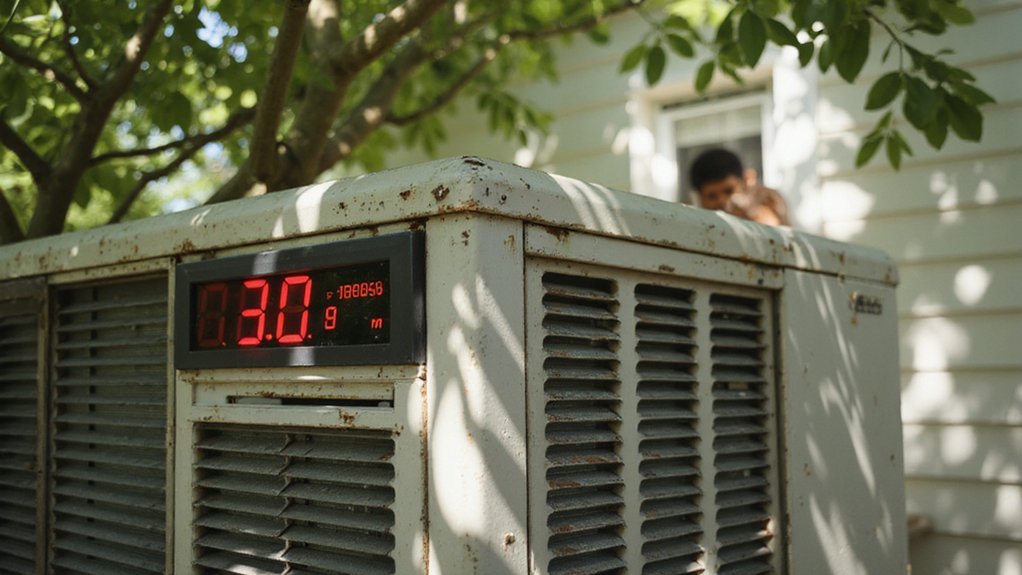
A steady increase in your energy bills can be one of the first signs that your air conditioner isn't working as efficiently as it once did. While seasonal weather can affect electricity costs, an older AC system that runs longer than necessary often uses much more energy to keep your home cool.
If you've noticed your utility bills climbing without a major change in your cooling habits, it's worth taking a closer look at your air conditioner.
Increased Energy Consumption
As air conditioners get older, they naturally lose efficiency. Parts wear down, airflow may become restricted, and the system has to work harder to maintain the temperature you've set. The longer it runs, the more electricity it uses.
A home energy assessment can help identify where energy is being wasted. Sometimes the problem is as simple as a dirty filter or low refrigerant, both of which can reduce performance. Routine maintenance can improve efficiency for a while, but it won't restore an aging system to the way it performed when it was new.
If your air conditioner continues to use more energy even after regular servicing, replacing it with a newer model may be the more cost-effective option. Modern systems use less electricity while providing more consistent cooling, which can help lower monthly utility bills over time.
Age of Air Conditioner
The age of your air conditioner plays a big part in how efficiently it operates. Most systems begin to lose performance after 10 to 15 years, even when they've been well maintained.
Simple maintenance, such as replacing air filters, cleaning the outdoor unit, and scheduling yearly inspections, can help extend the life of your system. Still, every air conditioner reaches a point where repairs and higher operating costs become more common.
If your unit is getting older and your energy bills continue to rise, it may be time to compare the cost of keeping your current system with the cost of installing a newer, more efficient model. In many cases, a replacement provides better comfort while reducing long-term energy expenses.
When Frequent Repairs Mean It's Time for a New AC
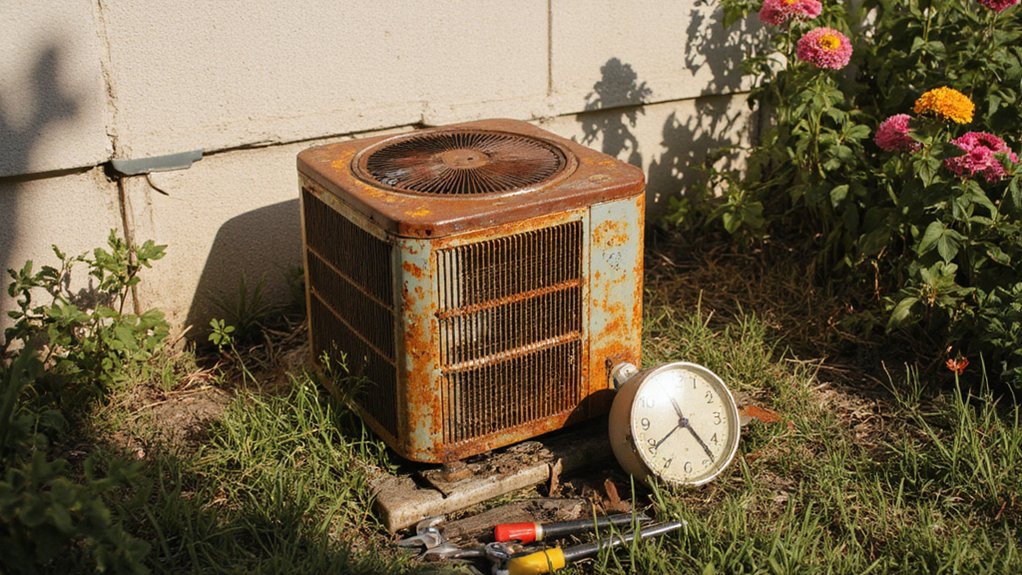
Every air conditioner needs the occasional HVAC repair. But when service calls become a regular part of owning your system, replacing the unit may be the smarter choice.
Spending money on one repair after another can quickly add up, especially if your air conditioner is already nearing the end of its expected lifespan.
Rising Repair Costs
Repair costs are often one of the biggest reasons homeowners decide to replace an older air conditioner.
Think about how much you've spent over the past year. If your system has needed multiple repairs or a major component has failed, those costs may already be approaching a large portion of what a new unit would cost.
A newer air conditioner can also reduce monthly energy bills and lower the chance of unexpected breakdowns. Instead of continuing to invest in an aging system, replacing it may save you money over the years while giving you greater peace of mind.
Age of Unit
Most air conditioners are designed to last around 15 to 20 years. As they approach the end of that lifespan, breakdowns usually become more frequent.
Even with regular maintenance, older systems often become less dependable. If your air conditioner is repeatedly failing and repairs are becoming more common, it's worth having a professional inspect the unit. They can help you decide whether another repair makes sense or if replacing the system is the better long-term investment.
Decreased Energy Efficiency
An older air conditioner often uses more electricity while producing less cooling. You may notice that your home takes longer to reach the desired temperature, or that the system seems to run almost constantly during hot weather.
Regular maintenance can help improve performance for a while. Replacing dirty filters, cleaning coils, and checking refrigerant levels all support better operation. Still, these steps have limits if the equipment itself is wearing out.
If your system continues to struggle after proper maintenance, replacing it with a newer energy-efficient model could lower your energy use, improve indoor comfort, and reduce the likelihood of future repair bills.
What Are the Signs of Inconsistent Cooling?
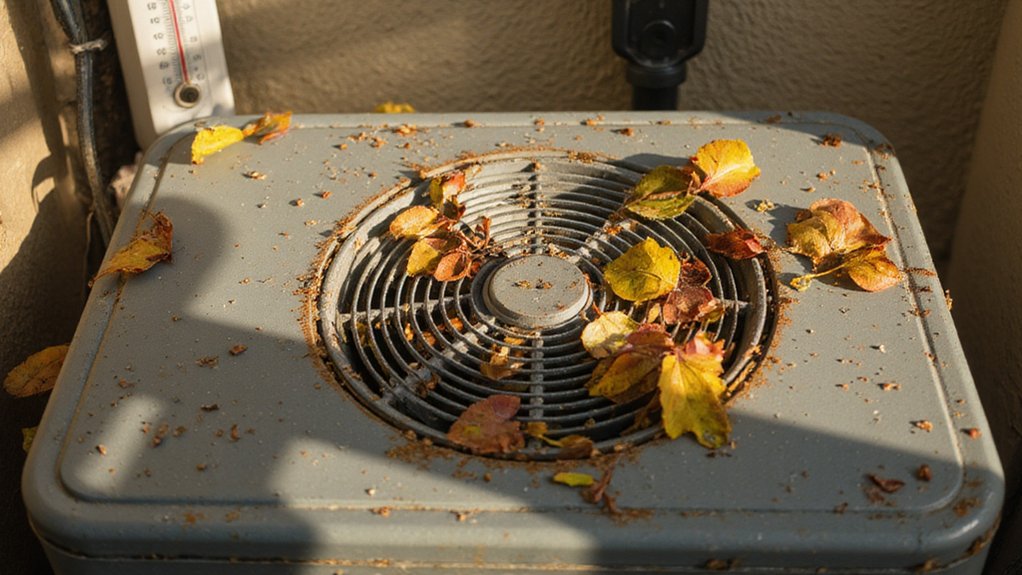
Your air conditioner should keep every part of your home comfortable. If some rooms feel cool while others stay warm, your system may no longer be performing the way it should.
Uneven cooling is often one of the first signs that something isn't right. The problem could be caused by aging equipment, leaking ductwork, blocked vents, or poor airflow. As your system works harder to make up for these issues, it can struggle to maintain a steady temperature throughout your home.
You may also notice higher indoor humidity. An air conditioner does more than cool the air. It also helps remove excess moisture. If your home feels damp or sticky even when the AC is running, your system may not be removing humidity effectively.
Another area to check is your thermostat. An inaccurate thermostat can cause your air conditioner to run too long, shut off too early, or maintain the wrong temperature. In some cases, replacing or recalibrating the thermostat solves the problem. In others, the issue lies within the air conditioning system itself.
Short cycling is another warning sign. This happens when the air conditioner turns on and off repeatedly without completing a full cooling cycle. Besides making your home less comfortable, short cycling places extra strain on the equipment and can increase energy use.
If inconsistent cooling continues after routine maintenance, it may be time to have your system inspected to determine whether repair or replacement is the better option.
Identifying Strange Noises From Your AC
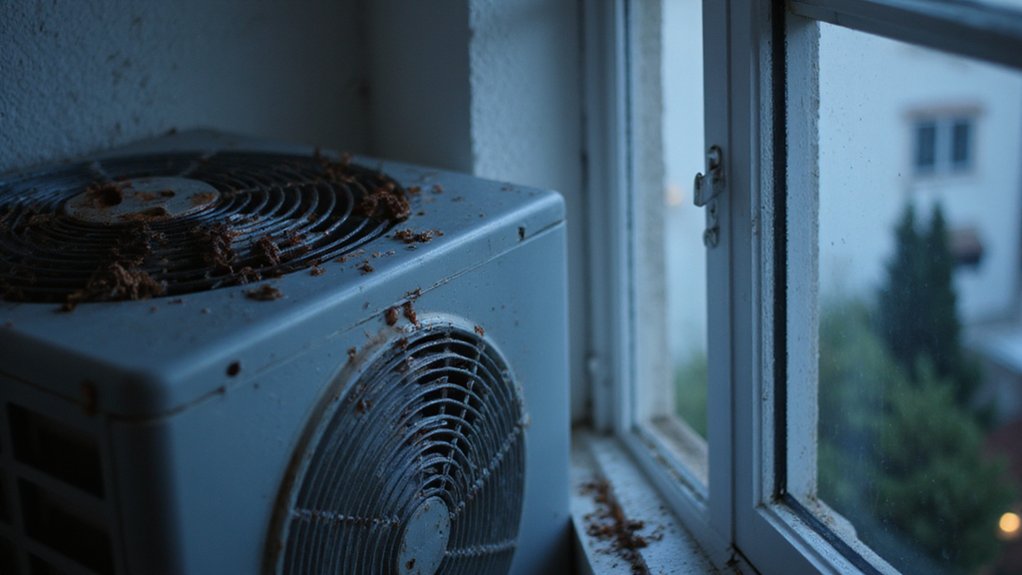
Air conditioners normally make a low, steady operating sound. New or unusual noises are often a sign that something inside the system needs attention.
Grinding noises may point to worn motor bearings or other moving parts. Rattling can mean that screws, panels, or internal components have come loose. Hissing sounds sometimes indicate a refrigerant leak or escaping air from damaged ductwork.
Strong vibrations can also signal trouble. If the unit shakes while running, the fan, motor, or compressor could be out of balance. Ignoring these warning signs may allow a small problem to grow into a much more expensive repair.
Pay attention to unusual smells as well. A burning odor could suggest an electrical issue, while a musty smell may indicate mold or mildew inside the system or ductwork. Both situations should be checked as soon as possible.
Addressing strange noises and odors early can help prevent further damage, improve system performance, and extend the life of your air conditioner.
How New AC Technologies Can Improve Efficiency
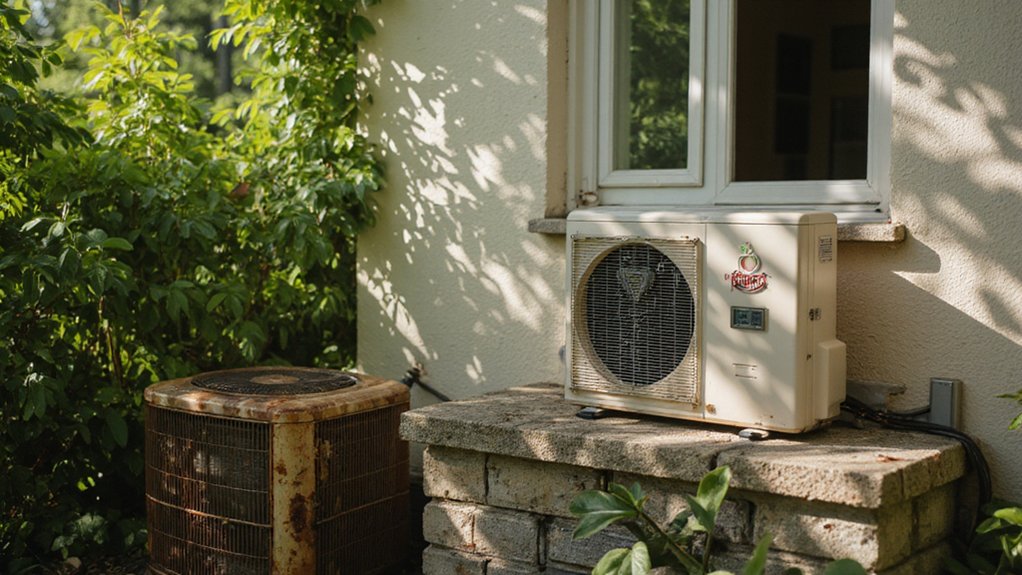
Modern air conditioners are designed to cool your home more effectively while using less electricity than older systems. If your current unit has been running for well over a decade, upgrading to newer technology can make a noticeable difference in both comfort and operating costs.
One feature many homeowners appreciate is a smart thermostat. These devices learn your daily schedule and automatically adjust temperatures to reduce unnecessary energy use. You stay comfortable while avoiding wasted cooling when no one is home.
Many newer systems also use variable-speed compressors. Instead of running at full power all the time, these compressors adjust their output based on your home's cooling needs. This helps maintain a more even indoor temperature while reducing energy consumption.
Newer equipment can also provide quieter operation, improved humidity control, and more consistent airflow throughout your home. Combined, these features create a more comfortable living space while helping lower monthly utility costs.
Why Replacing Your Air Conditioner Saves You Money
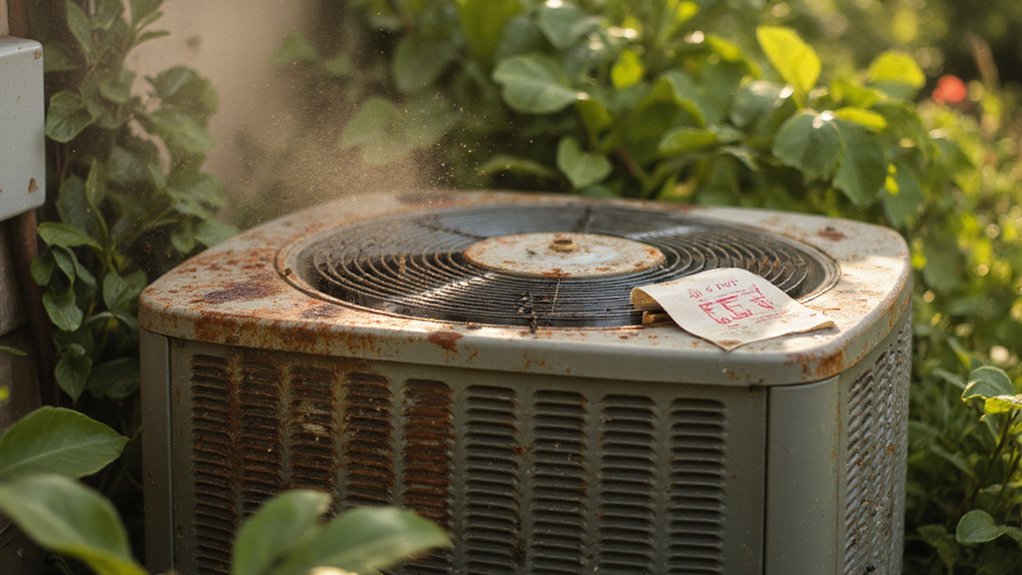
Replacing an older air conditioner may seem like a large expense at first, but it can save you money over time. As air conditioners age, they become less efficient and often need more repairs. They also use more electricity to deliver the same level of cooling they once provided.
A newer system is designed to use less energy while keeping your home comfortable. That means lower monthly utility bills and fewer unexpected repair costs. Over the life of the unit, those savings can make a real difference.
Many utility companies also offer rebates or other incentives when you install a high-efficiency air conditioner. These programs can help reduce the upfront cost, making a replacement more affordable.
Modern systems also provide better humidity control and improved indoor air quality. Along with lower operating costs, you'll enjoy a more comfortable home throughout the cooling season.
To get the most from your investment, keep up with regular maintenance after installation. Annual inspections and routine filter changes help your new system perform well for years to come.
Frequently Asked Questions
How Much Does a New Air Conditioner Typically Cost?
The cost of a new air conditioner usually falls between $3,000 and $7,000, depending on the size of the system, its efficiency rating, and installation requirements. While the initial investment can be significant, a high-efficiency unit may help lower energy costs over time. Regular maintenance, including changing filters and scheduling professional tune-ups, can also help protect your investment.
Can I Install a New AC Myself?
While it's possible to install an air conditioner yourself, it's usually not recommended unless you have the proper training and experience. Installing an AC system involves electrical work, refrigerant handling, and meeting local building codes. Incorrect installation can affect performance, reduce efficiency, and even create safety risks. Hiring a qualified professional helps make sure the system is installed correctly.
What Size Air Conditioner Do I Need for My Home?
Choosing the right size air conditioner depends on more than just the square footage of your home. Insulation, ceiling height, window placement, and your local climate all play a role. A system that's too small may struggle to cool your home, while one that's too large can cycle on and off too often. A professional load calculation is the best way to determine the right size for your space.
Are There Financing Options for a New Air Conditioner?
Many HVAC companies and equipment manufacturers offer financing plans to help spread the cost of a new air conditioner over time. Before choosing a plan, compare interest rates, repayment terms, and monthly payments to find an option that fits your budget.
How Long Does It Take to Install a New AC?
Most residential air conditioner installations take between four and eight hours. The exact time depends on the type of system being installed, the condition of the existing equipment, and whether any ductwork or electrical upgrades are needed. Your installer can give you a more accurate estimate based on your home's requirements.
Conclusion
Knowing when to replace your air conditioner can help you avoid unexpected breakdowns and rising repair costs.
If your system is more than 15 years old, struggles to cool your home evenly, or needs frequent air conditioner repair, replacing it may be the more practical choice.
A modern, energy-efficient air conditioner can improve comfort, reduce energy use, and provide more dependable performance for years to come. Instead of waiting for your old system to fail during the hottest part of the year, planning ahead gives you time to choose the right replacement and enjoy greater peace of mind.

other blog posts
How to Choose the Right Size HVAC System for Your Home
Spring HVAC Maintenance Tips: DIY Care for a Cool & Comfortable Home with Climatec Mechanical
How Do I Know If My Heat Pump Needs Repair?
Ready to Enhance Your Comfort
Contact us today to schedule your service, learn about energy-saving rebates, and feel comfortable in your home all year round.

