
 CALL US

related posts
What Is the Difference Between Ducted and Ductless Heat Pumps?
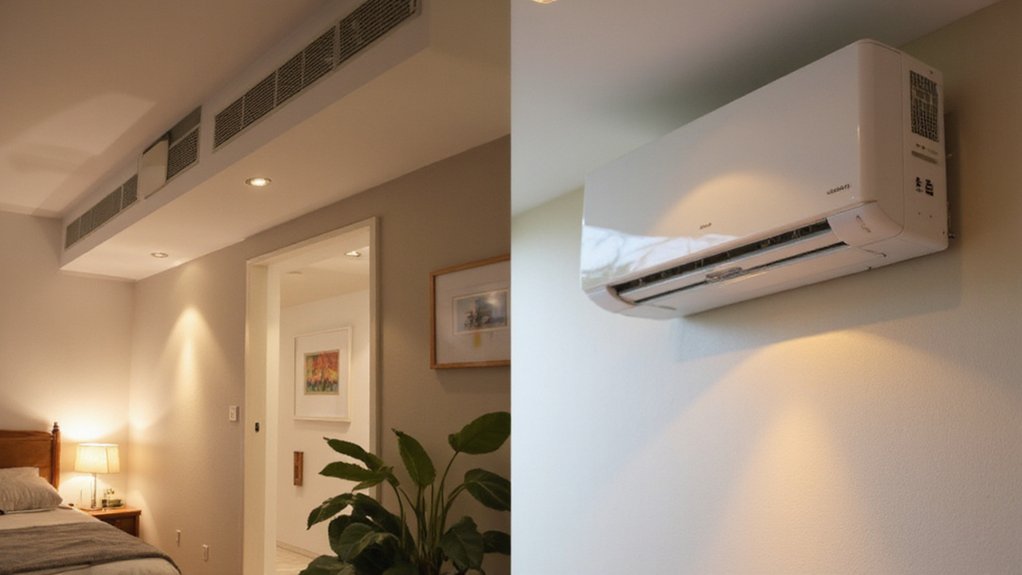
When you're choosing a heating and cooling system for your home, it helps to understand how ducted and ductless heat pumps differ. Ducted systems move heated or cooled air through a network of ducts, making them a practical option for larger homes and spaces that already have ductwork. Ductless systems use individual indoor units to control temperatures in specific areas.
Both types can provide heating and cooling throughout the year, but they work differently and suit different home layouts. Installation needs, energy use, maintenance, room size, and your budget can all affect which system makes more sense for your home.
Key Takeaways
- Ducted heat pumps distribute air through a network of ducts, while ductless systems use individual indoor units for targeted heating and cooling.
- Ducted systems can work well in larger homes where consistent temperatures are needed across several rooms.
- Ductless heat pumps allow you to control temperatures in individual rooms or zones.
- Installing a ducted system can be more involved when a home does not already have suitable ductwork.
- Ductless systems can be easier to install in homes without existing ducts.
- Both systems need regular maintenance to keep heating and cooling performance on track.
- The right choice depends on your home's layout, insulation, existing ductwork, budget, and heating and cooling needs.
Ducted vs. Ductless Heat Pumps: A Comparative Overview
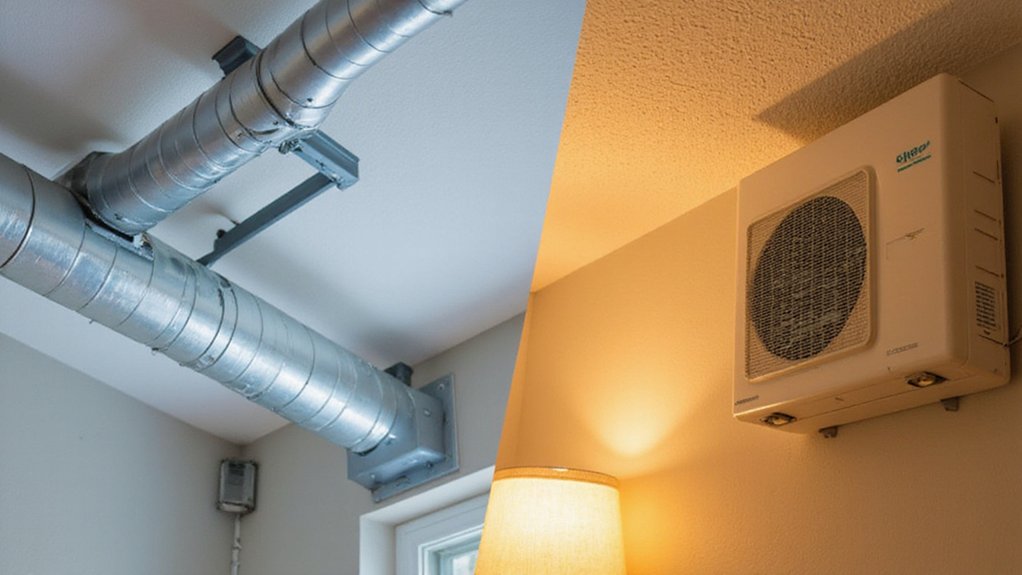
When comparing ducted and ductless heat pumps, the biggest difference is how each system moves conditioned air around your home.
A ducted heat pump connects to a network of ducts that carries heated or cooled air from the central system to different rooms. This setup can work well in larger homes where several rooms need to be conditioned at the same time. Homes with existing ductwork may also be easier to adapt to this type of system.
Ductless heat pumps work without a network of air ducts. Instead, they use indoor units placed in individual rooms or zones. Each unit can deliver heating or cooling directly into the space where it is installed.
This setup gives homeowners more control over individual areas of the home. For example, you might keep a bedroom cooler at night while using less heating or cooling in rooms that are not being used.
The right option depends on several factors, including your home's layout, existing equipment, budget, and comfort needs.
Understanding Ducted Heat Pumps
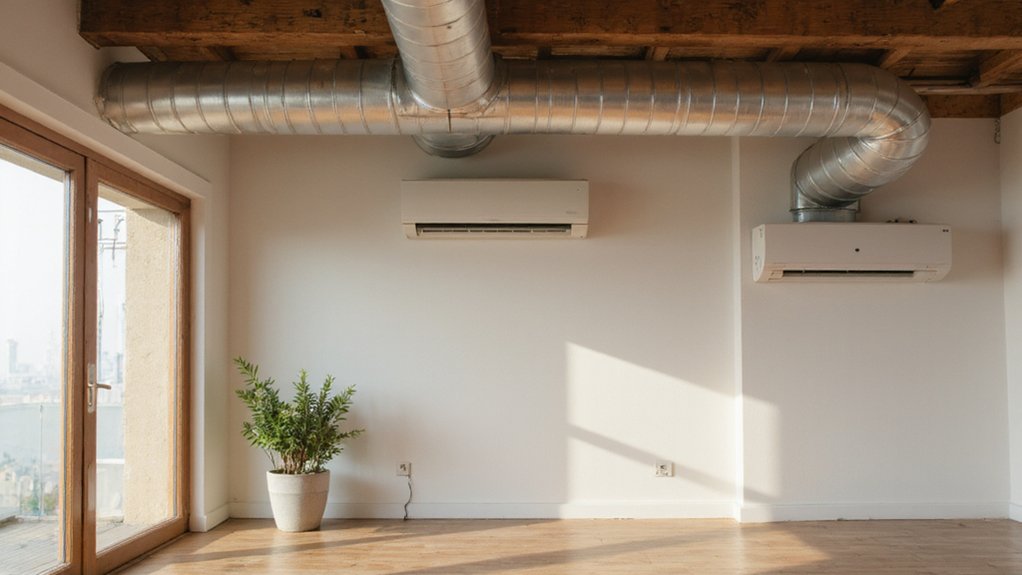
Ducted heat pumps use a central outdoor and indoor system connected to a network of ducts. The system moves conditioned air through these ducts and delivers it to different rooms through vents.
During colder weather, the heat pump transfers heat from the outdoor air into the home. During warmer weather, the process reverses, allowing the system to remove heat from indoor spaces.
One advantage of a ducted system is its ability to condition several rooms from one central system. This can make sense for larger homes where homeowners want a consistent temperature throughout the living space.
Ductwork also keeps the main indoor equipment out of sight. Vents can be placed in floors, walls, or ceilings, depending on the home's design.
Maintenance still matters. Filters need regular attention, and the ductwork should be checked for leaks or other problems. Poorly sealed or damaged ducts can allow conditioned air to escape before it reaches the rooms that need it.
Professional system repairs and maintenance can also help identify issues with airflow, electrical components, refrigerant, or other parts of the system. Taking care of these tasks can help the heat pump continue working as expected and may extend its service life.
How Ductless Heat Pumps Work
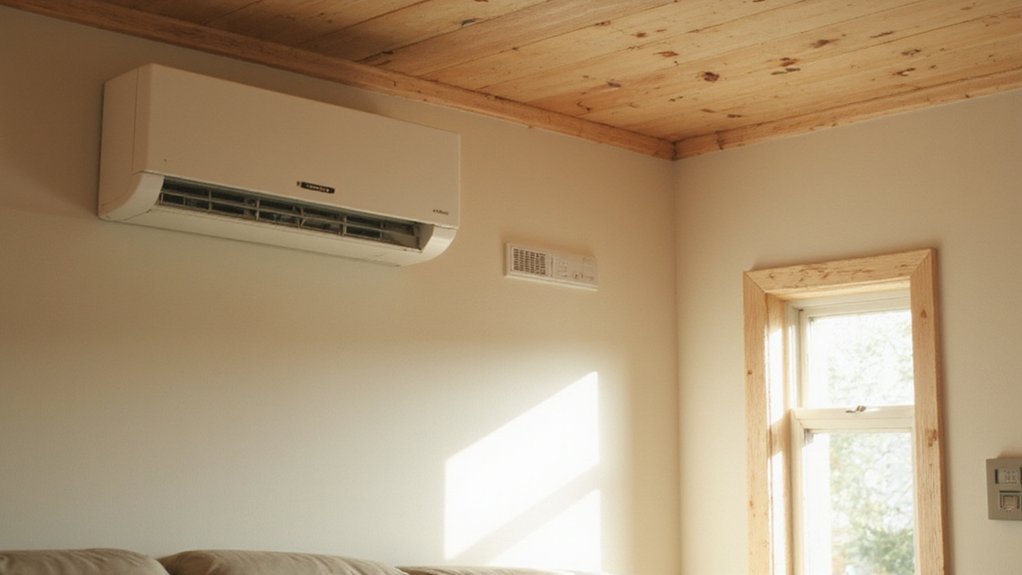
Ductless heat pumps provide heating and cooling without the need for traditional ductwork. A typical system includes an outdoor unit and one or more indoor air-handling units.
The outdoor unit contains components involved in the heat exchange process. Indoor units are installed inside the rooms or zones that need heating and cooling.
Because conditioned air is delivered directly into each space, ductless systems can be useful for homes where installing ductwork would be difficult or expensive. They can also work well for additions, converted spaces, garages, or rooms that do not connect easily to an existing central system.
The number and placement of indoor units depend on the home's layout and the amount of heating and cooling each area requires.
Components of Ductless Systems
A ductless heat pump system usually has three main parts: an outdoor unit, one or more indoor units, and a remote control or wall-mounted thermostat.
The outdoor unit houses the compressor and other components involved in transferring heat. Indoor units are mounted on walls or ceilings and distribute conditioned air directly into the room.
A single outdoor unit can often connect to multiple indoor units, depending on the system design. This makes it possible to create separate temperature zones within the home.
Each indoor unit can have its own controls, allowing occupants to adjust the temperature in individual areas. That can be useful when different rooms have different comfort needs.
The placement of the indoor units also matters. They should be positioned where they can distribute air effectively without creating unnecessary obstructions or discomfort.
Energy Efficiency Benefits
Ductless heat pumps can use energy effectively because they deliver conditioned air directly into the spaces being used. There is no ductwork between the indoor unit and the room, so the system does not have the same duct-related air losses found in ducted systems.
Many ductless heat pumps also use inverter technology. Instead of switching the compressor fully on and off each time the temperature changes, the system can adjust its output to match the heating or cooling demand.
Zoned heating and cooling can also help reduce unnecessary energy use. If certain rooms are not being used, their temperature settings can be adjusted rather than conditioning the entire home to the same level.
Actual energy use will depend on factors such as system size, insulation, outdoor temperatures, thermostat settings, and how the equipment is operated.
Key Differences Between Ducted and Ductless Heat Pumps
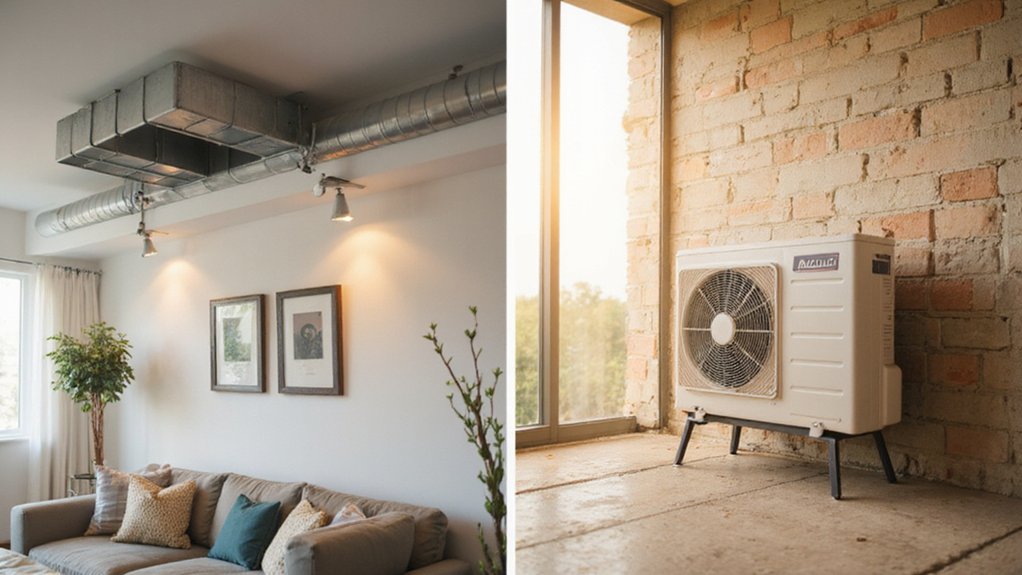
Ducted and ductless heat pumps can both provide year-round heating and cooling, but the installation process and day-to-day operation are different.
Ducted systems depend on a network of ducts, while ductless systems deliver conditioned air through individual indoor units. The best fit often comes down to how your home is built and how you want to control temperatures in different areas.
Installation Requirements Comparison
While both systems provide heating and cooling, their installation requirements are quite different.
A ducted heat pump needs suitable ductwork to distribute air throughout the home. If your house already has properly sized and usable ducts, installation may be more straightforward. If no ductwork exists, adding it can require access to walls, ceilings, floors, or other parts of the building.
The amount of work can also depend on the age and design of the home. Older houses may not have enough space for new ductwork, or the existing ducts may need repairs or modifications.
Ductless heat pumps do not require this network of ducts. Indoor units can be mounted on walls or ceilings, with refrigerant lines connecting them to the outdoor unit.
That can make ductless systems a practical option for older homes, additions, remodeled rooms, and other spaces where installing ducts would be difficult.
Installation still needs careful planning. Indoor unit placement, outdoor unit location, electrical requirements, drainage, and refrigerant lines all need to be considered.
Energy Efficiency Differences
The way each system distributes air can affect energy use.
Ducted systems can lose some conditioned air through leaks or poorly insulated ducts. The amount of loss depends on the condition and location of the ductwork. Ducts located in unconditioned areas can be especially important to inspect because temperature differences in those spaces can affect system performance.
Ductless systems avoid these duct losses because the indoor units deliver conditioned air directly into their respective zones.
Many ductless systems can also adjust their output according to the heating or cooling demand. This can help the system avoid using more energy than necessary.
That does not mean every ductless heat pump will use less energy than every ducted system. System size, equipment ratings, installation quality, insulation, climate, and operating habits all play a role.
Ducted Heat Pump Benefits
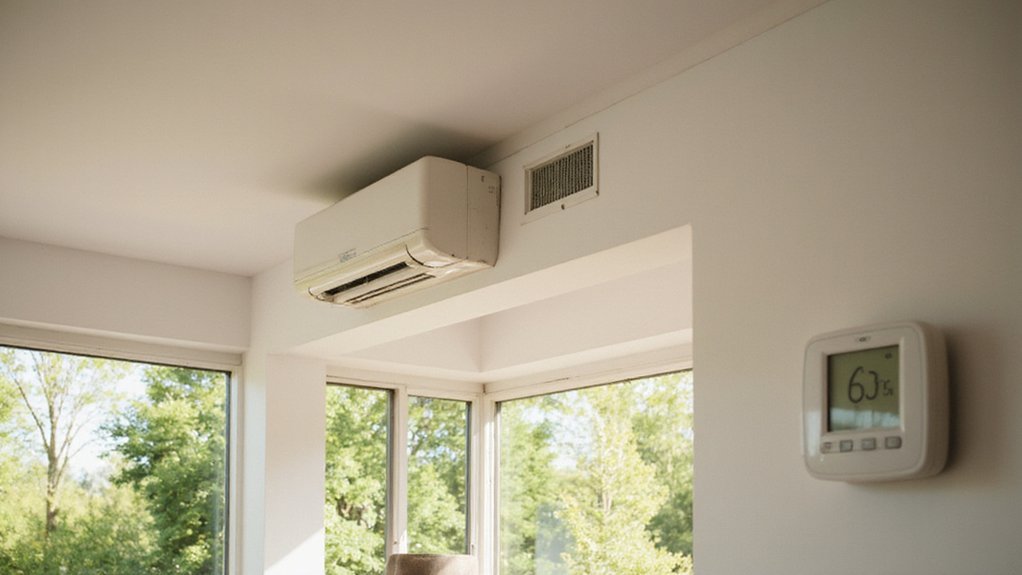
Ducted heat pumps can be a good fit for homes where several rooms need heating and cooling at the same time.
One of their main benefits is whole-home air distribution. A properly designed duct system can deliver conditioned air to bedrooms, living areas, kitchens, and other rooms from one central system.
The equipment is also mostly hidden from view. Instead of having an indoor unit mounted on the wall in each room, the system uses vents connected to the ductwork.
Ducted systems can also be a practical choice when a home already has usable ductwork. In that situation, homeowners may not need to make major changes to the interior layout.
Maintenance involves tasks such as replacing or cleaning filters, checking airflow, inspecting ductwork, and having the heat pump serviced when needed.
The cost of running a ducted system depends on the home's size, insulation, duct condition, equipment rating, outdoor temperature, and thermostat settings. A well-designed system can provide consistent comfort, but poor ductwork can affect performance.
Choosing the Right Heat Pump for Your Home?
Choosing between a ducted and ductless heat pump starts with looking at the home itself.
Consider the size of your home, the number of rooms that need heating and cooling, and whether suitable ductwork already exists. A larger home with an existing duct network may be a good candidate for a ducted system.
Homes without ductwork may be better suited to a ductless setup. This can also apply to additions, renovated rooms, garages, or areas that are difficult to connect to a central duct system.
Heat pump sizing is another factor. A system that is too large can cycle on and off more frequently, while a system that is too small may struggle to keep up with heating and cooling demand.
Insulation should also be considered. Poor insulation can increase the amount of heating or cooling a home needs, regardless of which type of heat pump is installed.
Your budget matters as well. Look at both the installation cost and the expected operating costs over time. A lower upfront price does not always mean lower long-term costs.
If you're unsure which system fits your home, a qualified heating and cooling professional can assess the property, review the existing ductwork, calculate the heating and cooling load, and help with heat pump installation based on your home's needs.
Frequently Asked Questions
How Long Do Ducted and Ductless Heat Pumps Typically Last?
Ducted heat pumps can often last around 15 to 20 years, while ductless models may last around 20 to 25 years when properly installed and maintained. Actual service life can vary based on equipment quality, climate, operating conditions, installation, and maintenance.
Can I Install a Ductless Heat Pump in a Commercial Space?
Yes, ductless heat pumps can be installed in some commercial spaces. The right setup depends on the building's layout, room sizes, electrical requirements, unit placement, and heating and cooling needs.
Commercial applications may require several indoor units or a system designed for larger spaces. A professional assessment can help determine the appropriate equipment and configuration.
Are There Noise Differences Between Ducted and Ductless Systems?
Yes. Ducted systems can keep much of the equipment and airflow away from occupied areas, which may help reduce noticeable operating noise.
Ductless systems have indoor units inside the rooms they serve, so some operating sound can be heard directly. Noise levels depend on the equipment, installation, fan speed, and location of the indoor unit.
What Maintenance Is Required for Each Type of Heat Pump?
Both types need regular maintenance. Filters should be cleaned or replaced as recommended, and the system should be checked for airflow, refrigerant issues, and general operating problems.
Ducted systems also need attention to the ductwork. Leaks, damaged insulation, or restricted airflow can affect how well the system heats and cools the home.
Ductless systems require cleaning around the indoor units and filters, along with checks of the outdoor equipment and other system components.
Following the manufacturer's maintenance schedule can help keep the equipment working properly.
How Do Energy Efficiency Ratings Compare Between the Two Systems?
Ductless heat pumps often have high energy efficiency ratings, partly because they do not lose conditioned air through ductwork. Their ability to heat and cool individual zones can also help reduce energy use in some homes.
Ducted heat pumps can still perform well when they are correctly sized, installed, and maintained. Well-sealed and properly insulated ducts can reduce air loss and help the system operate as intended.
When comparing systems, look at the specific equipment ratings rather than assuming one type will always use less energy.
Conclusion
Choosing between ducted and ductless heat pumps depends on your home's size, layout, existing ductwork, budget, and heating and cooling needs.
Ducted systems can be a practical choice for whole-home heating and cooling, especially when a suitable duct network is already in place. Ductless systems can offer more control over individual rooms and may be easier to install in homes without ductwork.
Think about how your household uses each room, how much space needs to be conditioned, and what type of installation your home can support. Comparing equipment ratings, installation requirements, maintenance needs, and expected operating costs can help you choose a system that fits your home and comfort needs.

other blog posts
The Benefits of Upgrading to an Energy-Efficient HVAC System
What Questions Should I Ask Before Hiring an HVAC Company?
Differences between a low and high quality HVAC systems
Ready to Enhance Your Comfort
Contact us today to schedule your service, learn about energy-saving rebates, and feel comfortable in your home all year round.

