 CALL US

related posts
What Questions Should I Ask Before Hiring an HVAC Company?

Hiring an HVAC company is a decision worth taking your time with. The contractor you choose may be responsible for repairs, maintenance, or a major system installation, so it helps to know what you're getting before work begins.
Start by asking about licensing and insurance. You can also ask how long the company has been working in the HVAC field, what certifications its technicians hold, and how pricing is handled.
Don't forget about warranties and service policies. A clear answer can tell you a lot about what to expect after the work is finished.
Key Takeaways
- Ask about licensing and insurance before agreeing to HVAC work.
- Request customer references or reviews to learn about previous experiences.
- Find out what service guarantees the company provides.
- Ask how long the company has worked in the HVAC industry.
- Check what warranties cover parts and labor, including any extended options.
- Get a clear explanation of pricing before work starts.
- Ask how maintenance visits and emergency calls are handled.
Key Qualifications for Choosing an HVAC Company?

When you're comparing HVAC companies, begin with the basics. Ask whether the company is properly licensed and insured for the work it performs. These details can help protect you if something goes wrong during a repair or installation.
Customer feedback is another useful place to look. Reviews can give you an idea of how the company communicates, handles appointments, and responds when a customer has a concern. A few negative reviews don't automatically mean you should rule out a company, but repeated complaints about the same issue deserve attention.
It's also worth asking about service guarantees. Find out what happens if a repair doesn't solve the problem or if an issue appears shortly after an installation. A company that can explain its policy clearly makes it easier to understand what you're paying for and what support is available afterward.
Before hiring anyone, ask for these details in writing when possible. Having the information in front of you gives you something to refer back to if questions come up later.
How to Evaluate HVAC Company Experience?
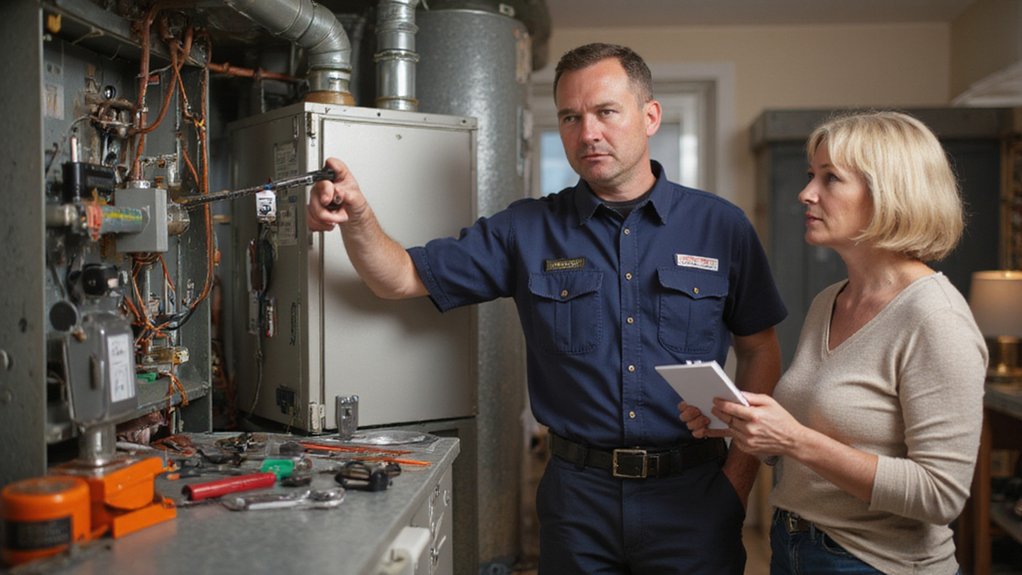
Experience can tell you how familiar an HVAC company is with different systems, repair situations, and installation requirements. Ask how long the company has been operating and whether its technicians regularly work on systems similar to yours.
It's also worth asking about certifications and licenses. These can show that technicians have received training and meet the requirements that apply to their work.
A company that has handled your type of HVAC system before may be better prepared to identify the cause of a problem and explain your options. Still, years in business alone shouldn't be the deciding factor. Look at experience alongside customer feedback, licensing, certifications, warranties, and the way the company communicates with you.
Industry Experience Duration
Ask how long the HVAC company has been serving customers and what types of systems it typically works on. A contractor that has spent years handling residential heating and cooling may have encountered a wide range of repair and installation situations.
You can also ask whether the technician assigned to your job has experience with your particular equipment. This matters when you're dealing with an older system, a specialized setup, or a problem that hasn't been easy to diagnose.
Customer reviews can provide another view of the company's history. Look for comments that mention repairs, installations, communication, appointment times, and follow-up service.
Don't rely on the number of years alone. A newer company may still have experienced technicians, while a long-established business may not be the right fit for every type of job.
Ask direct questions about the work you need. The answers can help you judge whether the company has handled similar projects before.
Certifications and Licenses
Before hiring an HVAC company, ask which licenses and certifications its technicians hold. Licensing requirements vary by location, so the company should be able to explain which credentials apply to the work being performed.
Certifications can also provide information about a technician's training. Organizations such as NATE and HVAC Excellence offer industry certifications that cover different areas of heating, ventilation, and air conditioning work.
Ask to see proof if you're unsure. A professional contractor should be comfortable explaining its credentials and providing the information you need to verify them.
It's also worth asking whether the person who provides the estimate will be the same technician who performs the work. If different people are involved, knowing who will handle the job can make communication easier.
What HVAC Services Should You Consider?

The HVAC services you need will depend on your home's heating and cooling system and the reason you're contacting a contractor.
For example, a company may offer repairs, routine maintenance, heat pump installation, ductwork services, or emergency assistance. Ask which services the company handles directly and whether technicians have experience with your particular equipment.
If you're considering a new system, ask about the different equipment options available for your home. Central air conditioning, heat pumps, and furnaces can serve different needs, and the right choice depends on factors such as your existing setup, home size, climate, and budget.
Maintenance should also be part of the conversation. Ask what a routine visit includes. Filter checks, system inspections, electrical connections, moving parts, and ductwork may all need attention depending on the equipment.
If you're replacing an older unit, ask about energy-efficient models and the expected operating costs. A higher purchase price doesn't automatically mean a better choice, so ask the contractor to explain the differences between the options.
Emergency service is another area worth checking. If your heating or cooling system stops working outside regular business hours, you'll want to know whether the company handles urgent calls and how those calls are scheduled.
How Do They Set Pricing for HVAC Services?

Before agreeing to HVAC work, ask exactly how the company calculates the price. The total may depend on the equipment, labor, materials, type of service, and complexity of the job.
A written estimate can make these costs easier to understand. Ask whether the quoted price includes labor, parts, permits, disposal fees, service charges, and any other costs that could appear on the final bill.
It's also useful to ask what could cause the price to change. For example, a repair may reveal another damaged component once the technician opens the system. Knowing how additional work is approved can help prevent surprises.
Pricing Structure Explained
HVAC companies may use different pricing methods. Some charge a flat rate for certain repairs, while others bill based on labor, materials, or a combination of both.
Ask what pricing method the company uses before work begins. If a service package or maintenance plan is offered, request a breakdown of what it includes and how often the service is performed.
A detailed quote should be easy to follow. You shouldn't have to guess what a line item means or which parts of the job are included.
If you're comparing several companies, give each contractor the same information about your system and the work you need. This makes it easier to compare the quotes on similar terms.
Don't automatically choose the lowest price. A very low quote may leave out services, materials, or other costs that another company has included. Look at the full scope of work and ask questions about anything that isn't clear.
Factors Influencing Costs
Several factors can affect HVAC pricing. Installation costs may change based on the type and size of the equipment, the layout of your home, existing ductwork, electrical requirements, and the amount of labor involved.
The equipment's energy rating can also affect the purchase price. Some higher-efficiency systems cost more upfront but may use less energy during operation. Ask the contractor to explain the expected differences rather than assuming a more expensive unit will always be the right choice.
Labor rates can vary between contractors and locations. Materials and replacement parts may also differ in price.
Your home's existing HVAC setup matters, too. Replacing a system with a similar model may require less work than changing the type of equipment or updating other parts of the system.
Ask the contractor to explain each major cost. A clear conversation before the work begins can help you understand where your money is going.
What Warranties Should You Expect?

Ask what warranties are available for both parts and labor before hiring an HVAC company. Parts warranties and labor warranties may cover different periods and conditions, so don't assume one warranty covers everything.
A parts warranty may last several years, while labor coverage can be shorter. The exact terms depend on the manufacturer and contractor.
Ask which components are covered, how long the coverage lasts, and whether there are conditions you need to meet to keep the warranty active.
You should also ask what happens if a covered part fails. Will the company handle the warranty claim, or will you need to contact the manufacturer yourself?
If extended warranty coverage is available, ask what it adds and what it costs. Read the terms before paying for additional coverage.
A clear warranty can make it easier to understand what happens if something goes wrong after the work is completed. Don't hesitate to ask for the warranty terms in writing.
How Do They Manage Maintenance and Emergencies?
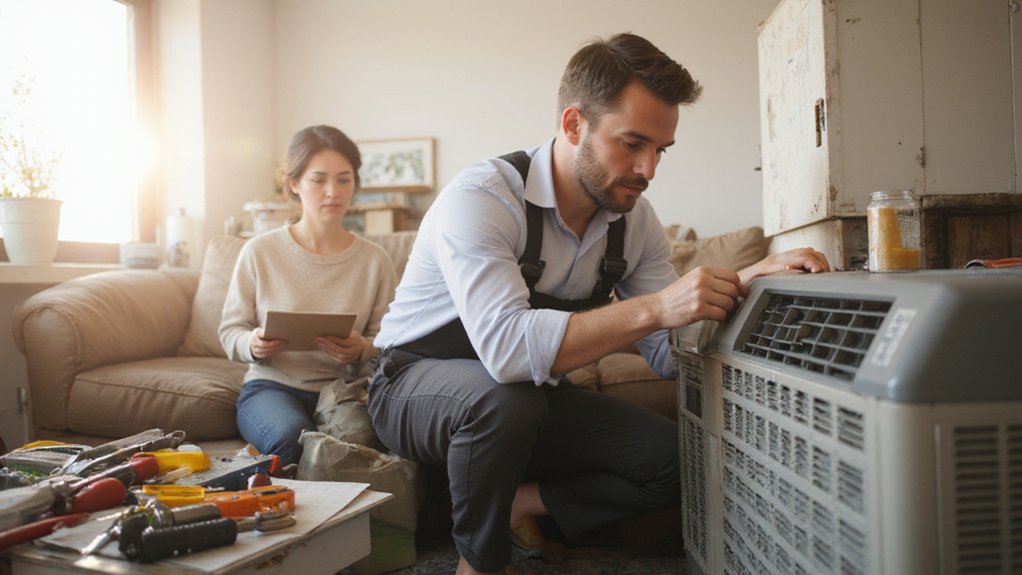
Maintenance and emergency service can make a difference when you're choosing an HVAC company. Ask how often the company recommends maintenance for your system and what technicians check during each visit.
A maintenance appointment may include inspecting the equipment, checking filters, looking at electrical connections, and reviewing system operation. The exact work depends on the type of HVAC system you have.
Ask whether you'll receive a written record after each visit. Service records can help you keep track of repairs, maintenance, and parts that have been replaced.
Emergency service deserves a few questions of its own. Find out whether the company offers after-hours support and what qualifies as an emergency call.
Ask about typical response times, service charges, and whether emergency visits cost more than regular appointments. You can also ask who handles calls outside normal business hours.
If your HVAC system fails during extreme weather, knowing the process ahead of time can make an uncomfortable situation easier to manage.
Frequently Asked Questions
What Types of HVAC Brands Do You Recommend and Why?
Ask the HVAC contractor which brands they regularly install and service, and then ask why they recommend them. Trane and Carrier are examples of well-known HVAC brands, but the right system depends on your home's needs, existing equipment, budget, and expected operating costs.
Rather than choosing a brand based only on name recognition, ask about the equipment's energy rating, warranty, available parts, and service requirements.
How Do You Handle Customer Complaints and Disputes?
Ask the company how it handles complaints when you're considering hiring it. A clear process should explain who you contact, how the concern is reviewed, and what happens if the original work needs another visit.
You can also look at customer reviews for examples of how the company has responded to complaints in the past. Pay attention to whether responses are professional and whether the company attempts to address the customer's concern.
What Safety Measures Do You Implement During Installations?
Ask what safety procedures technicians follow during an HVAC installation. The answer may include technician training, equipment handling, electrical safety, proper installation procedures, and checks performed before the system is put into operation.
It's reasonable to ask whether the technicians working on your home are trained for the equipment being installed. You can also ask what steps are taken to keep the work area safe while the installation is underway.
Can I See Customer Reviews or References Before Hiring?
Yes. Ask for recent customer reviews or references before making your decision. Reviews can give you a better idea of how the company handles scheduling, communication, repairs, installations, and follow-up questions.
If the company provides references, ask those customers about the type of work completed, whether the project stayed within the quoted price, and how the company handled any issues that came up.
What Is Your Policy on Subcontracting Work to Other Companies?
Ask whether the HVAC company performs all work with its own employees or brings in subcontractors for certain jobs.
If subcontractors are used, ask who will be responsible for the work and whether the subcontractor has the necessary licenses and insurance. You should also know who to contact if you have a question or concern during the project.
Clear communication about subcontracting can help you understand who will be working in your home and who is responsible for the completed work.
Conclusion
Choosing an HVAC company starts with asking clear questions before you agree to the work. Check licensing, insurance, experience, certifications, pricing, warranties, maintenance services, and emergency support.
Take time to review the answers rather than focusing only on the quoted price. Ask for written estimates and warranty details when possible, and compare companies based on the full scope of the work.
A contractor who can explain the job, costs, timeline, and service terms clearly gives you a better idea of what to expect. With the right questions, you can choose an HVAC company that fits your home, your system, and your budget.

other blog posts
What Is Included in a Professional Heat Pump Installation?
How to Choose the Right Size HVAC System for Your Home
What Are the Benefits of a Smart Thermostat?
Ready to Enhance Your Comfort
Contact us today to schedule your service, learn about energy-saving rebates, and feel comfortable in your home all year round.

