
 CALL US
related posts
How Do I Know If My Air Ducts Need Cleaning?
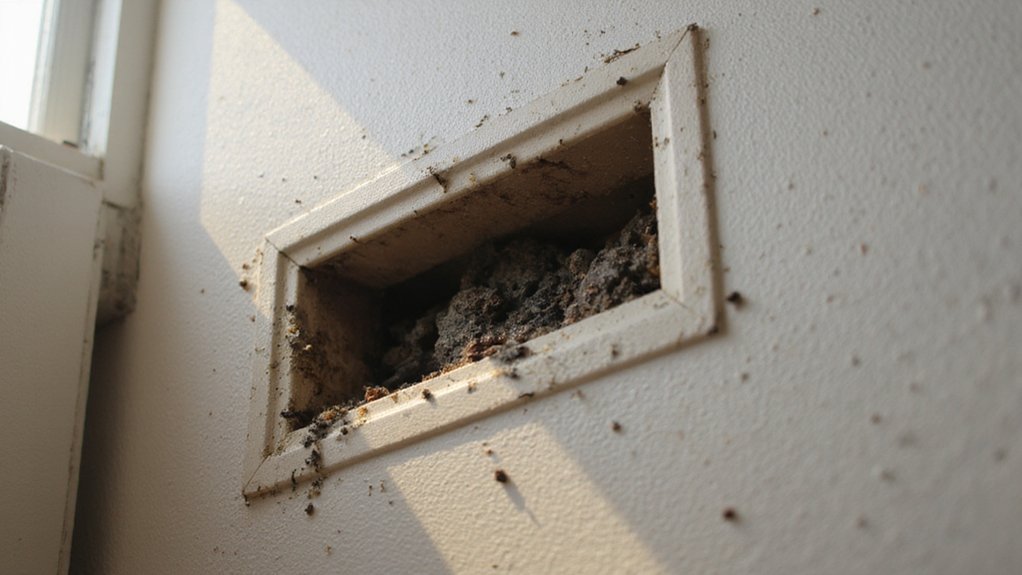
You might not think about your air ducts very often, but they play a quiet role in the air you breathe every day. When they’re clean, your home feels fresher and more comfortable. When they’re not, you may start to notice small changes that build up over time.
Dust shows up faster on surfaces. The air feels heavier. Maybe there’s a smell you can’t quite place. These are easy to ignore at first, but they often point to something deeper inside your ductwork.
Learning what to watch for can help you act early and avoid bigger issues later. Let’s walk through the signs, what they mean for your health, and what you can expect if you decide to get your ducts cleaned.
Key Takeaways
- Noticeable decline in indoor air quality, such as increased dust or musty odors when the HVAC system operates.
- Visible mold growth around vents or inside ducts indicates a need for cleaning.
- Respiratory issues or allergies worsening in your home can signal contaminated air ducts.
- Regular dust accumulation around your home suggests that ducts may be clogged.
- Schedule cleanings every three to five years, or more frequently if pets or allergies are present.
What Are the Signs That Your Air Ducts Need Cleaning?
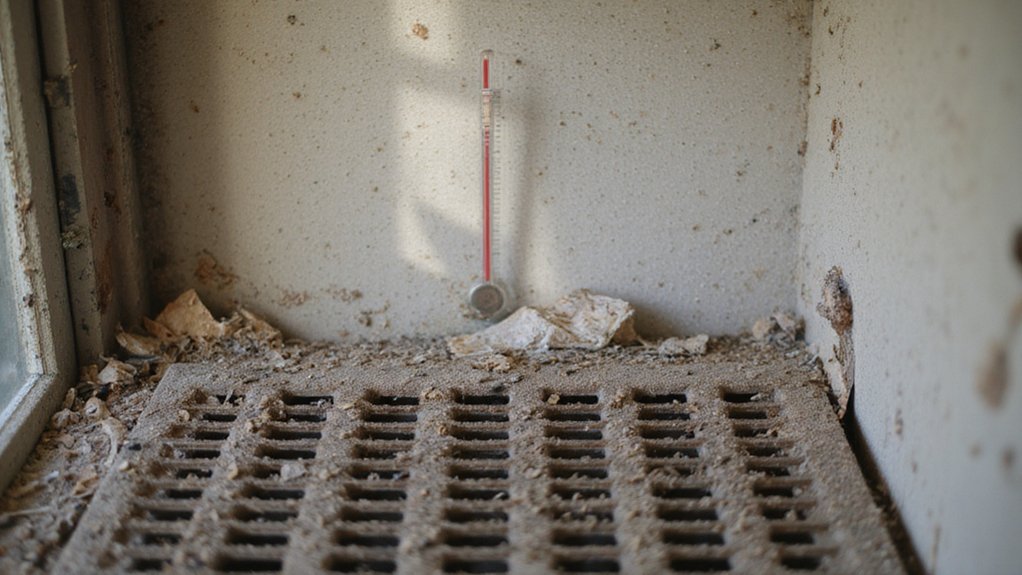
Have you noticed your home getting dusty faster than usual? Or maybe the air feels a bit stale, even after cleaning. These are often the first signs that something is off.
Air ducts move air throughout your home. When they collect dust, that dust does not just stay hidden. It travels back into your living space. You wipe surfaces, only to see the same layer return again within a day or two.
Another clear sign is mold. If you see dark spots around vents or inside the duct openings, it needs attention right away. Mold can spread quietly and affect more than just the smell of your home.
Speaking of smell, pay attention when your system turns on. A musty or damp odor is not normal. It often points to buildup inside the ducts, sometimes mixed with moisture.
You might also notice weaker airflow in certain rooms. That can happen when debris blocks parts of the system.
These signs may seem small on their own, but together they paint a clear picture. Your ducts are likely overdue for a proper cleaning.
How Does Poor Air Quality Affect Your Health?
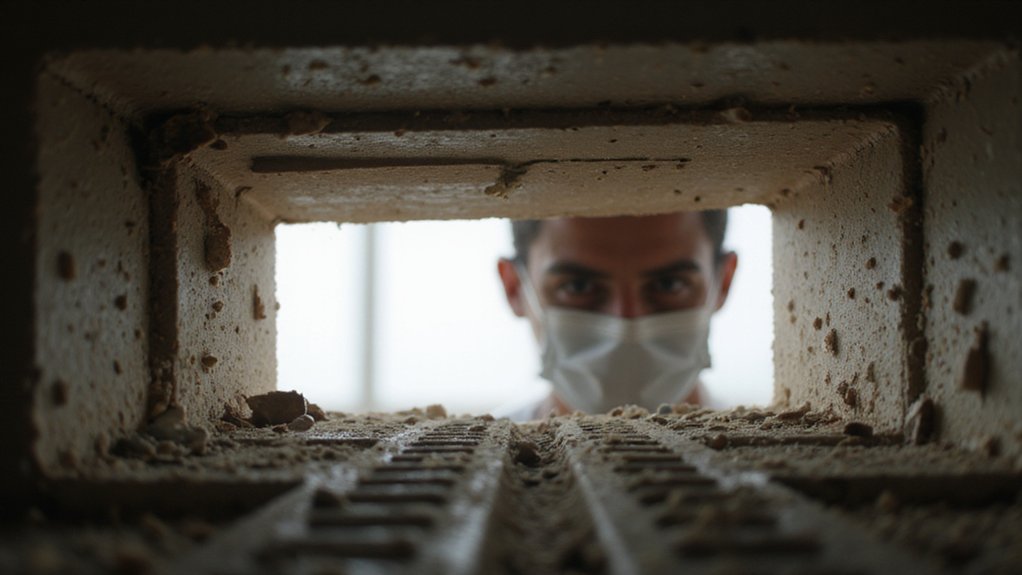
Air quality inside your home has a direct effect on how you feel each day. When the air is clean, breathing feels easy and natural. When it is not, your body reacts in subtle and sometimes serious ways.
Dust, mold spores, and other particles can move through dirty ducts and into the air you breathe. Over time, this can irritate your lungs and airways.
People with allergies often notice symptoms getting worse at home. Sneezing, itchy eyes, and congestion can become more frequent. For those with asthma, it can trigger flare-ups that are harder to control.
Even if you do not have a known condition, you might still feel the effects. Headaches, fatigue, or a general sense of discomfort can be linked to poor indoor air.
Children and older adults tend to be more sensitive to these changes. Their bodies react more quickly to pollutants in the air.
Clean ducts help reduce these risks. They support a healthier environment where the air feels lighter and easier to breathe.
What to Expect During Air Duct Cleaning?

If you have never scheduled air duct cleaning before, you might wonder what actually happens during the process. It is more straightforward than most people expect.
It usually starts with a close inspection. Technicians look inside your ducts to check for dust buildup, blockages, or signs of mold. This step helps them understand what needs to be done.
Once the inspection is complete, they begin cleaning using specialized tools. High-powered vacuums pull out dust and debris, while rotating brushes loosen anything stuck to the duct walls.
Vents and registers are often covered during the process. This helps keep dust from spreading into your home while the work is being done.
After cleaning, the system is checked again to make sure everything is clear and working as it should.
The whole process can take a few hours, depending on the size of your home and the condition of your ducts. When it is done, many people notice the difference almost right away. The air feels cleaner, and airflow improves across rooms.
How Often Should You Clean Your Air Ducts?
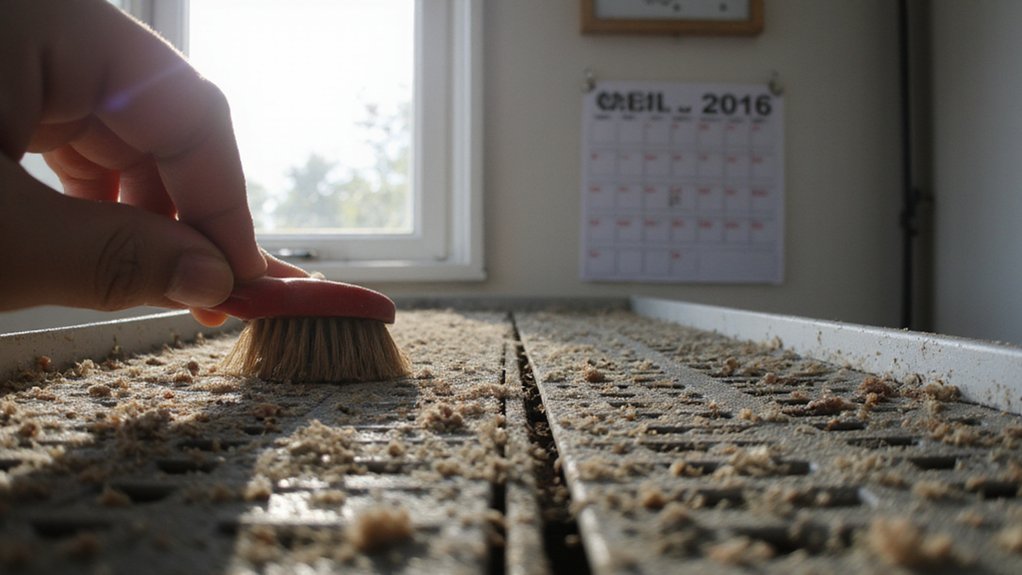
There is no single rule that fits every home, but there are some general guidelines that can help.
Most homes benefit from air duct cleaning every three to five years. This range works well for average households without major air quality concerns.
Still, some situations call for more frequent attention. If you have pets that shed, hair and dander can build up faster inside the system. If someone in your home has allergies, cleaner ducts can make a noticeable difference in daily comfort.
Smoking indoors can also lead to residue inside ducts, which affects both smell and air quality.
Seasonal timing matters too. Many homeowners choose to clean ducts before heavy heating or cooling seasons. This helps the system run more smoothly when you rely on it the most.
Regular checks are just as important as cleaning itself. A quick look at vents or a professional inspection can tell you if it is time sooner than expected.
Easy DIY Tips for Air Duct Maintenance
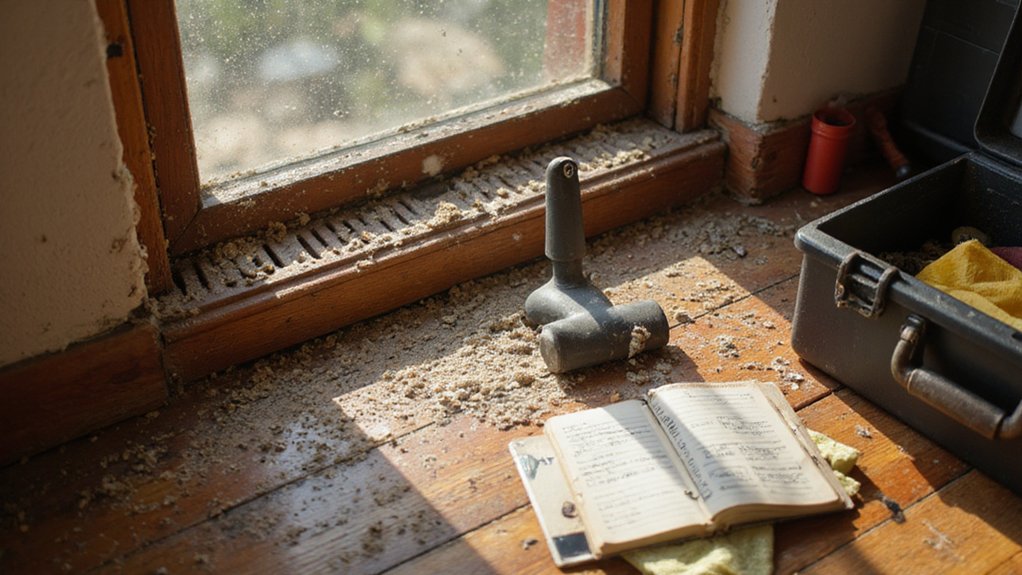
While deep cleaning is best left to professionals, there are simple things you can do to keep your system in better shape between visits.
Start with regular inspections. Take a few minutes every couple of months to look at your vents. Check for dust buildup, discoloration, or anything unusual.
Filters play a huge role in air quality. Replacing them every one to three months can make a big difference. A clean filter helps trap dust before it enters your ducts.
Vents and registers should be cleaned from time to time as well. A quick vacuum helps remove surface dust and keeps airflow steady.
Keep an eye on any changes in airflow. If a room suddenly feels stuffy or less ventilated, it could point to a blockage somewhere in the system.
Also, listen to your HVAC system. Strange sounds or reduced performance can signal that something is not right.
These small habits do not replace full cleaning, but they help slow down buildup and keep your home feeling fresh longer.
Frequently Asked Questions
Can I Clean My Air Ducts Myself?
You can handle basic maintenance like cleaning vents and replacing filters. Full duct cleaning is more complex and usually requires professional tools. Without the right equipment, it is hard to remove deeper buildup.
How Much Does Professional Air Duct Cleaning Cost?
Costs usually fall between $300 and $500. The final price depends on the size of your home and how much cleaning is needed. Larger systems or heavy buildup can increase the cost.
What Tools Are Needed for Air Duct Cleaning?
Professionals use tools like rotary brushes, strong vacuum systems, and air compressors. These help remove dust and debris from deep inside the ducts.
Are There Any Health Risks From Dirty Air Ducts?
Yes, there can be. Dirty ducts can spread dust, mold, and other particles through your home. This can lead to breathing issues, allergies, and discomfort over time.
How Long Does Air Duct Cleaning Take?
Most jobs take between two and four hours. The time depends on the size of your system and how dirty the ducts are.
Conclusion
Paying attention to your air ducts may not be part of your daily routine, but it should not be ignored for too long. Small signs like dust buildup or unusual smells often point to something deeper.
Regular checks, simple maintenance, and occasional professional cleaning can make a real difference in how your home feels. The air becomes cleaner, the system runs better, and your space feels more comfortable overall.
If something seems off, it is worth looking into. A little attention now can help you avoid bigger issues later and keep your indoor environment in good shape.

other blog posts
Is a Heat Pump Right for My Home?
AC Installation Mistakes Homeowners Should Avoid
Why Does My HVAC Smell Bad? Common Causes & Fixes
Ready to Enhance Your Comfort
Contact us today to schedule your service, learn about energy-saving rebates, and feel comfortable in your home all year round.

