
 CALL US
related posts
What Size Air Conditioner Do I Need for My Home?

Choosing the right air conditioner for your home starts with understanding size. This is not about brand names or extra features. It comes down to how much space you need to cool and how your home handles heat. When the size is right, your home feels comfortable, energy use stays reasonable, and the system lasts longer.
Many homeowners rush this step and rely on guesswork. That often leads to rooms that never feel cool enough or systems that turn on and off all day. Both situations create frustration and higher bills. Taking a little time to understand sizing helps you avoid those problems.
This guide walks through room measurements, BTUs, insulation, sunlight, climate, and layout. Each part plays a role. When you look at them together, Choosing the right air conditioner for your home starts with understanding size.
Key Takeaways
- Measure your room dimensions in feet to calculate the total area that needs cooling.
- Use BTUs as a sizing reference, adjusted for ceiling height and how many people use the space.
- Check insulation quality and sunlight exposure, since both affect how much heat enters your home.
- Factor in your local climate, especially humidity and extreme summer temperatures.
- Avoid undersized or oversized units to prevent poor comfort, higher bills, and system strain.
How to Measure Your Room Size for an AC Unit
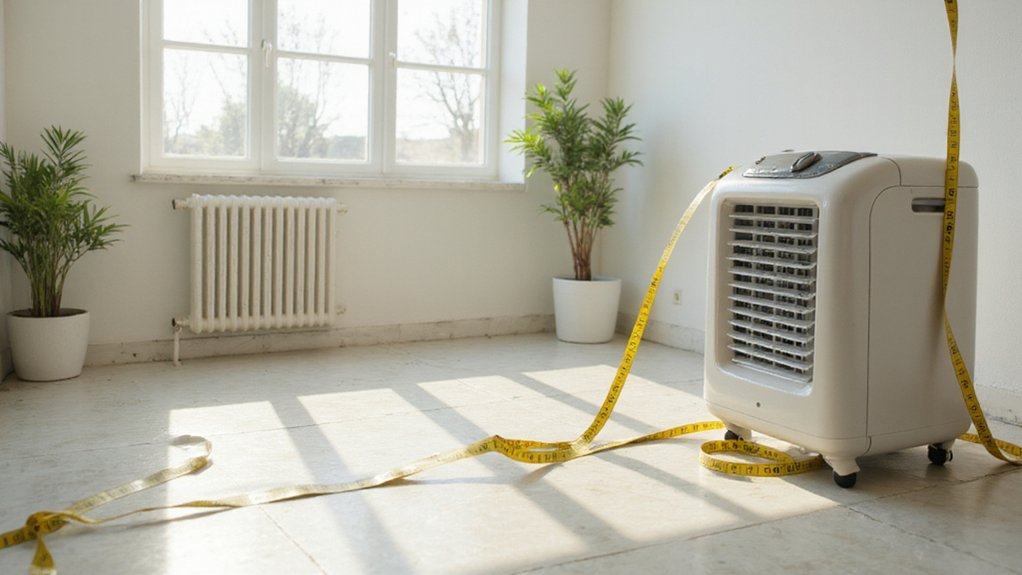
Before looking at air conditioner sizes, you need accurate room measurements. This step sets the foundation for everything else. Start with a tape measure and write down the length and width of the room in feet.
Multiply those numbers to get the square footage. For example, a room that is 15 feet long and 12 feet wide equals 180 square feet. That number is used later when estimating BTU needs.
If the room has an unusual shape, break it into smaller rectangles. Measure each section and add them together. Alcoves, bump outs, and small extensions should be included, since they also need cooling.
Ceiling height matters too. Rooms with ceilings higher than eight feet hold more air, which means more heat. If your home has vaulted or tall ceilings, note that detail. It can affect the final size recommendation.
Careful measuring helps you avoid guessing. It also gives HVAC professionals better information if you decide to ask for guidance later.
What Are BTUs and Why Do They Matter?
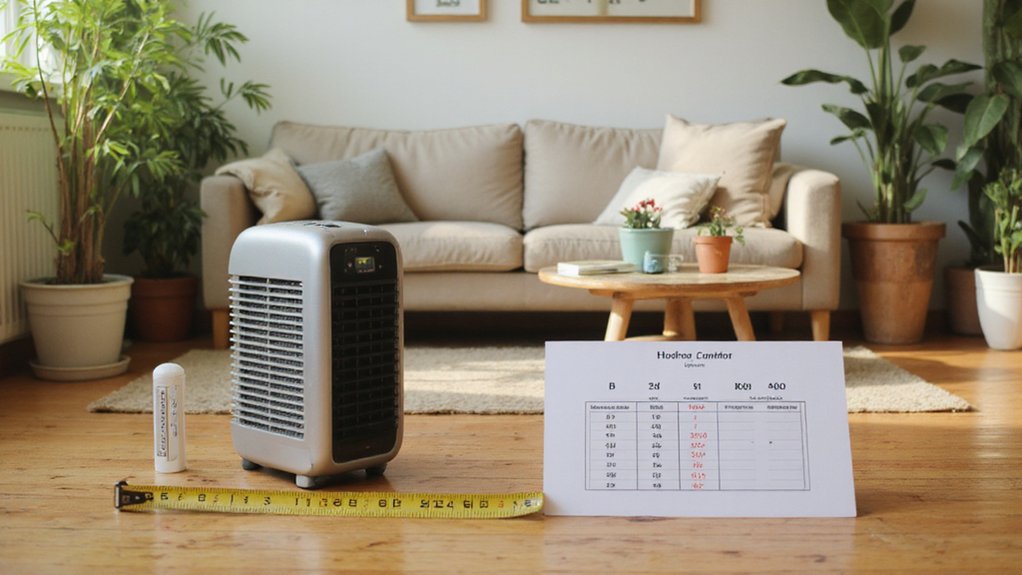
BTU stands for British Thermal Unit, which measures how much heat an air conditioner can remove in one hour. In simple terms, it measures how much heat an air conditioner can remove from a room in one hour. The higher the BTU number, the more cooling power the unit has.
Choosing the right BTU range is one of the most important parts of sizing an air conditioner. Too few BTUs means the unit runs constantly and still struggles to cool the space. That leads to discomfort and higher electricity use.
Too many BTUs create a different issue. The unit cools the room too fast, shuts off, then starts again a short time later. This frequent cycling wastes power and puts extra wear on the system. It also does a poor job removing moisture from the air.
BTU estimates usually start with room size. A small bedroom needs far fewer BTUs than a large living area. Other details, like ceiling height and how many people use the room, also matter.
When BTUs match the space, cooling feels steady and consistent. The system runs in longer, smoother cycles, which helps with comfort and long term performance.
How Insulation and Sunlight Affect Air Conditioner Size
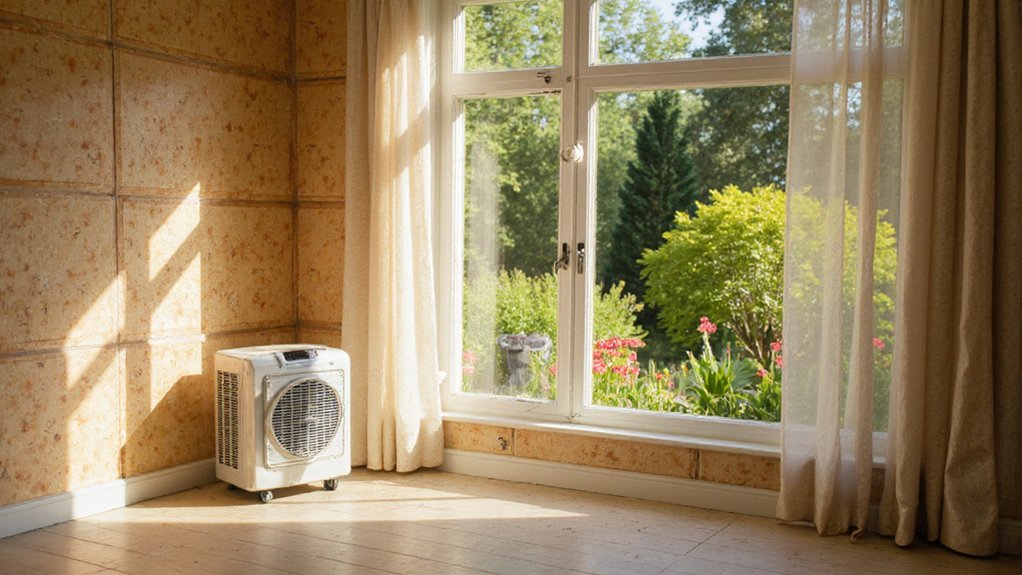
Insulation plays a quiet but major role in cooling. It slows down heat entering your home and helps keep cool air inside. Homes with good insulation often need less cooling power than similar sized homes with poor insulation.
Different insulation materials perform differently. Fiberglass batts, foam board, and spray foam all reduce heat transfer in their own ways. Older homes may have gaps or thin insulation, which allows heat to move in more easily.
Sunlight exposure adds another layer. Rooms that face south or west often get direct sun for hours each day. That sunlight heats walls, floors, and furniture, raising the indoor temperature.
Large windows without shading can intensify this effect. Blinds, curtains, or reflective window films help reduce heat gain. When sunlight is controlled, the air conditioner does not need to work as hard.
If your home has strong insulation and limited sun exposure, a smaller unit may handle the space well. If insulation is lacking and sunlight is constant, a larger unit may be necessary to keep rooms comfortable.
How Does Your Climate Affect AC Size?

Climate has a direct impact on how hard an air conditioner must work. Temperature patterns and humidity levels vary widely from one region to another. Those differences affect sizing decisions.
In hot and humid areas, air conditioners remove both heat and moisture. High humidity makes indoor air feel warmer and heavier. To keep conditions comfortable, the system needs enough capacity to manage moisture along with temperature.
In dry climates, moisture removal is less of a concern. Even so, very high outdoor temperatures still place a heavy load on cooling systems. Homes in desert regions often need solid cooling capacity during peak summer months.
Areas with mild summers may not need large systems at all. In those locations, smaller units can provide comfortable cooling without excessive power use.
When selecting an air conditioner, think about your hottest days, not average ones. The unit should handle heat waves without constant strain. Proper sizing based on local climate helps maintain comfort while keeping energy use in check.
How Ceiling Height and Room Layout Impact AC Sizing
Ceiling height changes the amount of air inside a room. Higher ceilings mean more air volume, which takes more effort to cool. Standard sizing charts usually assume eight foot ceilings.
If your ceilings are taller, you may need additional cooling capacity. This is common in homes with vaulted ceilings or open loft areas. Warm air also rises, which can make upper portions of the room feel hotter.
Room layout matters just as much. Open concept spaces allow air to move freely, which can help spread cooling evenly. A single unit may cool multiple connected areas more effectively in these layouts.
Closed or segmented rooms trap air. Heat can build up in corners or behind doors. These spaces may need more focused cooling or separate units to stay comfortable.
When planning AC size, think about how air flows through your home. Layout and ceiling height work together to shape cooling needs.
Consequences of Choosing the Wrong Size AC Unit?
Choosing the wrong size air conditioner affects comfort, costs, and system health. An undersized unit struggles from the moment it turns on. It runs longer hours and still fails to cool the space properly.
This constant operation drives up electricity use and increases wear on parts. Over time, breakdowns become more likely. Rooms may stay warm even though the system never stops running.
Oversized units create different problems. They cool the air quickly but do not run long enough to remove moisture. The result is a space that feels cool but damp.
Frequent starting and stopping also stresses electrical components. This short cycling shortens the lifespan of the system and raises maintenance needs.
Both sizing mistakes lead to higher bills and less comfort. Taking the time to size the unit correctly helps avoid these issues and supports steady performance.
Frequently Asked Questions
Can I Use a Portable AC Unit Instead of a Central System?
Yes, portable AC units can work well in certain situations. They suit small spaces, apartments, or rooms that need occasional cooling. Installation is simpler, and upfront costs are usually lower.
Central systems work better for whole home cooling. They provide even temperature control across multiple rooms. The right choice depends on your space, budget, and how often cooling is needed.
How Often Should I Replace My Air Conditioner?
Most air conditioners last between 10 and 15 years. Age alone is not the only factor. Rising energy bills, uneven cooling, and frequent repairs signal that replacement may be near.
Regular maintenance can extend lifespan, but even well cared for systems wear out over time. When repairs become frequent, replacement often makes more sense.
What Are the Energy Efficiency Ratings I Should Consider?
Energy efficiency ratings help compare how much power different units use. SEER ratings are commonly used for central systems. Higher numbers mean lower electricity use under typical conditions.
Energy Star labels also help identify models that meet strict efficiency guidelines. Choosing efficient equipment can reduce monthly costs over the life of the system.
Do I Need to Service My AC Unit Annually?
Annual service is a good habit. Regular checkups help catch small issues early and keep the system running smoothly. Technicians clean coils, check refrigerant levels, and inspect electrical parts.
Routine service also helps maintain consistent cooling and can reduce the chance of sudden breakdowns during hot weather.
What Is the Average Lifespan of an Air Conditioner?
Most air conditioners last 15 to 20 years with proper care. Climate, usage patterns, and maintenance quality all influence lifespan.
Units that run constantly in hot climates may wear out sooner. Regular cleaning and professional service help support longer operation.
Conclusion
Choosing the right size air conditioner affects daily comfort and long term costs. Accurate room measurements, proper BTU calculations, and attention to insulation all play a role. Sunlight, climate, ceiling height, and layout add important context.
When these factors are considered together, selecting the right system becomes easier. A properly sized unit cools evenly, controls moisture, and runs efficiently. Taking the time to evaluate your home helps avoid common mistakes and supports a more comfortable living space.

other blog posts
Why Is My HVAC Blowing Weak Air?
Differences between a low and high quality HVAC systems
When Should I Replace My Air Conditioner?
Ready to Enhance Your Comfort
Contact us today to schedule your service, learn about energy-saving rebates, and feel comfortable in your home all year round.

