 CALL US
related posts
Why Does My HVAC System Keep Increasing My Energy Bills?
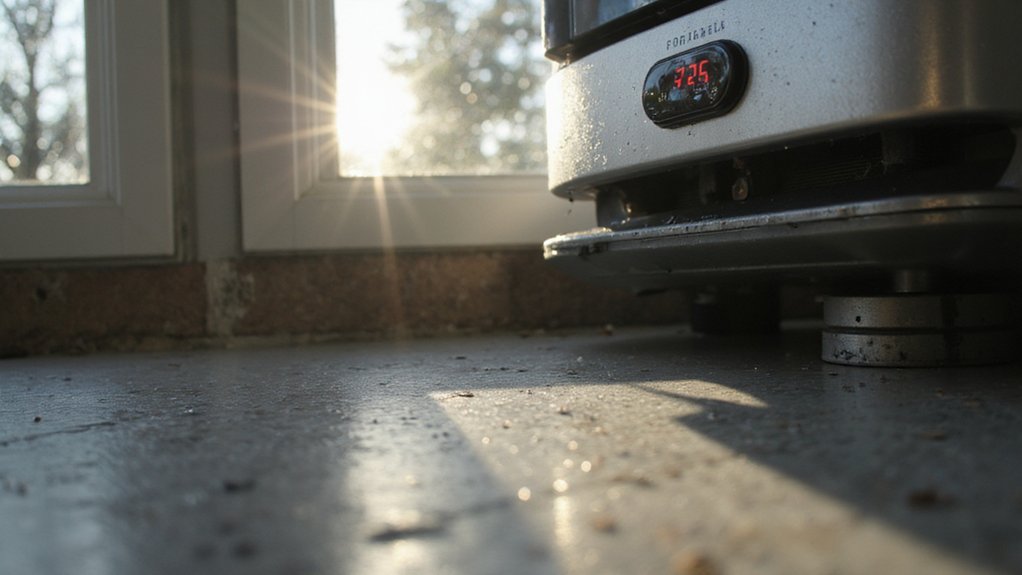
If your HVAC system is pushing your energy bills higher each month, you are not imagining it. Rising costs often point to something happening behind the scenes. Your system may be working harder than it should, even if everything seems fine on the surface.
Clogged filters, worn parts, duct leaks, aging equipment, and thermostat settings can all play a role. Over time, small inefficiencies build up. The result is longer run times and more electricity or gas use.
Let’s break down what might be happening and what you can do about it.
Are Rising Energy Bills a Sign of HVAC Inefficiency?

A steady increase in your energy bills often points to an HVAC system that is not operating as it should.
One of the most helpful steps you can take is scheduling an energy audit. During an audit, a professional checks insulation, ductwork, airflow, and overall system performance. They look for leaks, poor airflow, and outdated equipment that may be driving up costs.
After that, you can compare your recent energy usage with past bills. If your usage is climbing without a clear reason, your HVAC system is a likely factor.
When heating and cooling equipment loses efficiency, it runs longer cycles to reach the same temperature. Longer cycles mean higher bills.
Common Signs of HVAC Inefficiency

High energy bills are only one warning sign. Your system usually gives other clues before costs get out of control.
Paying attention early can help you avoid bigger repairs later.
Unusually High Energy Bills
If your monthly bill suddenly jumps and your usage habits have not changed, your HVAC system may be the cause.
Clogged filters, malfunctioning thermostats, or airflow restrictions force the system to work harder. When airflow is limited, the unit cannot heat or cool your home efficiently. So it keeps running.
Using an energy monitoring tool can help you spot unusual patterns. Compare this month’s usage to the same time last year. If there is a steady increase, it is worth having the system inspected.
Routine maintenance and replacing worn components can bring performance back to normal and help control costs.
Frequent System Breakdowns
If you are calling for repairs more often than you used to, that is another clear sign.
Frequent breakdowns usually mean internal components are wearing out. Motors, capacitors, compressors, and other parts lose strength over time. When that happens, your system works harder to compensate.
The extra strain increases energy consumption and shortens the lifespan of the equipment.
Sticking to a regular maintenance schedule can catch small issues early. A technician can clean components, tighten connections, and check refrigerant levels before they cause larger problems.
How Age Affects Your HVAC Efficiency
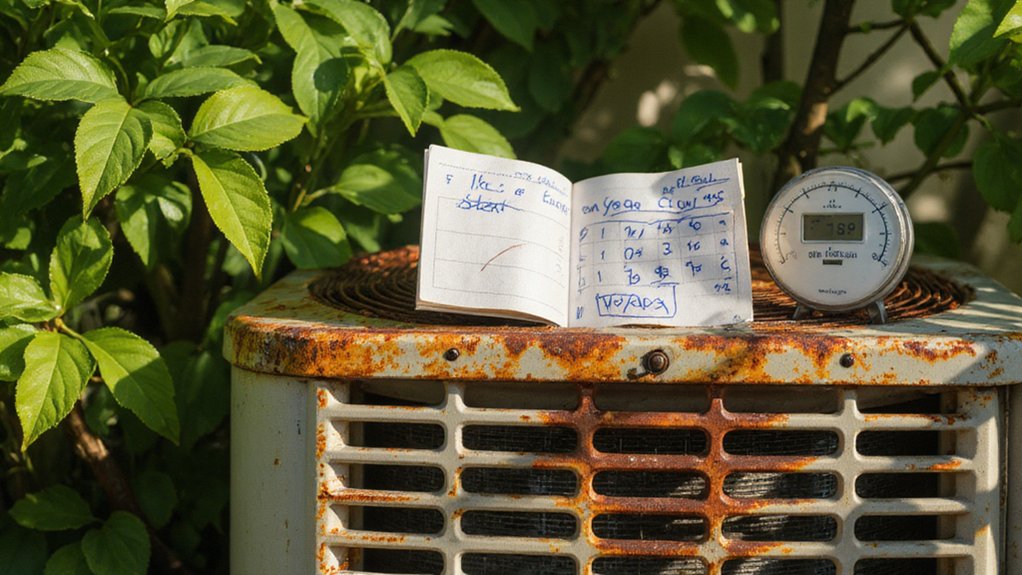
The age of your HVAC system plays a major role in how well it performs.
Most systems last between 15 and 20 years. As they approach that range, parts begin to wear down. Even with maintenance, older units struggle to maintain consistent temperatures.
You may notice the system runs longer or cycles more frequently. That extra run time directly increases your energy bills.
Older equipment also lacks modern energy standards. Newer systems are designed to use less energy while delivering better comfort. If your unit is near the end of its lifespan, it may be costing you more each month than it should.
At some point, replacing the system can cost less in the long run than continuing repairs and high energy bills.
How Poor Maintenance Drives Up Energy Bills

Skipping maintenance may not seem like a big deal at first. Over time, it adds up.
Dust builds up on coils. Moving parts lose lubrication. Electrical connections loosen. Each small issue forces the system to work harder.
When your HVAC unit works harder, it draws more power. That extra energy shows up on your monthly bill.
Dirty coils reduce heat transfer. Low refrigerant levels reduce cooling performance. Blocked drains can lead to moisture problems. All of these issues reduce efficiency.
Scheduling annual regular maintenance visits keeps everything clean and properly adjusted. Regular maintenance helps your system run closer to its original performance level and extends its lifespan.
How Dirty Filters Spike Your HVAC Costs

Air filters are small, but they have a big impact.
When a filter becomes clogged with dust and debris, airflow is restricted. Reduced airflow forces your system to run longer to move air through your home.
Longer run times increase energy use. They also create unnecessary wear on components like the blower motor.
Checking your filter once a month is a good habit. Most homes need a replacement every one to three months, depending on usage, pets, and indoor air quality.
Clean filters improve airflow, reduce strain, and help keep your energy bills under control.
How Ductwork Leaks Increase Your Energy Costs
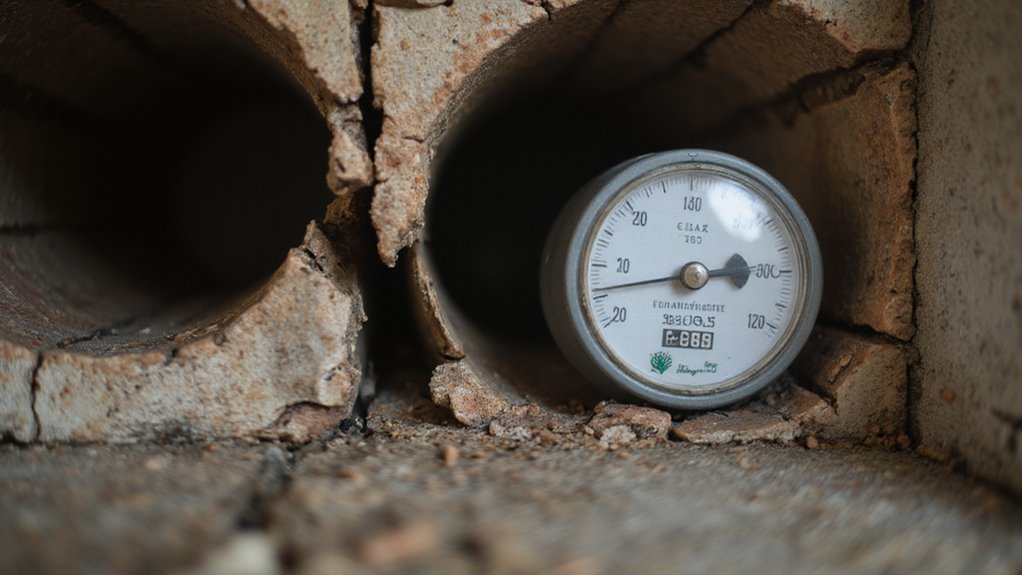
Your ductwork delivers heated or cooled air throughout your home. If there are leaks or gaps, some of that conditioned air escapes before it reaches your living spaces.
That means your system must run longer to reach the temperature set on your thermostat.
You may be paying to heat or cool areas you do not use, such as attics or crawl spaces.
Sealing duct leaks improves airflow and keeps conditioned air where it belongs. It can also improve indoor air quality by reducing dust and contaminants entering the system.
If certain rooms feel harder to heat or cool, duct leakage may be the reason.
How Thermostat Settings Influence HVAC Efficiency
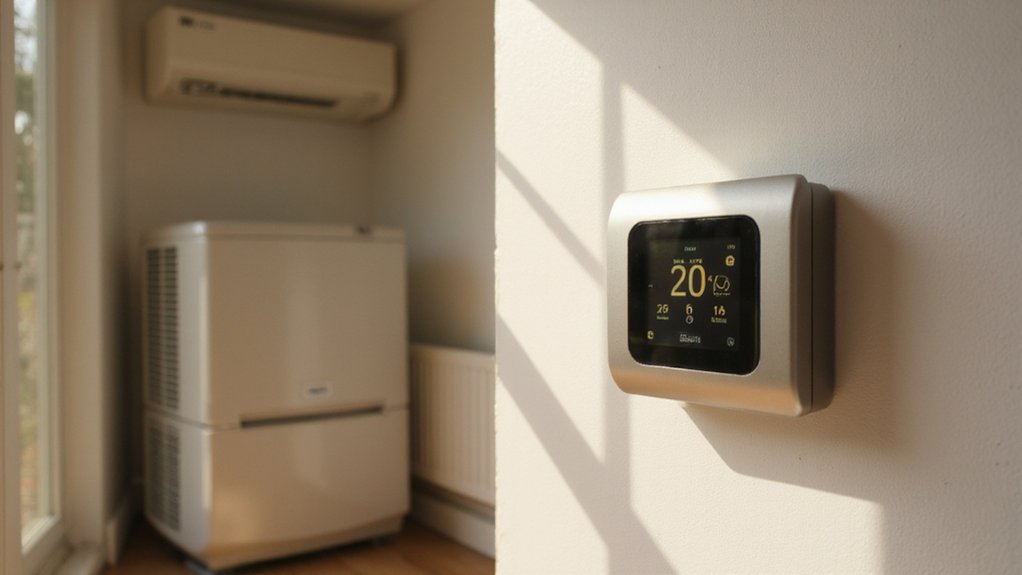
Your thermostat settings directly affect how often your system runs.
Small adjustments can make a noticeable difference in energy use.
Optimal Temperature Settings
Setting your thermostat to consistent, reasonable temperatures helps control costs.
In winter, many homeowners set thermostats around 68 degrees Fahrenheit. In summer, around 78 degrees is common. Even changing the setting by a few degrees can impact energy usage.
Lowering the temperature in winter forces the system to run longer. Dropping it too far in summer has the same effect on your cooling system.
Keeping settings steady reduces strain and helps maintain comfort without overworking the equipment.
Programmable Thermostat Benefits
A programmable thermostat makes temperature control easier.
You can schedule temperature changes based on when you are home, asleep, or away. There is no need to manually adjust the thermostat throughout the day.
Some models learn your schedule and adjust automatically. Others provide energy usage reports that help you see patterns over time.
By reducing heating or cooling when it is not needed, you can lower monthly energy costs without sacrificing comfort.
Manual Adjustments Impact Efficiency
Constantly changing the thermostat can create temperature swings inside your home.
Each time you adjust the setting, your HVAC system starts a new cycle. Frequent changes lead to longer run times and more energy use.
Trying to maintain stable settings throughout the day helps your system operate more smoothly. Less strain often means lower bills and longer equipment life.
How Weather Impacts HVAC Efficiency

Outdoor temperatures affect how hard your HVAC system must work.
During very hot summers or cold winters, your system runs longer to maintain indoor comfort. That extra workload increases energy use.
Humidity also plays a role. High humidity makes air feel warmer, so your cooling system runs longer to remove moisture.
During mild seasons, your system typically runs less often. Energy bills often reflect these seasonal changes.
Watching local weather patterns can help you understand why certain months cost more than others.
Is It Time to Upgrade Your HVAC System?
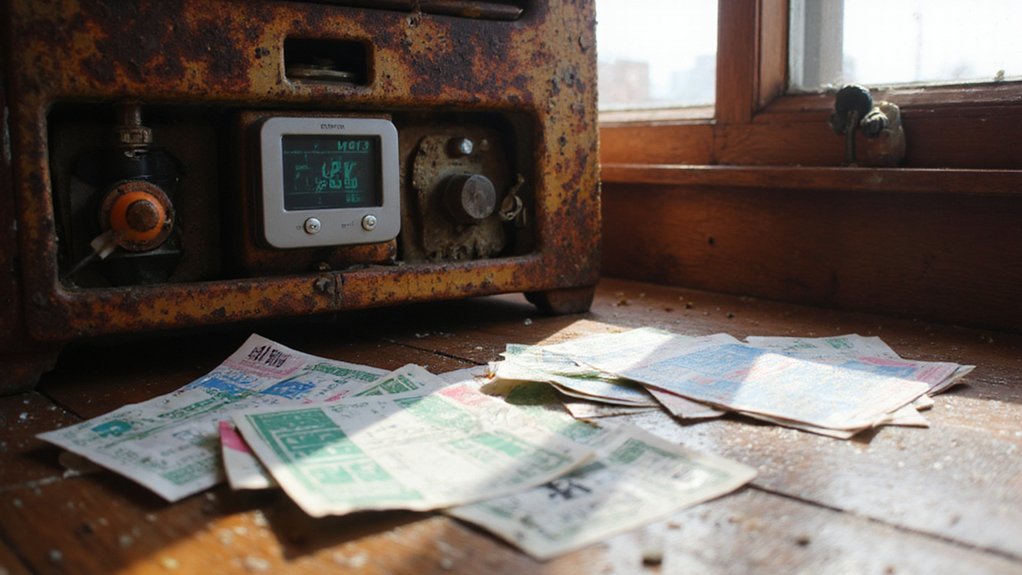
If your system is older and repairs are becoming frequent, it may be time to think about replacement.
Modern HVAC systems are built to meet current energy standards. Many include variable speed motors and improved compressor technology that adjust output based on demand.
Higher SEER ratings indicate better cooling efficiency. A newer unit with a higher rating can lower energy use compared to an older model.
Smart thermostats can also improve performance by learning your schedule and making automatic adjustments.
Upgrading your system may involve an upfront cost. Over time, lower energy bills and fewer repairs can offset that investment.
Frequently Asked Questions
Can Energy Bills Fluctuate Seasonally Even With Efficient HVAC Systems?
Yes. Seasonal temperature changes affect how often your system runs. Even an efficient unit will use more energy during extreme heat or cold.
How Can I Calculate the Efficiency of My HVAC System?
You can compare energy consumption in kilowatt hours to system output in BTUs. Checking your unit’s SEER or AFUE rating also gives you a clear idea of its efficiency level.
Are There Specific Energy-Efficient HVAC Models Recommended?
Many newer systems include variable speed compressors and improved heat pump installation and service options. Choosing a model with a strong SEER rating helps reduce overall energy use.
What Is the Average Lifespan of HVAC Systems?
Most systems last between 15 and 25 years. Regular maintenance plays a major role in how long your equipment will perform well.
Do Energy-Saving Habits Significantly Reduce Energy Bills?
Yes. Adjusting thermostat settings, sealing air leaks, and maintaining your system can noticeably reduce monthly costs.
Conclusion
If your HVAC system keeps raising your energy bills, there is usually a clear reason behind it.
Age, poor maintenance, dirty filters, leaking ductwork, thermostat settings, and seasonal weather all affect performance. When your system works harder than it should, your bills increase.
Taking a proactive approach helps you regain control. Schedule regular maintenance. Replace filters on time. Check for duct leaks. Review thermostat settings.
Small steps can lead to meaningful savings and a more comfortable home.

other blog posts
Why Is My HVAC Blowing Weak Air?
Heat Pump vs. Traditional Heating: Which Is Better for Your Home?
How Do I Know If My Air Ducts Need Cleaning?
Ready to Enhance Your Comfort
Contact us today to schedule your service, learn about energy-saving rebates, and feel comfortable in your home all year round.

