 CALL US
related posts
When to Repair vs. Replace Your HVAC System: A Real-World Guide for Homeowners
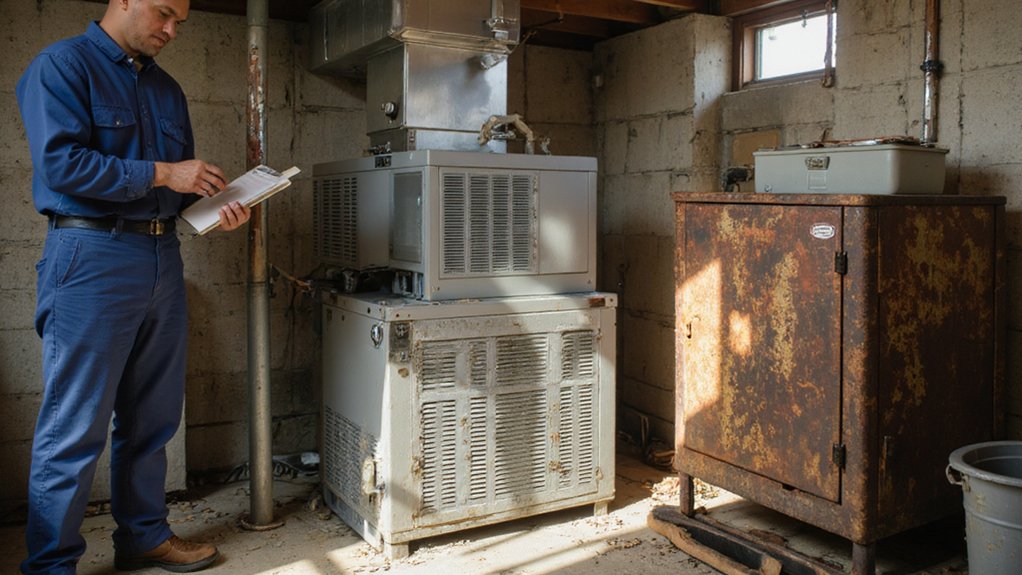
Your HVAC system usually waits until the worst possible moment to act up. It’s the hottest week of summer or the coldest night of winter, and suddenly it’s not working right. Then comes the big question. Do you fix it, or is it time to replace the whole thing?
Here’s the truth. There’s no one-size-fits-all answer. The right choice depends on your system’s age, how often it breaks down, how much those repairs cost, and how well it still runs. Let’s break it down in a way that actually makes sense.
Key Takeaways
Before we dig in, here’s a quick snapshot of what usually matters most:
- If your system is over fifteen years old and keeps breaking down, replacement often makes more sense.
- Strange noises, uneven temperatures, and nonstop cycling are signs something isn’t right.
- If a repair costs more than half the price of a new system, replacing it is usually the smarter move.
- Older systems with low efficiency can quietly drive up your energy bills.
- When repair costs hit around thirty percent of the system’s value, especially on older units, it’s time to get professional advice.
How Long HVAC Systems Really Last

Most HVAC systems aren’t built to last forever. In many homes, furnaces and air conditioners last about ten to fifteen years. Some stretch a bit longer, but only with good care and a little luck.
Regular upkeep makes a real difference. Simple things like changing air filters, keeping coils clean, and checking refrigerant levels help your system run better and last longer. Skip that maintenance, and problems show up sooner than you expect.
Knowing your system’s age helps you plan ahead. Instead of being caught off guard by a major failure, you can budget for repairs or start thinking about replacement before things get urgent.
Signs Your HVAC System Needs Repair

HVAC systems usually give warnings before they fail completely. The trick is noticing them early.
If something feels off, it probably is.
Strange Noises You Shouldn’t Ignore
HVAC systems make some noise. That’s normal. But grinding, banging, hissing, or squealing are not.
Grinding or clanking often points to worn parts or loose components. A high-pitched squeal can mean a belt or motor problem. Hissing may signal a refrigerant leak, which needs attention fast.
Ignoring these sounds usually makes things worse. Small problems turn into expensive ones if they’re left alone. When noises don’t stop, calling a qualified technician is the safest move.
Uneven Temperatures Around the House
If one room feels like a freezer while another feels stuffy, your system is struggling.
This can happen for a few reasons. The thermostat might not be working right. Ducts could be blocked or leaking. The air handler may not be moving air properly. High humidity can also make temperature problems feel even worse.
A professional inspection can track down the cause and help get your comfort back on track.
Short Cycling That Won’t Stop
Short cycling happens when your system turns on and off over and over again. It’s frustrating, loud, and expensive.
Common causes include dirty filters, thermostat issues, or refrigerant problems. This constant cycling puts extra stress on the system and usually leads to higher energy bills.
If this keeps happening, it’s a clear sign something needs fixing sooner rather than later.
When Replacing Makes More Sense Than Repairing
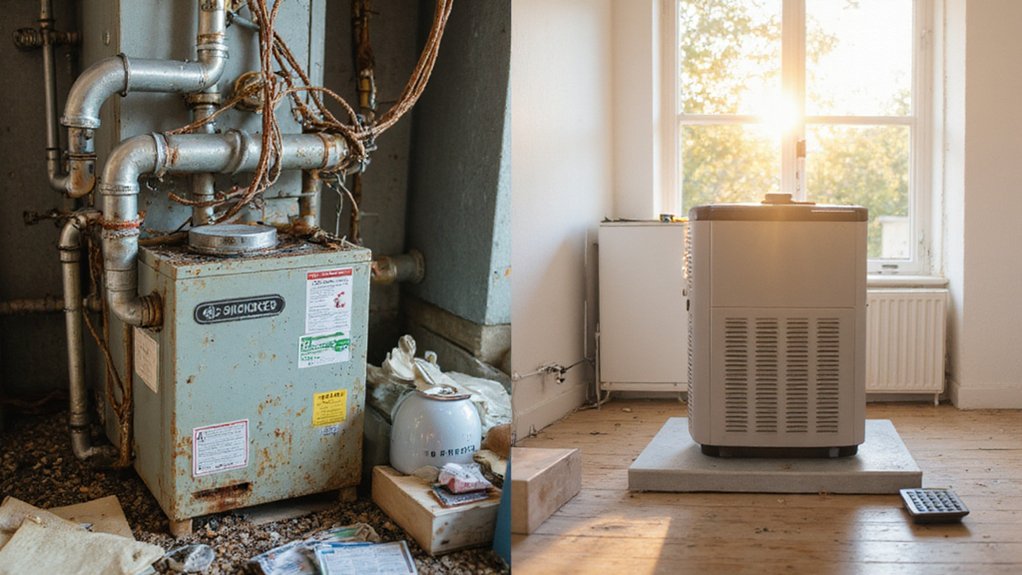
There comes a point where repairs just don’t add up anymore.
If you’re calling for service every few months, those bills add up fast. Older systems also miss out on newer technology that helps units run more efficiently and quietly.
A new system can lower monthly energy costs and comes with warranty coverage that protects you from surprise repair expenses. As a general rule, when a repair costs more than half the price of a new unit, replacement is usually the better financial choice.
Why Energy Efficiency Matters More Than You Think
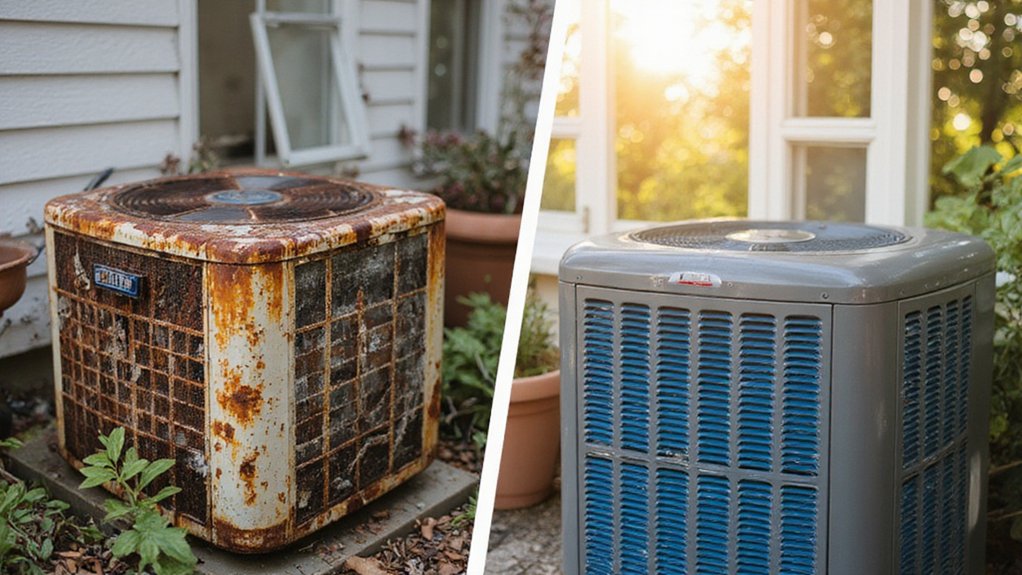
Energy efficiency doesn’t just affect the environment. It hits your wallet every single month.
Older HVAC systems often use more energy to do the same job. That means higher bills and more wear on the equipment.
Comparing Operating Costs
Take a look at your energy bills. If they keep climbing and your usage hasn’t changed, your HVAC system could be the reason.
Systems running below eighty percent efficiency tend to cost more to operate and maintain. Frequent repairs only make that worse. A newer, efficient system can lower monthly costs and reduce the need for service calls.
What Energy Star Ratings Tell You
Energy Star ratings help compare how efficiently different systems operate.
For cooling, SEER and EER ratings show how much energy a unit uses to cool your home. Higher numbers usually mean lower operating costs. Energy Star certified systems meet standards set by the Environmental Protection Agency, so you know they’ve been tested for efficiency.
How Age Affects HVAC Performance
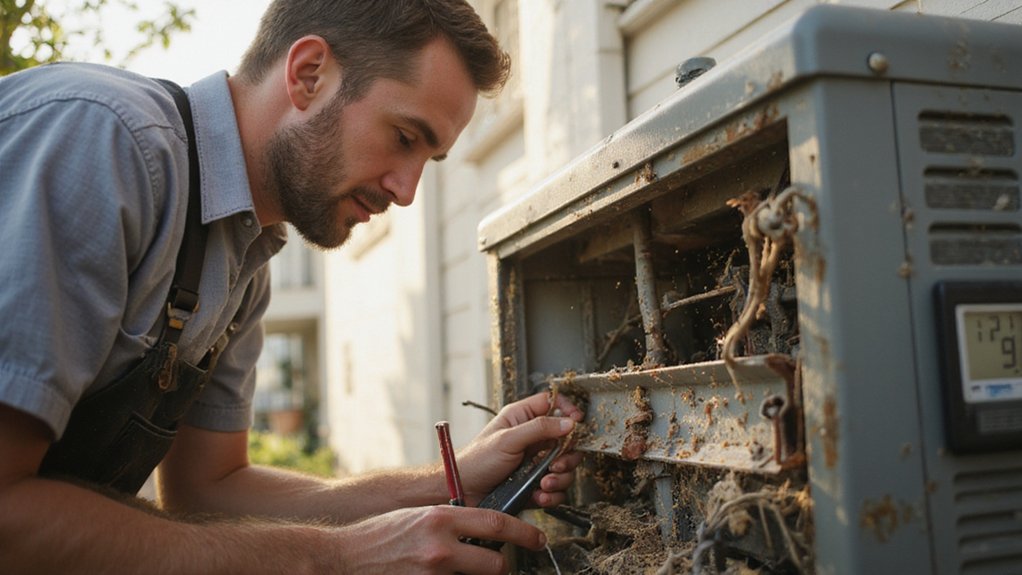
As HVAC systems age, performance drops. Parts wear out. Efficiency declines. Comfort suffers.
Most systems start showing noticeable decline after about fifteen years. They work harder to keep temperatures steady, which drives up energy use and shortens their remaining lifespan.
Regular maintenance helps, but age eventually catches up with every system.
Breaking Down the Costs: Repair vs. Replace
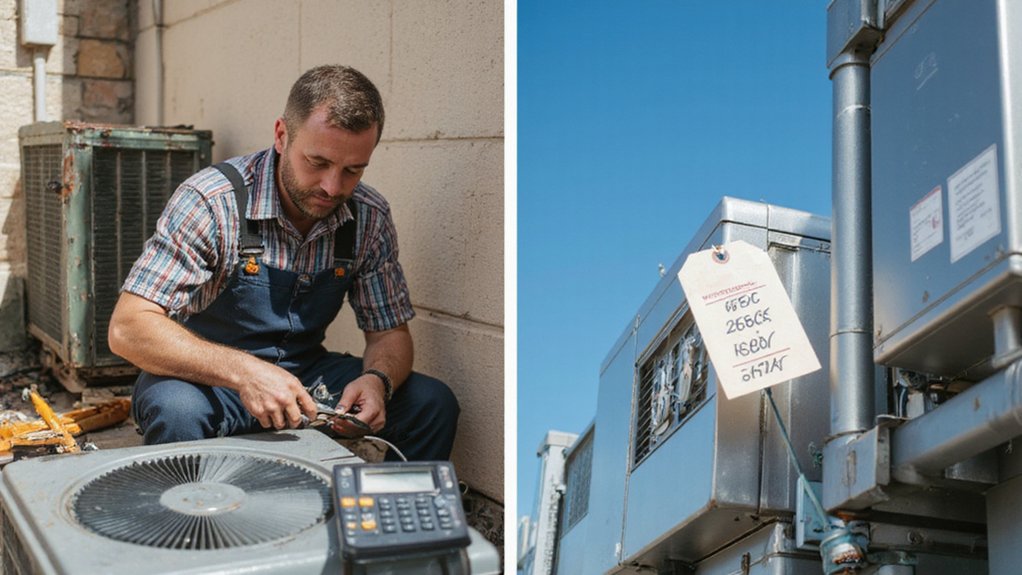
Cost often decides everything.
Start with the repair bill. If it’s more than half the cost of a new system, replacement usually wins. Also look at how often repairs happen. A system that needs constant work is rarely worth keeping.
New systems cost more upfront, but they run more efficiently, break down less often, and usually come with warranties that reduce future expenses. Looking at both short-term and long-term costs helps you avoid regret later.
When It’s Time to Call a Professional
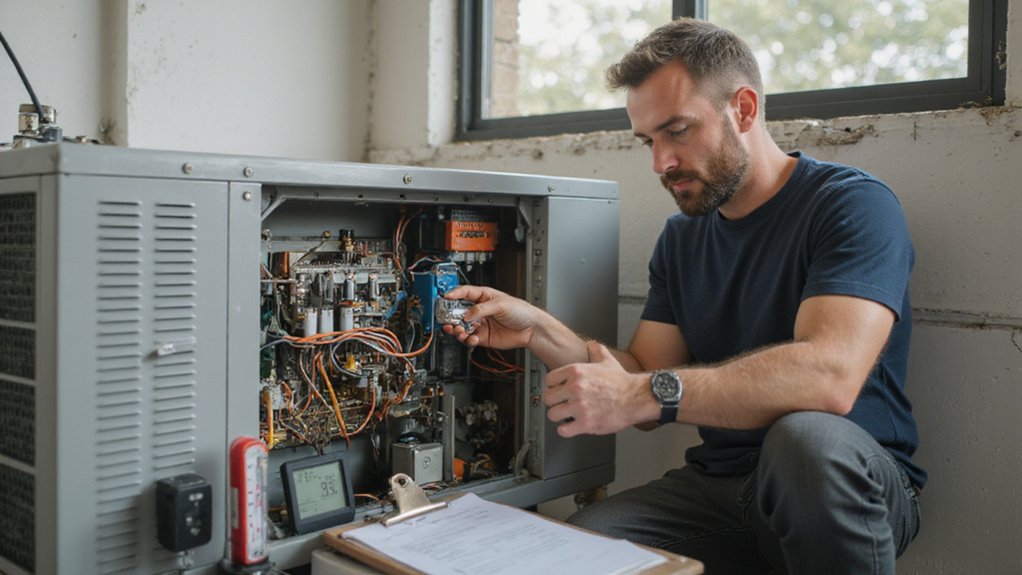
Some HVAC tasks are fine to handle on your own. Big decisions aren’t one of them.
If your system has ongoing issues like strange noises, uneven temperatures, or rising energy bills, a professional inspection is worth it. Refrigerant leaks, electrical problems, and repeated breakdowns aren’t DIY fixes.
If repair costs climb past thirty percent of the system’s value, or the unit is over ten years old, expert advice can save you from a costly mistake. A trained technician can tell you honestly whether repair or replacement makes more sense.
Frequently Asked Questions
How often should HVAC maintenance be scheduled?
Most systems should be checked twice a year. Once before summer and once before winter keeps things running smoothly and helps prevent surprise breakdowns.
Can homeowners handle basic HVAC maintenance?
Yes. Changing filters, keeping vents clear, and cleaning around the unit are all manageable. Leave electrical and refrigerant work to professionals.
What HVAC problems show up most often?
Thermostat issues and duct leaks are common. Both can mess with comfort and raise energy bills if they’re not fixed.
Does HVAC servicing really need to happen every season?
Yes. Seasonal service helps catch small issues early, improves efficiency, and keeps indoor air cleaner.
Are warranties available for HVAC work?
Most repairs come with short-term guarantees. New systems usually include longer warranties that cover parts and sometimes labor for several years.
What to Do Next
If your HVAC system is getting older, breaking down often, or driving up energy bills, it’s worth taking a closer look now instead of waiting for a total failure. Sometimes a repair makes sense. Other times, replacing the system saves money and stress in the long run.
The key is knowing the difference and acting before a small problem turns into a big one.

other blog posts
What Are the Warning Signs of a Failing Heating System?
What Should I Check Before Calling an HVAC Technician?
How Do I Prepare My Heating System for Winter?
Ready to Enhance Your Comfort
Contact us today to schedule your service, learn about energy-saving rebates, and feel comfortable in your home all year round.

