 CALL US
related posts
The Hidden Costs of Delaying HVAC Maintenance
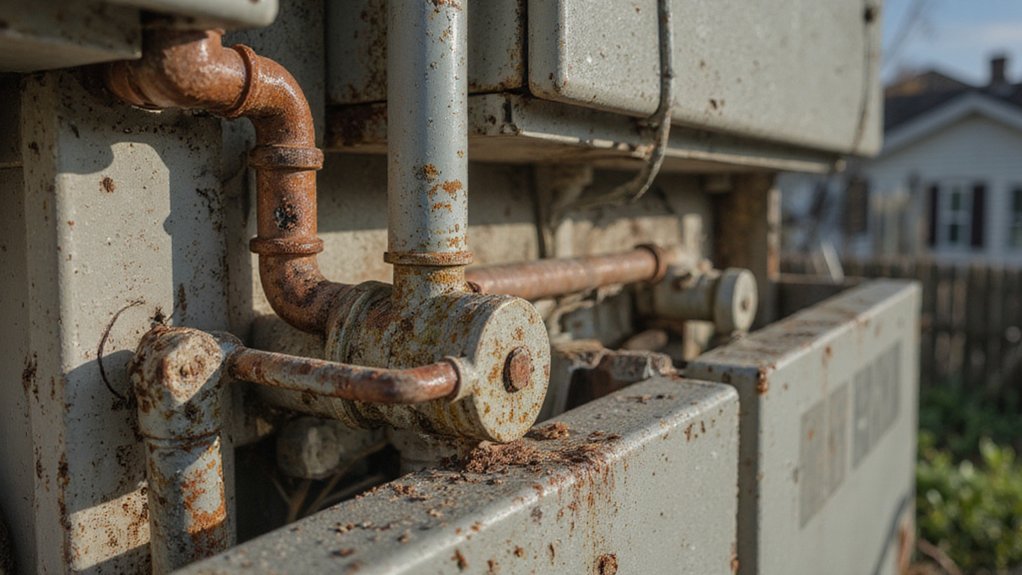
Skipping HVAC maintenance feels easy. Nothing’s broken, the air’s still blowing, and life’s busy. So why worry, right?
Here’s the problem. Those small delays quietly stack up. Your energy bills creep higher. Tiny issues turn into expensive repairs. The air inside your home gets worse, even if you don’t notice right away. And comfort? That starts slipping too.
Most homeowners don’t see these costs coming until it’s too late. Let’s talk about what really happens when maintenance keeps getting pushed off.
Key Takeaways
Put simply, delaying HVAC maintenance costs more than you think. Energy bills go up, repairs hit harder, air quality drops, and systems don’t last as long. In some cases, it even hurts your home’s value.
Why HVAC Maintenance Actually Matters
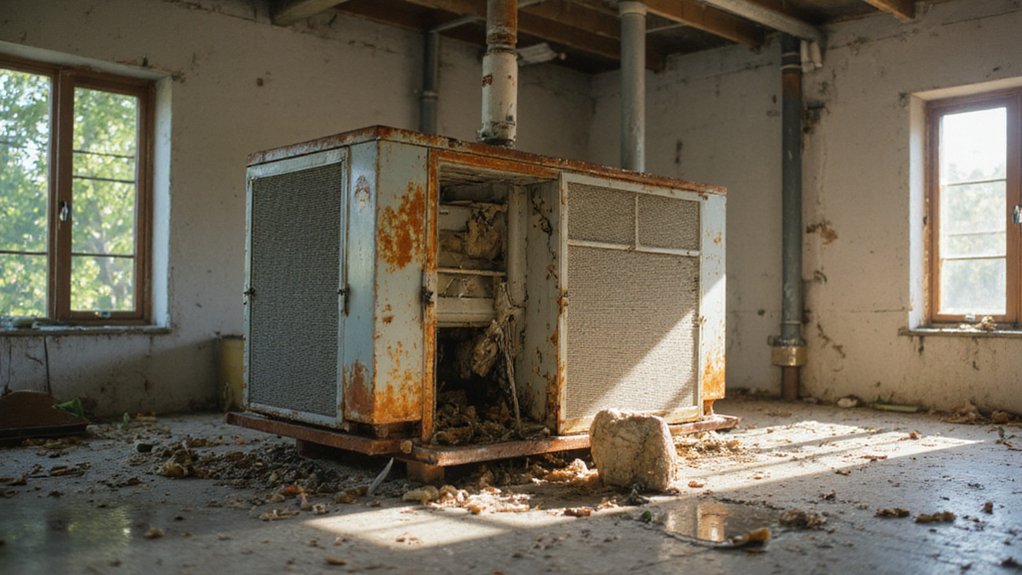
Your HVAC system runs almost every day. Heating. Cooling. Filtering air. That’s a lot of work.
Regular maintenance keeps it from wearing itself out early. Simple things like changing filters, checking refrigerant, and lubricating moving parts help the system run the way it’s supposed to. Skip those basics, and problems start building behind the scenes.
This isn’t about perfection. It’s about catching small issues before they turn into weekend emergencies or mid-summer breakdowns.
Higher Energy Bills Sneak Up on You
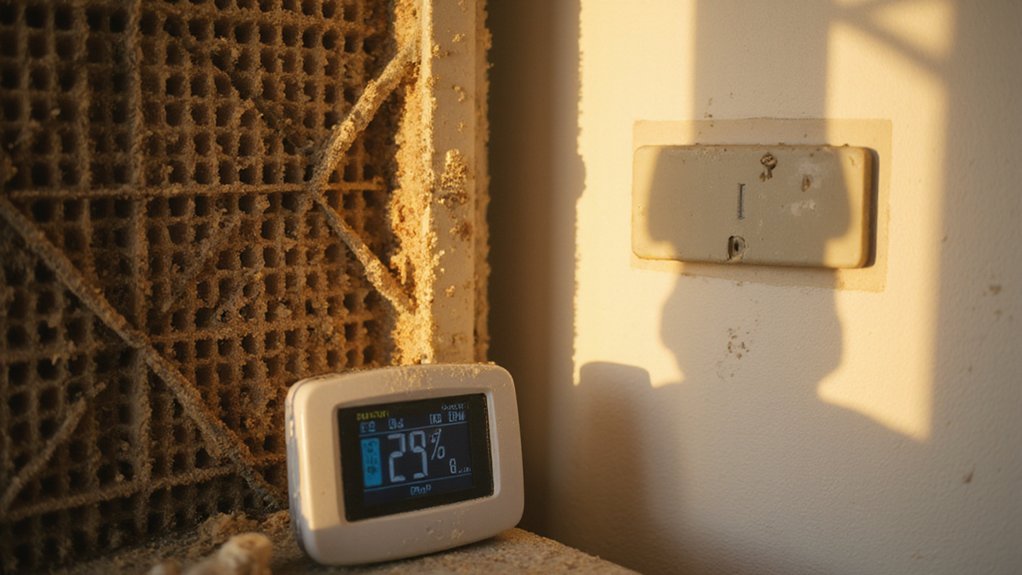
If your utility bills keep climbing and nothing else has changed, your HVAC system could be the reason.
When parts get dirty or worn, the system has to work harder to heat or cool your home. That extra effort shows up on your bill. Month after month.
When the System Can’t Keep Up
A clogged filter or dirty coil might not seem like a big deal. But even small issues reduce airflow and throw everything off balance. The system runs longer, uses more electricity, and still struggles to keep your home comfortable.
That extra strain also wears out parts faster. It’s a double hit.
Wasted Energy Adds Up Fast
An HVAC system in poor shape wastes energy. Plain and simple.
Air leaks, buildup inside the unit, and failing components all force the system to run longer than necessary. You pay for that wasted energy every month. The house still feels uneven. And the system keeps aging faster than it should.
Regular service keeps energy use in check and helps avoid those slow, frustrating bill increases.
Repairs Get More Expensive
Maintenance isn’t just about saving energy. It’s also about avoiding repair surprises.
When small problems go unnoticed, they spread. A worn belt leads to motor strain. A weak capacitor pushes the compressor harder. Eventually something fails, and the repair bill hurts a lot more than a routine tune-up ever would.
Unexpected Repairs Always Cost More
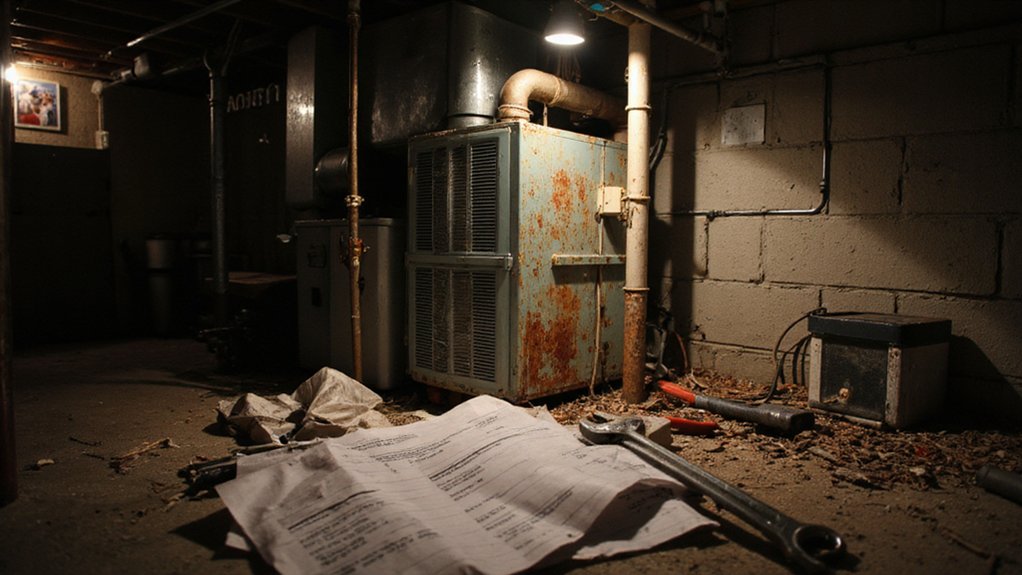
Nobody plans for HVAC emergencies. They just happen.
Skip regular checkups, and breakdowns tend to show up at the worst times. Late at night. During a heat wave. On a freezing weekend. Emergency calls usually mean higher labor costs and limited part options.
A simple example? A failing capacitor costs little to replace. Ignore it, and the compressor can fail. That repair can cost thousands.
Maintenance doesn’t prevent every repair, but it cuts the odds way down.
Indoor Air Quality Takes a Hit

Here’s something many people miss. Your HVAC system doesn’t just control temperature. It controls the air you breathe.
When filters and ducts aren’t cleaned, dust, pollen, mold, and other particles circulate through your home. Over time, air quality drops.
That can trigger allergies, worsen asthma, and cause lingering respiratory problems. Poor ventilation can also trap gases like carbon monoxide inside the house.
Clean filters and routine inspections make a real difference here. You feel it, even if you can’t see it.
Your HVAC System Won’t Last as Long
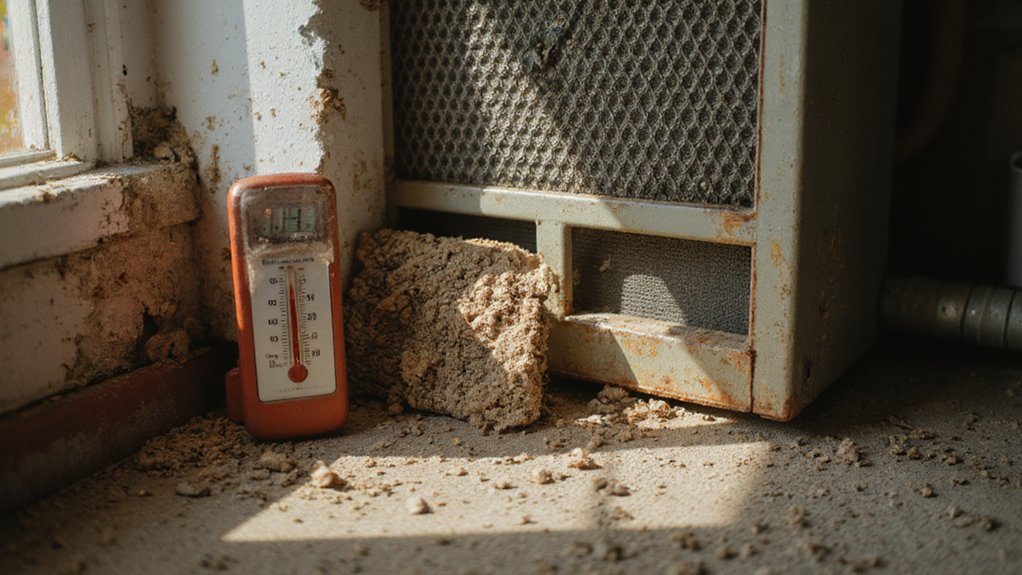
HVAC systems aren’t cheap. Most homeowners expect them to last many years. Skipping maintenance shortens that timeline.
Repairs Become a Pattern
If your system needs repairs every year, that’s a red flag. Frequent breakdowns usually mean deeper issues aren’t being fixed.
Each repair adds stress to the system. Parts wear faster. Downtime increases. Eventually, replacement becomes unavoidable.
Energy Costs Keep Rising
As efficiency drops, energy use climbs. Dirty coils, blocked airflow, and neglected components all make the system work harder for less output.
You end up paying more while getting less comfort. That’s a bad trade.
Efficiency Slowly Falls Apart
Efficiency doesn’t disappear overnight. It fades.
Cooling power drops. Airflow weakens. Temperature control feels uneven. The system runs longer and longer to do the same job. Over time, that wear leads to major failures or early replacement.
Routine maintenance keeps efficiency steady and helps your system reach its full lifespan.
Comfort Problems You Can’t Ignore
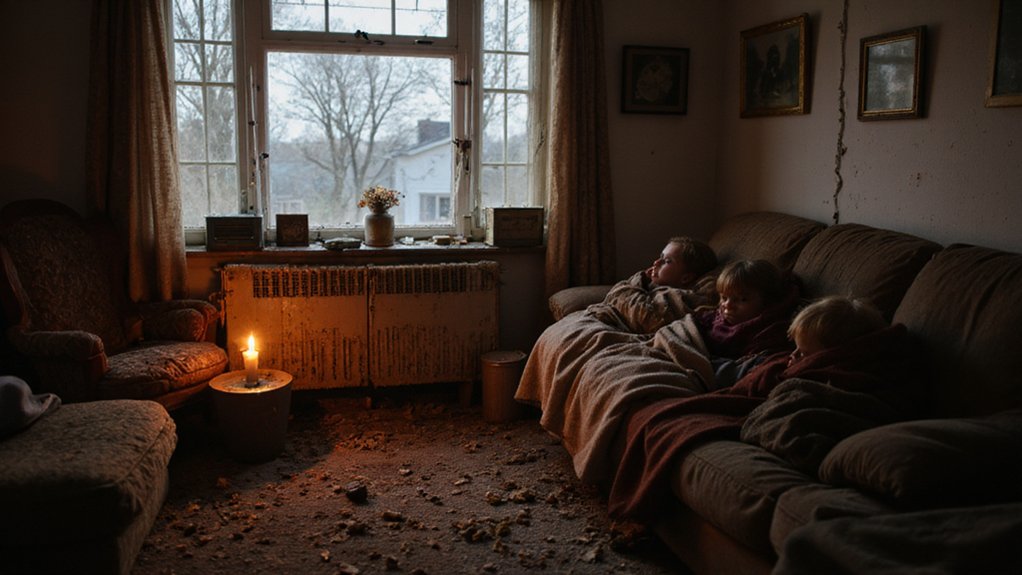
You might notice rooms that never feel right. Too hot. Too cold. Too humid.
Neglected systems struggle to keep temperatures stable. Humidity control slips, which can make the house feel sticky or dry. Sleep suffers. Allergies flare up. Even productivity drops.
High humidity can also lead to mold growth, which creates even bigger problems down the road.
Maintenance helps keep temperatures even and humidity under control. That’s comfort you feel every day.
The Risk of Total System Failure

When maintenance gets ignored long enough, systems fail. Often without warning.
Clogged filters cause overheating. Worn fans strain motors. Leaking ducts force the system to overwork. Small problems stack up until something finally gives out.
Regular inspections catch these issues early. That’s how you avoid breakdowns that leave your home without heating or cooling when you need it most.
What This Means for Your Home’s Value
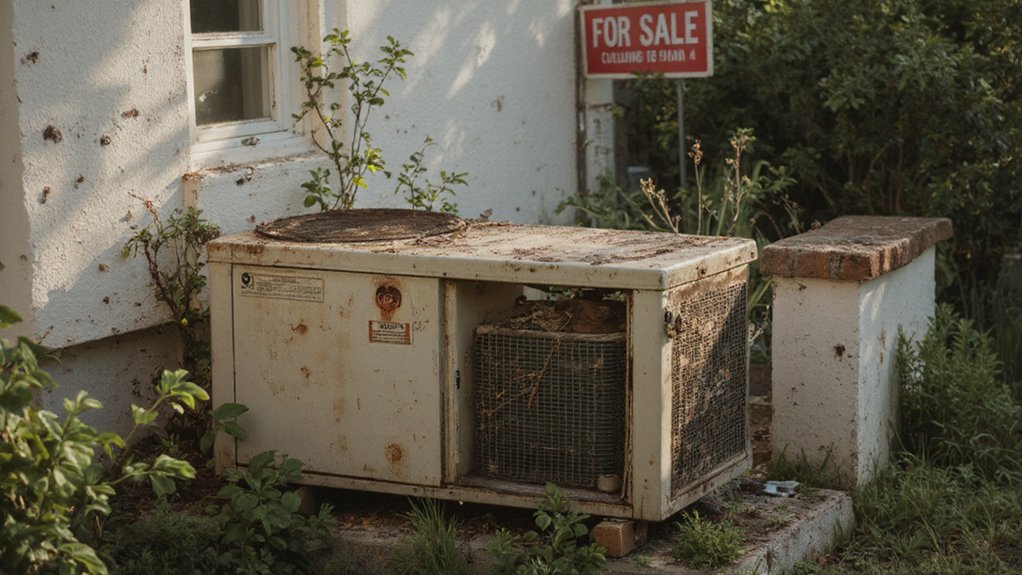
Buyers pay attention to HVAC systems. A well-maintained unit signals that the home was cared for.
Deferred maintenance does the opposite. Buyers worry about replacement costs and future problems. That can lower offers or slow down a sale.
An efficient, documented HVAC system protects home value and appeals to buyers who care about energy costs and comfort.
Why Proactive Maintenance Pays Off

Staying ahead of HVAC maintenance saves money and stress. Systems run better. Energy bills stay lower. Breakdowns happen less often.
Regular service helps catch issues early, keeps parts working properly, and extends the life of the system. It also improves air quality and keeps your home comfortable year-round.
That’s a solid return for a small, predictable cost.
Frequently Asked Questions
How Often Should I Schedule HVAC Maintenance?
Once a year is the minimum. Many systems benefit from twice-yearly checks, especially in areas with extreme heat or cold.
Can I Do Any Maintenance Myself?
Yes. You can change filters, keep vents clear, and watch for unusual noises. Leave electrical work and refrigerant checks to a professional.
What Are Warning Signs My System Needs Service?
Strange smells, odd noises, uneven temperatures, or rising energy bills are common signs. Don’t ignore them.
Does Maintenance Change by Season?
It does. Winter prep focuses on heating safety. Summer checks focus on cooling performance and airflow.
How Do I Find a Trustworthy HVAC Technician?
Look for proper licensing, certifications, and solid reviews. Experience matters, especially with older systems.
Final Thought
Putting off HVAC maintenance feels harmless, until it isn’t.
Higher bills, surprise repairs, poor air quality, and uncomfortable rooms all trace back to the same issue. Small problems that weren’t handled early.
A little attention now keeps your system running longer, your home feeling better, and your budget intact. That’s a trade worth making.

other blog posts
Can a Heat Pump Replace My Furnace?
Do Heat Pumps Work in Freezing Temperatures?
Why Is My AC Running but Not Cooling the House?
Ready to Enhance Your Comfort
Contact us today to schedule your service, learn about energy-saving rebates, and feel comfortable in your home all year round.

