
 CALL US
related posts
Why Does My HVAC Smell Bad? Common Causes & Fixes
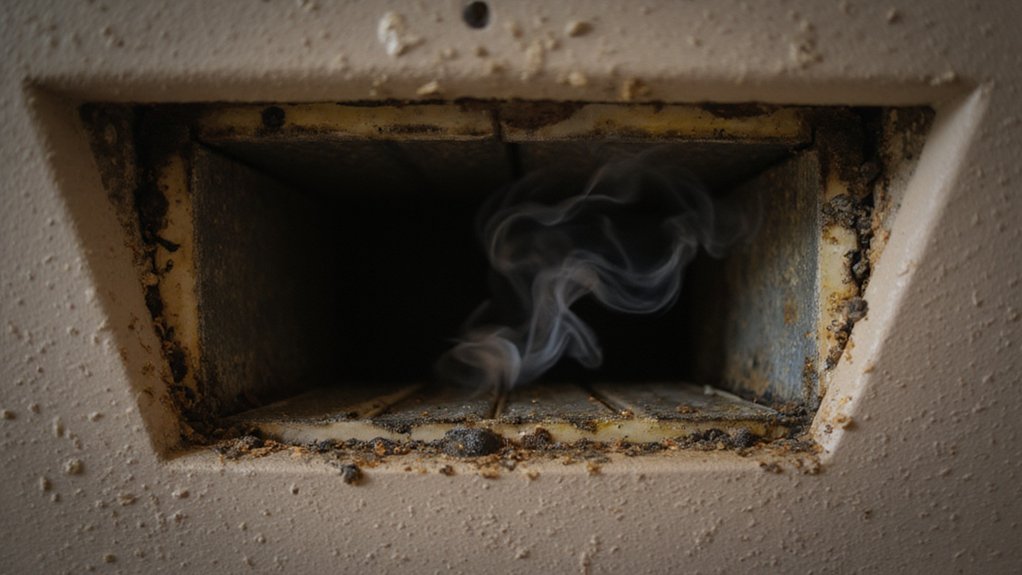
If your HVAC system smells bad, it’s more than just annoying. Strange odors often point to something happening inside the system that needs attention. A musty smell could mean mold is growing in the ductwork. A burning scent might signal an overheating part. A sharp chemical odor can even suggest a refrigerant issue.
Paying attention to these smells helps protect your indoor air and your equipment. Let’s take a closer look at what different HVAC odors mean and what you can do about them.
Key Takeaways
- Musty smells often point to mold growth in ductwork or on evaporator coils.
- Burning odors may signal overheating parts or electrical problems.
- Gas-like smells can indicate a dangerous gas leak that needs immediate attention.
- Sweet or chemical scents may suggest a refrigerant leak.
- Regular maintenance helps prevent odor problems before they start.
Identifying Common HVAC Odors and Their Causes
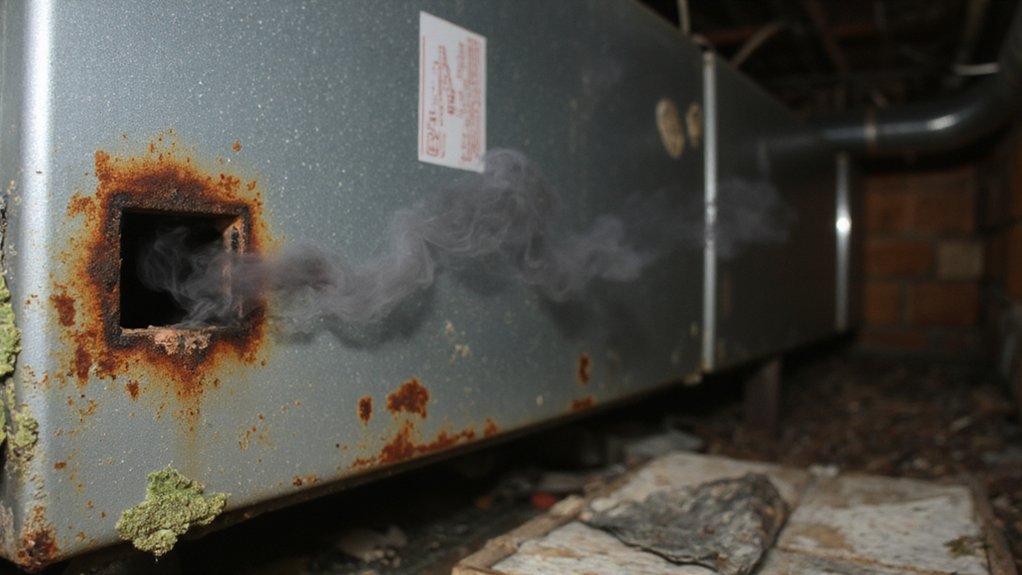
When your HVAC system starts giving off unusual smells, it’s usually trying to tell you something. Ignoring it can lead to larger repairs or even health concerns.
One of the most common odor sources is mold. Moisture can build up in ductwork, drain lines, or on the evaporator coil. That damp environment creates the perfect place for mold to grow. The result is a musty, stale smell that spreads through your home.
You might also notice a burnt dust odor when turning on the heat for the first time in months. Dust collects on heating components during the off season. When the system runs again, that dust burns off and creates a temporary smell. If it fades quickly, it’s usually harmless. If it lingers, it needs inspection.
Chemical smells are more concerning. These may point to refrigerant leaks or electrical problems. Both require professional service right away.
Routine upkeep goes a long way. Changing filters, checking drain lines, and scheduling annual inspections can help stop odor problems before they start.
How to Recognize Different HVAC Smells

Different smells give you different clues. Knowing what you’re smelling makes it easier to respond quickly.
A musty odor usually means moisture is trapped somewhere inside the system. Mold often grows in ductwork or on coils when airflow is restricted or drainage is blocked. If the smell is strongest when the air conditioner runs, mold is a likely cause.
A burning smell can range from mild to serious. If it smells like dusty heat and goes away after a short time, it may just be debris burning off. If it smells sharp or electrical, turn the system off and call for service. Wiring or motor issues can create overheating risks.
A gas-like smell is urgent. If your system uses natural gas and you detect a rotten egg scent, leave the home and contact your gas company or emergency services immediately.
A sweet or chemical smell may point to a refrigerant leak. Refrigerant exposure is not something to ignore. Reduced cooling performance combined with this smell is a strong sign you need a technician.
Trust your senses. Even subtle changes in smell can signal that something inside the system needs attention.
Possible Health Risks From Common HVAC Odors
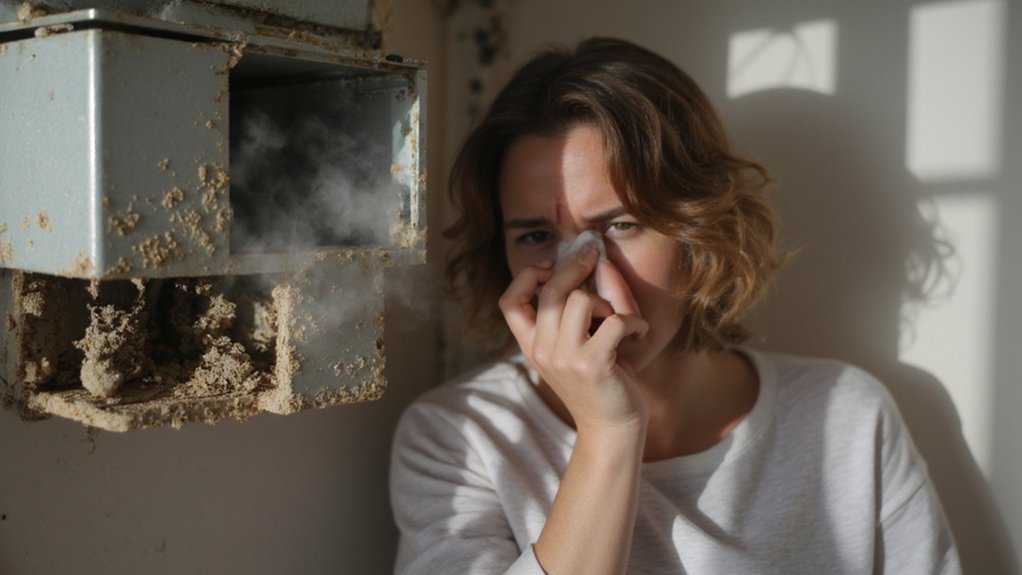
HVAC odors are not just unpleasant. In some cases, they can affect your health.
Mold exposure is a common concern, especially when growth develops inside ductwork or on coils. Breathing in mold spores may cause coughing, sneezing, sinus congestion, and headaches. People with asthma or allergies may feel symptoms more strongly. If the smell is persistent, testing and cleaning may be necessary.
Chemical odors can also pose risks. Refrigerant leaks may cause dizziness, nausea, or throat irritation if exposure is prolonged. Electrical burning smells may release fumes from melting insulation or wiring. These situations require quick action.
Even stagnant water inside a clogged drain pan can create bacteria growth. That bacteria may circulate through your indoor air and contribute to respiratory discomfort.
Clean air inside your home matters. Addressing odor sources quickly helps reduce potential health problems and keeps your space comfortable.
Steps to Eliminate Unpleasant HVAC Smells
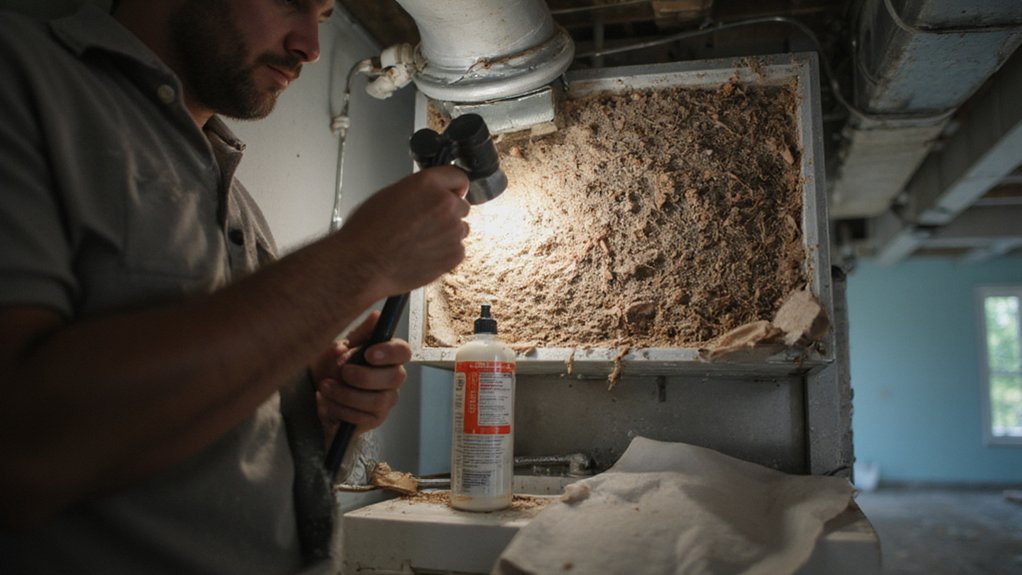
Getting rid of HVAC smells starts with finding the source.
Check your air filter first. A dirty filter traps dust, pet hair, and debris. Over time, that buildup can create odors and restrict airflow. Replacing the filter every one to three months helps keep air moving cleanly through the system.
Next, inspect visible ductwork and vents. Look for dust buildup or signs of moisture. Professional duct cleaning may be necessary if mold or heavy debris is present.
Take a look at the condensate drain line. If it becomes clogged, water can sit and create a musty smell. Clearing the drain line often resolves this issue.
Evaporator coils should also be inspected. Dirty coils collect moisture and debris, which encourages mold growth. A professional cleaning may be needed to remove buildup safely.
If the odor persists after these steps, schedule a service appointment. Some issues, like refrigerant leaks or internal electrical problems, require specialized tools and training.
Regular maintenance makes a difference. Annual inspections help catch small problems before they become noticeable through smell.
When Should You Call an HVAC Professional?
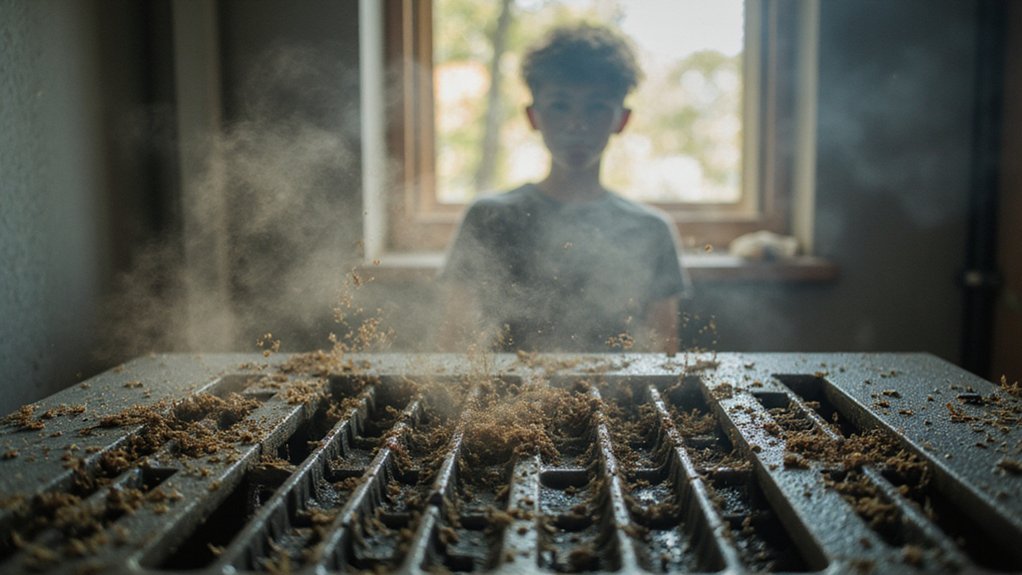
Some smells require immediate professional attention.
Call a licensed HVAC technician for professional system service if odors are strong or persistent. Burning or electrical smells should never be ignored. Gas odors require emergency action.
Frequent system breakdowns, inconsistent temperatures, or rising energy bills can also signal underlying issues connected to odor problems.
If your system has not been serviced within the last year, scheduling a checkup is a smart move. A technician can inspect components, clean internal parts, and identify hidden concerns before they grow into larger repairs.
Acting early often reduces repair costs and prevents unexpected system failure. When in doubt, it’s safer to have a professional take a look.
Frequently Asked Questions
Can HVAC Smells Affect My Home's Resale Value?
Yes, they can. Unpleasant odors often raise red flags for potential buyers. Lingering smells may suggest mold, poor maintenance, or hidden damage. Addressing HVAC odor issues before listing your home can help avoid lower offers or longer time on the market.
How Often Should I Have My HVAC System Inspected?
Most systems should be inspected once a year. Heating systems are usually checked in the fall, and cooling systems in the spring. Annual service keeps the equipment running properly and helps prevent odor problems.
Can I Use Air Fresheners to Mask HVAC Odors?
Air fresheners only cover up smells. They do not fix the source of the problem. If mold, dust, or mechanical issues are causing the odor, masking it may allow the problem to get worse. Fixing the root cause is always the better approach.
What Should I Do if My HVAC System Starts Making Noise?
Strange noises often point to loose parts, motor issues, or airflow restrictions. Turn the system off and inspect visible components if it is safe to do so. If the noise continues, contact a technician for diagnosis.
Are There Specific HVAC Maintenance Tips to Prevent Odors?
Yes. Replace air filters regularly. Keep vents clean and unobstructed. Schedule yearly professional maintenance. Make sure drain lines stay clear to prevent moisture buildup. These steps help reduce the chances of odor development.
Conclusion
Strange HVAC smells should never be ignored. Each odor tells a story about what may be happening inside your system. Musty air often signals mold. Burning scents can point to overheating parts. Chemical smells may indicate refrigerant issues.
Addressing the source quickly protects your indoor air and helps avoid costly repairs. If you are unsure about the cause, contacting a qualified HVAC professional is the safest choice. A clean, properly maintained system keeps your home comfortable and your air fresh.

other blog posts
When Should I Replace My Air Conditioner?
How Regular HVAC Maintenance Saves You Money and Extends System Life
Heat Pump vs. Traditional Heating: Which Is Better for Your Home?
Ready to Enhance Your Comfort
Contact us today to schedule your service, learn about energy-saving rebates, and feel comfortable in your home all year round.

