 CALL US
related posts
Which Type of Air Conditioner Is Best for My Home?
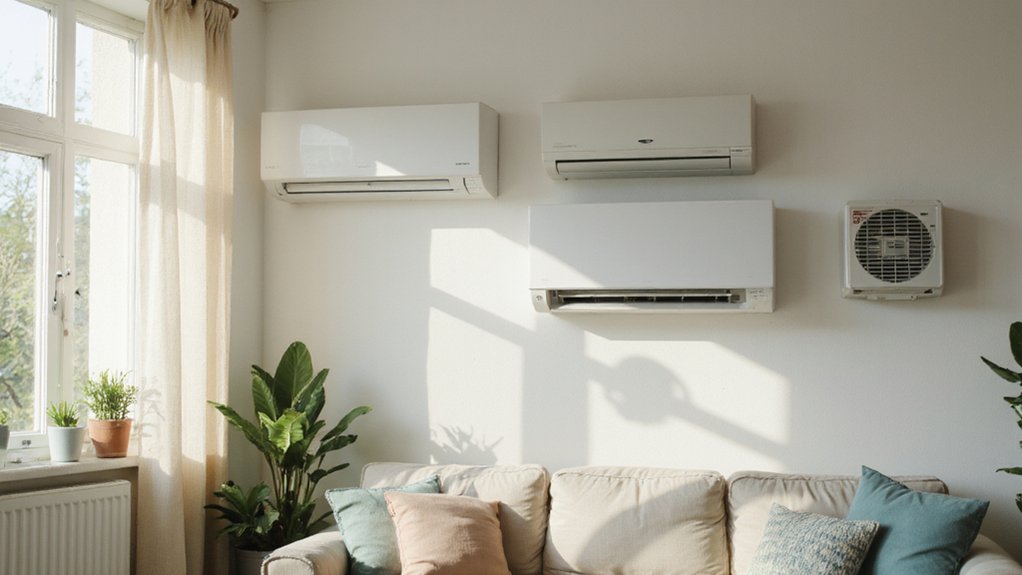
Choosing the right air conditioner for your home is about more than staying cool. If you're unsure which system fits your home, speaking with an experienced HVAC contractor can help you make the right choice. The right system can help lower energy costs, keep every room comfortable, and match the way you use your living space. With several types of air conditioners available, it helps to understand what each one offers before making a decision.
Your budget, the size of your home, and your cooling needs all play a part. Some systems work best for cooling a single room, while others are built to keep an entire house comfortable. Taking the time to compare your options makes it easier to choose a unit that suits your home now and for years to come.
Key Takeaways
- Assess your space. Window units work well for single rooms, while central air conditioning is suited to cooling an entire home with existing ductwork.
- Think about flexibility. Portable air conditioners can be moved from room to room, making them a practical choice for renters or homes with changing cooling needs.
- Check energy efficiency. Choosing a unit with a SEER rating of at least 14 can help reduce electricity costs over time.
- Look at the features. Smart controls, programmable settings, and quiet operation can make everyday use more convenient.
- Match the cooling capacity to your room size. A good starting point is around 20 BTUs per square foot, along with factors like ceiling height, insulation, and sunlight.
Which Type of Air Conditioner Is Right for You?
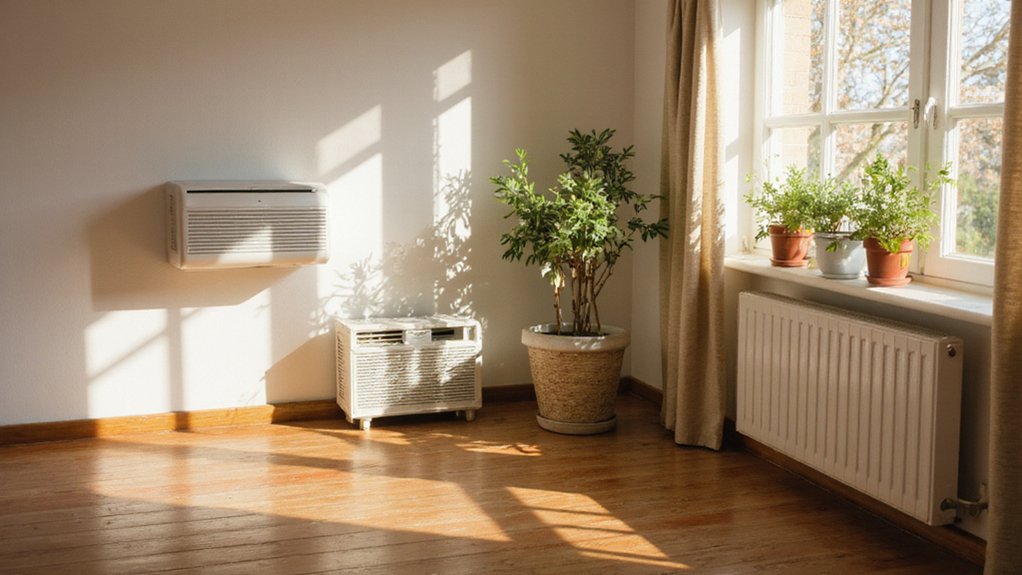
Choosing the right air conditioner starts with understanding how you plan to use it. Every home is different, so the best option depends on your layout, budget, and cooling requirements.
If you only need to cool one room, a window air conditioner is often the most affordable option. These units are simple to install and work well in bedrooms, home offices, or small apartments.
A portable air conditioner offers more flexibility because you can move it between rooms. This makes it a good choice if you don't want a permanent installation or if you're renting your home.
For larger houses, central air conditioning provides even cooling throughout the entire property. It works through existing ductwork, making it a popular option for homes that already have a central heating and cooling system.
If your home doesn't have ducts, a ductless mini split system is another option worth considering. These systems allow you to cool individual rooms without installing ductwork. They also give you more control over the temperature in different areas of your home.
Many modern air conditioners also include smart technology, allowing you to adjust settings from your phone or schedule cooling times. This can help reduce unnecessary energy use while keeping your home comfortable.
Each type of air conditioner has its own strengths, so compare your options carefully before making your final choice.
If you're also comparing cooling systems, heat pump installation may be worth considering since many modern heat pumps provide both heating and cooling throughout the year.
Understanding Energy Efficiency Ratings for Air Conditioners
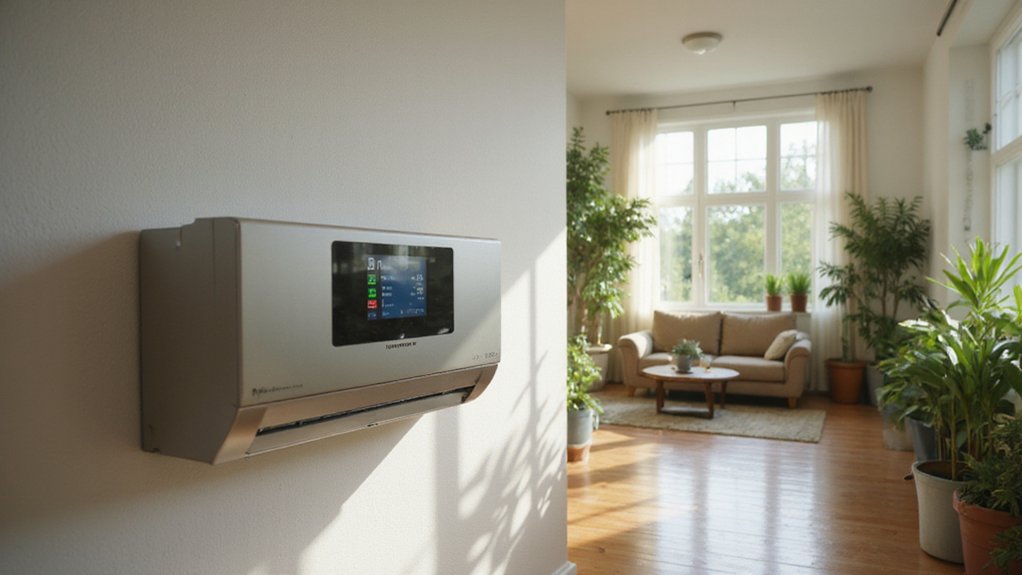
Energy efficiency is one of the biggest factors to consider when buying an air conditioner. A more efficient system can reduce electricity use while still providing the cooling you need.
One of the most common measurements is the Seasonal Energy Efficiency Ratio (SEER). This rating compares the amount of cooling an air conditioner produces with the amount of electricity it uses during a typical cooling season.
A higher SEER rating means the unit uses less energy to produce the same level of cooling. While higher-rated systems may cost more upfront, they often reduce monthly utility bills over time.
As a general guideline, look for an air conditioner with a SEER rating of at least 14 if you want a balance between performance and operating costs.
You should also look for the Energy Star label. Air conditioners with this certification meet energy efficiency standards established by the U.S. Environmental Protection Agency. Choosing one of these models can help reduce energy consumption while offering dependable performance.
Taking a few minutes to compare efficiency ratings before buying can make a noticeable difference in long-term running costs.
How to Choose the Right Size for Your Air Conditioner
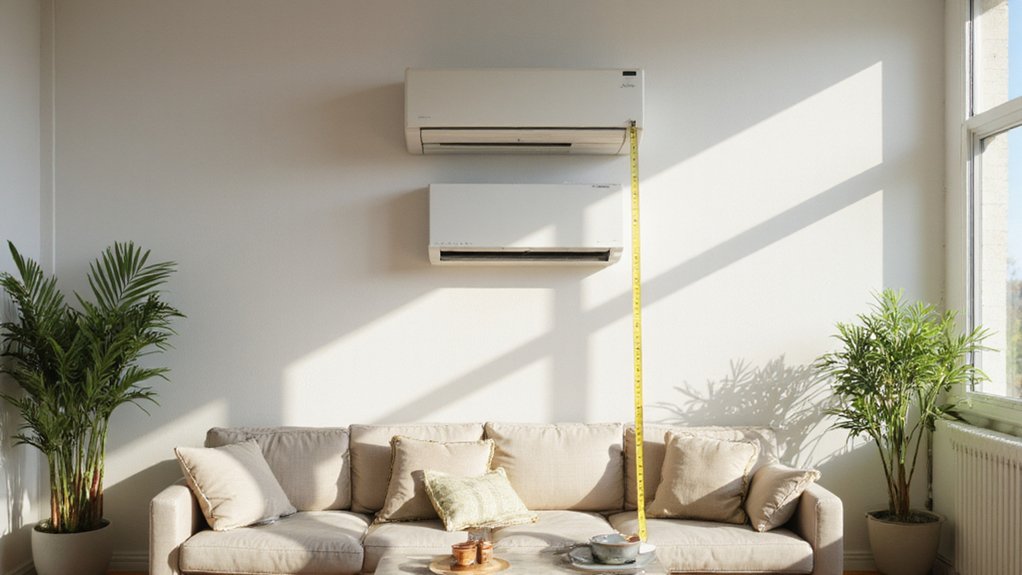
Buying the right size air conditioner is just as important as choosing the right type. A unit that's too small will have trouble keeping your room cool. One that's too large may cool the space too quickly, causing it to switch on and off more often than necessary.
Cooling capacity is measured in BTUs (British Thermal Units). The number of BTUs you need depends on several factors, including the size of your room, ceiling height, insulation, and how much direct sunlight the space receives.
A simple guideline is to allow about 20 BTUs per square foot.
For example, a room measuring 300 square feet would generally require an air conditioner with around 6,000 BTUs of cooling capacity.
Keep in mind that rooms with large windows, poor insulation, or high ceilings may require additional cooling power. Kitchens may also need slightly more capacity because appliances generate extra heat.
Choosing the correct size helps your air conditioner operate more efficiently, maintain a consistent temperature, and avoid unnecessary energy use.
Key Features to Look for in Air Conditioners
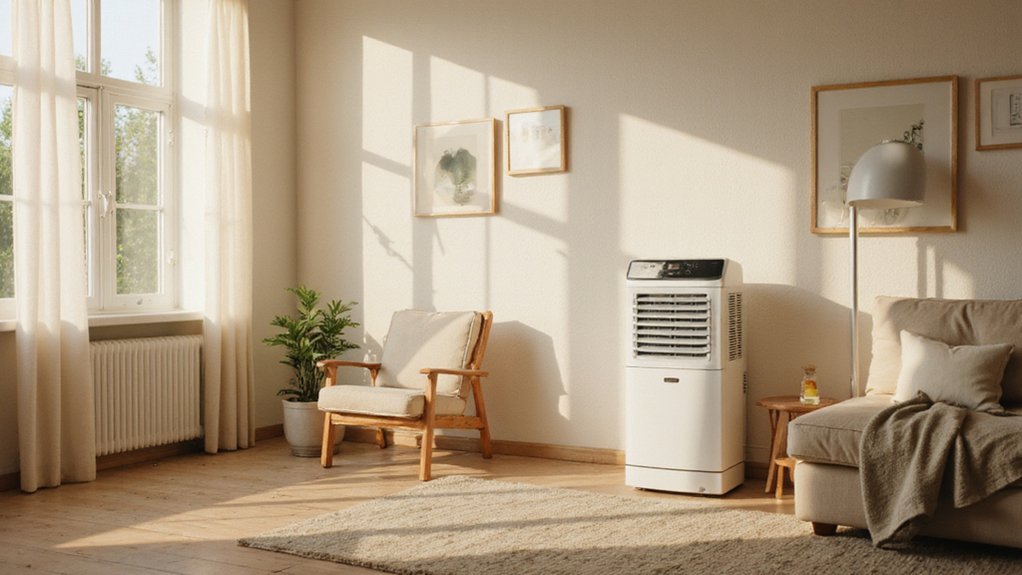
Modern air conditioners offer much more than simple cooling. Looking at the available features can help you find a unit that's easier to use and better suited to your lifestyle.
Smart controls are becoming increasingly common. Wi-Fi connectivity allows you to adjust temperatures remotely using a smartphone or tablet. Many systems also let you create schedules so your home is cool when you arrive without running the unit all day.
Noise level is another feature worth considering, especially if the air conditioner will be installed in a bedroom, nursery, or living room. Models with lower decibel ratings provide quieter operation and create a more comfortable environment.
Energy-saving modes can also help reduce electricity use by adjusting cooling output automatically based on room conditions.
Good airflow performance is equally important. Air conditioners with adjustable vents and multiple fan speeds can distribute cool air more evenly throughout the room.
Taking time to compare these features can help you choose a system that delivers both comfort and convenience.
Installation and Maintenance Costs: What You Need to Know
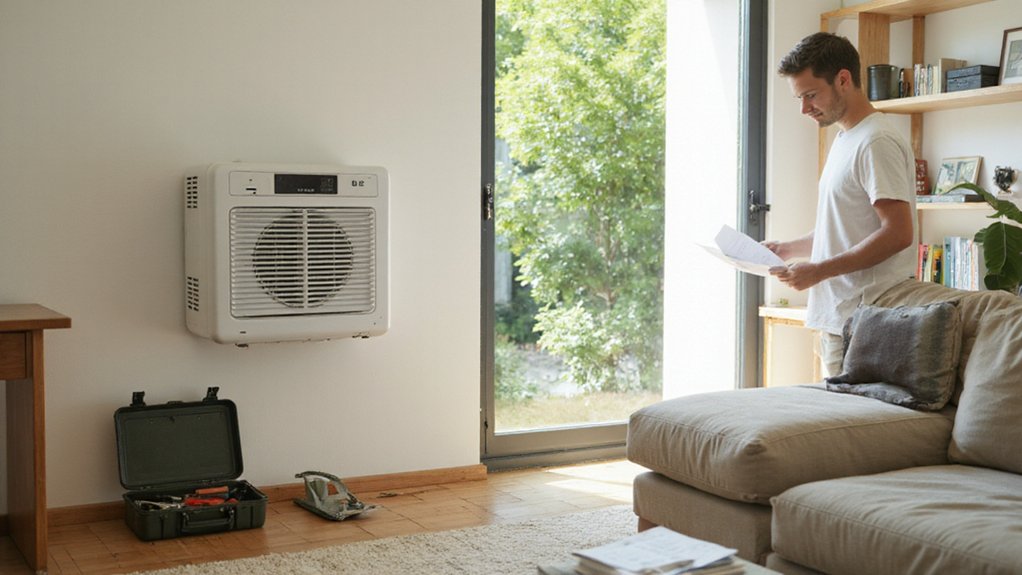
The purchase price is only part of the overall cost of owning an air conditioner. Installation and routine maintenance should also be part of your budget.
Window air conditioners usually have the lowest installation costs because they require very little setup.
Portable air conditioners are also relatively inexpensive to install, with most only requiring access to a nearby window for venting.
Central air conditioning systems generally cost more because installation often includes ductwork, larger equipment, and professional labor.
Routine maintenance helps keep your system working properly and may reduce the chance of expensive repairs.
Some simple maintenance tasks include:
- Replacing or cleaning air filters every month during heavy use.
- Cleaning the outdoor and indoor coils when needed.
- Keeping vents clear so air can circulate freely.
- Scheduling professional servicing to inspect the system and catch small issues before they become larger problems.
Choosing a well-built, energy-efficient air conditioner can lower running costs over time while reducing the need for major repairs.
Frequently Asked Questions
How Do I Improve My Air Conditioner's Efficiency?
Set your thermostat to around 75°F, replace or clean air filters regularly, seal air leaks around doors and windows, and use a programmable thermostat when possible. Regular maintenance also helps your system perform more efficiently.
What Is the Average Lifespan of an Air Conditioner?
Most air conditioners last between 15 and 20 years when they're properly maintained. Cleaning filters, checking for leaks, and scheduling routine servicing can help extend the life of the system.
Can I Install an Air Conditioner Myself?
Some window and portable air conditioners can be installed by homeowners if the manufacturer's instructions are followed carefully. Larger systems, including central air conditioning and ductless mini splits, usually require professional installation.
How Often Should I Replace My Air Filters?
Most air filters should be replaced every one to three months, depending on how often the system runs and the type of filter being used. Clean filters improve airflow and help maintain better indoor air quality.
What Are the Signs My Air Conditioner Needs Repair?
Common warning signs include poor cooling, unusual noises, inconsistent temperatures, weak airflow, or higher-than-normal electricity bills. Addressing these issues early can help prevent more expensive repairs.
Conclusion
Choosing the right air conditioner comes down to understanding your home's size, your cooling needs, and your budget. Whether you're considering a window unit, portable model, ductless mini split, or central air conditioning system, selecting the correct size and paying attention to energy efficiency can make a noticeable difference in comfort and operating costs.
Take time to compare features, installation requirements, and maintenance expenses before making your decision. With the right air conditioner, you can enjoy dependable cooling while keeping energy use under control.

other blog posts
Why Is My AC Running but Not Cooling the House?
How Do I Know If My Air Ducts Need Cleaning?
What Are the Warning Signs of a Failing Heating System?
Ready to Enhance Your Comfort
Contact us today to schedule your service, learn about energy-saving rebates, and feel comfortable in your home all year round.

