
 CALL US

related posts
Do I Need to Upgrade My Electrical Panel for a Heat Pump?
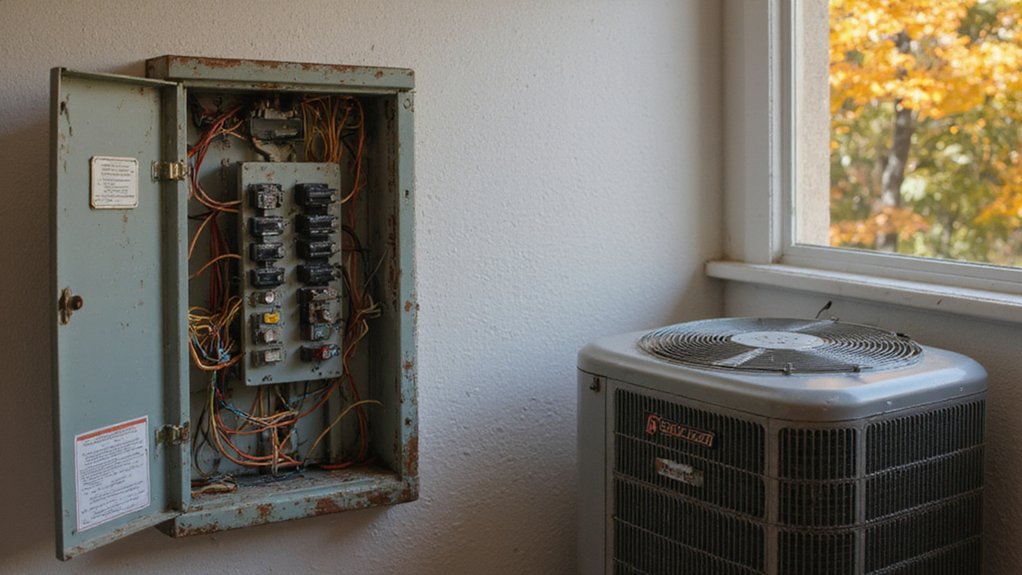
Upgrading your electrical panel for a heat pump isn't always a simple yes-or-no decision. If your current panel is under 200 amps or shows signs of wear, it may not be able to handle the added demand. You'll need to look at your home's energy needs and see whether your existing electrical system can support the new equipment.
Before you schedule an installation, it helps to understand what a panel upgrade involves and when one may be needed. A little planning can help you avoid electrical problems later.
Key Takeaways
- If your electrical panel has less than 200 amps, an upgrade may be needed to support a heat pump’s power demands.
- Signs of an aging panel, such as rust or frequent circuit breaker trips, can point to a need for an upgrade.
- Flickering lights or a lack of available power for other appliances can also be warning signs.
- A modern panel can improve safety and give your home more capacity for higher electrical demands.
- A licensed electrician can assess your electrical system and determine whether an upgrade is actually needed.
Understanding the Energy Requirements of Heat Pumps
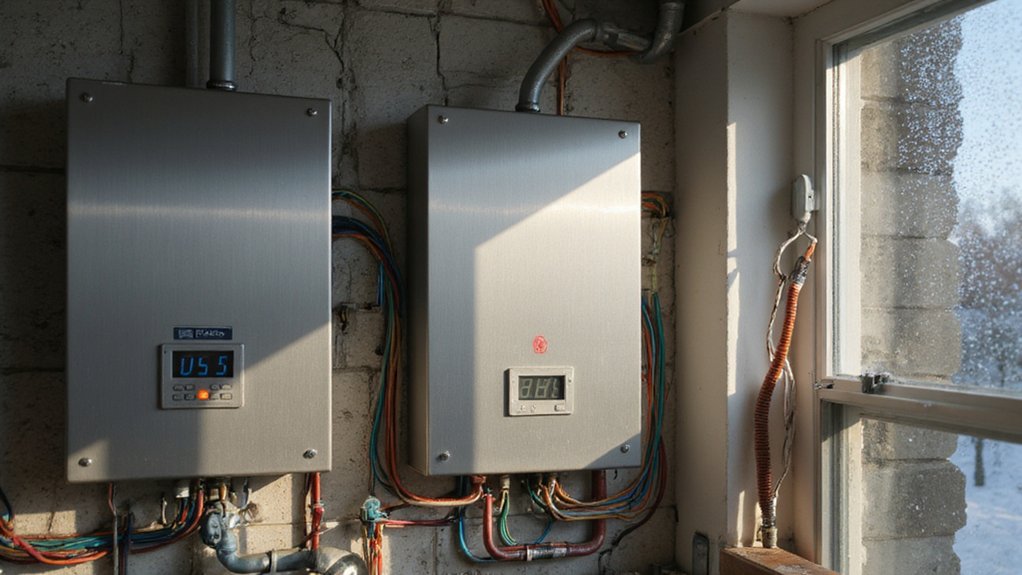
When you're planning a heat pump installation, it's worth looking at how much electricity the system will need. A heat pump uses electricity to provide heating or cooling, so its electrical demand needs to be considered alongside the other appliances in your home.
The amount of electricity a heat pump uses depends on the model and your home's heating and cooling needs. That's why an electrical load assessment matters. It helps determine how much power the system will draw and whether your existing panel has enough capacity.
If the heat pump's electrical load is greater than what your panel can safely handle, you could run into circuit overloads or frequent breaker trips.
Taking the time to assess the electrical requirements before installation can help make sure your home's electrical system is prepared for the new equipment.
Top Signs You Must Upgrade Your Electrical Panel for a Heat Pump
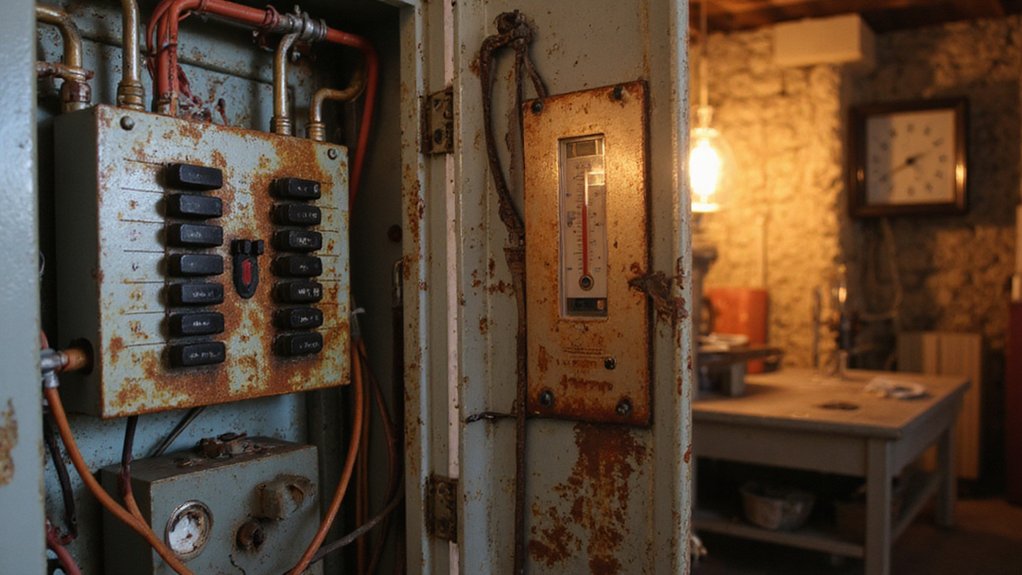
Adding a heat pump can increase the electrical demand in your home. Before installation, take a close look at your existing electrical panel to see whether it can handle the additional load.
Start with the panel capacity. If your panel is rated below 200 amps, an upgrade may be needed depending on the heat pump and the rest of your home's electrical demand.
The heat pump's circuit requirements also matter. If your existing circuits don't have enough capacity for the new system, you could experience tripped breakers or overheating.
The condition of the panel is another thing to check. Rust, visible damage, frequent breaker problems, or other signs of wear can indicate that the panel needs attention.
You should also think about any other electrical work you're planning. If you're adding appliances or making other upgrades at the same time, your current panel may not have enough capacity for everything.
Why You Should Upgrade to a Modern Electrical Panel
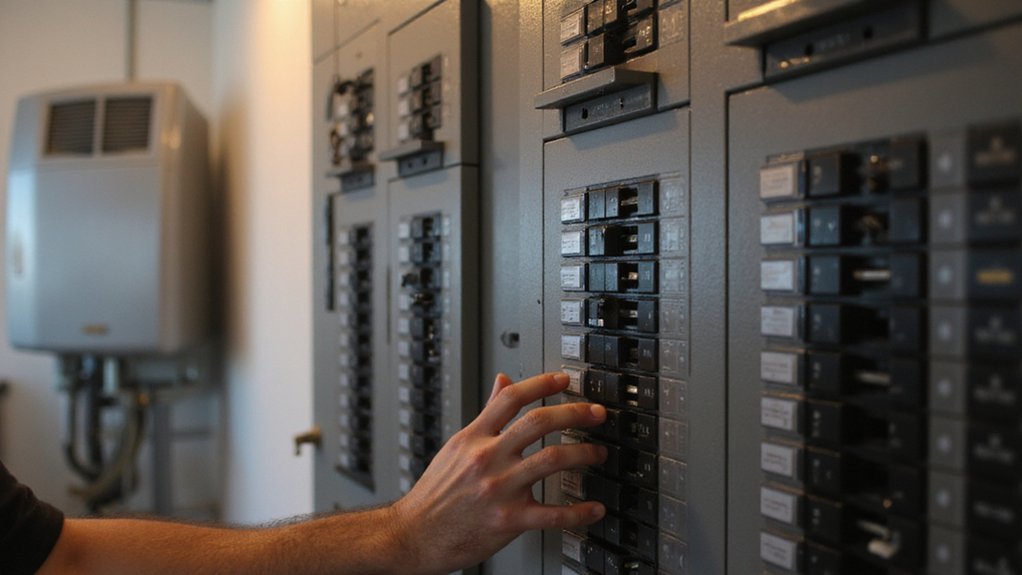
A modern electrical panel can give your home more capacity as your electricity needs grow. It can also provide updated safety features and make it easier to support newer appliances and electrical equipment.
Increased Power Demand
How much electricity does your home already use? That's an important question to ask before installing a heat pump.
A heat pump can add to your home's electrical demand, and an older panel may not have enough available capacity. When the electrical load gets too high, you may notice frequent breaker trips or other signs that the system is struggling to keep up.
Upgrading the panel can provide more capacity for the heat pump while also giving other appliances the power they need.
It can be a practical step if your home's electrical demand has grown over the years and your existing panel is no longer a good fit for your needs.
Enhanced Safety Features
Older electrical panels may not have some of the safety features found in newer panels. If you're adding a heat pump or another high-demand appliance, the condition of your electrical system deserves close attention.
Modern panels use circuit breakers that are designed to trip when an overload occurs. This helps protect the wiring and electrical equipment in your home.
Regular panel inspections can also help identify issues before they become bigger problems. Look for signs such as damaged wiring, burnt connections, rust, or breakers that trip repeatedly.
A panel upgrade can bring your electrical system up to current standards while giving you a better understanding of its condition.
Improved Energy Efficiency
If you're looking for ways to improve your home's energy efficiency, your electrical panel is one part of the system worth reviewing.
Older panels may have trouble handling the electrical demand created by newer appliances, including heat pumps. A properly sized modern panel can distribute electricity throughout the home more effectively and provide the capacity needed for newer equipment.
A modern panel can also work with technologies such as smart meters and energy management systems.
The panel itself doesn't make a heat pump consume less electricity, but having an electrical system that can properly support the equipment can help the system operate as intended. It can also make it easier to add other electrical technologies in the future.
How to Assess Your Electrical Panel for Heat Pump Needs
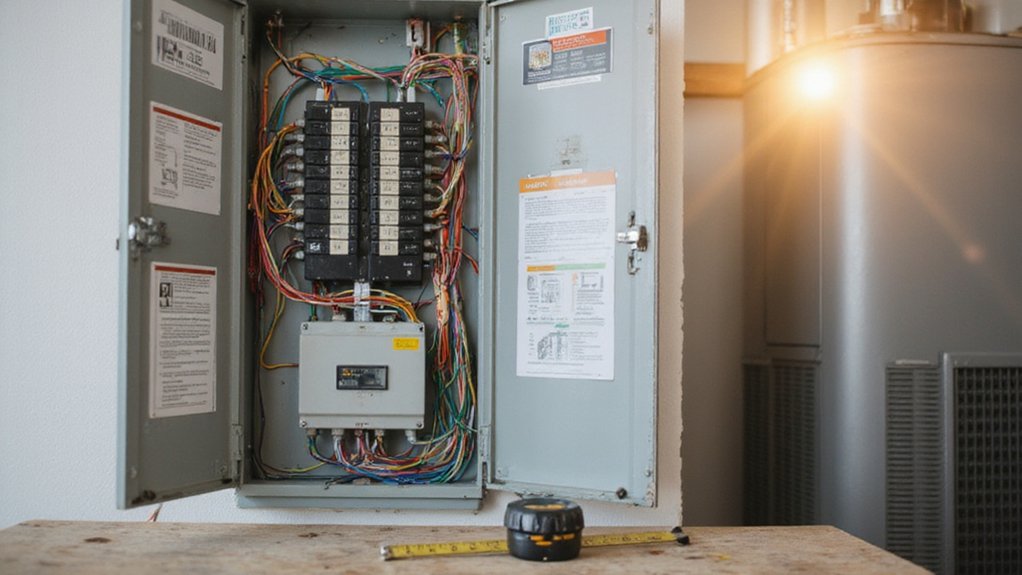
Before installing a heat pump, you'll want to know whether your existing electrical system can handle the added demand. An electrical panel inspection is a good place to start.
Check the panel's amperage rating and compare it with the electrical requirements of the heat pump you're considering. Many heat pumps may require a 200-amp panel, depending on the equipment and the home's total electrical load.
The panel's condition matters, too. Rust, burnt connections, damaged components, or other visible problems should be checked by a qualified professional.
Next, look at the circuit breakers and available space. The heat pump may need a dedicated circuit, so your panel needs to have the appropriate capacity and room for the required equipment.
Your home's existing wiring also needs to be suitable for the heat pump. The wire gauge and other electrical components should match the system's requirements.
If the inspection identifies a problem, it's better to address it before the heat pump is installed. A licensed electrician can calculate the electrical load and determine what changes, if any, are needed.
What Happens When You Upgrade Your Electrical Panel?
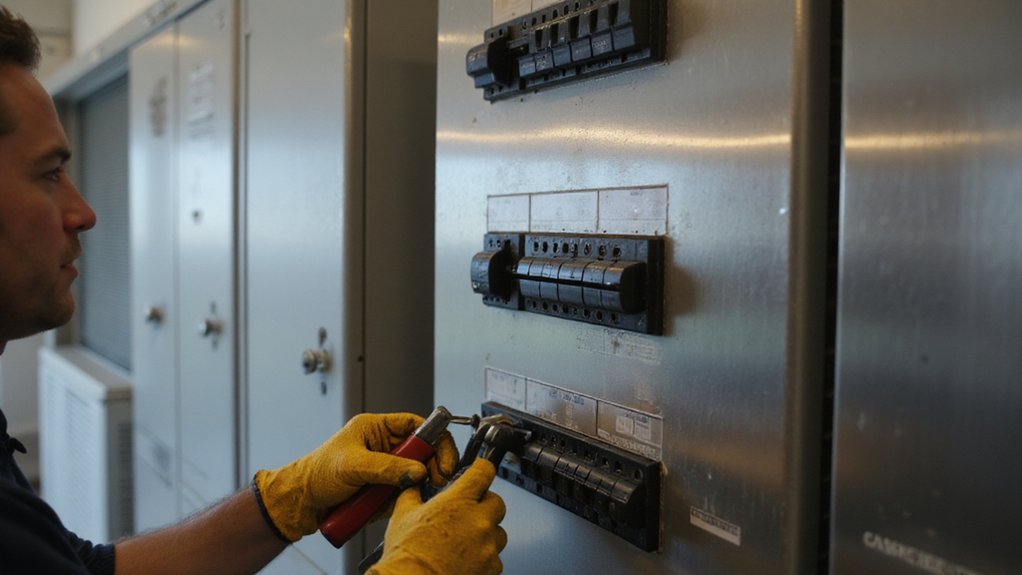
An electrical panel upgrade usually means replacing an older panel with one that has the capacity and features needed for your home.
During the work, outdated panel components may be replaced, and new circuit breakers and wiring may be installed as needed. In some situations, the utility service line may also need to be upgraded to provide enough power to the home.
The exact work depends on your home's current electrical setup. A smaller project may involve replacing the panel and adjusting a few circuits. A more involved upgrade can require additional electrical work.
You'll also need to account for upgrade costs. The price can vary based on the panel capacity, wiring, permits, labor, and whether the utility connection needs to be changed.
The goal is to make sure your electrical system has enough capacity for the heat pump and your other appliances while addressing any existing safety concerns.
Debunking Myths About Electrical Panels and Heat Pumps
There are quite a few misconceptions about electrical panels and heat pumps.
One common myth is that every heat pump requires an upgraded electrical panel. That's not necessarily true. Some existing panels can handle the added load if they have enough capacity and meet the electrical requirements of the new system.
Another misconception is that every older panel is unsafe. Age alone doesn't tell you whether a panel needs to be replaced. Its condition, capacity, design, and ability to meet the requirements of your home all need to be considered.
That's why it's better to look at your specific electrical system rather than assume an upgrade is necessary.
A qualified electrician can inspect the panel, calculate the home's electrical load, and determine whether the heat pump can be installed with the existing setup.
This approach can help you avoid paying for an unnecessary panel upgrade while still addressing genuine electrical concerns.
Choosing the Right Electrician for Your Upgrade
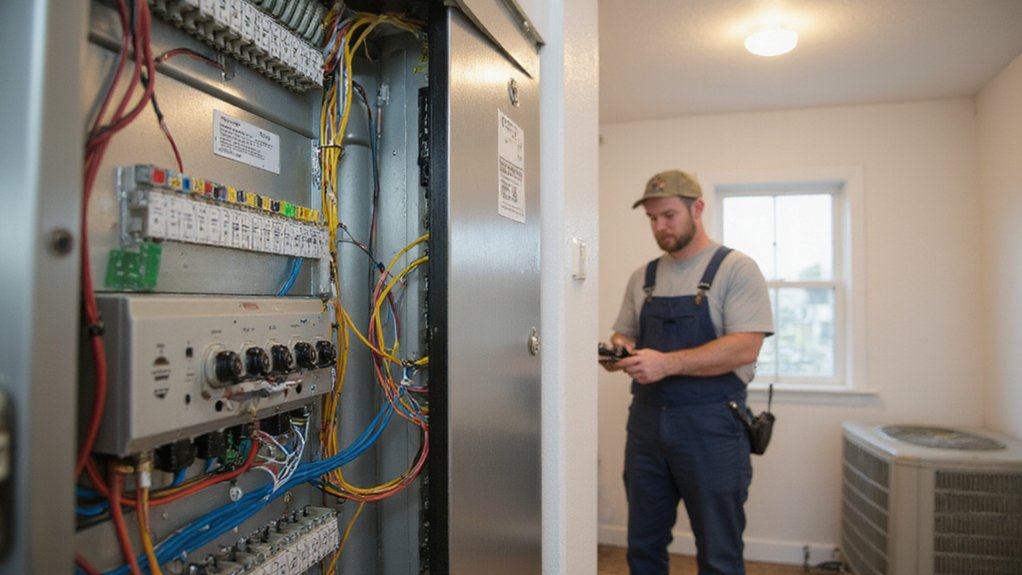
If your home needs an electrical panel upgrade, choosing a licensed electrician with the right experience matters.
Look for licensed electricians who have experience with panel installations and heat pump projects. Check their credentials and make sure they're familiar with the electrical codes and requirements that apply in your area.
It can also help to ask for references or reviews from previous customers. This gives you a better idea of how they handle similar work.
Getting multiple quotes can help you compare the expected cost and the work included in each proposal. Don't focus only on the lowest price. Make sure you understand what each quote covers.
During the consultation, ask about their experience with heat pumps and whether they'll perform an electrical load calculation before recommending a panel upgrade.
You can also ask whether their work comes with a warranty and what that warranty covers.
An HVAC contractor can also help coordinate the electrical requirements of your heat pump installation with the rest of your heating and cooling system.
Frequently Asked Questions
Can I Install a Heat Pump Without Upgrading My Panel?
You may be able to install a heat pump without upgrading your panel. The deciding factor is whether your current electrical system has enough capacity for the heat pump and the rest of your home's electrical load.
An electrician can check the panel, wiring, and available capacity before installation. If the system can't handle the additional demand, an upgrade may be needed to prevent overloads.
What Are the Costs Associated With Upgrading an Electrical Panel?
An electrical panel upgrade typically ranges from $1,500 to $3,000, depending on the panel capacity and installation requirements.
Your total cost may also include permits, labor, new circuit breakers, wiring, and other electrical work. If the utility service needs to be upgraded, that can add to the cost as well.
Getting a quote based on your home's specific electrical setup will give you a more useful estimate.
How Long Does an Electrical Panel Upgrade Take?
An electrical panel upgrade typically takes around 4 to 8 hours, although the actual time can vary depending on the work involved.
The installation may take longer if additional wiring, circuits, or utility work is required. An electrical load calculation can also affect the scope of the project.
Your electrician should be able to give you a better estimate after inspecting the existing panel and electrical system.
Will Upgrading My Panel Increase My Home’s Value?
An upgraded electrical panel can make a home more appealing to buyers who want an electrical system that can support newer appliances and equipment.
A modern panel can also make it easier to add systems such as heat pumps and other electric appliances in the future.
The effect on your home's value can vary based on the property, local market, and the condition of the existing electrical system.
Are There Permits Required for an Electrical Panel Upgrade?
Yes, permits are commonly required for electrical panel upgrades, but the exact requirements vary by location.
Permit requirements can depend on the type of panel work being done, the property's location, and local electrical rules. Check with your local authority or ask your electrician about the permits needed before work begins.
Handling the required permits in advance can help prevent delays during the project.
Conclusion
Upgrading your electrical panel for a heat pump isn't always necessary, but it can be the right choice when your existing system doesn't have enough capacity or shows signs of wear.
Before making a decision, have your current panel, wiring, and electrical load assessed. A licensed electrician can determine whether your home can support the heat pump as it is or whether an upgrade is needed.
If an upgrade is required, a modern panel can give your home more electrical capacity and updated safety features. Taking care of these electrical needs before installing the heat pump can help you avoid problems and make sure your new system has the support it needs.

other blog posts
Why Is My Heating System Making Strange Noises?
Why Is One Room Hotter or Colder Than Others in Your House?
What Is the Difference Between Ducted and Ductless Heat Pumps?
Ready to Enhance Your Comfort
Contact us today to schedule your service, learn about energy-saving rebates, and feel comfortable in your home all year round.

