 CALL US
related posts
How Can I Lower My Heating and Cooling Bills?

If your energy bills keep creeping up, you’re not alone. Heating and cooling costs can take up a large part of your monthly expenses, especially during peak seasons. The good news is that small changes at home can make a noticeable difference.
Once you understand how your system works and where energy is being lost, it becomes much easier to cut back on waste. A few simple adjustments, along with some smart upgrades, can help you stay comfortable without overspending.
Key Takeaways
- Seal drafts and leaks around windows, doors, and vents to reduce energy loss
- Adjust thermostat settings to balance comfort and cost
- Keep up with regular HVAC maintenance for better performance
- Switch to energy-efficient appliances and lighting where possible
- Look into rebate programs that help reduce upgrade costs
Get to Know Your Heating and Cooling Systems

Before making any changes, it helps to understand what you’re working with. Heating and cooling systems vary quite a bit, and each one uses energy differently.
Furnaces, heat pumps, and boilers all operate in their own way. Some are older and use more energy, while newer systems are designed to run more efficiently. If you’re not sure what type you have, checking the unit label or asking a technician can clear that up quickly.
Cooling systems also differ. Central air units, window units, and ductless systems all come with their own usage patterns. Knowing how your system behaves helps you spot where energy might be wasted.
Regular servicing plays a big role here. A system that’s clean and properly tuned tends to run smoother and use less energy over time.
Seal Drafts and Leaks for Better Efficiency
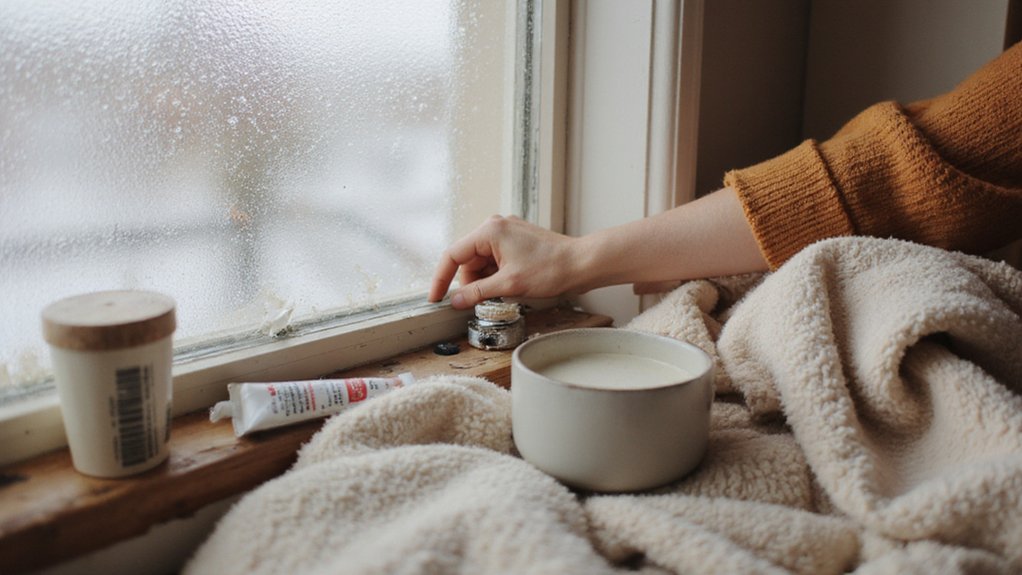
Air leaks are one of the biggest reasons for high energy bills, and they often go unnoticed. Even small gaps around windows or doors can let warm or cool air escape.
Start by checking common trouble spots. Windows, door frames, vents, and even electrical outlets can allow air to pass through. A simple way to test this is by holding a candle near these areas and watching for flickering.
Once you find the leaks, sealing them is usually straightforward. Weatherstripping works well for doors and windows, while caulk can fill cracks in walls or around frames.
Don’t skip the attic or basement. These areas are often overlooked but can have a big impact on how well your home holds temperature.
Fixing these gaps helps your system work less, which leads to lower bills and a more stable indoor temperature.
Adjust Your Thermostat for Everyday Savings

Your thermostat settings can quietly drive up costs if they’re not set thoughtfully. A few small adjustments throughout the day can lead to steady savings.
Set Comfortable, Cost-Saving Temperatures
Try keeping your home around 68°F during winter when you’re inside. At night or when you’re out, lowering it a bit can reduce unnecessary heating.
During summer, aim for about 78°F while you’re home. When no one is around, letting the temperature rise slightly helps cut down on cooling costs.
These changes may seem small, but they add up over time.
Use Programmable Thermostats
A programmable thermostat takes the guesswork out of managing temperatures. You can set it to adjust automatically based on your daily routine.
For example, it can lower heating while you’re asleep and bring it back up before you wake. The same idea applies to cooling during the day when the house is empty.
Some models also show energy usage patterns, which can help you spot where you might be overusing power.
Make Seasonal Adjustments
Outdoor temperatures shift throughout the year, so your thermostat settings should shift too. What works in early winter may not make sense later in the season.
Checking and adjusting settings every few weeks helps keep things balanced. It’s a simple habit that keeps your system from working harder than needed.
Choose Energy-Efficient Appliances for Greater Savings

Older appliances tend to use more energy than necessary. Replacing them with newer models can make a noticeable difference over time.
Look for appliances with Energy Star ratings. These are built to use less electricity while still doing the same job. Heating and cooling systems, in particular, benefit from this upgrade.
Lighting also plays a part. Switching to LED bulbs is an easy win since they use far less energy and last longer than traditional bulbs.
Smart home devices can help as well. Thermostats, plugs, and timers give you more control over when and how energy is used throughout the day.
These upgrades don’t need to happen all at once. Even gradual changes can lead to steady savings.
Use Natural Ways to Control Indoor Temperature
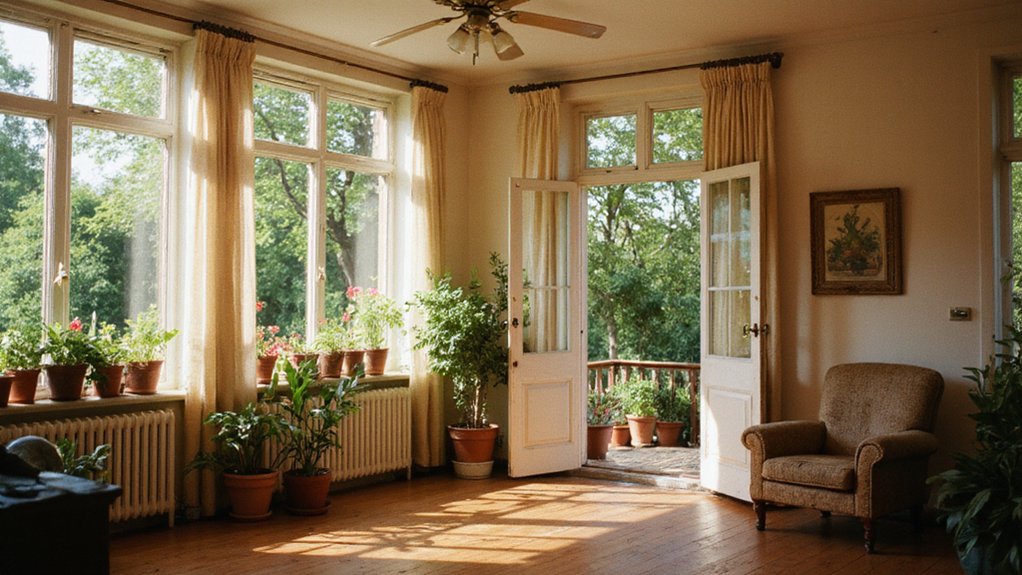
Your home already has ways to stay comfortable without relying entirely on machines. Using natural methods can reduce how often your system needs to run.
Sunlight is one of the easiest tools to use. During winter, letting sunlight in can help warm up rooms naturally. In summer, closing curtains or using shades keeps excess heat out.
Fresh air also helps. Opening windows during cooler times of the day allows air to circulate and cool down your home.
If possible, create cross-ventilation by opening windows on opposite sides of the house. This helps push warm air out and pull cooler air in.
Small changes like these can take pressure off your heating and cooling system.
Keep Your HVAC System in Good Shape
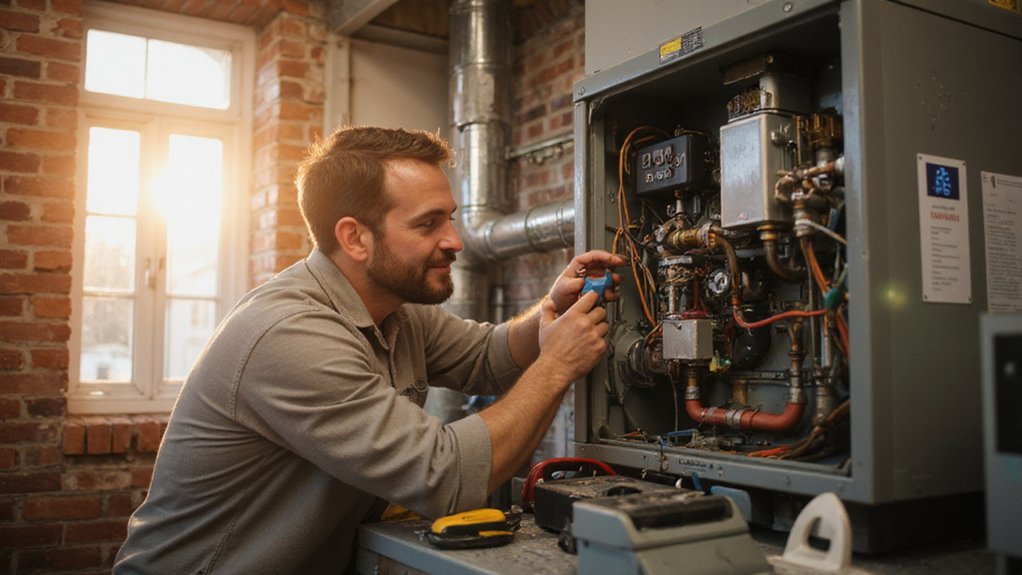
A well-maintained system runs better and uses less energy. Skipping maintenance often leads to higher bills and unexpected breakdowns.
Air filters are one of the easiest things to manage. When they get clogged, airflow is restricted, and the system has to work harder. Replacing or cleaning them every one to three months keeps things running smoothly.
Dust and debris can also build up inside ducts and components. A yearly professional cleaning helps clear this out and improves overall performance.
Regular checkups give technicians a chance to catch small issues before they turn into bigger problems.
Look Into Government Rebates and Incentives

Making energy-saving upgrades can feel expensive upfront, but rebate programs can help ease that cost.
Who Can Qualify
Eligibility depends on a few factors. Your home type, current system, and the equipment you plan to install all play a role.
Some programs offer more support to households within certain income ranges. Checking local guidelines gives you a clearer idea of what you can receive.
Types of Rebates Available
Many programs focus on home improvements that reduce energy use. This can include better insulation, upgraded windows, or newer heating and cooling systems.
Energy audits are sometimes included as well. These assessments show where your home is losing energy and point out areas to fix.
Local and state programs change often, so it’s worth checking what’s currently available in your area.
How to Apply Without Confusion
The process is easier when you take it step by step. Start by reviewing the requirements for the program you want.
Gather documents like receipts and product details. Fill out the application carefully, making sure all information is correct.
Submit everything before the deadline, then keep track of your application status. A quick follow-up can help if you don’t hear back.
Frequently Asked Questions
How Do I Choose the Right Size HVAC System for My Home?
The size depends on your home’s square footage, insulation, and layout. A professional can run proper calculations to make sure the system fits your needs without wasting energy.
What Are the Benefits of a Programmable Thermostat?
It adjusts temperatures automatically based on your schedule. This helps reduce energy use when you’re not home while keeping things comfortable when you are.
How Often Should I Replace My Air Filters?
Every one to three months works for most homes. If you have pets or allergies, you may need to change them more often.
Can Window Treatments Really Help Reduce Energy Costs?
Yes, they can. Curtains and blinds help block heat during summer and keep warmth inside during winter.
What Is the Ideal Indoor Temperature for Energy Savings?
Around 68°F in winter and 78°F in summer tends to work well for most households.
Conclusion
Lowering your heating and cooling bills doesn’t require major changes all at once. Small improvements can add up quickly when they’re done consistently.
Sealing leaks, adjusting your thermostat, and keeping your system maintained all help reduce unnecessary energy use. Upgrading appliances and using natural temperature control methods can take those savings even further.
If you also take advantage of available rebate programs, the cost of improvements becomes easier to manage. With a bit of attention and planning, you can keep your home comfortable while spending less on energy.

other blog posts
Why Does My HVAC Smell Bad? Common Causes & Fixes
Why Does My AC Keep Freezing Up?
Differences between a low and high quality HVAC systems
Ready to Enhance Your Comfort
Contact us today to schedule your service, learn about energy-saving rebates, and feel comfortable in your home all year round.

