
 CALL US

related posts
Is Central AC or a Ductless Mini-Split Better for My Home?

Choosing between central air conditioning and a ductless mini-split system comes down to your home's layout, cooling needs, and budget. Both options can keep indoor spaces comfortable, but they work in different ways.
Central AC is a common choice for larger homes with existing ductwork. It distributes cool air throughout the house, making it easier to maintain similar temperatures in different rooms. The downside is that installation can be costly, especially if your home doesn't already have ducts.
Ductless mini-splits take a different approach. They use individual indoor units to cool specific rooms or areas, giving you more control over where the cooling goes. Since they don't need ductwork, they're also worth considering for older homes, room additions, and spaces where installing ducts would be difficult.
So, which system makes more sense for your home? Looking at installation, running costs, maintenance, and room-by-room comfort can help you make the right choice.
At a Glance: Central AC and Ductless Mini-Splits
- Central AC is generally suited to larger homes where several rooms need cooling throughout the day.
- Ductless mini-splits work well in smaller homes, room additions, and houses where separate temperature settings are preferred.
- Mini-splits can reduce energy waste because they don't rely on ductwork to distribute cool air.
- Central AC usually requires more installation work, especially when new ducts need to be fitted.
- Ductless systems offer room-by-room temperature control, while central AC typically cools the house through a shared system.
- The total cost of either option depends on the home's size, equipment, installation requirements, and expected usage.
Central AC vs. Ductless Mini-Split: Which System Suits Your Home?

When comparing central AC with a ductless mini-split, start by looking at how your home is built and how you use each room.
Central AC sends cooled air through a network of ducts connected to vents throughout the house. If your home already has suitable ductwork, installing a new central air system may be relatively straightforward. It's also a practical option when you want consistent cooling across several rooms.
There are a few drawbacks to consider. Air can escape through gaps in poorly sealed ducts, which means the system may use more electricity than expected. Homes without existing ductwork may also need extensive modifications before central AC can be installed.
Ductless mini-splits don't have this requirement. An outdoor compressor connects to one or more indoor units, allowing you to cool selected areas independently. This setup works well when certain rooms receive more sunlight, have different cooling needs, or aren't used throughout the day.
Noise is another consideration. Central AC systems can produce noticeable sound from the outdoor equipment and indoor air handler. Mini-splits are often quieter inside because the indoor units operate independently.
Your decision should come down to the home's layout, existing equipment, cooling habits, and installation budget.
Understanding Ductless Mini-Split Air Conditioning

A ductless mini-split system consists of an outdoor compressor and one or more indoor air-handling units. Refrigerant lines connect these components, allowing the system to transfer heat from inside the home to the outdoors.
Unlike central AC, mini-splits don't need a network of ducts to move cooled air between rooms. Each indoor unit serves a specific area, giving you more control over the temperature in that space.
This arrangement can be useful in homes where different rooms have different cooling requirements. For example, you might want a cooler bedroom at night without running the air conditioning throughout the entire house.
Mini-split systems also come in different installation styles. Common options include:
- Wall-mounted units: These are installed high on a wall and are among the most common choices for bedrooms and living areas.
- Ceiling-mounted units: These sit within or against the ceiling, making them suitable for spaces where wall mounting isn't practical.
- Floor-mounted units: These are positioned near the floor and can work well in rooms with limited wall space.
Installation usually involves drilling a small opening for the refrigerant lines, electrical connections, and drainage. Compared with fitting a complete duct network, this can mean less disruption to your home.
The number of indoor units you need depends on the floor plan, room sizes, insulation, and cooling requirements.
Energy Use and Monthly Electricity Bills

Electricity consumption is one of the main differences between central AC and ductless mini-splits. Both systems use electricity to cool your home, but the way they distribute that cooling can affect your monthly bills.
Central AC relies on ducts to carry cooled air from the air handler to different rooms. If the ducts have leaks or poor insulation, some of that cooled air can be lost before reaching its destination.
This means the system may need to run longer to maintain the temperature you've selected. Duct condition, equipment size, insulation, and thermostat settings all play a part in how much electricity it uses.
Ductless mini-splits avoid these duct-related losses. They also allow you to cool individual rooms rather than running one system to serve the entire house.
Many mini-split models use inverter technology. Instead of constantly switching between full power and shutting off, the compressor can adjust its output based on the cooling demand. This can help reduce electricity use when the room doesn't need maximum cooling.
SEER, or Seasonal Energy Efficiency Ratio, is one rating used to compare air conditioning systems. Many ductless mini-splits have ratings above 20, while central AC models commonly fall within a range of around 14 to 22.
These figures can help with comparisons, but they don't tell the whole story. Actual electricity costs depend on the equipment model, local climate, insulation, maintenance, and how many hours you run the system.
If your home has several rooms that are rarely occupied at the same time, a zoned mini-split system may help avoid cooling unused spaces.
Installation Differences Between the Two Systems
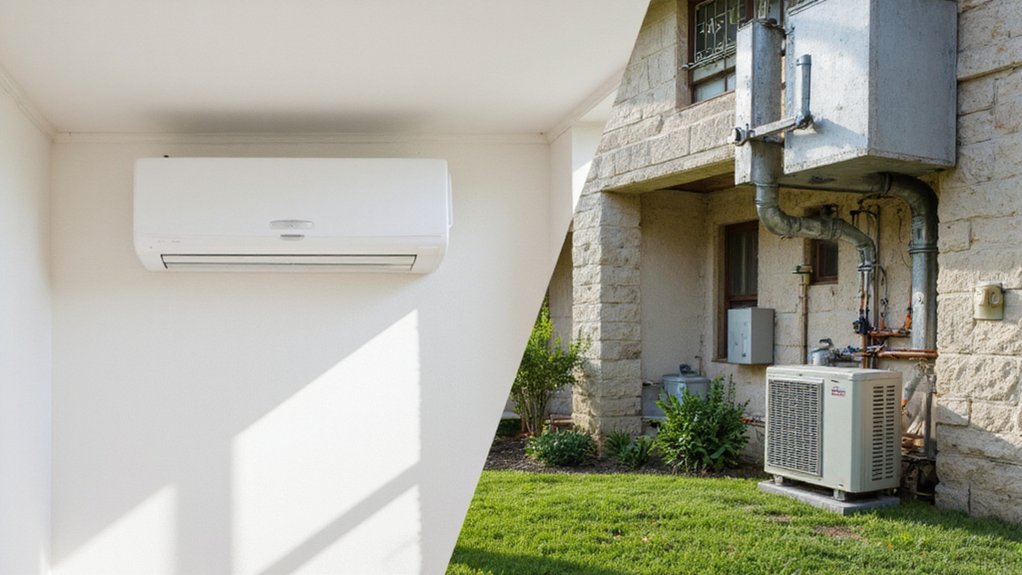
Installation is another area where central AC and ductless mini-splits differ. The work involved depends on the equipment, home layout, and whether suitable ductwork is already in place.
A central AC installation may require duct modifications, electrical work, refrigerant connections, and changes to the existing air distribution system.
Mini-splits generally involve less structural work because they don't need ducts. The outdoor compressor is connected to the indoor units through refrigerant piping and electrical wiring.
What Happens During Installation?
Central AC installation can involve several stages. If your home already has suitable ducts, a technician may only need to install or replace the main equipment, connect the system, and test its operation.
Homes without existing ductwork require more preparation. Contractors may need to create openings in walls or ceilings, install ducts, fit vents, and make room for the air handler. These changes can add both time and expense.
Ductless mini-splits have a simpler installation arrangement. The indoor unit is mounted in the selected room, and a small opening is made in the wall for the connecting lines. The outdoor compressor is then positioned and connected to the indoor equipment.
The refrigerant lines must be installed and tested correctly. Electrical connections, drainage, and mounting also need attention.
Although mini-split installation is usually less disruptive, the work still needs to be completed by someone qualified to handle refrigerants and electrical connections.
How Long Does Installation Take?
The time required depends on the size of the project.
A central AC installation may take one to three days. Projects involving new ductwork or major changes to an existing system can take longer.
A ductless mini-split installation may be completed within a few hours to a full day, depending on the number of indoor units and the complexity of the work.
For homes that need several indoor units, installation may take longer than a single-room setup. The outdoor unit's location, wall construction, electrical requirements, and pipe routing can also affect the schedule.
Getting an installation estimate before choosing a system can help you plan around the work.
Tools and Materials Needed
Central AC and ductless mini-splits require different equipment during installation.
A central AC project may involve refrigerant gauges, electrical tools, copper tubing, insulation, duct materials, and a thermostat. The exact requirements depend on whether the contractor is replacing an existing system or fitting a new one.
Mini-split installations require mounting brackets, refrigerant piping, electrical wiring, insulation, and drainage components. Technicians also use a vacuum pump to remove air and moisture from the refrigerant lines before charging and testing the system.
These aren't ordinary home improvement projects. Refrigerant handling and electrical connections should be left to qualified HVAC professionals.
Comparing Installation Costs With Long-Term Savings
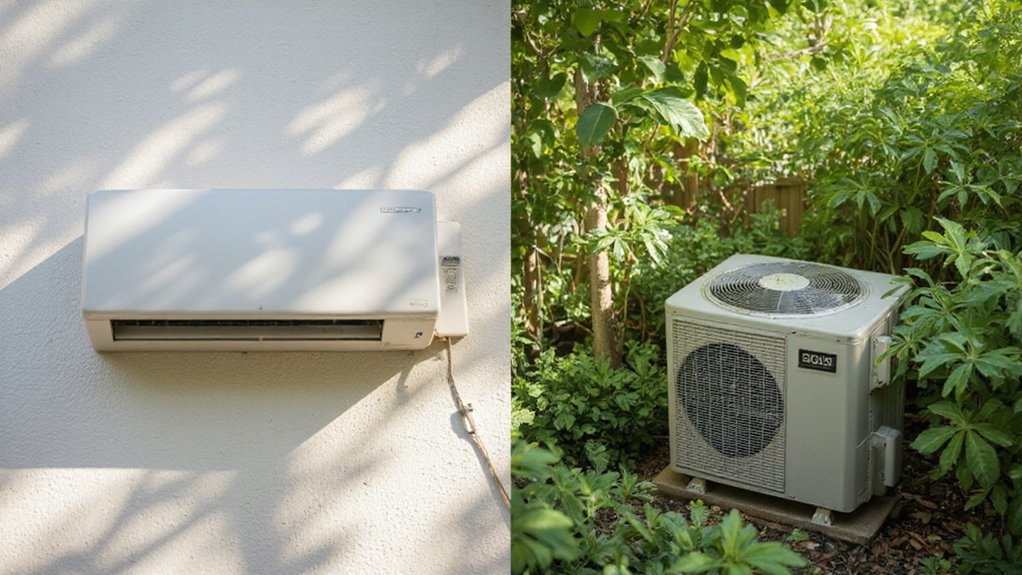
The purchase price is only one part of the cost of an air conditioning system. Installation, electricity use, servicing, and future repairs all affect how much you'll spend over the years.
Central AC often comes with a higher upfront price when a home needs new ductwork. If the ducts are already in good condition, the cost may be more manageable.
Ductless mini-splits can cost less to install in homes without existing ducts. But the total price depends on how many indoor units you need. A multi-room setup with several indoor units may cost more than a single-room installation.
Comparing the Initial Costs
Central AC systems typically involve a larger installation project. The equipment itself, ductwork, vents, electrical connections, and labour all contribute to the final price.
For homes that already have suitable ducts, replacing an older central AC unit may be less expensive than installing a completely new system.
Ductless systems offer a different cost structure. A single indoor unit can serve one room, while additional units can be added to cover other areas. This gives homeowners more flexibility when planning their spending.
If you're renovating an older home or adding a new room, a mini-split may help avoid the expense and disruption of extending ductwork.
Financing options may also be available for both types of systems. Before agreeing to a purchase, compare written estimates that include equipment, installation, electrical work, and any additional materials.
Electricity Costs Over the Years
The amount you spend on electricity depends on how often the system runs and how much cooling your home needs.
Ductless mini-splits can use less electricity when you're cooling selected rooms rather than the entire house. Inverter technology also allows many models to adjust compressor output according to demand.
Central AC can still be a sensible choice when you need cooling throughout a larger home. A properly sized system with well-sealed, insulated ducts can perform well without unnecessary energy loss.
It's worth comparing the actual SEER ratings of the models you're considering rather than assuming every mini-split uses less electricity than every central AC system.
Ask your HVAC contractor to estimate expected running costs based on your home's size, local electricity rates, and daily cooling habits.
Maintenance Requirements for Central AC and Mini-Splits
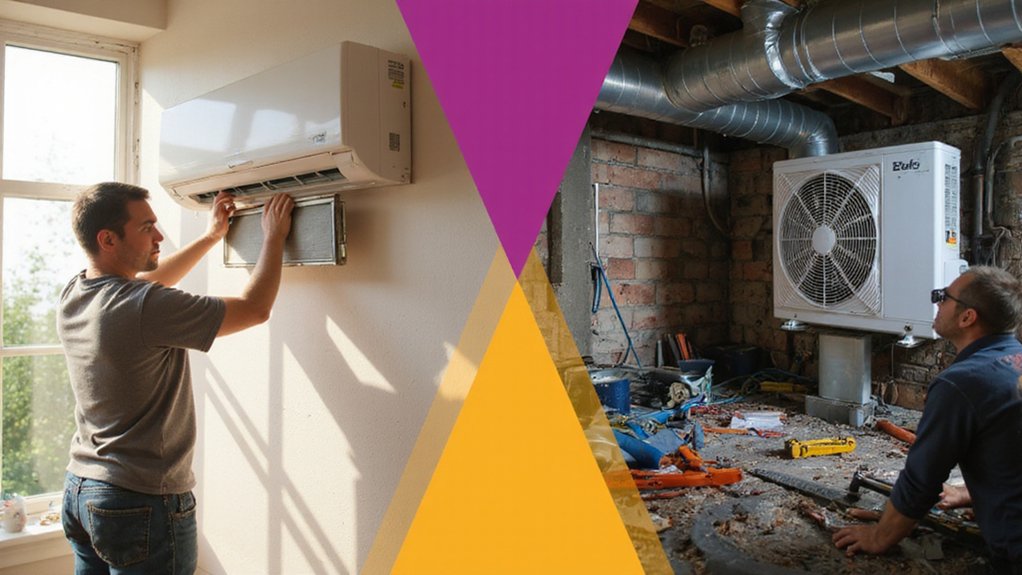
Both types of air conditioning systems need regular maintenance. Keeping filters clean, checking drainage, and arranging periodic servicing can help prevent common problems.
For central AC, filter cleaning or replacement is one of the simplest maintenance tasks. Dirty filters restrict airflow and can make the system work harder than necessary.
Ductwork also needs attention. Dust, loose connections, damaged insulation, and air leaks can affect how well cooled air reaches different rooms.
Ductless mini-splits have filters inside their indoor units. These should be cleaned according to the manufacturer's instructions, especially during periods of frequent use.
The outdoor compressor also needs enough space for proper airflow. Leaves, dust, and other debris should be cleared from around the unit.
Professional servicing can help identify refrigerant leaks, drainage problems, electrical faults, and other issues before they become more expensive to repair.
Many homeowners arrange an inspection before the main cooling season and another check later in the year. The exact schedule depends on the equipment and how frequently it's used.
Room-by-Room Cooling With Ductless Systems

One of the biggest differences with ductless mini-splits is the ability to control temperatures in individual rooms.
With central AC, a single thermostat usually controls cooling for the connected areas of the house. Some homes have zoning systems that provide separate temperature settings, but these require additional equipment and suitable duct arrangements.
Mini-splits offer room-level control through individual indoor units. You can adjust the temperature in a bedroom, living room, or home office without changing the settings in every other area.
This can be useful for families with different temperature preferences. Someone who prefers a cooler bedroom can adjust that room without making the living area uncomfortably cold.
Targeted cooling may also reduce unnecessary electricity use. If a guest room isn't occupied, you may be able to leave its indoor unit switched off.
Noise is another benefit worth considering. Many indoor mini-split units operate quietly, making them suitable for bedrooms, study areas, and other spaces where background noise can be distracting.
Their filters can also capture certain airborne particles, depending on the model and filter type. Regular cleaning remains necessary to keep the system working as intended.
Choosing an Air Conditioning System for Your Home
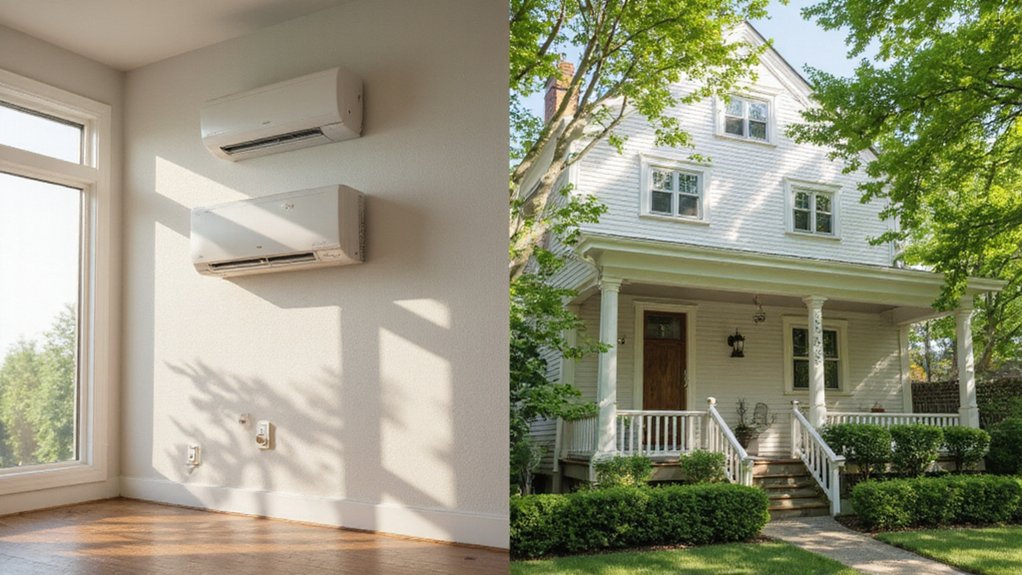
The right cooling system depends on more than the number of rooms in your home. Your floor plan, insulation, ceiling height, window placement, and daily routine all affect how well an air conditioner will perform.
Central AC may suit a larger home where several rooms need cooling at the same time. It's also worth considering if your property already has ductwork in good condition.
Ductless mini-splits can be a better match for smaller properties, extensions, converted garages, and rooms that need separate temperature settings.
Think about how each room is used. A bedroom occupied mainly at night may have different cooling requirements from a living room used throughout the day.
Insulation also deserves attention. Poorly insulated walls, ceilings, and windows allow heat to enter the home, making any air conditioning system work harder.
Your local climate matters as well. Some mini-split models are designed to provide both cooling and heating, including in colder weather. Check the manufacturer's operating temperature range before choosing one for a cold climate.
If you're considering a system that provides both heating and cooling, professional heat pump installation and service can help you choose a suitable option for your home.
Budget and appearance are worth considering, too. Central AC keeps most of its equipment out of sight, while ductless systems have visible indoor units mounted on walls, ceilings, or near the floor.
What to Consider Before Making Your Choice
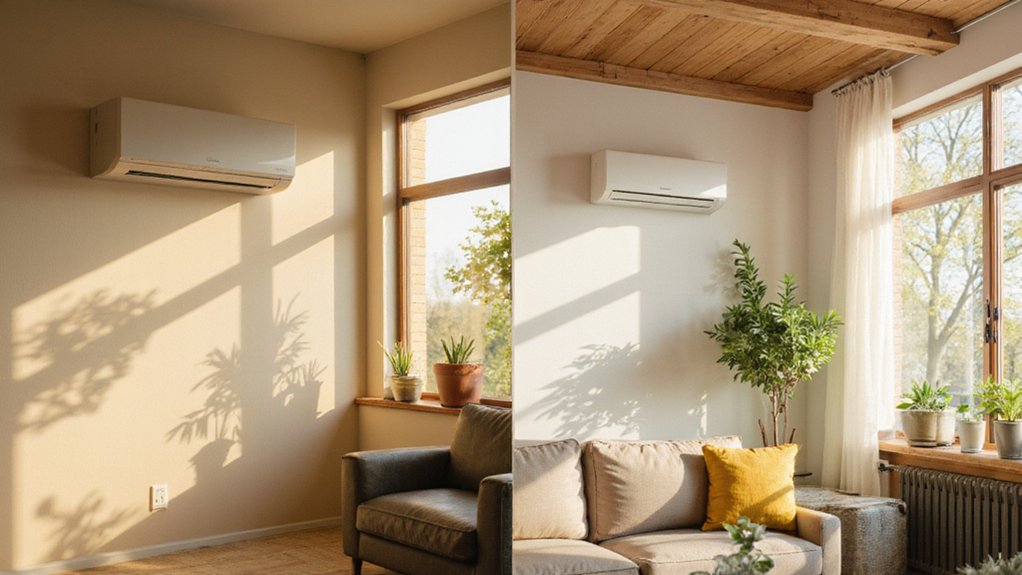
Before settling on central AC or a ductless mini-split, take some time to think about how you want your home to feel throughout the day.
If you prefer similar temperatures across the house, central AC may be a practical option. It can be a good fit when suitable ductwork is already installed and several rooms need cooling together.
If different family members prefer different temperatures, ductless mini-splits offer more control. You can adjust individual rooms according to when they're occupied and how much cooling they need.
Your home's layout should also influence the decision. Multi-level properties, older houses, and extensions can sometimes make duct installation difficult. In these situations, a ductless system may be easier to fit.
Don't base your decision on equipment prices alone. Compare installation estimates, expected electricity use, maintenance requirements, warranty coverage, and the availability of replacement parts.
It's also worth having a contractor assess the cooling load of your home. Choosing the right system size matters because an oversized or undersized air conditioner may struggle to maintain comfortable indoor temperatures.
A proper assessment can help you avoid spending money on equipment that doesn't suit your space.
Frequently Asked Questions
Can I Install a Ductless Mini-Split Myself?
Installing a ductless mini-split yourself may seem straightforward, especially when you're only fitting one indoor unit. The work still involves electrical connections, refrigerant piping, drainage, and mounting the equipment securely.
Refrigerant lines need to be handled and tested correctly. Mistakes can lead to leaks, poor cooling, or damage to the equipment.
Hiring a qualified HVAC technician is the safer option. It also helps ensure the system is installed according to the manufacturer's requirements and local rules.
How Long Does a Ductless Mini-Split Last?
A ductless mini-split typically lasts around 15 to 20 years when properly maintained.
Its lifespan depends on how frequently it's used, the installation conditions, the local climate, and the quality of maintenance.
Cleaning the filters, keeping the outdoor unit clear, and arranging professional servicing can help prevent avoidable wear.
Are Ductless Mini-Splits Quieter Than Central AC?
Ductless mini-splits are often quieter inside the home because their indoor units operate without the noise of a large central air handler moving air through ducts.
Central AC can produce sound from the indoor blower, outdoor condenser, and airflow through the duct system.
Actual noise levels depend on the equipment model, installation, and operating speed. Checking the manufacturer's sound ratings can help when comparing different units.
How Do I Choose the Right AC Size for My Home?
Choosing the right size involves more than measuring the home's square footage.
An HVAC contractor should consider room dimensions, ceiling height, insulation, window size, sunlight exposure, occupancy, and local climate.
Central AC and ductless mini-splits have different sizing requirements. A professional cooling-load assessment can help determine the capacity needed for each system.
Avoid choosing an oversized unit simply because you expect it to cool the room faster. The wrong size can lead to uneven temperatures and unnecessary electricity use.
Can Ductless Systems Work in Very Cold Climates?
Yes, some ductless mini-splits can operate in very cold climates. Certain models are designed to provide heating even when outdoor temperatures drop considerably.
Their performance varies by model, so check the manufacturer's specifications before purchasing one for a cold region.
Proper installation and regular maintenance also matter, especially when the system will be used for heating and cooling throughout the year.
Making the Right Choice for Your Home
Central AC and ductless mini-splits can both provide comfortable indoor temperatures, but the better option depends on your home and daily cooling needs.
Central AC is worth considering if you have a larger property, existing ductwork, and want to cool several rooms through one system. It can also keep most of the equipment out of sight.
Ductless mini-splits make sense when you want separate temperature settings, need to cool specific rooms, or want to avoid installing new ducts. They're also worth considering for home additions and older properties.
Before making a decision, compare the full installation price, expected electricity bills, servicing needs, and equipment lifespan. Ask a qualified HVAC contractor to assess your home and explain which system is suited to its layout.
A little planning now can help you choose an air conditioning system that fits your space, budget, and everyday comfort needs.

other blog posts
How Do I Know If My Air Ducts Need Cleaning?
What Should I Do If My HVAC System Stops Working Suddenly?
Best Heat Pump & AC Installation Tips for Homeowners in Courtenay, BC
Ready to Enhance Your Comfort
Contact us today to schedule your service, learn about energy-saving rebates, and feel comfortable in your home all year round.

