
 CALL US

related posts
What Should I Do If My HVAC System Stops Working Suddenly?
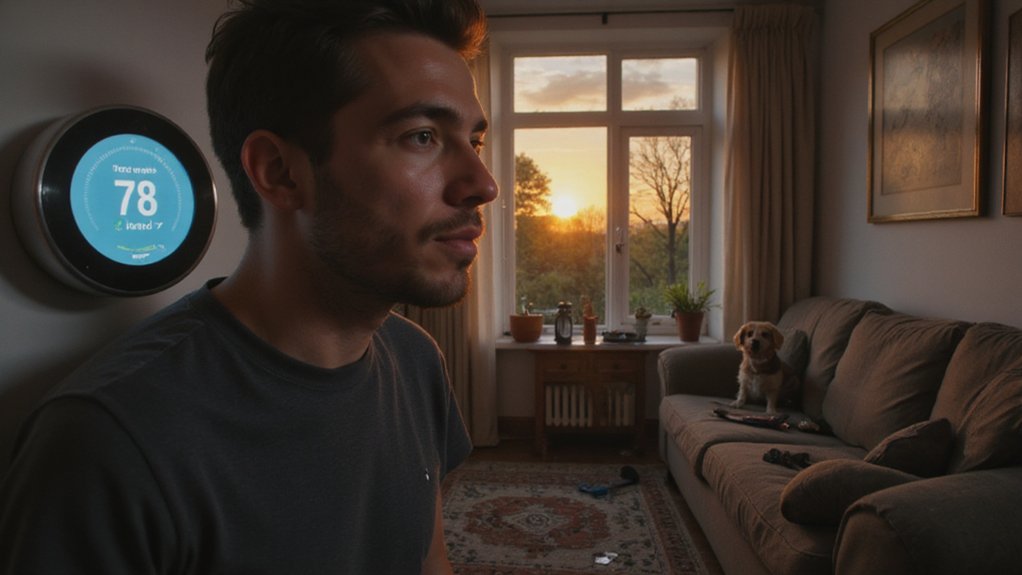
Heating, ventilation, and air conditioning (HVAC) systems regulate indoor temperatures, humidity, and air quality, helping maintain comfortable conditions inside homes and buildings
When your HVAC system suddenly stops working, your home can become uncomfortable pretty quickly. During hot weather, a broken air conditioner can make indoor temperatures rise within hours. In colder months, losing your heating system can create an entirely different problem.
Before assuming that something major has gone wrong, take a few minutes to check the system. A thermostat set incorrectly, a tripped circuit breaker, or a clogged air filter could be behind the problem. Some issues are easy to identify, while others need attention from a trained HVAC technician.
Knowing what to check can help you understand what's happening and avoid making the situation worse. Let's look at the steps you can take when your heating or cooling system suddenly stops working.
Key Takeaways
- Check the thermostat to make sure it's set to the correct temperature and operating mode.
- Look at the circuit breaker for a tripped switch, but don't repeatedly reset it if it trips again.
- Inspect the air filter for dust and dirt that could restrict airflow.
- Listen for unusual sounds and pay attention to burning smells or other warning signs.
- Use portable fans or safe heating alternatives to stay comfortable while waiting for repairs.
- Contact an HVAC technician if the system remains unresponsive or shows signs of a serious fault.
What Are the Common Signs of HVAC Failure?
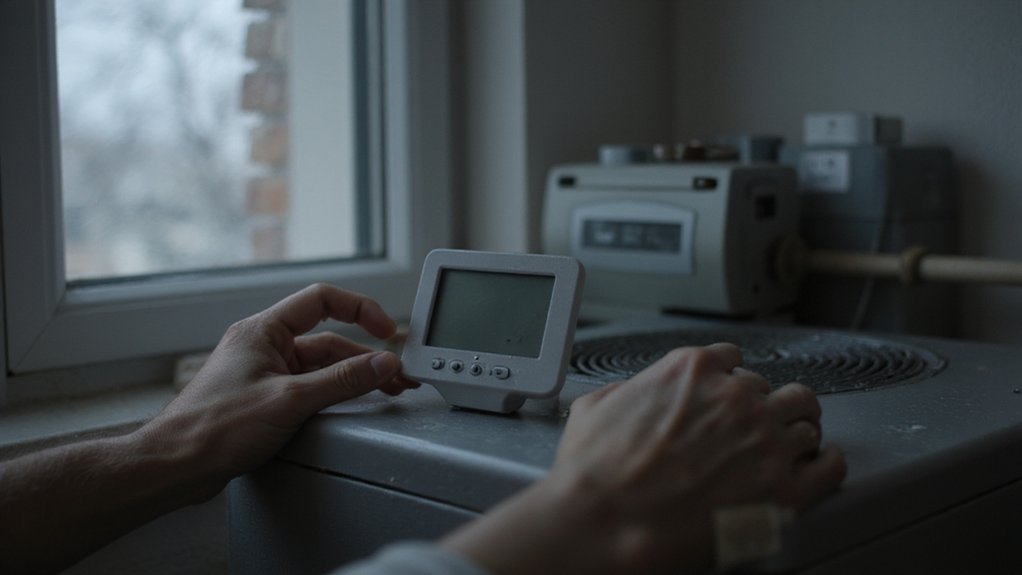
An HVAC system doesn't always stop working without warning. In many homes, small changes in its operation appear before a complete breakdown. Paying attention to these signs can help you spot a problem before it gets worse.
Unusual noises are worth investigating. Grinding, banging, rattling, or squealing sounds can point to loose parts, motor problems, or other mechanical faults. A sudden change in the way your system sounds shouldn't be ignored.
Another common warning sign is inconsistent indoor temperatures. You might notice that one room feels comfortable while another remains too warm or too cold. This could be related to restricted airflow, thermostat problems, ductwork issues, or a fault within the heating or cooling equipment.
Watch out for electrical problems, too. If the circuit breaker trips repeatedly or the system switches off unexpectedly, there may be an electrical fault that needs professional attention.
Unusual odors also deserve attention. A musty smell may come from moisture or buildup inside the system. A burning smell could point to an overheating component or an electrical problem. Turn the equipment off if you notice a burning odor and arrange an inspection.
The age of your HVAC system and its maintenance history can also help explain recurring problems. Older equipment may experience more frequent breakdowns, especially when routine servicing has been neglected.
Immediate Actions to Take When Your HVAC Fails
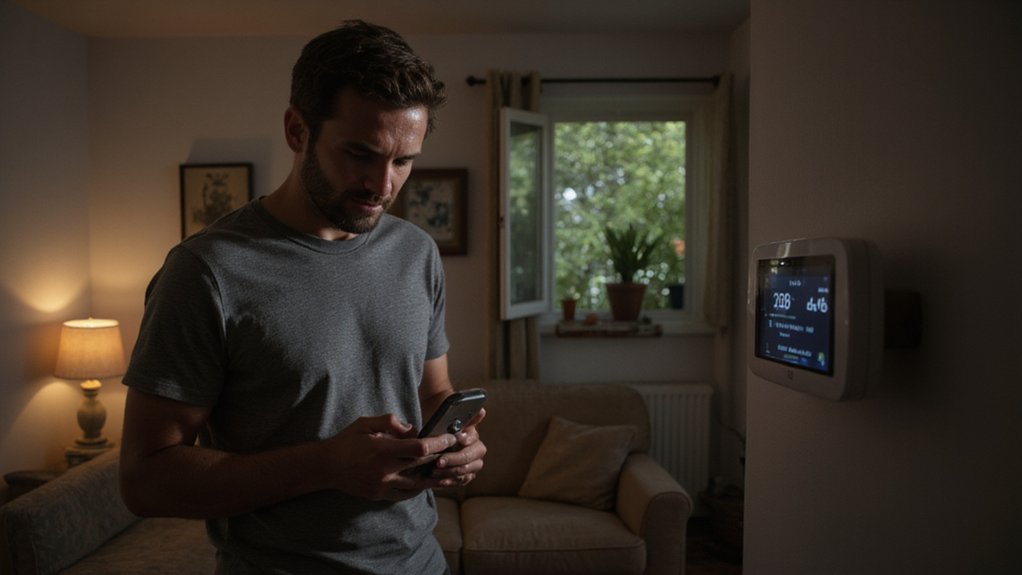
When your HVAC system suddenly stops working, avoid taking the equipment apart or attempting complicated repairs. A few simple checks can help you determine whether the problem is related to the power supply, thermostat, or airflow.
Start with the thermostat. Make sure it's switched on and set to the correct mode. If you want cooling, select the cooling setting and choose a temperature below the current room temperature. For heating, select heat and set the temperature above the room temperature.
Next, look at your electrical panel. A tripped breaker may interrupt power to the HVAC equipment. If you find one, don't keep switching it back on if it trips again. Repeated trips can indicate an electrical fault that needs attention from a qualified professional.
Take a look at the air filter as well. Dust and debris can build up over time, making it harder for air to move through the system. A severely clogged filter may cause certain units to overheat or shut down.
While checking these items, make sure the supply and return vents aren't blocked by furniture, curtains, or other household objects.
If the system still won't start, avoid repeatedly switching it on and off. Contact an HVAC technician to inspect the equipment and identify the cause.
It's also worth having a temporary comfort plan ready. Portable fans can help during warm weather, while a properly rated electric heater can provide temporary warmth in colder conditions. Follow the manufacturer's safety instructions and keep portable heaters away from curtains, bedding, and other materials that could catch fire.
How to Reset Your HVAC System
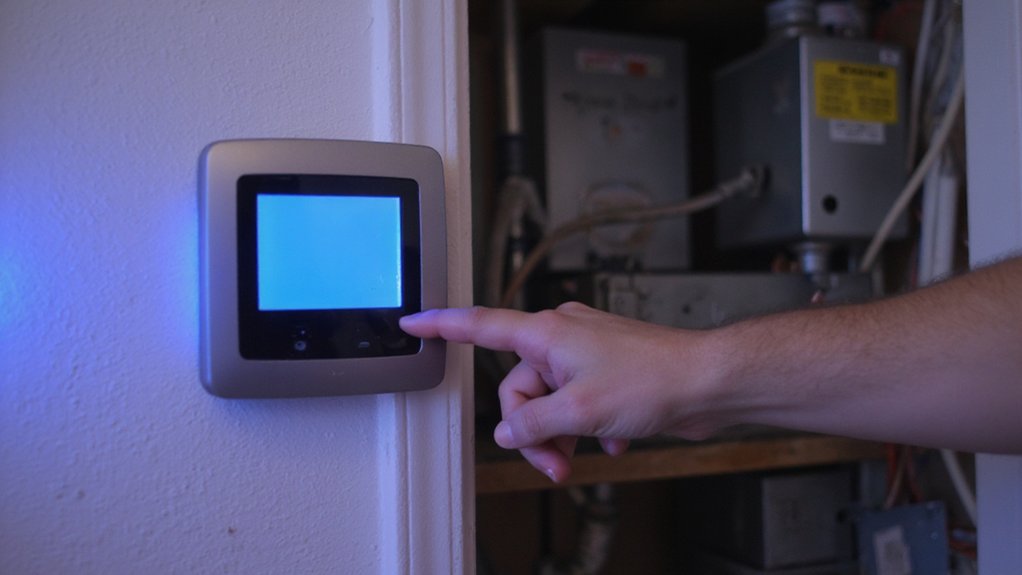
If your HVAC system isn't responding after you've checked the thermostat and power supply, a reset may help in certain situations. Some units have built-in controls that allow them to restart after a temporary interruption.
Before attempting a reset, check your owner's manual. Different HVAC systems have different procedures, and some equipment should only be reset by a qualified technician.
For a standard system with an accessible power switch, you can follow the manufacturer's instructions to switch the equipment off. If the manual allows it, disconnect power using the designated switch or breaker.
Wait for the period specified by the manufacturer. Some systems need a short pause before power is restored. Once the waiting period has passed, restore power and switch the thermostat back to the desired operating mode.
Give the equipment a little time to respond. Certain heating and cooling systems have built-in delays that prevent the compressor or other components from starting immediately.
A reset may clear a temporary control issue, but it won't repair a damaged motor, faulty wiring, refrigerant leak, or other mechanical problem.
If the breaker trips again, the system produces unusual noises, or the equipment refuses to start, stop troubleshooting and contact an HVAC professional. Avoid opening electrical panels or handling internal components unless you're trained to do so.
Troubleshooting After Resetting Your HVAC System
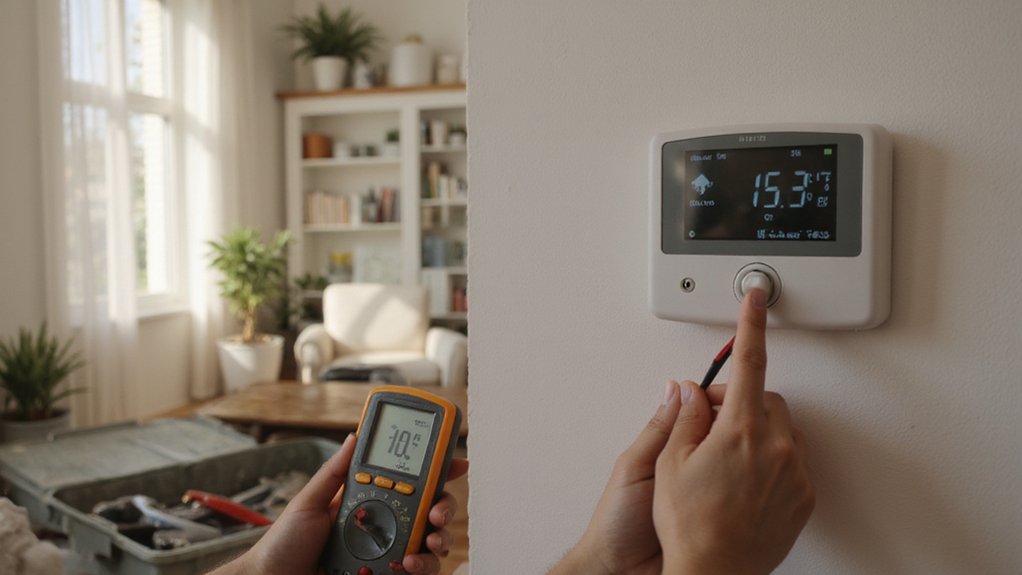
If your HVAC system still isn't working after a reset, it's worth checking a few more things before deciding what to do next. These checks can help you describe the problem when speaking with a technician.
Start by looking for error codes on the thermostat or equipment display. Many modern systems show a code when a fault occurs. Write down the code and check your owner's manual to understand what it refers to.
Next, inspect the air filter. If it's covered in dust, replace it with the correct filter size and type recommended by the manufacturer. A clean filter allows air to move more freely through the system.
Check the visible vents around your home, too. Make sure they're open and aren't covered by furniture or household items. If certain rooms receive little or no airflow, there could be an issue with the ductwork or blower.
Pay attention to the sounds coming from the equipment. A humming noise without normal operation, repeated clicking, or loud mechanical sounds can help a technician narrow down the possible cause.
You may also notice water around the indoor unit. This could be related to a clogged condensate drain or another drainage problem. Don't ignore water leaks, as continued moisture can damage nearby surfaces.
Refrigerant problems are another possible reason for poor cooling. If the air conditioner runs but doesn't cool properly, a refrigerant leak or another cooling-system fault could be involved. Refrigerant levels should only be checked and handled by a qualified technician.
Keep track of what you've noticed, including when the problem started and whether the system stopped suddenly or gradually lost performance. These details can make the service visit more useful.
How to Adjust Your Thermostat Settings for Better Comfort
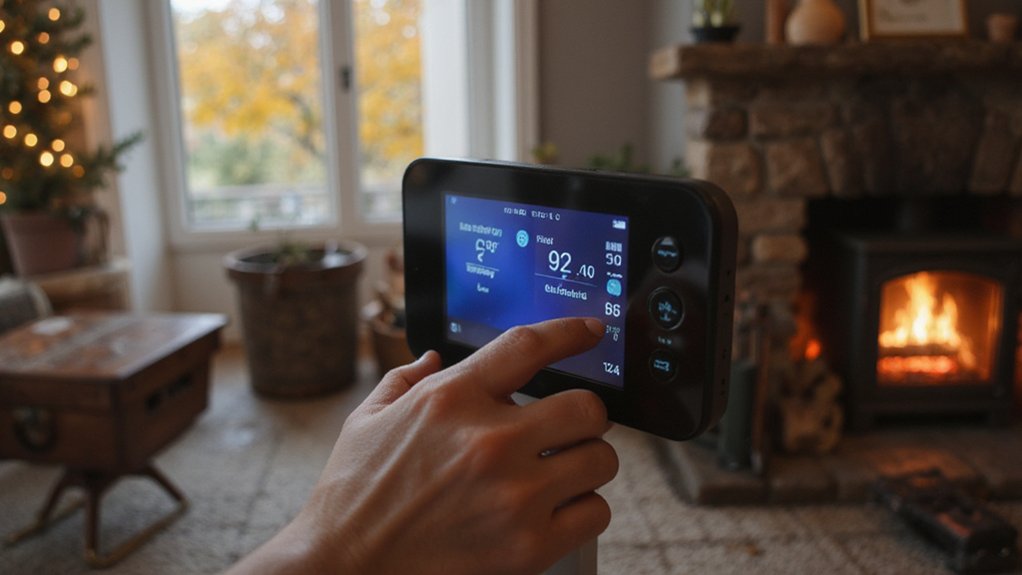
Your thermostat controls when your HVAC system heats or cools your home. If its settings aren't correct, the equipment may appear to be malfunctioning even when the system itself is working.
Start by checking the selected temperature and operating mode. Make sure the thermostat is set to heating or cooling, depending on what you need. If the temperature setting is too close to the current room temperature, the system may not start immediately.
The fan setting also affects how air moves through your home. Understanding the difference between the available options can help you choose the setting that suits your needs.
Check Temperature Settings
If your HVAC system isn't maintaining a comfortable indoor temperature, check the thermostat before looking for more complicated problems.
Make sure the temperature setting matches your needs. For cooling, the selected temperature should be lower than the current indoor temperature. For heating, it should be higher.
If your thermostat uses batteries, check whether they need replacing. Weak batteries can cause the display to become unresponsive or prevent the thermostat from communicating properly with the equipment.
Thermostat placement is worth checking as well. A thermostat positioned near a sunny window, heating appliance, or drafty doorway may read temperatures that don't reflect the rest of your home.
Calibration can also affect temperature readings. If the displayed temperature seems inaccurate, consult the manufacturer's instructions or ask an HVAC technician to inspect the thermostat.
Small adjustments can sometimes solve problems that appear to be related to the heating or cooling equipment.
Adjust Fan Mode
Once you've checked the temperature and operating mode, take a look at the fan settings.
Most thermostats offer two common options: "On" and "Auto."
When the fan is set to "On," it runs continuously, even when the system isn't actively heating or cooling. This can keep air moving through the home, although it may use more electricity and can circulate air when heating or cooling isn't taking place.
The "Auto" setting runs the fan when the system is actively heating or cooling. For many households, this is a practical choice because the fan doesn't need to operate continuously.
Neither setting will fix a mechanical fault or restore power to a system that has stopped working. If changing the fan setting makes no difference, the problem may need a closer inspection.
Why Airflow Matters and How to Check It
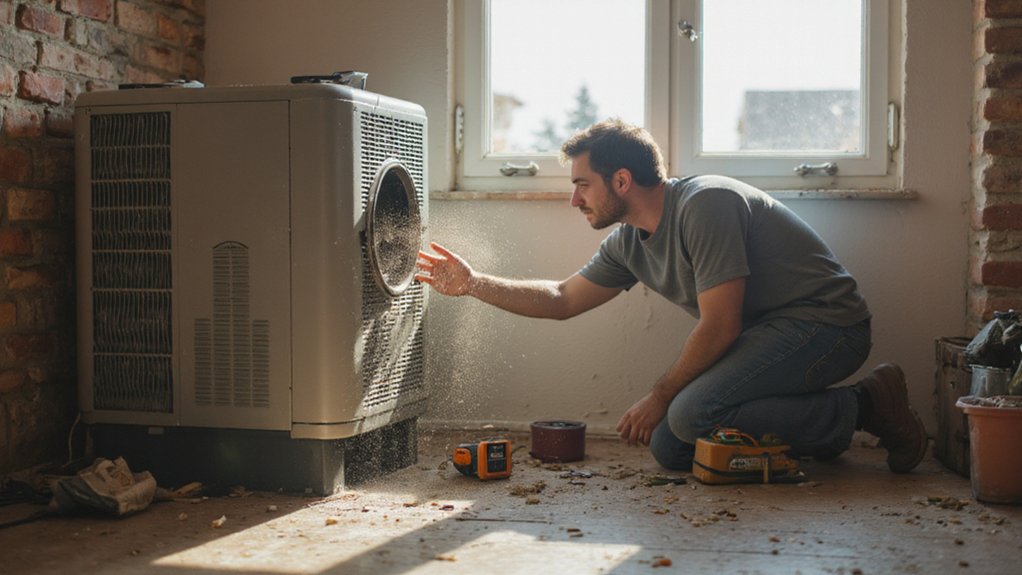
Airflow affects how well your HVAC system heats and cools each room. Even when the equipment is running, restricted airflow can make it difficult to maintain comfortable temperatures throughout the house.
A simple way to check airflow is to stand near an open supply vent and feel whether air is coming through. Compare a few rooms to see if some vents have noticeably weaker airflow than others.
If the airflow feels weak, look for visible obstructions. Furniture, rugs, curtains, and household objects can block vents and prevent air from circulating properly.
Also check the return air grilles. These openings allow air to travel back through the system. Blocking them can interfere with normal airflow and put extra strain on the equipment.
Problems inside the ductwork may also affect airflow. Loose connections, damaged sections, or accumulated debris can prevent conditioned air from reaching certain rooms.
If you notice a major difference between rooms, arrange an inspection rather than trying to open or repair the ductwork yourself.
Keeping vents clear and checking airflow regularly can help you notice developing problems before they lead to a complete system shutdown.
Replace Your Air Filter for Better Air Quality
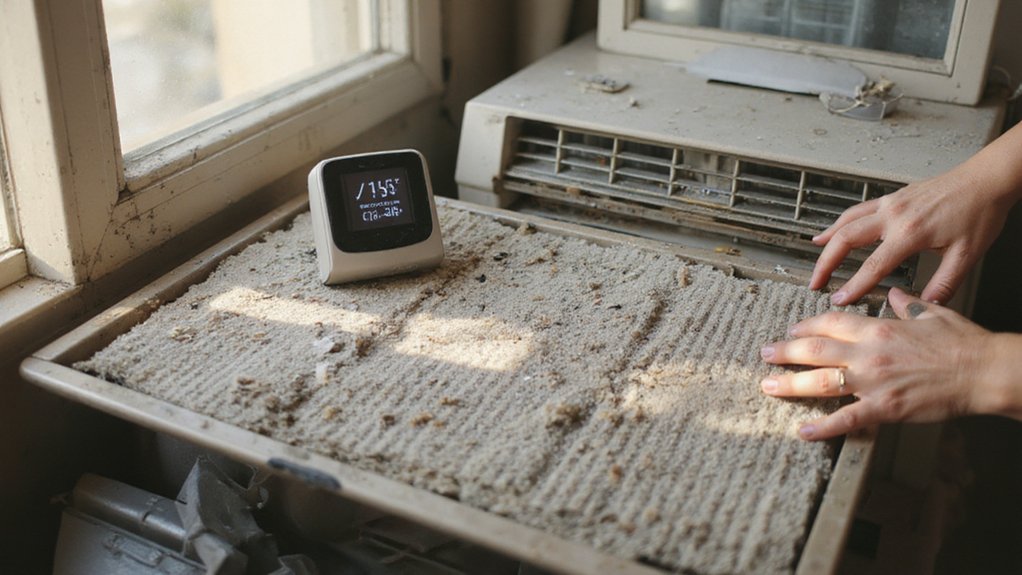
Your HVAC air filter does more than collect dust. It helps catch airborne particles before they enter the equipment and continue circulating through your home.
Over time, the filter collects dust, pet hair, and other debris. When too much material builds up, air has a harder time passing through it. This can affect airflow and place additional strain on the system.
Check your filter at least once a month, especially during periods when your heating or cooling equipment runs frequently.
The replacement schedule depends on the filter type, household conditions, and manufacturer's recommendations. Some filters need changing every one to three months, while others have different service intervals.
Homes with pets, smokers, or people who experience allergies may need more frequent filter changes. Check the filter regularly instead of waiting for a fixed date if it gets dirty quickly.
When replacing it, make sure the new filter has the correct dimensions and rating for your HVAC equipment. Installing the wrong filter can create airflow problems.
A clean filter helps maintain proper airflow and can reduce unnecessary strain on the system. It's a small maintenance task that can make a difference in everyday operation.
When Should You Call an HVAC Pro?
Some HVAC problems can be traced to thermostat settings or a dirty filter. Others involve electrical components, motors, refrigerant, or internal parts that require professional attention.
Call an HVAC technician if your system remains unresponsive after the simple checks, repeatedly shuts down, or produces unusual sounds.
You should also arrange an inspection if the equipment runs continuously without reaching the selected temperature. Poor cooling or heating may point to a problem that can't be resolved through thermostat adjustments.
Don't wait if you notice burning smells, smoke, sparks, or signs of damaged electrical wiring. Turn off the system if you can do so safely and contact a qualified professional.
Signs of Serious Issues
Certain warning signs suggest that your HVAC system needs more than routine troubleshooting.
Unusual noises can point to loose components, damaged motors, or other mechanical faults. Grinding and banging sounds are especially worth investigating.
Frequent temperature changes may indicate problems with the thermostat, airflow, or heating and cooling equipment. If the system struggles to maintain a consistent temperature, a technician can inspect the cause.
Water around the indoor unit may suggest a blocked condensate drain or another drainage issue. Refrigerant leaks can also affect cooling performance and require professional attention.
Frequent cycling, where the equipment switches on and off repeatedly, is another symptom worth checking. It may be related to thermostat placement, airflow restrictions, or equipment faults.
System age is worth considering, too. An HVAC unit that's 10 to 15 years old or older may be approaching the later part of its service life, depending on its type, usage, and maintenance history.
If you notice several of these problems together, arrange a professional inspection instead of continuing to restart the equipment.
Safety Concerns to Consider
Safety should always come before troubleshooting. HVAC systems involve electricity, moving parts, and, in some homes, gas-powered heating equipment.
If you have a gas furnace and notice a rotten-egg smell, leave the property immediately. Don't operate electrical switches or use anything that could create a spark. Contact your gas provider or emergency services from a safe location.
Carbon monoxide is another serious concern. This gas has no smell or visible color, so you can't detect it by appearance. Working carbon monoxide detectors are essential in homes with fuel-burning appliances.
If a carbon monoxide alarm sounds, or anyone experiences symptoms such as dizziness, headaches, nausea, or confusion, move everyone outside into fresh air and contact emergency services. Don't return until the property has been declared safe.
Keep smoke detectors and carbon monoxide alarms in working condition, and test them according to the manufacturer's instructions.
Never attempt electrical repairs, gas-line work, or refrigerant handling unless you're qualified to do so. A trained HVAC technician has the equipment and knowledge needed to inspect these parts safely.
HVAC Repair vs. Replacement: Cost Comparison
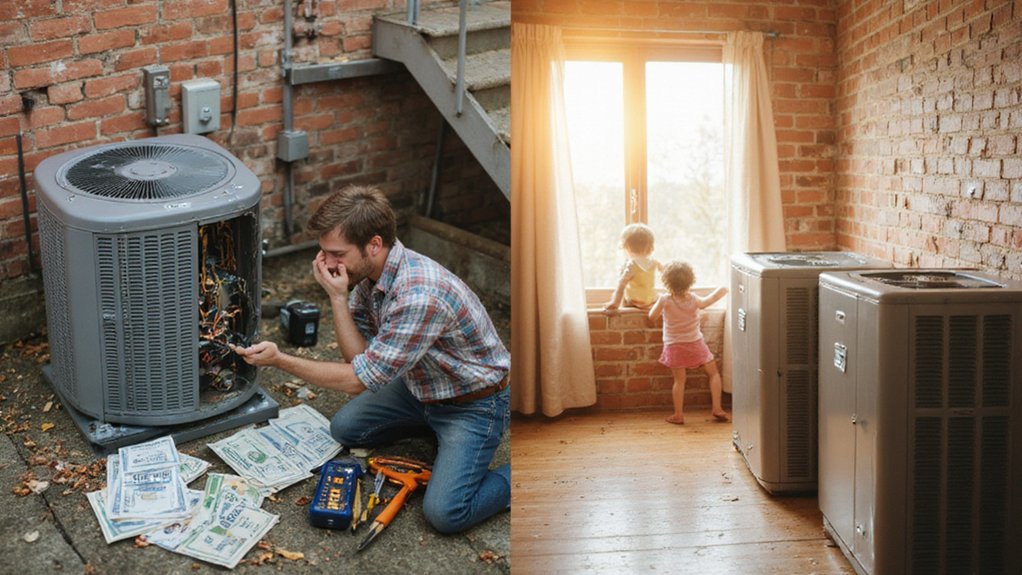
When an HVAC system stops working, one of the biggest concerns is whether it needs a repair or a complete replacement. The right choice depends on the equipment's age, condition, repair history, and estimated repair cost.
If your home uses a heat pump, professional heat pump installation and service can help maintain system performance and address problems with existing equipment.
Repairing the system may be a sensible option when the equipment is relatively new and the problem involves a single damaged component. Replacing a faulty thermostat, capacitor, or other serviceable part may cost much less than installing an entirely new system.
But repeated repair bills can add up. If your HVAC equipment has needed several repairs in a short period, ask a technician whether another repair is likely to last.
Replacing the system may make more financial sense when the equipment is older, major components have failed, or repair costs are unusually high.
A newer unit may also use less energy than an older model, depending on its rating and how well it's installed. This could reduce monthly utility costs over time.
Before making a decision, ask for a written estimate that includes parts, labor, installation, and warranty details. Compare the cost of repairing your current unit with the full price of replacement.
Think about how long you plan to stay in your home and whether your current system still meets your heating and cooling needs. These details can help you make a sensible choice without rushing into an expensive decision.
Tips to Prevent Future HVAC Breakdowns
Unexpected HVAC breakdowns can interrupt your daily routine, especially during periods of extreme heat or cold. Regular care can reduce the chances of sudden problems and help your equipment last longer.
Arrange professional maintenance at least once a year, or follow the service schedule recommended by the manufacturer. Some households may benefit from separate heating and cooling inspections before the seasons when those systems are used most.
Air filter replacement should remain part of your regular home maintenance routine. Check the filter every month and change it when it becomes dirty or reaches the end of its recommended service period.
Keep indoor and outdoor vents clear. If your system has an outdoor condenser unit, remove leaves and loose debris from around it. Maintain the clearance recommended by the manufacturer so air can circulate properly.
Pay attention to changes in how your equipment operates. New noises, unusual odors, weak airflow, and inconsistent temperatures may point to problems that deserve attention.
Thermostat checks are worth including in your routine, too. Make sure the temperature readings are reasonable, the batteries are working, and the settings match your household's needs.
You can also keep a record of service visits and repairs. Having this information available makes it easier for a technician to understand the equipment's history.
If your system is getting older, ask whether replacement parts are still available and whether the current equipment is worth repairing. Planning ahead gives you more time to compare your options instead of making a rushed decision during a breakdown.
Frequently Asked Questions
How Can I Tell if My Thermostat Is Malfunctioning?
A malfunctioning thermostat may display incorrect temperatures, have an unresponsive screen, or fail to communicate with your HVAC equipment.
Start by checking the batteries if your model uses them. Make sure the thermostat is switched on and set to the correct heating or cooling mode.
If the display works but the system doesn't respond, there may be a wiring, calibration, or communication problem. A technician can inspect the thermostat and determine whether it needs repair or replacement.
What Are the Risks of Ignoring HVAC Issues?
Ignoring HVAC problems can lead to more expensive repairs and uncomfortable indoor temperatures. A small airflow problem, for example, may put extra strain on the equipment if it continues for too long.
You may also notice higher energy bills when the system has to run longer to maintain the selected temperature.
Some faults can create safety concerns, especially when they involve electrical components or fuel-burning equipment. Burning odors, gas smells, and carbon monoxide alarms should never be ignored.
Can I Perform HVAC Repairs Myself Safely?
You can handle a few simple maintenance tasks yourself, such as replacing an air filter, checking thermostat settings, and keeping vents clear.
More complicated repairs should be left to trained HVAC professionals. Electrical wiring, refrigerant lines, motors, and gas connections require the right training and equipment.
Always follow the manufacturer's safety instructions. If you're unsure what caused the problem, avoid taking the equipment apart.
How Often Should I Schedule HVAC Maintenance?
Schedule professional HVAC maintenance at least once a year, following the manufacturer's recommendations for your equipment.
If your home has separate heating and cooling equipment, arranging inspections before periods of heavy use can help prepare the system for changing temperatures.
Between service visits, check the air filter regularly and keep vents clear. Contact a technician if you notice unusual sounds, odors, leaks, or changes in performance.
What Are Common HVAC Myths I Should Know About?
One common misconception is that a larger HVAC system will always heat or cool a home better. An oversized unit can cycle on and off too frequently, which may affect comfort and increase wear.
Another myth is that air filters only need changing when they look extremely dirty. Filters can restrict airflow before they appear completely clogged, so regular checks are worth the effort.
Some homeowners also assume that a working HVAC system doesn't need maintenance. Routine inspections can help identify worn parts, drainage problems, and other issues before they cause an unexpected shutdown.
Conclusion
When your HVAC system suddenly stops working, don't rush into complicated repairs. Start by checking the thermostat, circuit breaker, and air filter. Make sure the vents are clear and look for any unusual sounds, odors, or signs of water leakage.
A reset may help if the problem is temporary, but it won't solve every mechanical or electrical fault. If the system remains unresponsive, trips the breaker repeatedly, or shows signs of a safety issue, contact a qualified HVAC technician.
Regular filter changes, scheduled inspections, and attention to small changes in system performance can help reduce unexpected breakdowns. A little routine care can make it easier to keep your home comfortable throughout the year.

other blog posts
Do Heat Pumps Work in Freezing Temperatures?
Why Is My Heating System Making Strange Noises?
Can a Heat Pump Heat an Entire House?
Ready to Enhance Your Comfort
Contact us today to schedule your service, learn about energy-saving rebates, and feel comfortable in your home all year round.

