
 CALL US
related posts
Why Your Air Conditioner Isn’t Cooling Properly - 7 Common Causes and Fixes
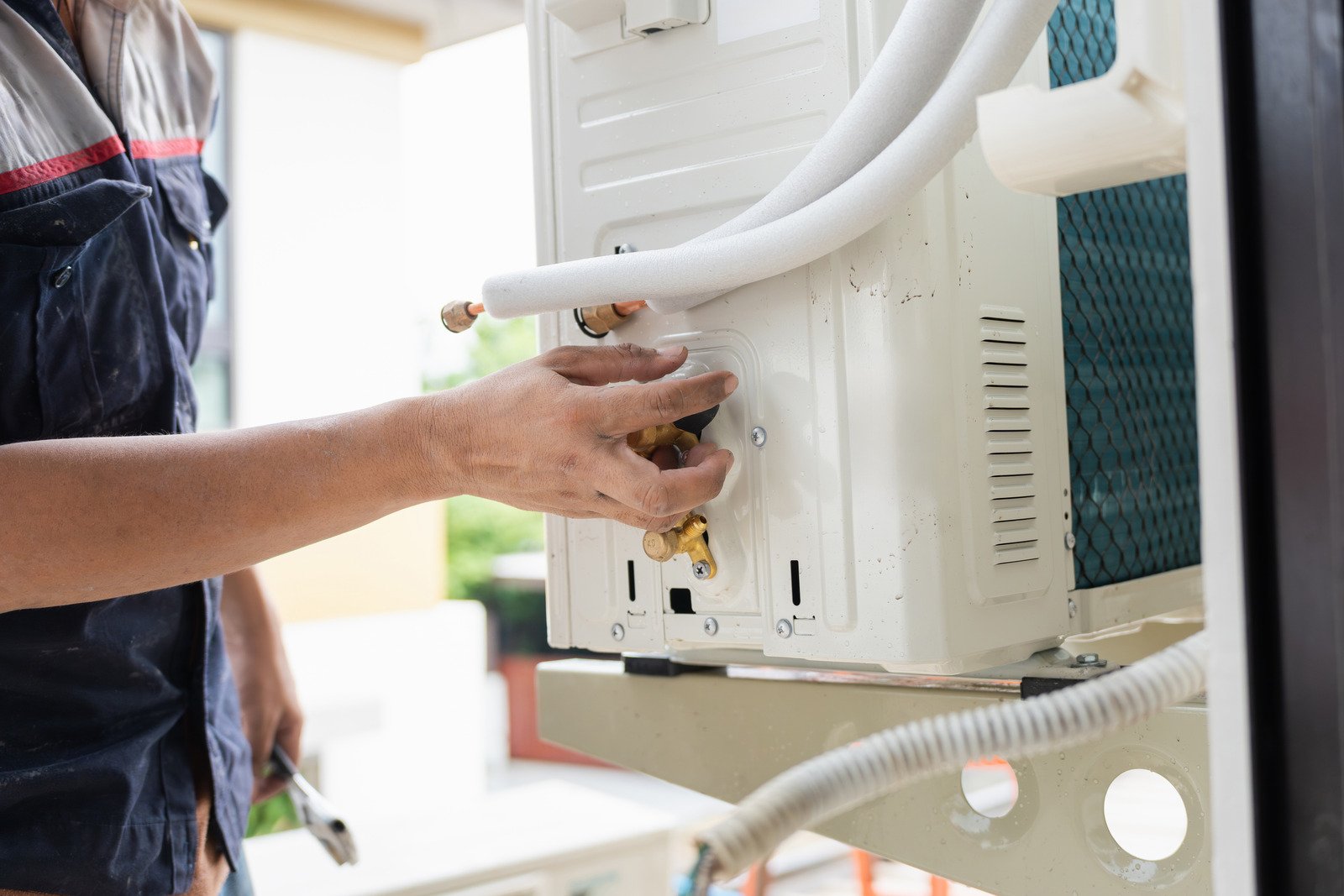
If your air conditioner isn’t keeping things cool, you’re not alone. It’s frustrating when the air feels warm even though the unit’s running. The good news is, most of the time, the problem comes down to a few common issues. Here’s what could be going on and how to fix it.
Key Takeaways
- Dirty air filters block airflow and make your AC work harder. Check and replace them every one to three months.
- Low refrigerant from leaks can cause weak cooling. Look for hissing sounds or ice on the coils.
- A broken thermostat can send the wrong signals. Make sure it’s set correctly and the sensor’s in a good spot.
- Blocked condensers can’t release heat. Keep the area around your outdoor unit clear.
- Leaky or undersized ducts can cause uneven cooling. Inspect them for leaks or buildup.
Clogged Air Filters
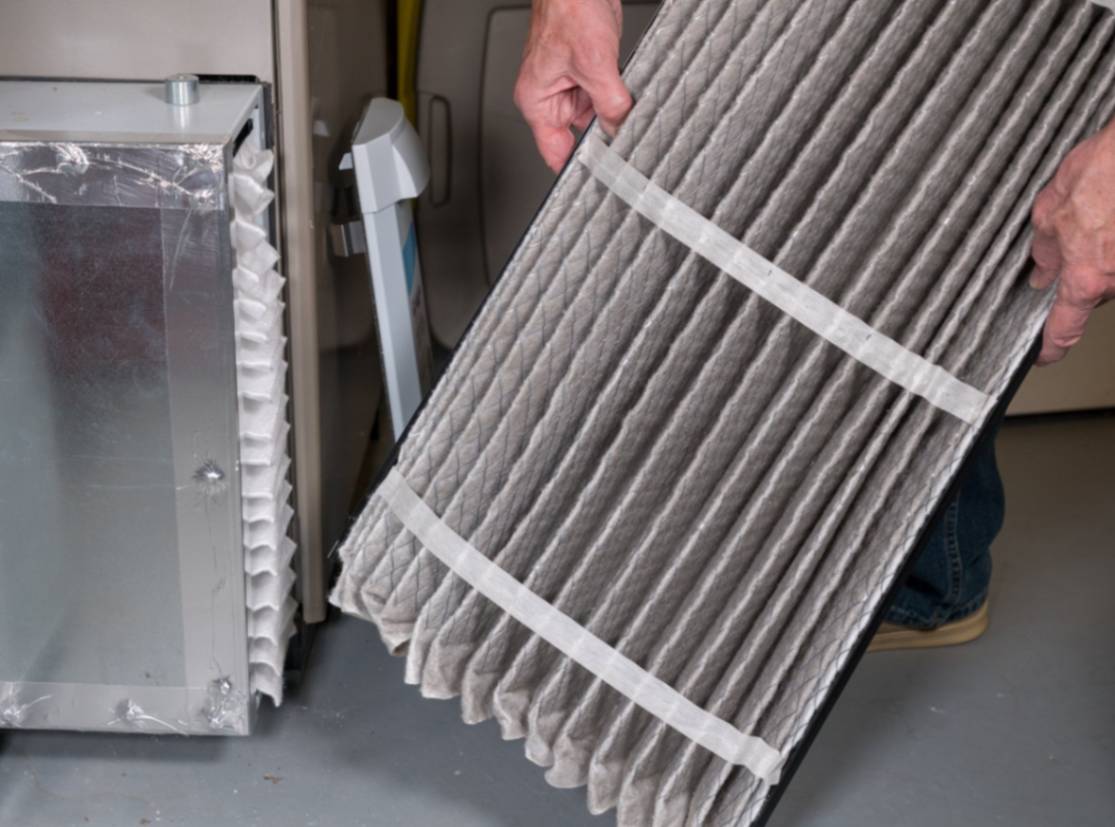
A dirty air filter is one of the biggest reasons your AC stops cooling properly. When the filter’s clogged, air can’t move freely, so the system works harder and might even overheat.
Check your filter once a month and replace it every one to three months, depending on how often you use the system and how dusty your home gets. It’s a small job that makes a big difference in how well your AC cools and how clean your indoor air stays.
Refrigerant Leaks
If your AC’s blowing warm air or not cooling enough, a refrigerant leak could be the cause. Signs include ice on the coils, bubbling or hissing sounds, and weak airflow.
Signs of a Leak
You’ll probably notice your AC takes longer to cool the room or never quite gets there. Ice buildup on the coils or moisture around the unit can also mean trouble. If you hear strange hissing or bubbling noises, that’s often refrigerant escaping.
What Causes Leaks
Leaks often come from worn-out seals, corrosion, or damage to the lines. Sometimes the issue starts with poor installation or vibration over time. Even pests or debris can cause small holes. Once refrigerant levels drop, the system has to work harder, which only makes things worse.
Fixing a Leak
Fixing a refrigerant leak isn’t a DIY job. A technician can use special tools to find and repair the leak, then safely recharge the system with the right amount of refrigerant. Regular tune-ups help catch small leaks before they cause major damage.
Thermostat Malfunctions
Sometimes the thermostat—not the AC—is the real problem. If it’s not set correctly, the system might not cool at all. Double-check that it’s set to “cool” and that the temperature is lower than the current room temperature.
If you’ve done that and it’s still not working right, try changing the batteries or resetting the thermostat. Sometimes the sensor inside misreads the temperature, especially if it’s placed near a sunny window or an appliance that gives off heat. Moving it to a better spot can help.
Blocked Condenser Unit
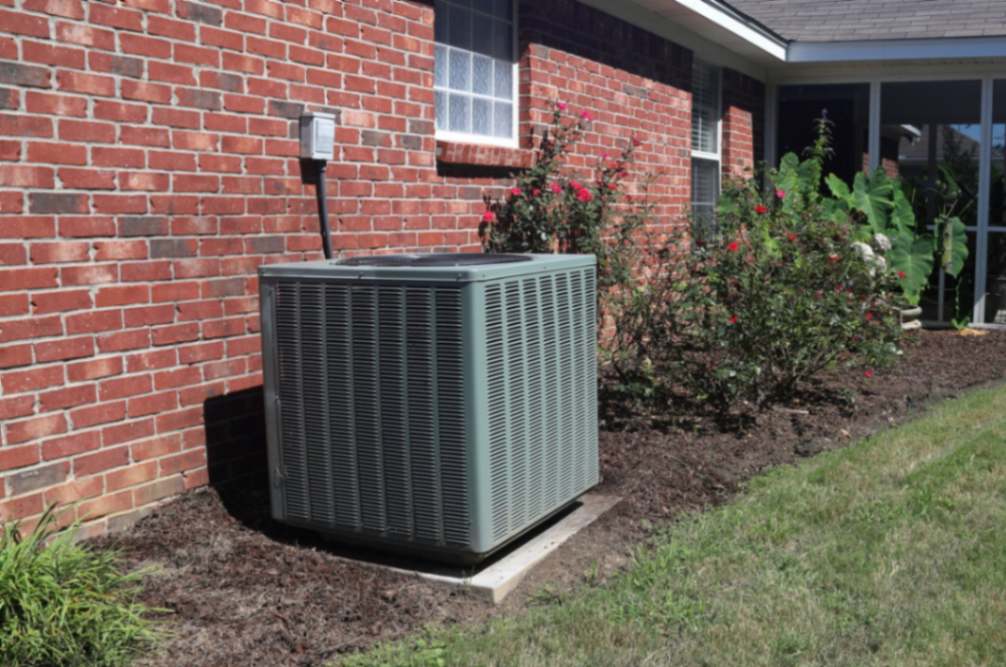
Your outdoor unit needs good airflow to release heat. If it’s surrounded by leaves, dirt, or plants, it can’t cool properly. This is an easy one to fix—turn off the power, clear away debris, and gently rinse the fins with water. Try to keep at least two feet of space around the unit.
If it still struggles after cleaning, you might have bent fins or a deeper issue inside the condenser that needs professional care.
Ductwork Issues
Leaky or poorly designed ducts can make it feel like some rooms never cool down. If the ducts are too small, air gets stuck; if they’re too big, air loses pressure and doesn’t reach the vents properly. Holes or loose connections also let cool air escape before it gets where it’s needed.
Have your ducts inspected every few years. Sealing leaks or cleaning built-up dust can make a noticeable difference in airflow and comfort.
Electrical Problems
Electrical issues can stop your AC from running smoothly—or at all. Loose wiring, blown fuses, or tripped breakers are common culprits. If you notice your system turning on and off randomly, that could be a sign of an electrical fault.
Never mess with wiring yourself unless you’re qualified. Call an electrician or HVAC tech to check it safely. Keeping your electrical system in good shape helps your AC run more reliably.
Age of the Air Conditioner
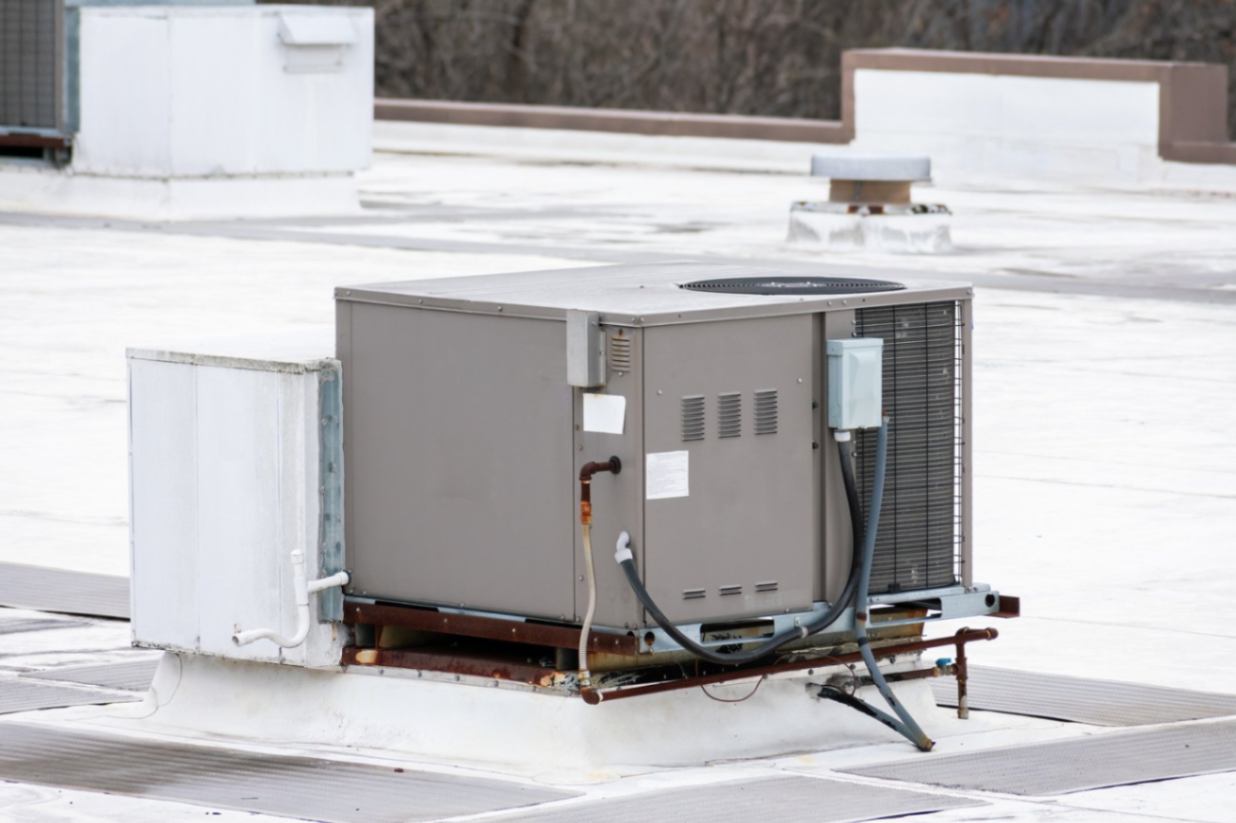
Even with good care, air conditioners don’t last forever. Most units start to wear out after 10 to 15 years. If yours is around that age and you’ve been dealing with frequent repairs or rising energy bills, it might be time for a replacement.
Newer models use less energy and cool more efficiently, so while the upfront cost is higher, you’ll save money in the long run—and stay more comfortable too.
Frequently Asked Questions
How often should I change my air filter?
Most filters need replacing every one to three months. Homes with pets or allergies might need more frequent changes.
Can I fix a refrigerant leak myself?
No. Refrigerant requires special handling and tools. Trying to fix it yourself can be dangerous and might void your warranty.
What’s the best temperature setting?
Setting your thermostat around 75°F usually strikes a good balance between comfort and efficiency. Raise it a few degrees when you’re not home to save energy.
How do I clean my condenser?
Turn off the power first. Brush off debris, then gently rinse the coils with water. Regular cleaning keeps it working efficiently.
When should I replace my air conditioner?
If your AC is over 15 years old, keeps breaking down, or your energy bills keep rising, replacing it may be cheaper than constant repairs.
Final Thoughts
When your air conditioner stops cooling properly, it’s often something simple like a dirty filter, blocked condenser, or thermostat issue. But if you’ve checked those and it’s still struggling, call a professional to look for refrigerant leaks, electrical issues, or worn-out parts. Staying on top of maintenance keeps your home cool, your energy bills lower, and your summer a lot more comfortable.

other blog posts
When Should I Replace My Air Conditioner?
How Regular HVAC Maintenance Saves You Money and Extends System Life
Can Dirty Filters Damage My HVAC System?
Ready to Enhance Your Comfort
Contact us today to schedule your service, learn about energy-saving rebates, and feel comfortable in your home all year round.

