 CALL US
related posts
How Can I Lower My Heating and Cooling Bills?

High heating and cooling bills can put a strain on your monthly budget, but there are plenty of ways to bring those costs down. Small changes around your home, combined with regular HVAC care, can make a noticeable difference over time.
From sealing air leaks to adjusting your thermostat and keeping your system in good shape, these simple steps can help you stay comfortable while using less energy.
Key Takeaways
- Seal drafts around windows, doors, vents, and other openings to reduce energy loss.
- Set your thermostat to energy-saving temperatures throughout the year.
- Keep your HVAC system maintained with regular filter changes and professional servicing.
- Replace older appliances with energy-efficient models when it's time to upgrade.
- Check for government rebates that can help lower the cost of energy-saving home improvements.
Get to Know Your Heating and Cooling Systems

A good place to start is understanding how your heating and cooling system works. The more familiar you are with your equipment, the easier it becomes to spot problems and keep it running efficiently.
Homes use different types of heating systems, including furnaces, boilers, and heat pumps. Each one works differently and has its own maintenance needs. Knowing the age of your system and its energy rating can also give you a better idea of how well it performs.
Cooling systems vary as well. Some homes use central air conditioning, while others rely on ductless mini-split systems or window units. Every system uses energy differently, so keeping it clean and properly maintained helps it perform better and last longer.
Routine inspections can also catch small issues before they turn into expensive repairs.
Seal Drafts and Leaks for Better Efficiency

Air leaks allow heated or cooled air to escape, forcing your HVAC system to work harder than it should. Sealing those gaps is one of the simplest ways to lower energy use.
Start by checking around windows, doors, vents, and electrical outlets. You may even notice drafts on windy days. A candle or incense stick can help reveal areas where air is moving.
Once you've found the problem spots, seal them with weatherstripping or caulk where appropriate. Don't forget to inspect your attic, basement, and any openings around pipes or utility lines, since these are common places for hidden air leaks.
Keeping conditioned air inside your home helps maintain a more comfortable temperature while reducing unnecessary energy use.
Optimize Thermostat Settings for Energy Savings

Your thermostat plays a big part in your monthly energy costs. Even small adjustments can add up to meaningful savings over time.
Choosing practical temperature settings and adjusting them based on your daily routine allows your heating and cooling system to work less without sacrificing comfort.
Set Temperature Preferences
During winter, many homeowners find that keeping the thermostat around 68°F while they're home provides a comfortable balance between warmth and energy savings. Lowering the temperature while you're asleep or away from home can reduce heating costs even more.
In summer, setting the thermostat around 78°F when you're home and raising it slightly while you're away helps cut cooling costs without making your home uncomfortable.
As outdoor temperatures change throughout the year, make small seasonal adjustments instead of leaving your thermostat at the same setting all year long.
Utilize Programmable Thermostats
A programmable thermostat makes managing your home's temperature much easier.
You can schedule temperature changes based on when you're home, sleeping, or away. That means your heating or cooling system isn't running harder than necessary while the house is empty.
Many smart thermostats also let you monitor your energy use and make adjustments from your phone, giving you more control over your home's energy consumption.
Schedule Regular Adjustments
It's worth checking your thermostat settings every so often to make sure they still match your schedule and the current season.
Scheduling HVAC maintenance once in the spring and once in the fall also helps your system perform at its best. When paired with sensible thermostat settings, regular maintenance can reduce energy use and help prevent unnecessary wear on your equipment.
Choose Energy-Efficient Appliances for Greater Savings

Older appliances often use much more energy than newer models. If you're replacing equipment, choosing energy-efficient options can lower your utility bills over time.
Look for Energy Star certified appliances whenever possible. These products are designed to use less electricity while delivering strong performance.
Lighting also makes a difference. LED bulbs use far less electricity than traditional incandescent bulbs and typically last much longer.
Smart home devices, including programmable thermostats and smart plugs, can also help reduce unnecessary energy use by giving you better control over your home's electrical consumption.
Over time, these upgrades can lower your energy bills while reducing overall household energy use.
Utilize Natural Temperature Regulation Techniques
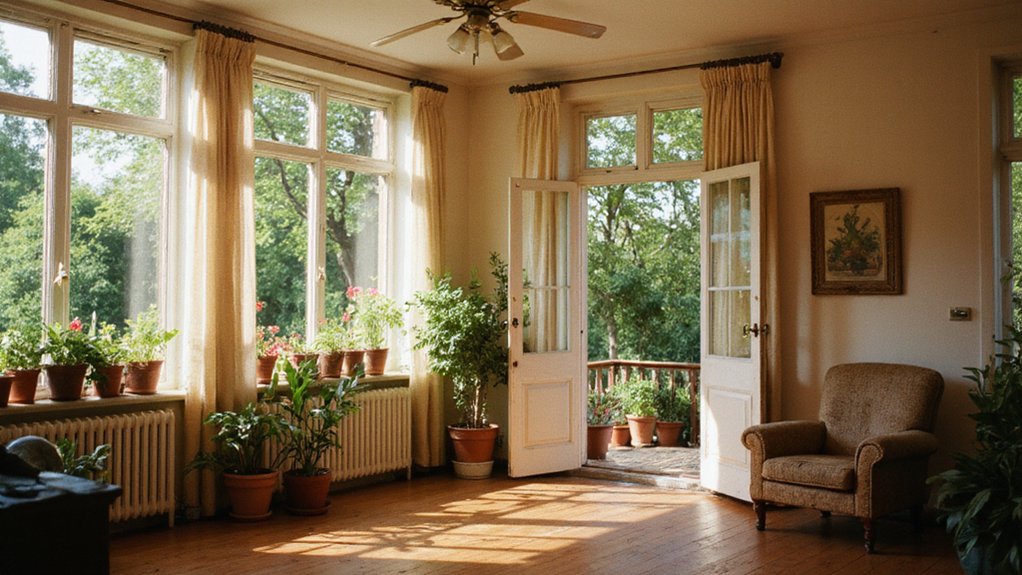
Your home's design can help maintain a comfortable indoor temperature without relying entirely on your HVAC system.
During cooler months, allow sunlight to enter through south-facing windows to naturally warm your living spaces. In warmer months, close blinds, curtains, or shades during the hottest part of the day to block excess heat.
Natural ventilation can also make a noticeable difference. Open windows during cooler mornings and evenings to let fresh air circulate through your home.
Creating cross ventilation by opening windows on opposite sides of the house allows warm air to escape while drawing cooler air inside.
Schedule Regular Maintenance for Your HVAC System
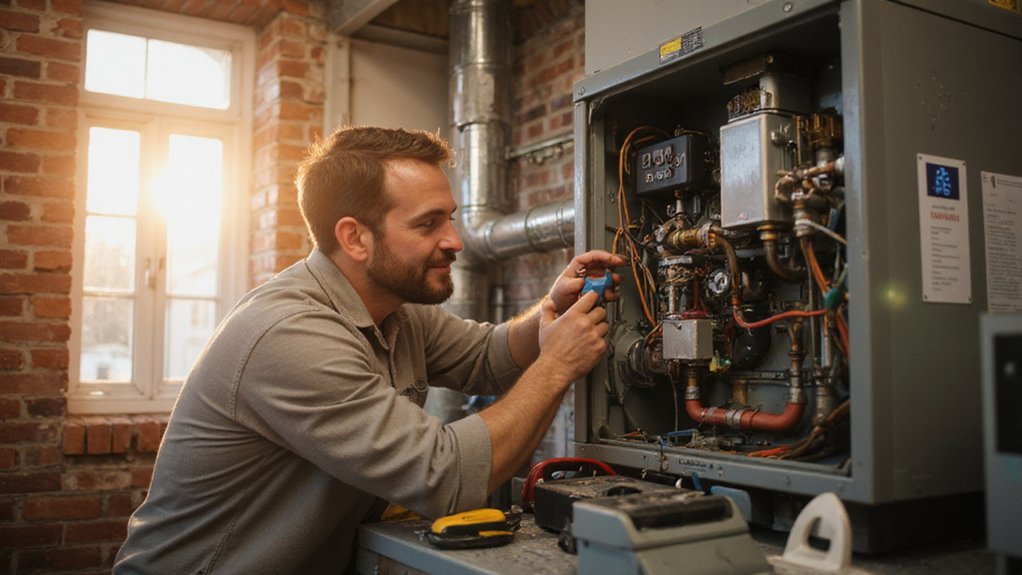
Regular maintenance helps your HVAC system run more smoothly and can extend its lifespan.
One of the easiest maintenance tasks is replacing or cleaning your air filter. A clogged filter restricts airflow, making your system work harder and use more energy. Most filters should be checked every month and replaced every one to three months, depending on the type of filter and your household conditions.
It's also a good idea to have your HVAC system professionally inspected and cleaned once a year. Dust, dirt, and debris can build up inside the system, reducing performance and increasing energy use.
Routine maintenance helps your equipment operate more efficiently while lowering the chance of unexpected breakdowns.
Take Advantage of Government Energy Efficiency Rebates

Many homeowners don't realize there are rebate programs available that can help offset the cost of energy-saving upgrades.
These programs can make projects like installing new insulation, replacing windows, or upgrading heating and cooling equipment more affordable.
Eligibility Requirements Explained
Each rebate program has its own rules, so it's worth checking the requirements before starting a project.
Some programs are based on the type of home you own or the equipment you're installing. Others offer larger rebates for households that meet certain income requirements.
Reviewing the details ahead of time helps you avoid missing out on available savings.
Types of Available Rebates
Rebate programs may cover a wide range of home improvements.
You may find incentives for adding insulation, installing energy-efficient windows, replacing older HVAC equipment, or completing a home energy audit.
Since rebate programs vary by location, check your local and state energy offices to see what's currently available in your area.
Application Process Simplified
Applying for a rebate is often easier than many people expect.
Start by reviewing the program requirements and gathering any documents you'll need, such as purchase receipts or product information.
Complete the application carefully, making sure all information is accurate before submitting it. Sending everything in before the deadline helps avoid delays.
Keep copies of your paperwork and check the status of your application if you don't receive confirmation within the expected timeframe.
Frequently Asked Questions
How Do I Choose the Right Size HVAC System for My Home?
The size of your HVAC system should match your home's square footage, insulation, window placement, and climate. A qualified HVAC professional can perform a load calculation to determine the correct size, helping your system heat and cool your home efficiently.
What Are the Benefits of a Programmable Thermostat?
A programmable thermostat automatically adjusts temperatures based on your daily schedule. This reduces unnecessary energy use when you're sleeping or away from home, helping lower your utility bills while keeping your home comfortable.
How Often Should I Replace My Air Filters?
Most air filters should be replaced every one to three months. If you have pets, allergies, or live in a dusty area, you may need to replace them more often. Checking the filter monthly helps you know when it's time.
Can Window Treatments Really Help Reduce Energy Costs?
Yes. Curtains, blinds, and other window coverings help keep heat out during summer and hold warmth inside during winter. This reduces the workload on your heating and cooling system throughout the year.
What Is the Ideal Indoor Temperature for Energy Savings?
A setting of about 68°F during winter and 78°F during summer is commonly recommended for balancing comfort and lower energy use. Adjusting these temperatures when you're asleep or away from home can increase your savings even more.
Conclusion
Lowering your heating and cooling bills doesn't always require major changes. Sealing air leaks, using sensible thermostat settings, maintaining your HVAC system, and choosing energy-efficient equipment can all help reduce energy use over time.
Small improvements made consistently can lead to lower monthly bills, a more comfortable home, and better performance from your heating and cooling system for years to come.

other blog posts
Can I Install a Heat Pump in an Older Home?
Which Type of Air Conditioner Is Best for My Home?
Why Your Heat Pump Is Making Noise: Causes, Risks & Quick Fixes
Ready to Enhance Your Comfort
Contact us today to schedule your service, learn about energy-saving rebates, and feel comfortable in your home all year round.

