
 CALL US
related posts
What Size Heat Pump Do I Need?
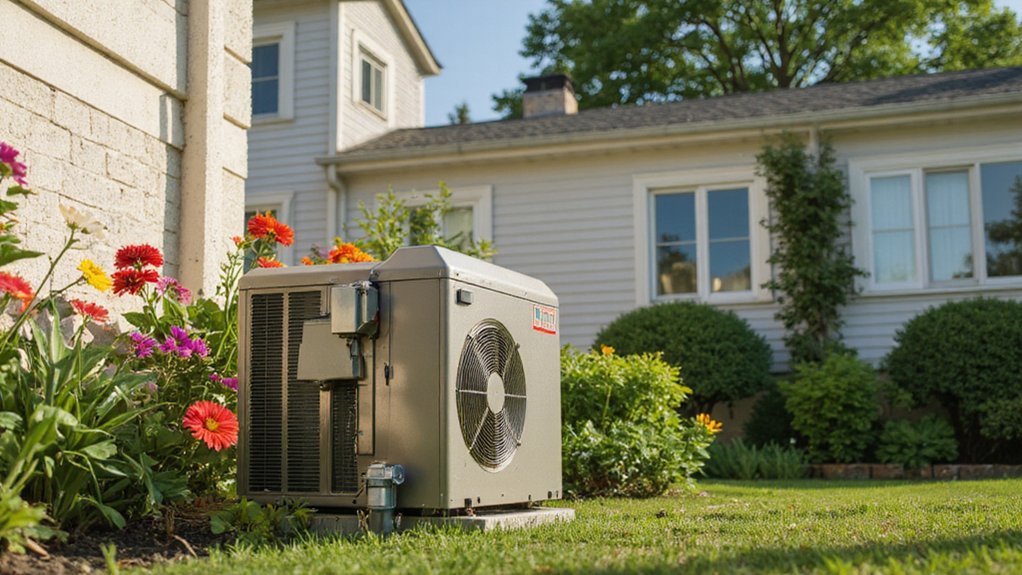
Choosing the right heat pump size is one of the most important steps when planning a new heating and cooling system. A unit that matches your home's needs will keep your indoor temperature comfortable throughout the year while helping control energy costs.
Many people assume that buying the largest heat pump available will give them the best results. In reality, that's rarely the case. A system that's too large can switch on and off too often, a problem known as short cycling. This constant cycling can create uneven temperatures, increase wear on the equipment, and use more electricity than necessary.
A heat pump that's too small has its own problems. It may struggle to maintain a comfortable temperature during very hot or cold weather, causing it to run longer than it should. That extra workload can lead to higher utility bills and place unnecessary strain on the system.
Finding the right balance means looking at more than just the size of your home. Your insulation, window quality, ceiling height, local climate, and even the layout of your house all play a part in determining the correct heat pump size. Understanding these factors will help you choose a system that delivers consistent comfort without wasting energy.
Key Takeaways
- Calculate the required BTUs by measuring your home's size and using a starting estimate of around 20 BTUs per square foot.
- Good insulation reduces heat loss and may allow you to choose a smaller, more efficient heat pump.
- Your local climate has a direct effect on the heating and cooling capacity your system will need.
- Building design, room layout, and construction materials all influence how heat moves through your home.
- A professional load calculation provides the most accurate way to choose the right heat pump size.
How to Calculate BTUs for Your Home
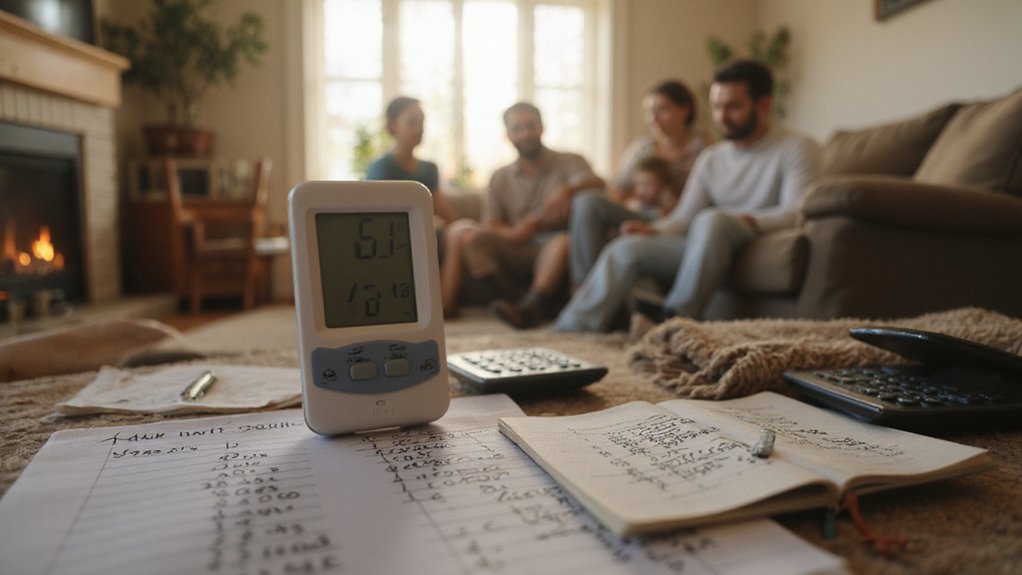
Before choosing a heat pump, you'll need to estimate how much heating and cooling your home requires. This is measured in BTUs, or British Thermal Units. Knowing your BTU requirements helps narrow your options and reduces the chance of buying a system that's too large or too small.
Start by measuring the length and width of each room. Multiply those figures to find the square footage. If you're calculating the needs of an entire home, add the square footage of all the spaces you want the heat pump to serve.
A common starting point is to allow about 20 BTUs per square foot. For example, a room measuring 500 square feet would typically require around 10,000 BTUs. While this provides a useful estimate, it's only part of the picture.
Several other factors can change your heating and cooling requirements. Homes with excellent insulation usually retain heat more effectively, reducing the amount of work the heat pump needs to do. Older homes with poor insulation or drafty windows often require more heating capacity because warm air escapes more easily.
Ceiling height also matters. Rooms with high ceilings contain more air, which takes more energy to heat or cool. Large windows, especially those facing direct sunlight, can also affect indoor temperatures throughout the day.
Your local climate plays an equally important role. Homes in colder regions generally need more heating capacity, while warmer areas place greater demand on cooling performance. Humidity levels may also influence overall comfort and system performance.
While these calculations provide a helpful starting point, they're still estimates. For the most accurate results, many homeowners choose to have a professional perform a full load calculation. This takes every important factor into account and helps ensure your heat pump delivers dependable comfort throughout the year.
Understanding Heat Pump Sizing Basics
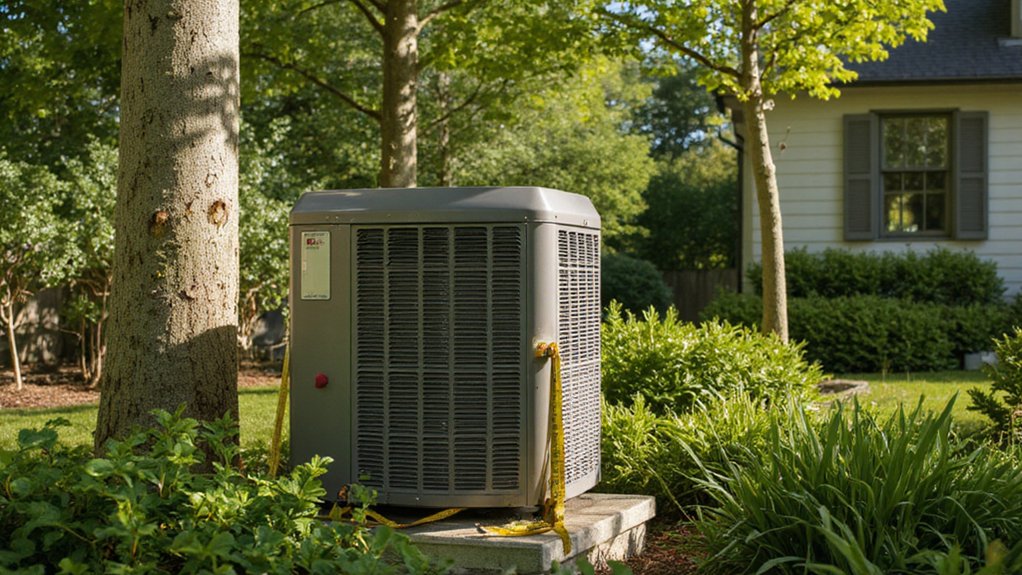
Understanding how heat pump sizing works makes it much easier to choose a system that performs well in every season. Size doesn't refer to the physical dimensions of the unit. Instead, it describes the amount of heating and cooling the system can produce.
Heat pumps come in several types, including air source, ground source, and ductless mini split systems. Each works differently, but all require accurate sizing to perform at their best.
One of the biggest misconceptions is that a larger heat pump automatically delivers better comfort. In reality, an oversized system can cool or heat your home too quickly. That may sound like a good thing, but it often prevents the unit from running long enough to maintain steady temperatures or remove enough humidity during warmer months.
An undersized heat pump creates the opposite problem. It has to run almost continuously to keep up with demand, especially during periods of extreme weather. This can increase energy use while placing extra strain on the equipment over time.
Proper sizing takes several details into account, including your home's total square footage, insulation levels, window placement, air leakage, and local weather conditions. When all of these factors are considered together, you're much more likely to end up with a system that delivers steady temperatures, lower operating costs, and dependable performance throughout the year.
Key Factors Influencing Heat Pump Sizing Decisions
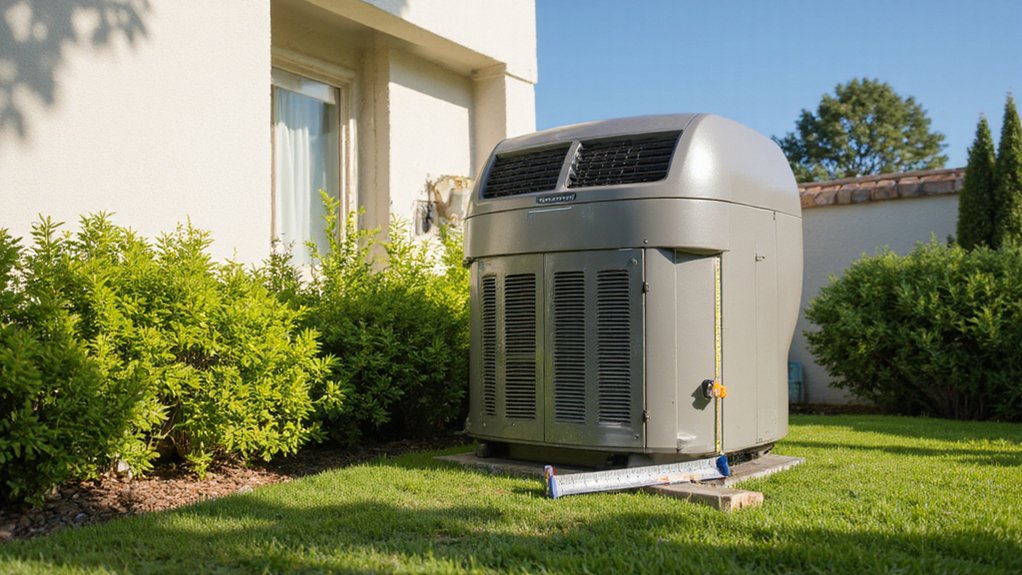
Choosing the right heat pump involves more than checking the square footage of your home. Several factors work together to determine how much heating and cooling capacity your system will need. Looking at each one carefully can help you avoid costly mistakes and improve your home's comfort throughout the year.
Building Design
The design of your home has a direct effect on how well it holds heat during winter and stays cool during summer. An open floor plan allows air to move more freely, while homes with many small rooms may need different airflow considerations.
Construction materials also matter. Brick, concrete, timber, and steel all store and release heat differently. Homes with large areas of glass can gain a lot of heat during sunny days, while older homes with single-pane windows often lose heat much faster than modern properties.
Ceiling height is another factor that is often overlooked. Rooms with vaulted or cathedral ceilings contain more air, so they usually require more heating and cooling capacity than rooms with standard ceiling heights.
Local Climate
The weather where you live plays a major role in selecting the correct heat pump size.
If you live in a region with long, cold winters, your heat pump must be capable of producing enough heat even when outdoor temperatures fall well below freezing. In warmer climates, cooling performance may become the larger priority.
Humidity also affects indoor comfort. Areas with high humidity often require a system that can run long enough to remove excess moisture from the air. A properly sized heat pump can help maintain both comfortable temperatures and balanced humidity levels.
Insulation Quality
Good insulation reduces the amount of heat that escapes during winter and limits unwanted heat entering your home during summer.
Homes with well-insulated walls, ceilings, and floors usually need less heating and cooling than similar homes with poor insulation. Air sealing is equally important. Small gaps around doors, windows, and other openings allow conditioned air to escape, making your heat pump work harder.
Improving insulation before replacing your heating system can sometimes reduce the size of the heat pump you need.
Window Placement and Sunlight
Windows have a bigger impact than many homeowners realize.
Large windows that receive direct afternoon sun can warm a room quickly during summer. On the other hand, north-facing windows or older windows with poor insulation may allow more heat to escape during winter.
Modern double or triple glazing improves energy performance and helps maintain a more stable indoor temperature.
Heat Pump Efficiency
Not all heat pumps deliver the same performance. Modern systems with higher efficiency ratings can provide the same level of comfort while using less electricity.
Choosing an energy-efficient model may reduce your long-term running costs. Even so, the unit must still be correctly sized. High efficiency cannot make up for equipment that is too large or too small for your home.
Local Building Requirements
Some areas have building codes or energy standards that influence the type and size of heating equipment that can be installed.
A qualified installer will understand these requirements and make sure your new system complies with local regulations while meeting your home's heating and cooling needs.
Future Changes to Your Home
Think about any renovations you plan to make over the next few years.
Adding an extension, converting a garage, replacing windows, or improving insulation can all change your home's heating and cooling requirements. Mentioning these plans during the sizing process helps ensure your new heat pump continues to perform well after future upgrades.
Why Insulation and Size Matter for Heat Pumps
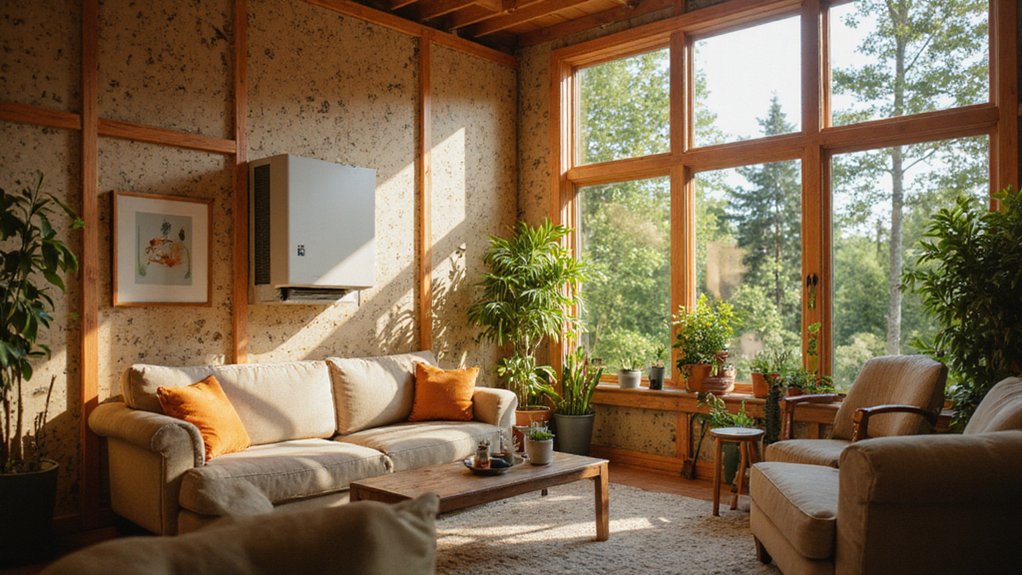
The relationship between insulation and heat pump sizing is easy to overlook, yet it has a major effect on both comfort and running costs. Even the best heat pump cannot perform well if your home constantly loses heated or cooled air.
When insulation and system size work together, your home stays more comfortable while your heat pump operates under normal conditions instead of constantly trying to catch up.
Insulation's Role in Heat Pump Performance
Insulation acts as a barrier that slows the movement of heat.
During winter, it helps keep warm air inside your home. During summer, it reduces the amount of outdoor heat entering your living space. This allows your heat pump to maintain a comfortable temperature with less effort.
Different insulation materials provide different levels of thermal resistance. Fiberglass batts, cellulose insulation, spray foam, and rigid foam boards all help reduce heat transfer, although their performance varies depending on where they are installed.
Without enough insulation, your heat pump may need to run much longer to replace the heat that constantly escapes. That increases electricity use and places additional wear on the system over time.
Investing in better insulation often improves comfort just as much as replacing older heating equipment.
The Benefits of Proper Heat Pump Sizing
A correctly sized heat pump delivers more than comfortable temperatures.
It runs for longer, steadier cycles that allow it to maintain consistent indoor conditions. Longer operating cycles also improve humidity control during warmer months, helping your home feel cooler without lowering the thermostat as much.
An oversized heat pump behaves very differently. Because it reaches the desired temperature quickly, it switches off before completing a full operating cycle. Frequent starts and stops increase wear on components and can shorten the life of the equipment.
An undersized unit faces the opposite challenge. It runs almost continuously while struggling to reach the thermostat setting during very hot or cold weather. This increases electricity consumption and may still leave parts of your home feeling uncomfortable.
Selecting the correct size allows your heat pump to operate the way it was designed, providing steady comfort with lower running costs.
Reducing Energy Loss
Energy loss affects every heating and cooling system.
Warm air escaping through the roof, walls, windows, or gaps around doors forces your heat pump to replace that lost heat repeatedly. The same happens during summer when warm outdoor air enters the home.
Simple improvements such as sealing air leaks, adding attic insulation, upgrading wall insulation, or installing energy-efficient windows can noticeably reduce the workload placed on your heating system.
When energy loss is reduced, your heat pump can maintain indoor temperatures more easily, improving comfort while helping lower monthly utility bills.
Choosing Between Ducted and Ductless Heat Pumps
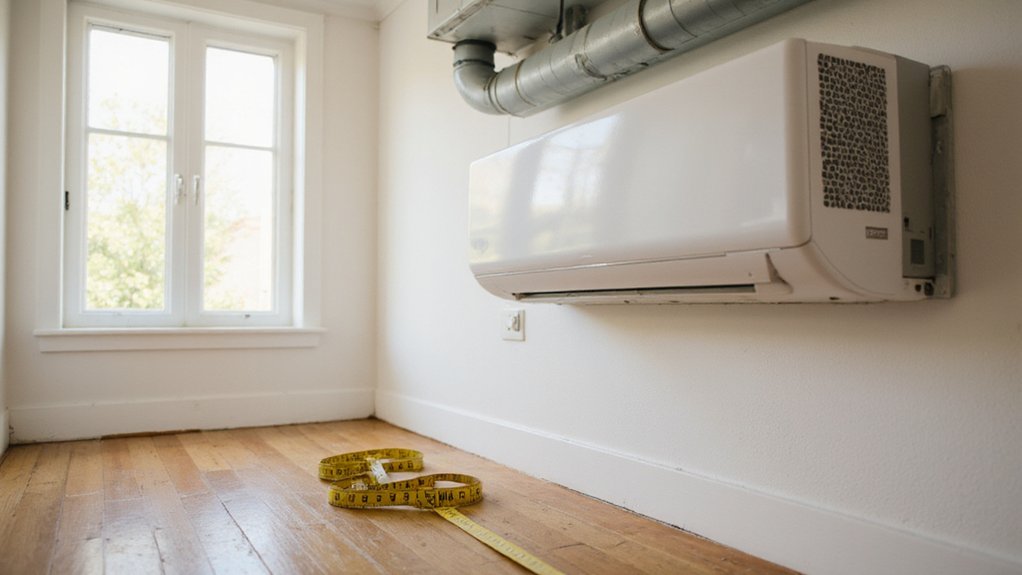
Once you've determined the right heat pump size, the next step is deciding whether a ducted or ductless system is the better fit for your home. Both options can provide year-round heating and cooling, but each suits different types of properties and household needs.
Understanding how these systems work will help you make a choice that matches your home's layout, budget, and comfort goals.
Advantages of Ducted Heat Pumps
A ducted heat pump is connected to a network of ducts that distributes heated or cooled air throughout the house. If your home already has ductwork in good condition, this option can be a practical choice.
One of the biggest benefits of a ducted system is its ability to maintain a consistent temperature across multiple rooms. Because air is delivered through vents placed around the home, every area receives a steady supply of conditioned air.
Ducted systems also keep most of the equipment hidden from view. The indoor components are usually installed in the roof space, under the floor, or inside utility areas, leaving only discreet ceiling or floor vents visible.
Many homeowners appreciate the clean appearance this creates, especially in homes where wall-mounted indoor units may not suit the interior design.
Another advantage is that maintenance is generally straightforward. Regular servicing, duct inspections, and filter cleaning help keep the system operating smoothly while extending its lifespan.
If you're building a new home or replacing an existing central heating and cooling system, a ducted heat pump is often worth considering.
Benefits of Ductless Heat Pumps
Ductless heat pumps, often called mini split systems, work differently. Instead of using ducts, they deliver heating and cooling directly to individual rooms through indoor wall-mounted, floor-mounted, or ceiling-mounted units.
These systems are especially useful in homes without existing ductwork.
Installation is usually quicker and less disruptive because there's no need to install large air ducts throughout the property. This makes ductless systems a popular choice for older homes, room additions, converted garages, home offices, and apartments.
One of the biggest advantages is the ability to control temperatures in separate areas of the house.
For example, you might prefer your bedroom to stay cooler while keeping the living room warmer during winter evenings. With zoning controls, each indoor unit can often be adjusted independently, giving everyone more control over their own comfort.
Because there are no ducts, there is also less opportunity for conditioned air to escape before it reaches the room. This can improve overall energy performance, particularly if an older duct system has leaks.
Ductless systems are also easy to expand. If you decide to renovate or add another room later, an extra indoor unit can often be installed without replacing the entire system.
Which Option Is Right for You?
There is no single answer that works for every home.
If your house already has well-maintained ductwork and you want whole-home heating and cooling from one central system, a ducted heat pump may be the better choice.
If your home has no ducts, or if you only need to heat and cool selected rooms, a ductless system may offer greater flexibility while avoiding the cost of installing new ductwork.
A professional installer can inspect your home and recommend the option that best matches your layout, heating needs, and future plans.
Common Heat Pump Sizing Mistakes to Avoid
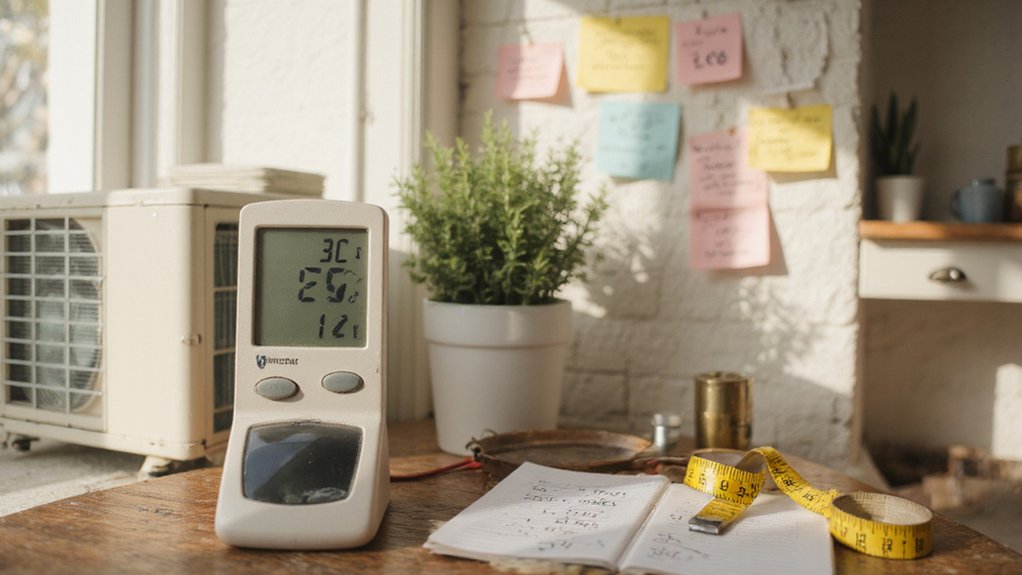
Selecting the correct heat pump size is one of the most important parts of the installation process. Even a high-quality system won't perform as expected if it's not properly matched to your home.
Many sizing problems come from relying on rough estimates instead of detailed calculations. Avoiding these common mistakes can help your heat pump deliver better comfort, lower running costs, and a longer service life.
Choosing a Unit That's Too Large
Many homeowners believe a larger heat pump will heat and cool their home faster and more effectively.
While a larger unit can change the temperature more quickly, that isn't always a good thing.
An oversized heat pump reaches the thermostat setting very quickly before shutting off. It then starts again only a short time later as the indoor temperature changes. This repeated starting and stopping is known as short cycling.
Short cycling creates several problems.
The system uses more electricity because starting the compressor requires extra power.
Indoor temperatures become less stable because the heat pump isn't running long enough to maintain even conditions.
Humidity removal also suffers during summer because the unit switches off before completing a full cooling cycle.
Over time, the constant starting and stopping can place additional stress on important components, increasing the chance of repairs.
Installing a Unit That's Too Small
A heat pump that's too small creates different challenges.
Instead of cycling on and off, it often runs continuously in an effort to maintain the desired indoor temperature.
During mild weather this may not be noticeable, but once temperatures become very hot or very cold, the system may struggle to keep up.
This can leave some rooms feeling uncomfortable while increasing electricity consumption.
Running continuously also places extra strain on the compressor and other components, which may shorten the system's lifespan.
Ignoring Insulation and Air Leaks
Some people choose a heat pump based only on floor area without considering how well their home retains heat.
Poor insulation, drafty windows, and gaps around doors all increase heat loss. If these issues aren't considered during sizing, the chosen system may not perform as expected.
Improving insulation before installing a new heat pump often delivers better long-term results than simply buying a larger unit.
Skipping a Professional Load Calculation
Online sizing charts and general guidelines can provide a rough estimate, but they don't account for the unique features of your home.
A professional load calculation considers details such as:
- Total floor area
- Ceiling height
- Window size and direction
- Insulation levels
- Air leakage
- Local climate
- Building materials
- Occupancy
Using this information allows the installer to recommend a heat pump that closely matches your home's actual heating and cooling requirements.
Although professional calculations require a little more time, they often prevent expensive mistakes that could affect comfort and energy costs for many years.
How Climate Affects Your Heat Pump Choice
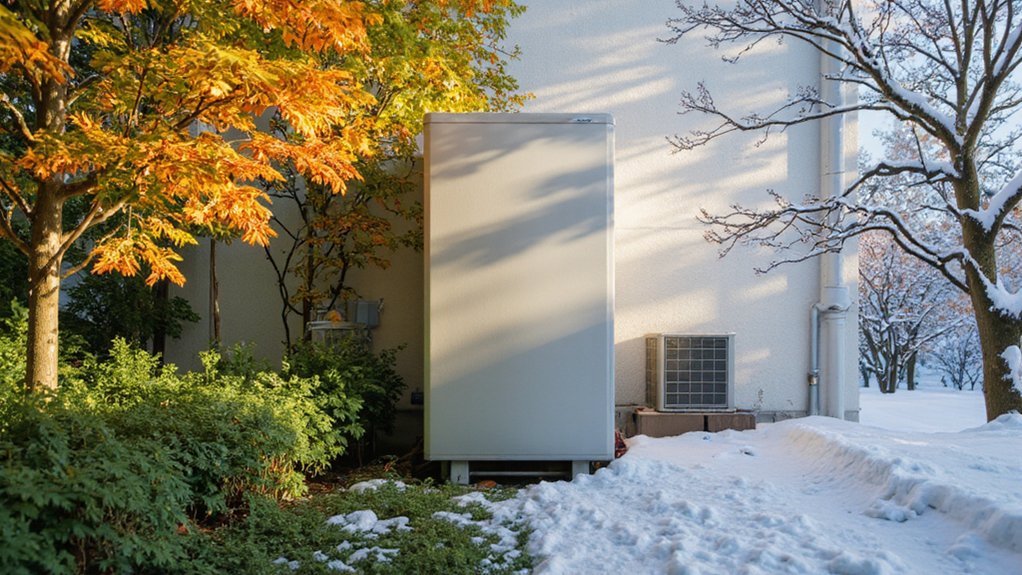
The climate where you live has a major influence on the type and size of heat pump that will work best in your home. A system that performs well in one region may not be the right choice for another, even if the homes are similar in size.
In colder climates, your heat pump needs enough heating capacity to maintain comfortable indoor temperatures during freezing conditions. Modern cold-climate heat pumps are designed to continue operating efficiently even when outdoor temperatures drop well below zero, but choosing the right model is still essential.
Homes in warmer regions place greater demand on the cooling side of the system. During long, hot summers, your heat pump should be able to cool your home without running continuously or using excessive amounts of electricity.
Humidity is another factor worth considering. High humidity can make your home feel warmer than it actually is. A properly sized heat pump runs long enough to remove moisture from the air while maintaining a comfortable indoor temperature.
Seasonal temperature swings should also be taken into account. Some locations experience mild weather for most of the year, while others have very hot summers and freezing winters. Choosing equipment designed for your local conditions helps improve comfort and reduces unnecessary strain on the system.
If you're unsure which model suits your area, a local heating and cooling professional can recommend options that have performed well under your region's weather conditions.
When to Seek Professional Help for Heat Pump Sizing
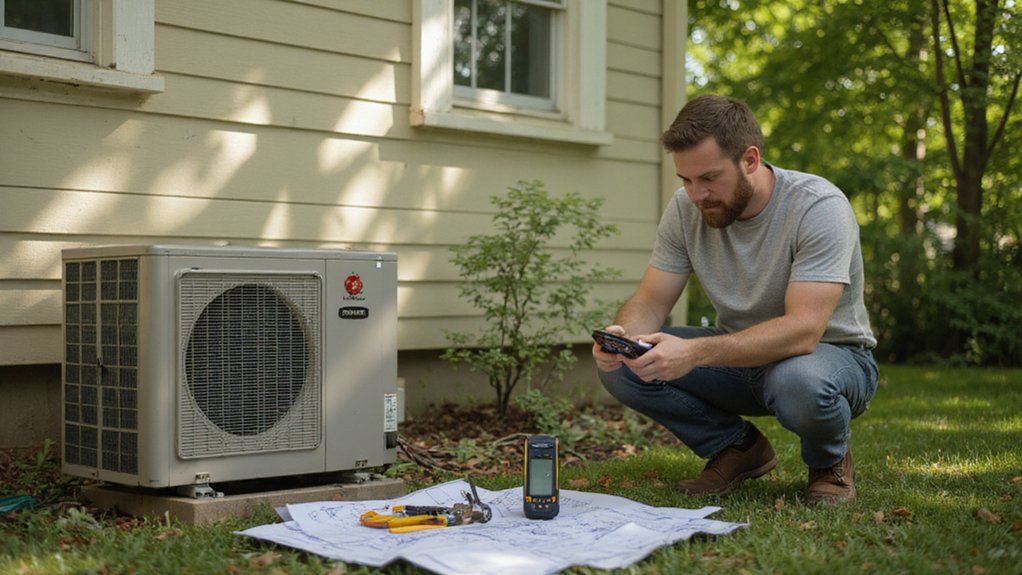
Although online calculators and sizing guides can provide a useful starting point, they cannot account for every detail of your home.
A professional assessment gives you a much clearer picture of the heating and cooling capacity your property actually requires.
An experienced installer will evaluate factors such as:
- The total size of your home.
- Ceiling heights.
- Insulation levels.
- Window size and placement.
- Air leakage.
- Building materials.
- Local weather conditions.
- Existing ductwork, if applicable.
This information is used to complete a detailed load calculation, which provides a far more accurate recommendation than relying on square footage alone.
Professional advice becomes even more valuable if you've recently completed renovations or plan to make changes in the near future. New insulation, replacement windows, home extensions, or converted living spaces can all affect the amount of heating and cooling your home needs.
Investing in the right heat pump from the beginning helps reduce operating costs, improves comfort, and lowers the chance of expensive adjustments after installation.
Frequently Asked Questions
How Do I Maintain My Heat Pump's Efficiency?
Regular maintenance helps your heat pump perform at its best. Clean or replace the air filters as recommended by the manufacturer, keep the outdoor unit free from leaves and debris, and arrange professional servicing every year. Routine inspections allow small issues to be identified before they develop into larger problems.
Can I Install a Heat Pump Myself?
While some homeowners have experience with home improvement projects, installing a heat pump usually requires specialist knowledge. Electrical work, refrigerant handling, and system testing all need to be completed correctly. Hiring a qualified installer helps ensure your system operates safely and performs as intended.
What Is the Lifespan of a Heat Pump?
Most heat pumps last between 15 and 20 years when they receive regular maintenance. The actual lifespan depends on factors such as installation quality, climate, frequency of use, and routine servicing. Looking after your system can help extend its working life and maintain steady performance.
How Noisy Are Heat Pumps During Operation?
Modern heat pumps are generally much quieter than older heating and cooling systems. Most outdoor units produce sound levels of around 50 to 70 decibels during normal operation. Correct installation and thoughtful placement can further reduce the amount of noise you notice inside your home.
Are There Tax Credits for Heat Pump Installations?
Some regions offer tax credits, rebates, or other financial incentives for installing energy-efficient heat pumps. These programs vary depending on where you live and may change over time. Check with your local government or energy provider to see what incentives are currently available in your area.
Conclusion
Choosing the right heat pump size is one of the most important decisions you'll make when upgrading your home's heating and cooling system. A properly sized unit delivers steady indoor comfort, uses energy more effectively, and reduces unnecessary wear on the equipment.
While square footage provides a helpful starting point, it should never be the only factor used when selecting a heat pump. Insulation, ceiling height, window placement, building design, local climate, and air leakage all affect the amount of heating and cooling your home requires.
Whether you're considering a ducted or ductless system, taking the time to assess your home's individual needs will help you make a more informed decision. If you're uncertain about the correct size, arranging a load calculation with an HVAC professional is a worthwhile investment. It provides a clear recommendation based on your home's actual characteristics and helps you avoid costly sizing mistakes.
With the right heat pump in place, you'll enjoy dependable heating in winter, comfortable cooling in summer, and a more comfortable home throughout the year.

other blog posts
The Importance of Regular HVAC Maintenance
How Can I Lower My Heating and Cooling Bills?
How Do I Know If My Air Ducts Need Cleaning?
Ready to Enhance Your Comfort
Contact us today to schedule your service, learn about energy-saving rebates, and feel comfortable in your home all year round.

