 CALL US
related posts
Is a Heat Pump Right for My Home?

If you're thinking about installing a heat pump, it's worth looking at a few things before making a decision. Your local weather, how well your home is insulated, and your current heating and cooling setup all play a part in how well a heat pump will work.
Heat pumps are known for heating and cooling homes with less energy than many traditional systems. Even so, they aren't the right fit for every property. Installation costs, the age of your home, and any changes needed during installation can all affect whether it's a good choice.
Looking at these details before you decide will give you a clearer picture of whether a heat pump suits your home and your budget.
Key Takeaways
- Assess your local climate; heat pumps perform best in mild temperatures and may struggle in extreme conditions.
- Evaluate your home's insulation quality; inadequate insulation can reduce heat pump performance and increase energy costs.
- Consider installation costs, which usually range from $3,000 to $8,000, along with any rebates or tax incentives that may be available.
- Plan for regular maintenance to help the system run well and last longer.
- Check the condition of your existing ductwork, as older homes may need upgrades before installation.
How Do Heat Pumps Work?

A heat pump works by moving heat from one place to another instead of creating heat on its own. That's what makes it an energy-saving option for both heating and cooling.
The system uses a refrigerant that moves through indoor and outdoor coils. During colder months, it pulls heat from the outdoor air, even when temperatures are low, and transfers that heat inside your home.
When the weather turns warm, the process reverses. The heat pump removes heat from inside your home and releases it outdoors, helping keep indoor spaces comfortable throughout the year.
What Are the Key Benefits of Heat Pumps?

Heat pumps offer several advantages for homeowners looking for a single system that handles both heating and cooling.
One of the biggest benefits is lower energy use. Since a heat pump transfers heat instead of burning fuel to create it, it can help reduce greenhouse gas emissions compared with many traditional heating systems.
They also tend to have a long service life. With routine maintenance, many heat pumps continue working well for 15 to 20 years.
Another advantage is steady indoor comfort. Rather than producing sudden bursts of heat, they maintain more consistent temperatures throughout your home. Lower energy use can also mean lower monthly utility bills.
Common Limitations of Heat Pumps You Should Know
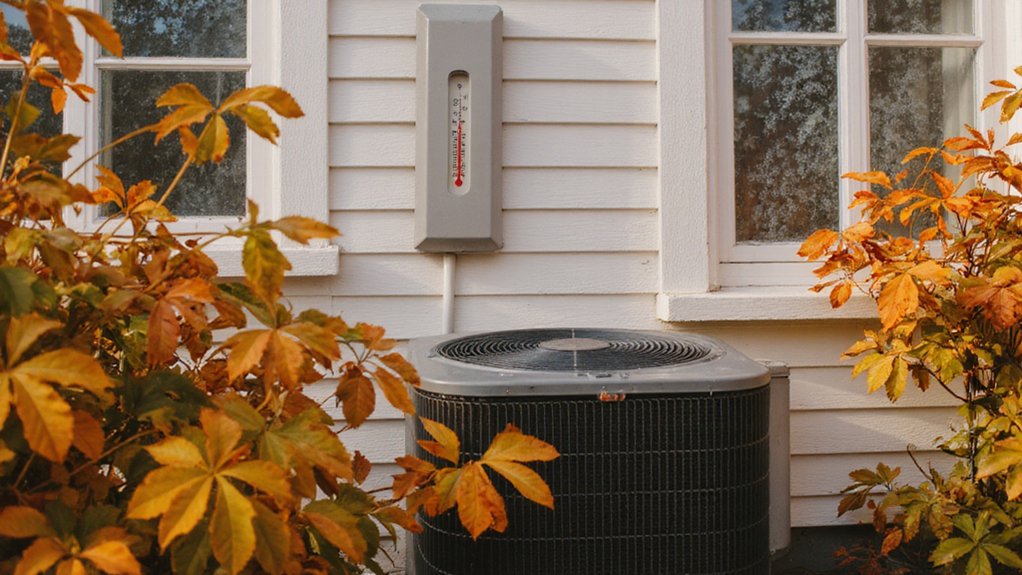
Heat pumps have plenty of advantages, but they also have a few drawbacks that are worth thinking about.
One concern is performance during very cold weather. Although modern systems handle lower temperatures better than older models, some still need backup heating when outdoor temperatures drop well below freezing.
Installation can also be more complicated in older homes. Changes to ductwork, insulation, or electrical systems may be needed before the unit can be installed, which can increase the total cost.
The upfront price is often higher than that of some traditional heating systems. Even though lower energy bills may help offset that expense over time, it's still something to include in your budget before making a decision.
How Climate Affects Heat Pump Efficiency
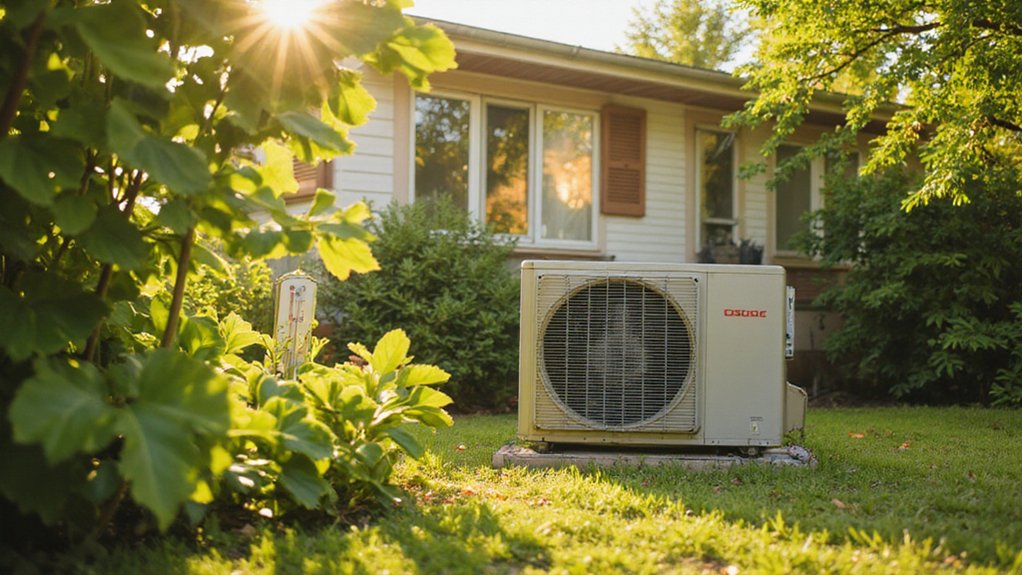
The weather where you live has a big effect on how well a heat pump performs. While these systems can work in many parts of the country, some climates are better suited than others.
In areas with mild winters and moderate summers, a heat pump can provide steady heating and cooling while using less energy. When temperatures stay within a comfortable range, the system doesn't have to work as hard, which can help lower running costs.
In places that experience long periods of freezing weather, performance may drop as outdoor temperatures fall. Some heat pumps include backup heating to help keep your home comfortable during the coldest days.
Humidity also affects performance. In humid climates, the system has to remove extra moisture from the air while cooling your home. Choosing a unit that matches your local conditions can improve comfort throughout the year.
Before deciding on a heat pump, consider the weather in your area and choose a model designed to handle those conditions.
How Much Can You Save With a Heat Pump?
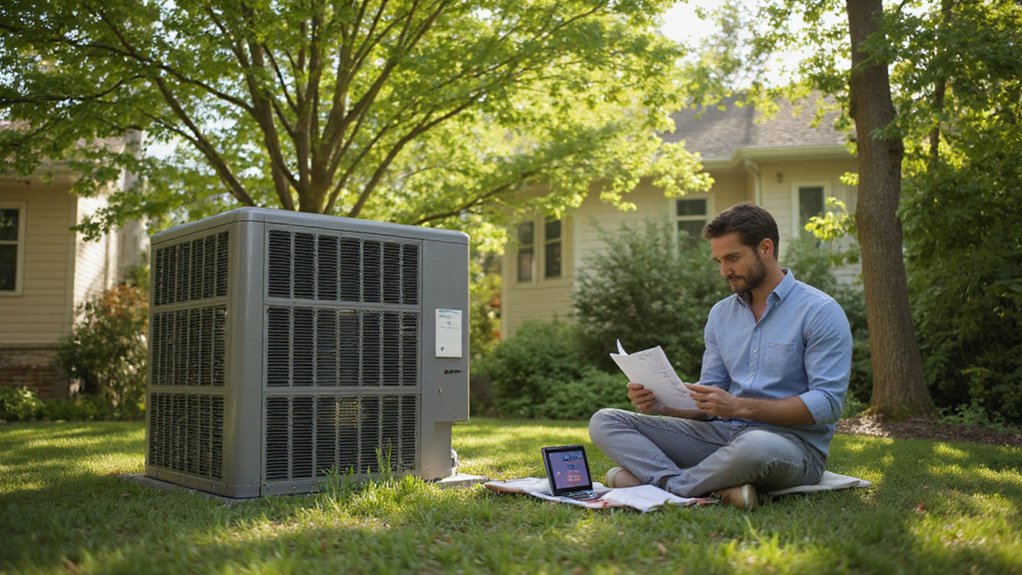
Many homeowners consider a heat pump because of the money it can save over time. While every home is different, lower energy use can lead to noticeable savings on monthly utility bills.
It's also worth looking at rebates, tax credits, and other programs that may reduce the cost of installation. When combined with lower operating costs, these savings can make a heat pump a worthwhile investment.
Energy Savings
One of the biggest advantages of a heat pump is the way it uses energy.
Instead of creating heat by burning fuel, it moves existing heat from one place to another. Because of this, a heat pump can produce more heating or cooling energy than the electricity it uses.
Lower energy use often means lower monthly bills. It can also reduce your home's overall environmental impact by lowering emissions linked to heating and cooling.
Another benefit is quiet operation. Most modern systems run with very little noise and usually need less maintenance than many traditional heating systems.
Lower Utility Bills
A heat pump can help reduce heating and cooling costs, especially if you're replacing an older, less efficient system.
Many homeowners see lower monthly utility bills because the system uses less electricity to keep indoor temperatures comfortable. Actual savings depend on your climate, electricity rates, insulation, and the condition of your home.
Before making a decision, compare the running costs of your current system with the estimated operating costs of a heat pump. This comparison will give you a better idea of what you could save over the long term.
Government Incentives Available
Many homeowners can lower the cost of installing a heat pump through government programs and utility company rebates.
Federal tax credits may cover part of the installation cost when you choose a qualifying energy-efficient model. Some states, local governments, and utility providers also offer rebates that can further reduce your upfront expenses.
The amount available depends on where you live and the type of system you install. Taking a little time to research these programs before buying can make a noticeable difference to the total cost.
Different Types of Heat Pumps You Can Choose From

Heat pumps come in several different styles, and each one is designed for different homes and situations.
Air-source heat pumps are among the most common. They work well in many climates and are often the first choice for residential homes.
Ductless mini-split systems are a good option for homes without existing ductwork or for adding heating and cooling to individual rooms.
Ground-source, or geothermal, heat pumps use the stable temperature below the ground to heat and cool your home. They usually cost more to install but can reduce energy costs over time.
Hybrid systems combine a heat pump with another heating source, allowing the system to switch between them as conditions change.
Portable heat pumps can provide temporary heating or cooling in smaller spaces.
Some homes also use water-source systems when a suitable water source is available, while solar-assisted models work alongside solar energy systems to reduce electricity use.
Many modern heat pumps also include inverter technology, allowing the compressor to adjust its speed instead of constantly turning on and off. This helps maintain a more consistent indoor temperature while using less energy.
Choosing the Right Size for Your Heat Pump
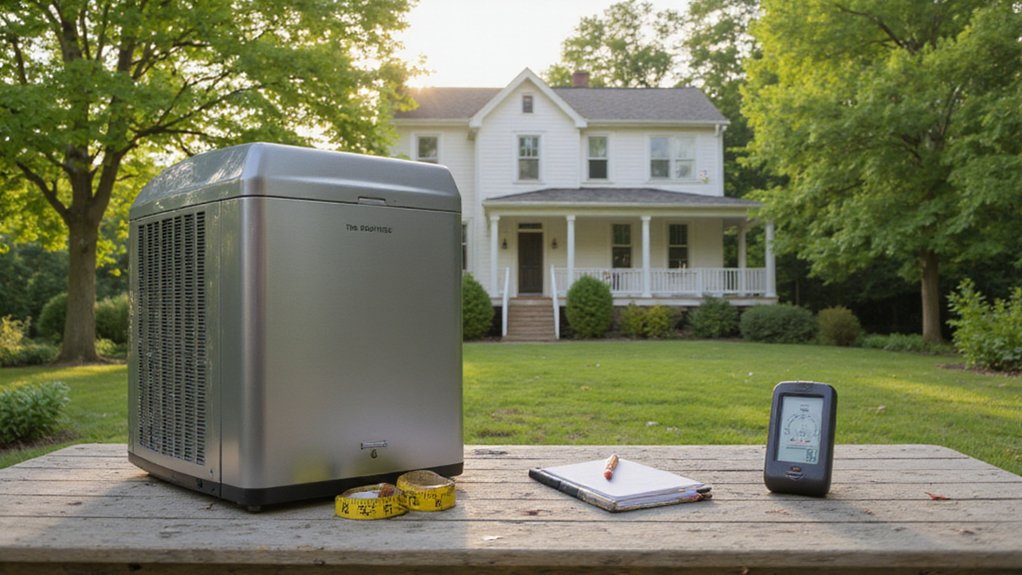
Choosing the right size heat pump is one of the most important steps in getting good performance. A system that's too small may struggle to keep your home comfortable, while one that's too large can cycle on and off too often, leading to higher energy use and unnecessary wear.
Taking the time to size the system correctly can improve comfort and help keep operating costs under control.
Calculate Proper BTU Needs
The first step is working out how much heating and cooling your home needs. This is usually measured in BTUs, or British Thermal Units.
Your home's size is only one part of the calculation. Ceiling height, window placement, insulation levels, the number of occupants, and the local climate all affect how much heating and cooling is required.
Many HVAC professionals perform a load calculation to determine the correct system size. Online calculators can give you a rough estimate, but a professional assessment is usually the best way to avoid choosing a unit that's either too large or too small.
Getting the sizing right helps your heat pump run more smoothly, keeps indoor temperatures steady, and can lower energy costs over time.
Consider Home Insulation Quality
Your home's insulation has a direct effect on how well a heat pump performs.
If warm or cool air escapes through the walls, attic, windows, or doors, the system has to run longer to maintain a comfortable temperature. That can increase energy use and place extra strain on the equipment.
Different insulation materials provide different levels of thermal protection, so it's worth checking whether your home has enough insulation before installing a heat pump.
Air leaks are another common issue. Small gaps around windows, doors, vents, and ductwork allow conditioned air to escape. Sealing these areas can improve comfort and help your heat pump operate more effectively.
How Do Heat Pump Installation Costs Stack Up?
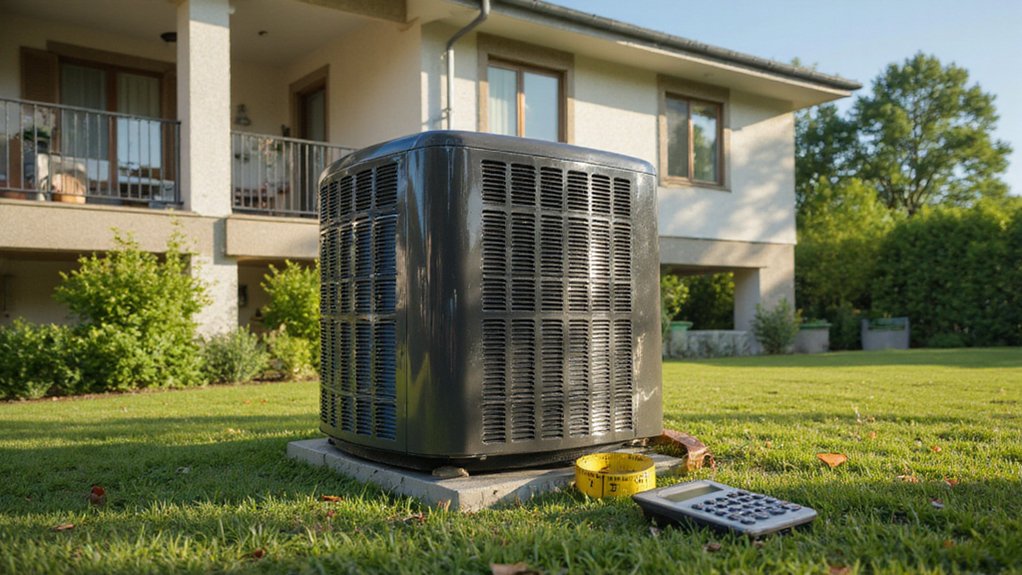
The cost of installing a heat pump depends on several factors, including the size of your home, the type of system you choose, and how much work is needed during installation.
In most cases, homeowners spend between $3,000 and $8,000. Homes that need electrical upgrades, ductwork changes, or other improvements may cost more.
Before moving ahead, it's a good idea to request estimates from several qualified HVAC contractors. Comparing quotes can help you understand what's included and make it easier to choose the right installer.
If the upfront cost feels high, financing plans may be available through contractors or lenders. You may also qualify for rebates or tax credits that reduce the total amount you'll pay.
Although installation requires an initial investment, many homeowners recover part of that cost over time through lower energy bills.
Heat Pump Maintenance Tips
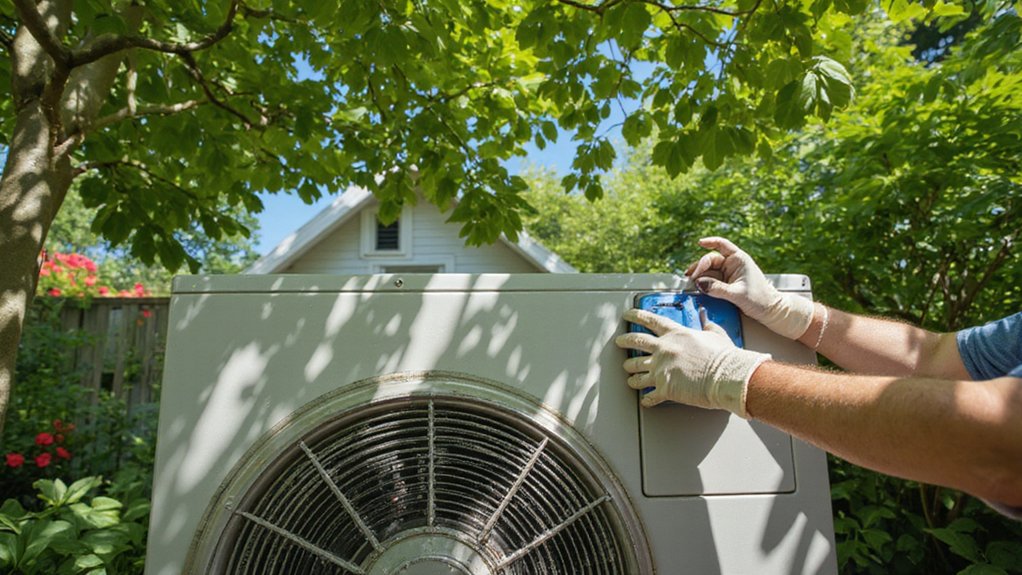
Regular maintenance helps keep a heat pump working efficiently and can extend its service life.
Start by checking the outdoor unit every season. Remove leaves, dirt, branches, or any other debris that could block airflow. During winter, make sure snow and ice aren't restricting the unit.
Air filters also need regular attention. Cleaning or replacing them every one to three months helps maintain good airflow and allows the system to work more efficiently.
It's also worth having the refrigerant level checked and watching for signs of leaks or unusual noises. Scheduling a professional inspection once a year gives a technician the chance to identify small issues before they become expensive repairs.
Routine maintenance can improve performance, reduce unexpected breakdowns, and help your heat pump last longer.
Are There Incentives for Installing a Heat Pump?
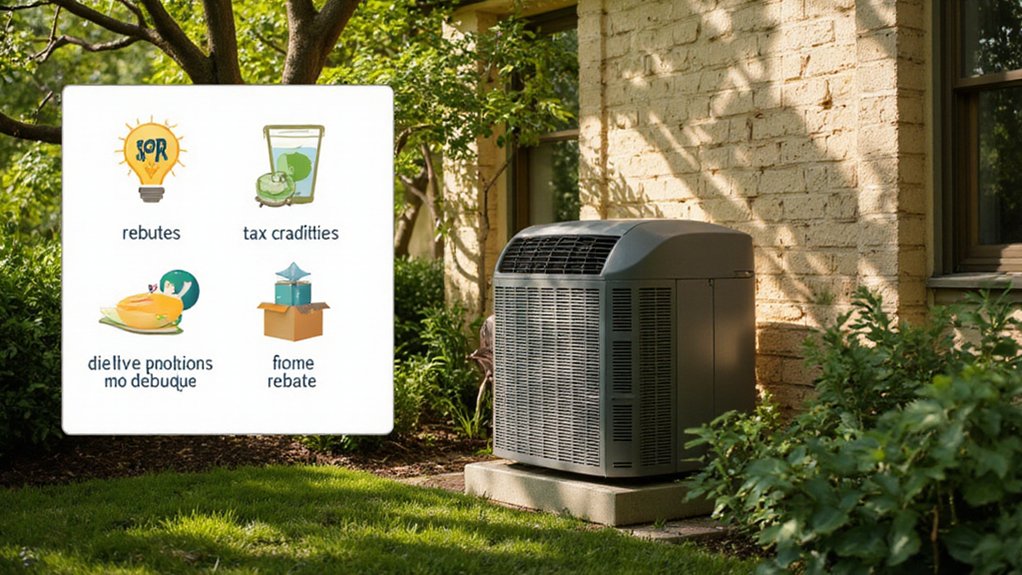
Installing a heat pump may cost less than you expect if rebates or tax incentives are available in your area.
Many utility companies offer rebate programs for homeowners who install energy-saving heating and cooling systems. These programs can reduce the upfront cost and make the investment easier to manage.
Federal, state, and local governments may also provide tax credits or other financial assistance for qualifying systems. The amount available depends on where you live and the type of heat pump you choose.
Before buying a system, check which programs apply in your area. Taking advantage of available incentives can reduce your overall costs while making your home more energy efficient.
Frequently Asked Questions
Can Heat Pumps Work in Extremely Cold Climates?
Yes. Many modern heat pumps are designed to perform well in cold climates. Some models include backup heating to maintain indoor comfort when temperatures drop well below freezing. Choosing a system built for colder conditions is important if you live in an area with harsh winters.
How Noisy Are Heat Pumps During Operation?
Most modern heat pumps operate quietly. The sound is often similar to that of a household refrigerator, making them a comfortable choice for everyday use. Some premium models are designed to produce even less noise.
Do Heat Pumps Require Special Electrical Systems?
Heat pumps do have electrical requirements that should be checked before installation. An HVAC technician can inspect your home's electrical system to make sure it can safely support the new equipment. In some cases, upgrades may be needed.
What Is the Lifespan of a Typical Heat Pump?
With regular maintenance, most heat pumps last between 15 and 20 years. Cleaning or replacing filters, keeping the outdoor unit clear, and scheduling yearly servicing can help the system continue running well for many years.
Can Heat Pumps Provide Hot Water as Well?
Yes. Some heat pump systems can also heat water for household use. These models use the same basic technology to transfer heat, helping reduce the amount of energy needed to supply hot water compared with many conventional water heaters.
Conclusion
A heat pump can be a smart choice for many homes, offering dependable heating and cooling while using less energy than many traditional systems. The right system depends on your local climate, your home's insulation, and your existing heating and cooling setup.
Before making a decision, compare installation costs, expected operating expenses, and any rebates or tax incentives available in your area. Taking the time to review these factors will help you decide whether a heat pump is the right fit for your home, both now and in the years ahead.

other blog posts
Why Is One Room Hotter or Colder Than Others in Your House?
Top Signs You Need HVAC Repair in Courtenay, BC
Is a Heat Pump Worth It for Homes in Cold Weather?
Ready to Enhance Your Comfort
Contact us today to schedule your service, learn about energy-saving rebates, and feel comfortable in your home all year round.

