
 CALL US
related posts
Can I Install a Heat Pump in an Older Home?

If you're thinking about installing a heat pump in an older home, you're probably wondering if it's the right choice. The good news is that many older homes can use a heat pump successfully. The answer depends on a few things, including the condition of your insulation, ductwork, and electrical system.
Before moving ahead with your heat pump installation, it's worth taking a close look at your home's insulation, heating system, and overall condition. Older properties often have features that need extra attention before a new heating system is installed. A professional HVAC assessment can help you understand what upgrades, if any, are needed so your heat pump performs as expected.
With the right preparation, a heat pump can provide dependable heating and cooling while lowering energy use and improving comfort throughout the year.
Key Takeaways
- Heat pumps can be installed in many older homes, though some properties may need upgrades to ductwork or electrical systems.
- Good insulation and properly sealed ductwork help a heat pump perform more effectively.
- Check local building requirements and permits before installation.
- Installation costs for older homes usually range from $4,000 to $8,000, depending on the home and the work involved.
- An experienced HVAC contractor can assess your home and recommend the best solution.
What Is a Heat Pump and How Does It Work?

A heat pump is a heating and cooling system that moves heat instead of creating it. During colder months, it pulls heat from the outdoor air or the ground and brings it inside. When the weather turns warm, the process reverses, moving heat from inside your home to the outdoors.
This approach uses much less electricity than many traditional heating systems because it transfers existing heat rather than generating it.
Heat pumps are designed to keep indoor temperatures comfortable throughout the year while helping reduce energy use. Before installing one in an older home, it's a good idea to look at your home's insulation, layout, and existing heating system. These factors all play a part in how well the unit will perform.
Are Heat Pumps Suitable for Older Homes?
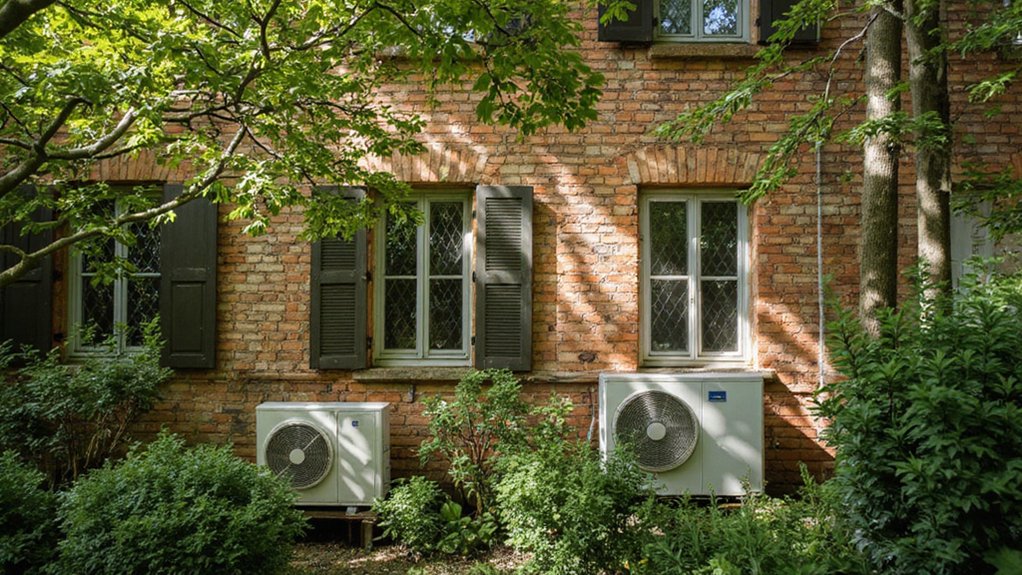
Yes, many older homes are good candidates for a heat pump, though every property is different.
One of the first things to consider is whether your current heating system can support a heat pump. Older homes sometimes have aging ductwork, outdated electrical panels, or limited space for new equipment. These issues don't necessarily prevent installation, but they may require some upgrades.
Your home's insulation also plays a major role. A well-insulated house holds heat more effectively, allowing the heat pump to work less and maintain a steady indoor temperature.
An HVAC professional can inspect your home's existing systems, identify any concerns, and recommend the best type of heat pump for your property. This helps make sure the system operates efficiently and provides reliable comfort for years to come.
How to Assess Your Home's Insulation for Heat Pumps?
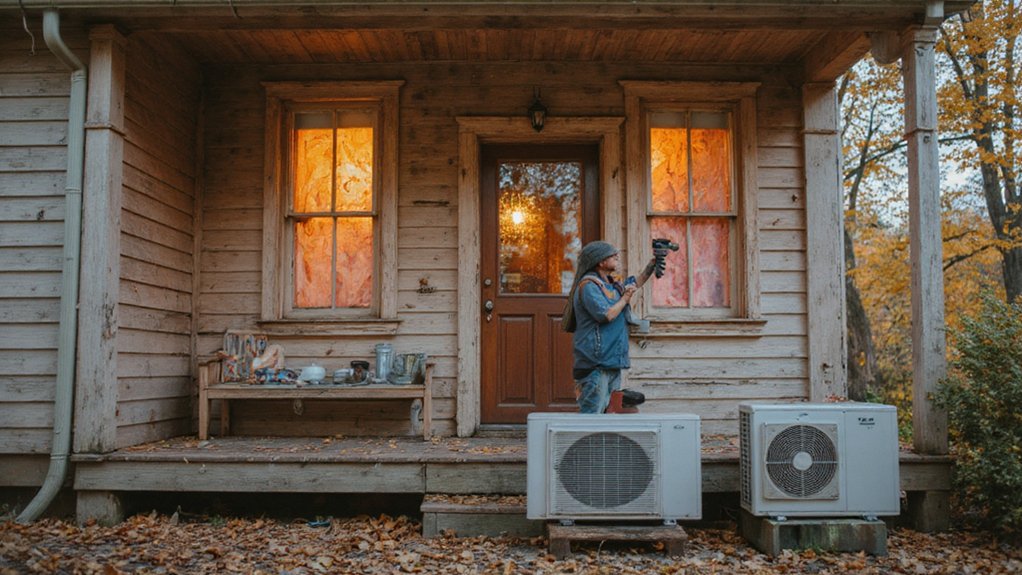
A heat pump performs best when your home is properly insulated. Before installation, it's worth checking whether your insulation is doing its job or if improvements could make your new system more effective.
Check Existing Insulation Levels
Start by identifying the insulation already installed in your attic, walls, and floors. Common materials include fiberglass, cellulose, and spray foam.
Check whether the insulation is in good condition and whether there's enough of it. Damaged, compressed, or missing insulation can make it harder for your heat pump to maintain comfortable indoor temperatures.
If your insulation falls below current recommendations, adding more insulation or replacing older materials can improve comfort and reduce heating and cooling costs.
Take time to inspect areas you can easily access, such as the attic, basement, or crawl space. This simple step can make a noticeable difference in how well your heat pump performs.
Evaluate Air Leakage Areas
Even good insulation can't do its job if warm or cool air is escaping through gaps around your home.
Look for drafts around windows, doors, electrical outlets, plumbing penetrations, and where utility lines enter the house. A smoke pencil or even a lit incense stick can help reveal areas where air is moving.
Once you've found the leaks, seal them with caulk, weatherstripping, or other suitable materials. Don't forget to check the basement and crawl spaces, as these areas often have hidden gaps that allow unwanted airflow.
Reducing air leaks improves comfort and helps your heat pump run more efficiently while lowering energy bills.
Assess Attic and Walls
Your attic and wall insulation deserve a closer look before installing a heat pump.
The attic should have enough insulation for your climate zone. Look for thin areas, gaps, moisture damage, or compressed insulation that reduces its effectiveness.
Older homes sometimes have little or no insulation inside exterior walls. If that's the case, upgrading the wall insulation can make a noticeable difference in comfort and heating performance.
Also check for signs of moisture or mold. These issues should be addressed before adding insulation or installing a new heating system.
Making improvements where needed helps your heat pump operate more efficiently and keeps your home comfortable throughout the year.
What to Do About Your Ductwork?
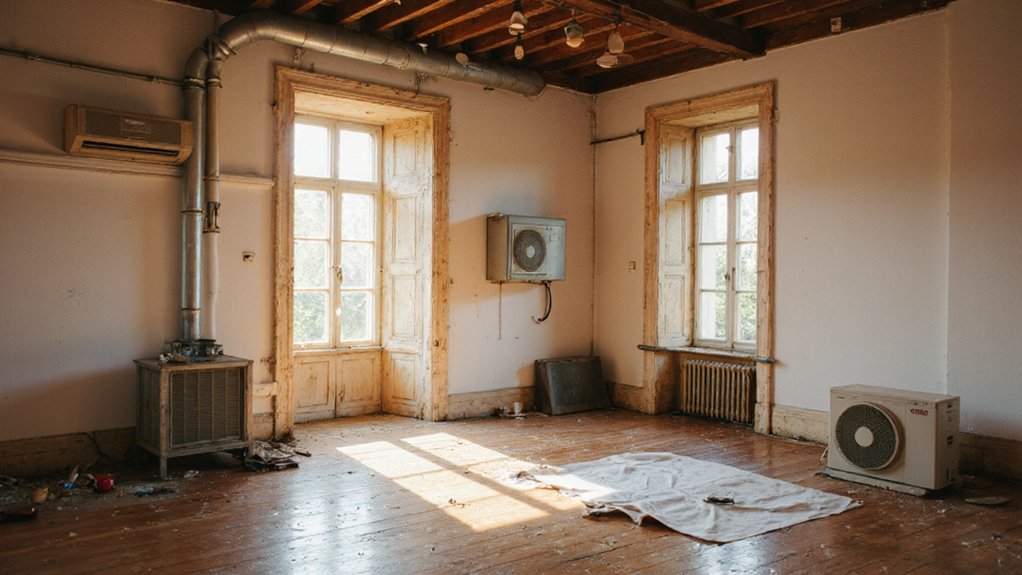
Your ductwork plays a big part in how well a heat pump performs. Before installation, have the entire system inspected to make sure it's in good condition.
Older ductwork often develops leaks, loose connections, or blockages over time. These problems allow conditioned air to escape before it reaches the rooms in your home, making the system work harder than it should.
If leaks are found, sealing them can improve airflow and reduce wasted energy. It's also worth checking whether the existing ducts are the right size for a heat pump. In some older homes, modifications or replacements may be needed to support proper airflow.
Taking care of these issues before installation helps your heat pump run more efficiently and keeps your home comfortable throughout the year.
What Are the Local Regulations for Heat Pump Installation?
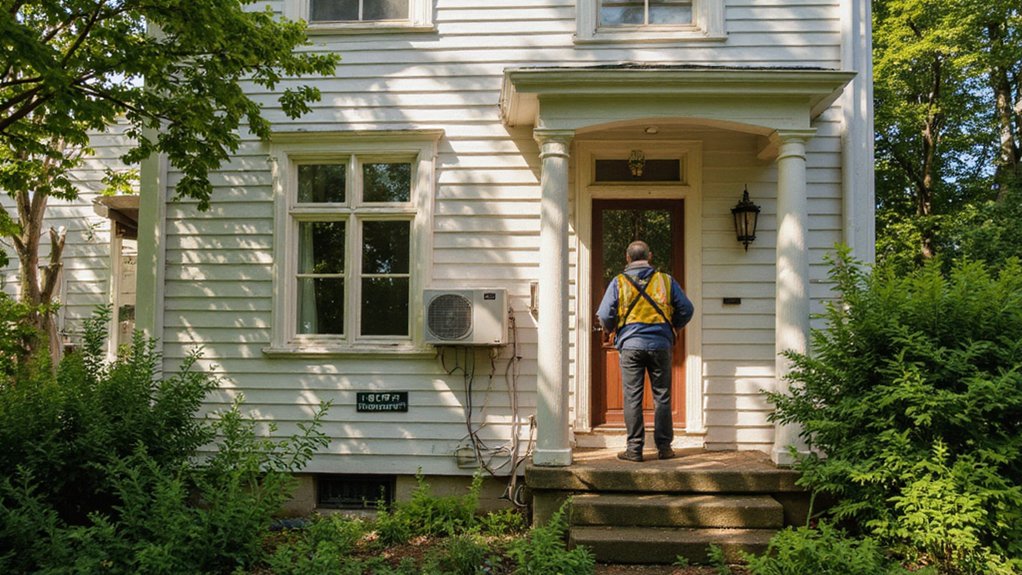
Before installing a heat pump, make sure you understand the local rules that apply in your area. Building requirements can vary from one location to another, and following them helps avoid delays or unexpected costs during the installation process.
Zoning Laws and Permits
Many local governments have zoning rules that affect where outdoor heat pump units can be installed. These rules may cover placement, property line setbacks, or noise requirements.
You may also need a permit before any work begins. Permit requirements depend on your location and the type of installation being completed.
Checking with your local building department or working with a licensed HVAC contractor can help make sure everything is handled correctly before the project starts.
Energy Efficiency Standards
Many regions have minimum energy efficiency requirements for newly installed heat pumps.
When comparing systems, pay attention to the Seasonal Energy Efficiency Ratio (SEER) and the Heating Seasonal Performance Factor (HSPF). Choosing a unit with higher ratings can lower energy costs while keeping your home comfortable throughout the year.
Some areas also offer rebates or incentives for installing high-efficiency equipment, which can help offset part of the installation cost.
An experienced HVAC contractor can explain the requirements in your area and recommend equipment that meets current standards.
Building Code Compliance
Building codes help make sure heating systems are installed safely and operate as intended.
Older homes may have unique requirements, especially if changes to electrical wiring, ductwork, or structural components are needed during installation.
Before work begins, confirm that your project complies with all applicable building codes. Working with a licensed contractor helps reduce the risk of problems during inspections and gives you confidence that the installation has been completed correctly.
Average Costs of Heat Pump Installation in Older Homes

The cost of installing a heat pump in an older home depends on several factors, but most homeowners can expect to spend between $4,000 and $8,000.
The final price depends on the size of your home, the type of heat pump you choose, the condition of your existing ductwork, and whether electrical upgrades are needed.
Homes that require major retrofitting or ductwork modifications will usually cost more than homes that are already well prepared for installation.
Labor costs also vary by location, so getting estimates from several qualified HVAC contractors is a smart way to compare pricing and understand what's included in each quote.
Looking beyond the initial installation cost can also help. A more efficient system often leads to lower monthly energy bills, making it a worthwhile investment over time.
How Heat Pumps Benefit Older Homes

A heat pump offers several advantages for older homes, especially when the house has been properly prepared before installation.
One of the biggest benefits is lower energy use. Since heat pumps move heat instead of generating it, they often use less electricity than traditional heating systems.
They also provide both heating and cooling in a single system, making them a practical choice throughout the year.
Another advantage is more consistent indoor temperatures. Instead of frequent temperature swings, a properly sized heat pump can maintain a comfortable living environment while helping improve indoor air quality by reducing excess humidity.
For many homeowners, these benefits add up to better comfort and lower operating costs over the life of the system.
Tips for Choosing the Right Heat Pump for Your Home

Choosing the right heat pump starts with selecting a system that fits your home's heating and cooling needs.
Look for models with high SEER and HSPF ratings, as these systems generally cost less to operate.
It's also important to make sure the unit is properly sized. A system that's too small may struggle to keep your home comfortable, while one that's too large can cycle on and off too often, reducing performance and increasing wear.
Your existing ductwork should also be evaluated to confirm it's suitable for the new system. If changes are needed, completing them before installation will help the heat pump perform at its best.
Finally, work with a qualified HVAC contractor who can recommend equipment based on your home's size, layout, insulation, and local climate.
Frequently Asked Questions
Can Heat Pumps Work With Radiant Floor Heating Systems?
Yes, a heat pump can work with a radiant floor heating system, provided the two systems are designed to operate together. Heat pumps supply low-temperature heat, which pairs well with radiant flooring in many homes. When installed correctly, this combination can provide steady, comfortable warmth while keeping energy use low.
Before moving forward, have an HVAC professional confirm that your existing radiant heating system is compatible with the heat pump you're considering.
How Noisy Are Heat Pumps During Operation?
Most modern heat pumps are much quieter than many people expect. The indoor unit typically produces a sound similar to a refrigerator running, while the outdoor unit creates a low humming noise during operation.
The amount of sound you notice depends on the model, where it's installed, and how well the equipment is maintained. Choosing a quieter model and placing the outdoor unit in an appropriate location can help reduce noise even further.
What Is the Lifespan of a Heat Pump?
A well-maintained heat pump usually lasts between 15 and 20 years.
Routine maintenance, proper installation, and regular filter changes all help extend the system's life. While the initial installation cost may be higher than some traditional heating systems, lower energy bills over time often help offset that investment.
Scheduling annual maintenance also helps identify small issues before they turn into costly repairs.
Do Heat Pumps Require Regular Maintenance?
Yes. Like any heating and cooling system, a heat pump works best with regular maintenance.
Replace or clean the air filters as recommended by the manufacturer to maintain proper airflow. It's also a good idea to have the system inspected each year by a qualified HVAC technician. During the inspection, they'll check refrigerant levels, electrical connections, airflow, and other components to keep the system running efficiently.
Keeping up with routine maintenance can improve performance, reduce operating costs, and help your heat pump last longer.
Can I Install a Heat Pump Myself?
While it's possible to install a heat pump yourself, it isn't recommended unless you have the necessary training and experience.
Installing a heat pump involves electrical work, refrigerant handling, system sizing, and following local building codes. Mistakes during installation can reduce efficiency, shorten the system's lifespan, or even create safety risks.
Hiring a licensed HVAC contractor helps make sure the installation is completed correctly and that your system performs as intended from the start.
Conclusion
Installing a heat pump in an older home is often a practical option, provided the home's existing systems are evaluated beforehand. Taking time to inspect your insulation, ductwork, and electrical system can help identify any upgrades that may improve the system's performance.
It's also worth checking local building requirements before installation and working with a qualified HVAC professional who can recommend the right equipment for your home.
Although the upfront cost can seem substantial, many homeowners find that the improved comfort, lower energy use, and year-round heating and cooling make a heat pump a worthwhile investment.

other blog posts
How to Save Money on Your Energy Bills with HVAC Maintenance
What Are the Benefits of a Smart Thermostat?
What Size Heat Pump Do I Need?
Ready to Enhance Your Comfort
Contact us today to schedule your service, learn about energy-saving rebates, and feel comfortable in your home all year round.

