 CALL US
related posts
Can a Heat Pump Replace My Furnace?
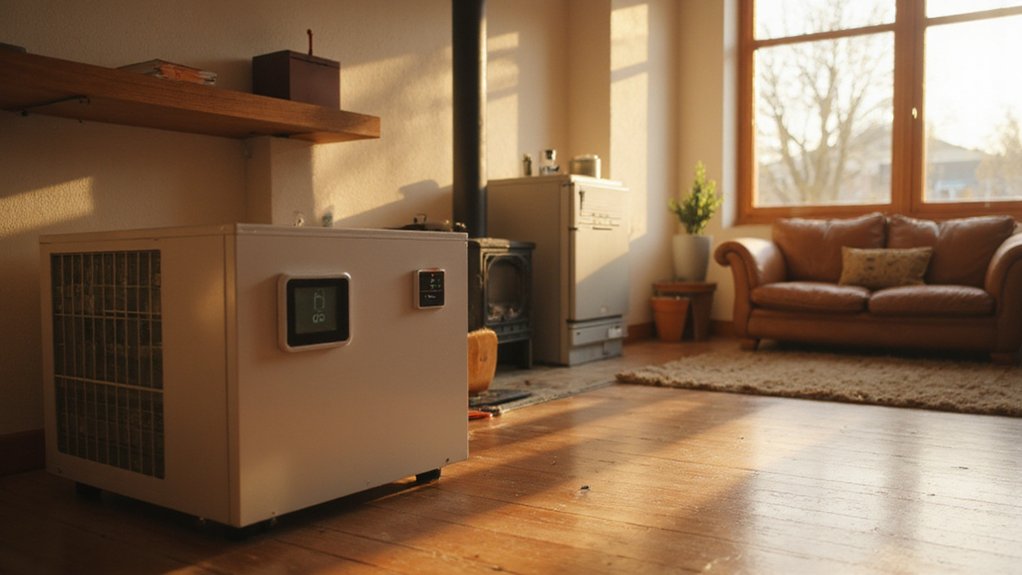
If you're thinking about replacing your furnace with a heat pump, you're probably wondering if it can handle the job just as well. The short answer is yes, in many homes, it can. Heat pumps have become a popular choice because they heat and cool your home using the same system while using less energy than many traditional heating systems.
That said, switching isn't the right move for every home. Your local climate, the condition of your existing HVAC system, your home's insulation, and your budget all play a part in deciding whether a heat pump is the best fit.
This guide explains how heat pumps work, how they compare with furnaces, and what you should think about before making the switch.
Key Takeaways
- Heat pumps can replace furnaces while providing both heating and cooling in one system.
- Modern cold-climate heat pumps continue to perform well even when outdoor temperatures drop.
- Although installation costs are often higher, many homeowners save money over time through lower energy use.
- Proper sizing and professional installation are important for getting the best performance.
- Government rebates and energy efficiency incentives may help reduce the upfront cost.
Can a Heat Pump Replace My Furnace?
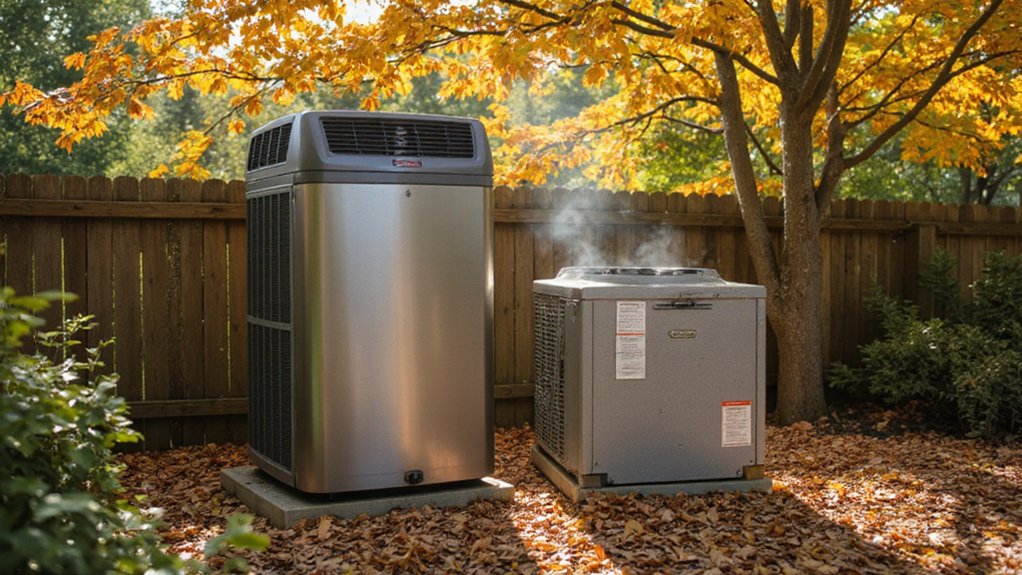
Yes, a heat pump can replace a furnace in many homes. The right choice depends on where you live, how well your home is insulated, and your heating needs during winter.
One common misconception is that heat pumps only work in warm climates. While older systems struggled in freezing weather, today's cold-climate models are designed to keep working efficiently even when temperatures fall well below freezing.
Unlike a furnace that creates heat by burning fuel or using electric resistance, a heat pump moves existing heat from one place to another. This process uses much less energy, which can lead to lower monthly utility bills.
A heat pump also gives you cooling during the summer, so one system handles comfort throughout the year. Even though the upfront installation cost may be higher than replacing a furnace with another furnace, many homeowners find the long-term energy savings worthwhile.
Before making the switch, it's worth consulting a professional about heat pump installation to evaluate your home's heating requirements, ductwork, insulation, and local climate. That helps ensure you choose the right system for reliable year-round comfort.
What Is a Heat Pump and How Does It Work?
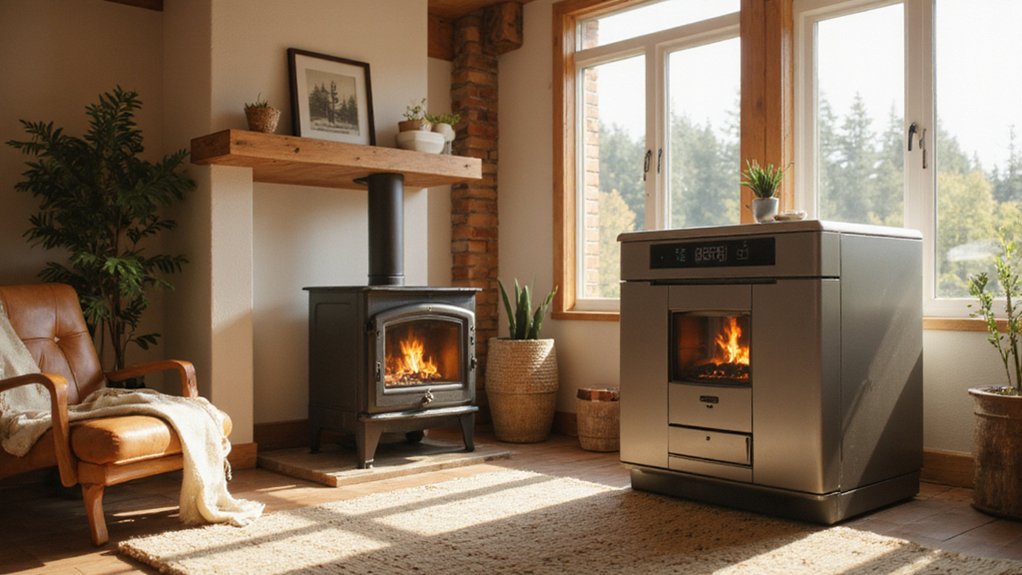
A heat pump works differently from a traditional furnace. Instead of creating heat, it transfers heat from one location to another.
The system includes several main components, including an evaporator coil, compressor, condenser, and refrigerant that moves heat through the system.
During winter, the outdoor unit collects heat from the outside air. Even when it feels cold outside, there is still heat energy available. The refrigerant absorbs that heat, and the compressor increases its temperature before sending it indoors. The warm air is then distributed throughout your home.
When summer arrives, the process reverses. The heat pump removes heat from inside your home and releases it outdoors, working much like a standard air conditioner.
Because it moves heat instead of generating it, a heat pump can deliver more heating energy than the electricity it consumes. That's one of the main reasons these systems are known for their energy-saving performance.
How Heat Pumps Compare to Traditional Furnaces
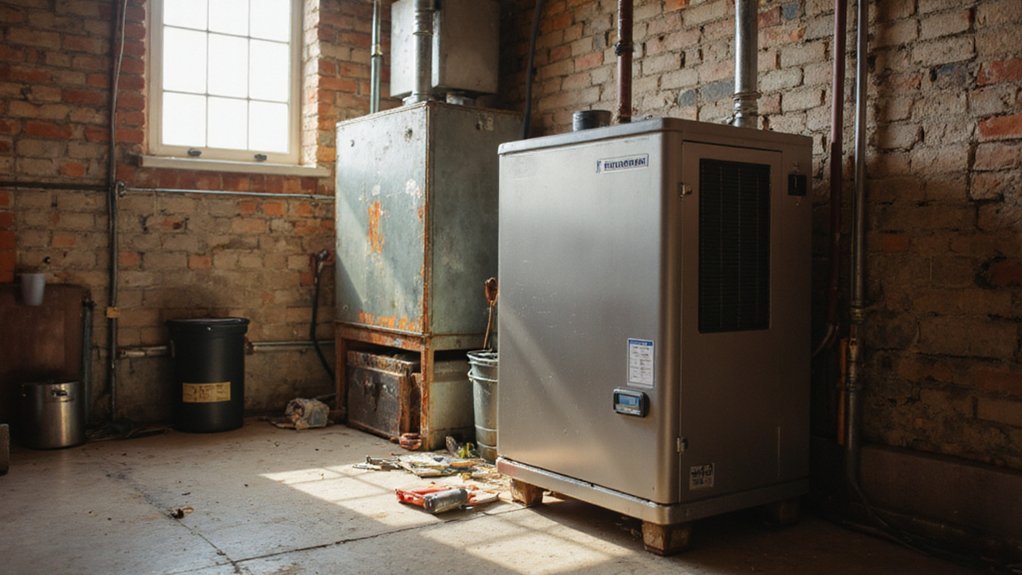
Choosing between a heat pump and a traditional furnace comes down to more than just heating your home. Energy use, operating costs, comfort, and local weather all play a part.
Looking at these differences can help you decide which option makes the most sense for your home.
Energy Use and Overall Performance
Traditional furnaces create heat by burning natural gas, propane, oil, or using electric heating elements. Heat pumps work differently by moving heat instead of producing it.
This approach allows heat pumps to use much less energy in many situations. Under the right conditions, they can provide several units of heat for every unit of electricity they consume. That level of performance often translates into lower heating costs over time.
Since they use less energy, heat pumps can also reduce your home's overall environmental impact, especially when paired with cleaner sources of electricity.
Day-to-Day Operating Costs
Heating bills are an important part of any replacement decision.
In many areas, heat pumps cost less to operate because they move heat instead of creating it. That lower energy demand often results in noticeable savings throughout the heating season.
Although purchasing and installing a heat pump usually costs more upfront than replacing a furnace, lower monthly utility bills may help balance those costs over the life of the system.
Many homeowners can also take advantage of rebates, tax credits, or other energy efficiency programs that help reduce the initial investment.
Heating Performance
Both systems can keep your home comfortable, but they perform differently depending on the weather.
Air-source heat pumps work very well in moderate climates and continue improving with every generation of technology. Ground-source, or geothermal, heat pumps offer even greater efficiency because underground temperatures remain more stable throughout the year.
Traditional furnaces deliver high-temperature air and maintain strong heating output regardless of outdoor temperatures. Heat pumps provide a steadier, more consistent warmth while using less energy under suitable conditions.
The best option depends on your climate, your home's insulation, and choosing equipment that is properly sized and professionally installed.
Top 5 Benefits of Heat Pumps for Homeowners
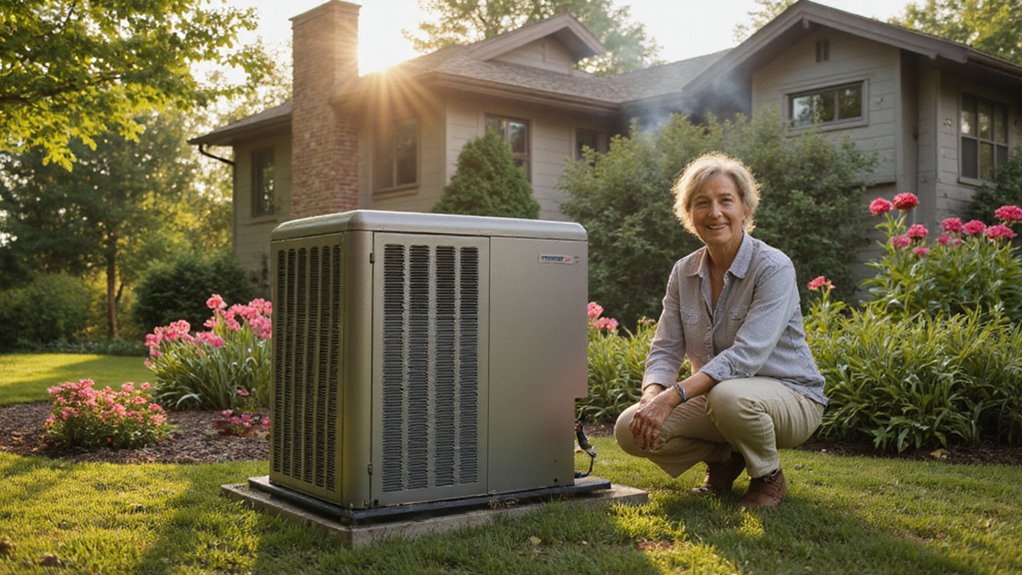
Heat pumps have become a popular choice for homeowners who want one system that can handle heating and cooling while keeping energy use under control. Beyond lowering utility bills, they offer several practical benefits that can make your home more comfortable throughout the year.
Let's take a closer look at what they have to offer.
Lower Energy Use
One of the biggest reasons homeowners choose a heat pump is its ability to use energy more effectively than many traditional heating systems.
Instead of creating heat from fuel, a heat pump moves heat from one place to another. Because of this, it often delivers much more heating energy than the electricity it consumes. That difference can lead to lower monthly utility costs, especially in areas with moderate winter temperatures.
Many homeowners also appreciate that heat pumps require less routine maintenance than systems that rely on combustion. With fewer moving parts involved in the heating process, there's less wear on the equipment over time.
Another advantage is that one system handles both heating and cooling. Rather than maintaining separate units for different seasons, a heat pump provides year-round comfort with a single installation.
Comfort in Every Season
A heat pump isn't just a heating system. It also works as an air conditioner during warmer months, making it a practical choice for every season.
During winter, it draws heat from the outdoor air and brings it inside to warm your home. When temperatures rise, the system reverses the process by removing indoor heat and releasing it outside.
This steady operation helps maintain a more consistent indoor temperature. Instead of the noticeable heating cycles that some furnaces produce, many homeowners find that heat pumps deliver a more even level of comfort throughout the day.
Because the same equipment works all year, switching between heating and cooling is simple, giving you reliable indoor comfort regardless of the season.
Are Heat Pumps Effective in Cold Climates?
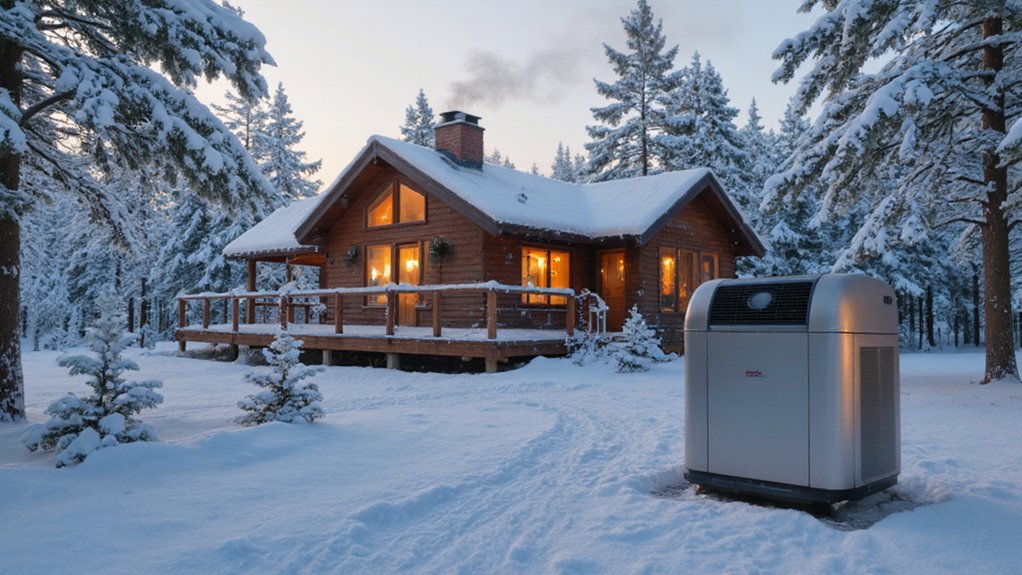
A common concern is whether a heat pump can keep a home warm during freezing weather.
The answer depends on the model you choose and the climate where you live.
Earlier generations of heat pumps often struggled when outdoor temperatures dropped well below freezing. Today's cold-climate models are much more capable. They use improved compressor technology, advanced refrigerants, and variable-speed operation to continue producing heat even during harsh winter conditions.
While efficiency naturally decreases as temperatures become extremely cold, many modern systems still provide dependable heating without relying heavily on backup heat sources.
Choosing equipment that is specifically rated for cold climates makes a noticeable difference. When properly sized and installed, these systems can deliver comfortable indoor temperatures while using less energy than many conventional heating systems.
For homeowners living in areas with long, severe winters, speaking with an experienced HVAC contractor can help determine whether a cold-climate heat pump is the right fit.
Key Considerations Before Switching to a Heat Pump
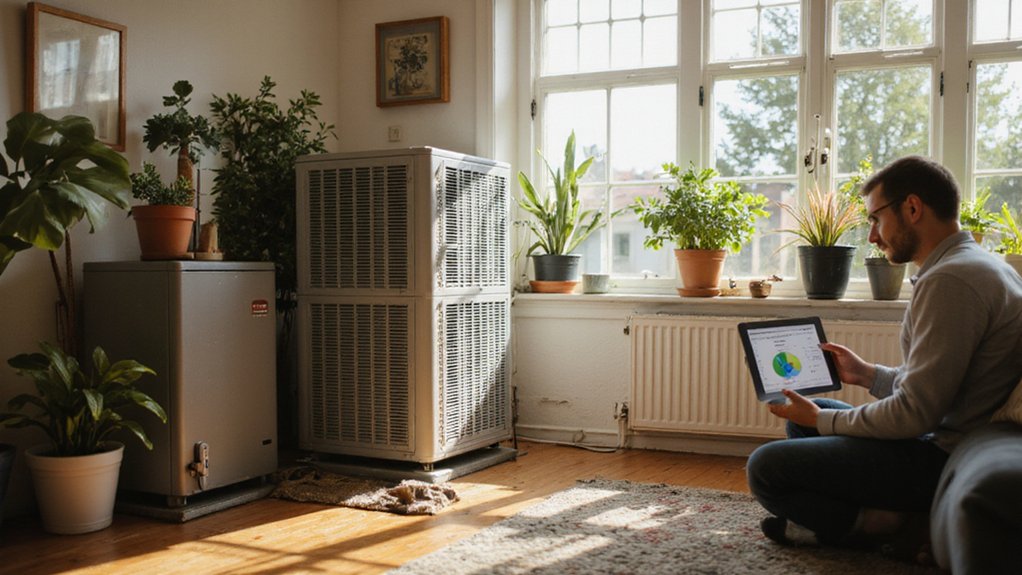
Replacing your furnace with a heat pump is a significant investment, so it's worth looking at a few practical factors before making your decision.
Your home's location, insulation, existing ductwork, and heating requirements all affect how well a heat pump will perform.
Is Your Climate a Good Match?
Climate plays a major role in how efficiently a heat pump operates.
Homes located in areas with mild to moderate winters often see the greatest benefits because outdoor temperatures stay within the range where heat pumps perform most efficiently.
In regions where temperatures regularly stay below freezing for extended periods, choosing a cold-climate model becomes much more important. These systems are specifically designed to continue heating effectively in lower temperatures.
Your home's insulation also matters. Well-insulated homes retain heat more effectively, allowing the system to work less while maintaining comfortable indoor temperatures.
A professional assessment can help determine whether your home's climate and construction make it a good candidate for a heat pump.
Comparing Energy Efficiency
One of the biggest reasons homeowners switch to heat pumps is the opportunity to reduce energy consumption over the long term.
Because a heat pump transfers heat instead of creating it, it often uses considerably less energy than a traditional furnace under suitable conditions.
Although installation costs may be higher at the beginning, many homeowners recover part of that investment through lower monthly utility bills. Depending on local electricity rates and weather conditions, those savings can continue for many years.
Modern heat pump technology has also improved considerably, allowing many systems to maintain strong performance across a wider range of outdoor temperatures than earlier models.
Comparing efficiency ratings and discussing your home's heating needs with an HVAC professional can help you choose the system that offers the best long-term value.
Comparing Installation Costs: Heat Pumps and Furnaces
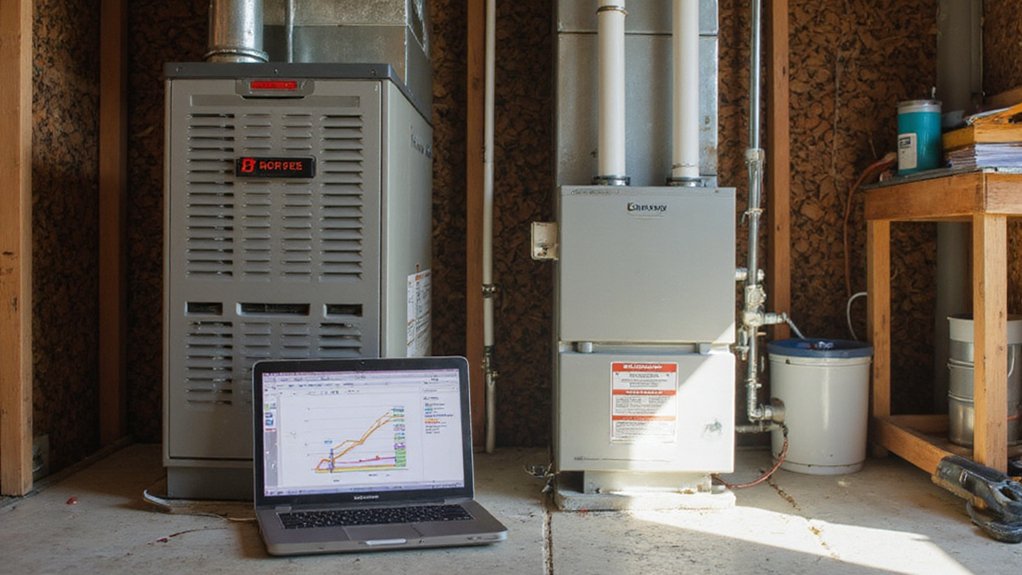
Replacing your heating system is a major investment, so installation costs are often one of the first things homeowners consider.
In many cases, a heat pump costs more to install than a traditional furnace. This is because the equipment is more advanced, and the installation may involve extra work depending on your home's existing HVAC setup. If your ductwork needs repairs or upgrades, that can also affect the final cost.
The installation itself may take a little longer than replacing a furnace with another furnace. Choosing a contractor who has experience installing heat pumps is just as important as selecting the equipment. Proper installation helps the system perform as intended and reduces the chance of problems later.
Before making a decision, it's a good idea to get estimates from several qualified HVAC companies. Compare more than just the price. Look at their experience, customer reviews, warranty options, and what's included in the installation.
Although the upfront investment is often higher, many homeowners recover part of that cost through lower monthly energy bills and available rebate programs.
Maintenance Tips for Your Heat Pump
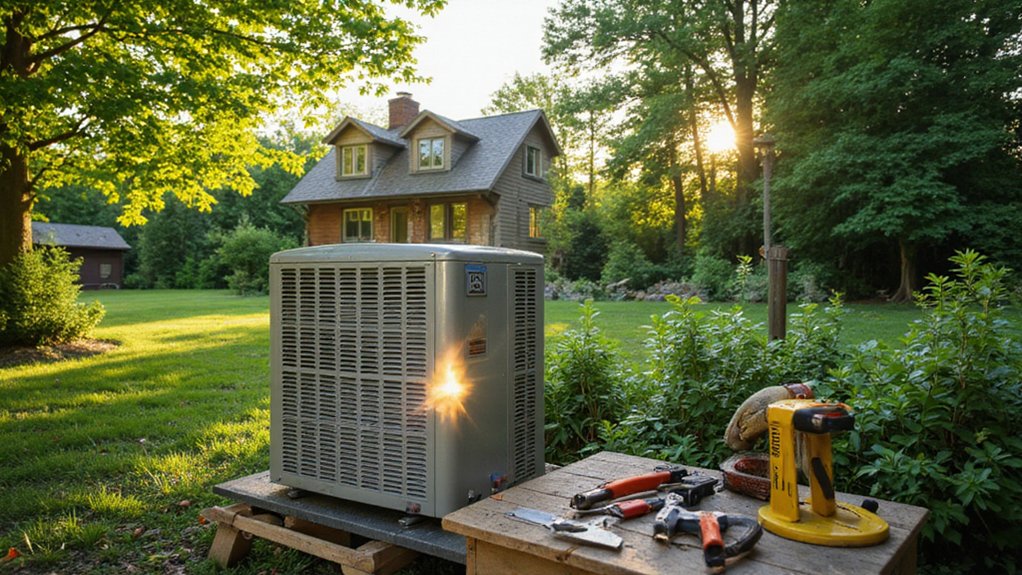
Like any heating and cooling system, a heat pump performs best when it's maintained regularly.
One of the easiest ways to keep the system running efficiently is by replacing or cleaning the air filter every one to three months, depending on how often the system operates and the type of filter you use. A clean filter allows air to move freely and reduces unnecessary strain on the equipment.
It's also worth checking the outdoor unit throughout the year. Leaves, grass clippings, dirt, and other debris can block airflow and reduce performance. Keeping the area around the unit clear helps maintain proper operation.
The indoor and outdoor coils should also stay clean. Dirty coils make it harder for the system to transfer heat, forcing it to work harder than necessary.
Review your thermostat settings occasionally to make sure they match your comfort preferences and seasonal needs. Small adjustments can improve comfort while helping reduce energy use.
Pay attention to any unusual sounds, reduced airflow, or inconsistent temperatures. These can be early signs that the system needs attention.
Finally, schedule professional HVAC repair and maintenance services at least once a year to help identify small issues before they become expensive repairs. Routine servicing helps identify small issues before they become expensive repairs and keeps your heat pump operating efficiently throughout its lifespan.
How to Read Heat Pump Efficiency Ratings
When comparing different heat pump models, understanding the efficiency ratings can help you choose the right system for your home.
One of the most common ratings is the Seasonal Energy Efficiency Ratio (SEER). This measures how efficiently the heat pump cools your home during the cooling season. A higher SEER rating generally means lower energy use while cooling.
For heating performance, you'll often see the Heating Seasonal Performance Factor (HSPF). This rating measures how efficiently the system provides heat over an entire heating season. Higher HSPF values usually indicate better heating performance and lower operating costs.
Another measurement you may come across is the Coefficient of Performance (COP). This compares the amount of heating or cooling the system delivers with the amount of electricity it consumes. Higher values show that the system is producing more useful heating or cooling for the energy it uses.
When comparing models, always use the same efficiency ratings for each unit. Looking at equivalent measurements makes it much easier to identify which system offers better long-term value.
Government Incentives for Heat Pumps
Installing a heat pump may qualify you for financial incentives that help reduce the overall cost of the project.
Many local, state, and federal programs offer rebates, tax credits, or other financial assistance for homeowners who install energy-efficient heating systems. These programs are designed to encourage the use of equipment that reduces energy consumption and lowers greenhouse gas emissions.
The amount of available assistance varies depending on where you live and the type of heat pump you install. Some utility companies also provide rebates for qualifying systems, making the investment even more affordable.
Before purchasing a new system, take time to research the programs available in your area. Your HVAC contractor may also be able to identify incentives that apply to your installation.
Taking advantage of these opportunities can reduce your upfront costs and improve the overall value of your investment.
Frequently Asked Questions
Can a Heat Pump Cool My Home in Summer?
Yes. A heat pump works like an air conditioner during warmer months by removing heat from inside your home and releasing it outdoors. This provides efficient cooling while using the same system that keeps your home warm during winter.
How Long Do Heat Pumps Usually Last?
Most heat pumps have a lifespan of around 15 to 20 years. Regular maintenance, including changing filters, cleaning the outdoor unit, and scheduling yearly inspections, can help extend the life of the system.
Are Heat Pumps Loud?
Modern heat pumps are designed to operate quietly. While you may hear the outdoor unit running, newer systems are much quieter than older models. Professional installation and regular maintenance also help reduce operating noise.
Can I Use My Existing Ductwork?
In many homes, yes. Existing ductwork can often be used if it's in good condition and properly sized for the new system. An HVAC professional can inspect your ducts to determine whether any repairs or modifications are needed.
What Temperature Should I Set My Heat Pump To?
For many households, setting the thermostat to around 68°F during colder months provides a comfortable balance between indoor comfort and energy savings. You can adjust the temperature to match your personal preferences while keeping energy use in mind.
Conclusion
A heat pump can be an excellent replacement for a traditional furnace, offering dependable heating in winter and efficient cooling during the summer. Modern systems perform well in many climates, including areas that experience colder temperatures, making them a practical option for a wide range of homes.
Before making the switch, consider your local climate, your home's insulation, installation costs, and any available rebates or tax incentives. Having the system properly sized and installed is just as important as choosing the equipment itself.
With the right setup, a heat pump can provide reliable comfort, lower energy bills, and dependable performance for many years.

other blog posts
Gas Furnace – and why it might be better to go with a heat pump (pros and cons)
Best Heat Pump & AC Installation Tips for Homeowners in Courtenay, BC
What Are the Warning Signs of a Failing Heating System?
Ready to Enhance Your Comfort
Contact us today to schedule your service, learn about energy-saving rebates, and feel comfortable in your home all year round.

