
 CALL US

related posts
Why Does My AC Shut Off Before the House Gets Cool?
When your air conditioner shuts off before your home reaches the temperature you've set, it can leave you wondering what's going wrong. You might notice that some rooms still feel warm, the air coming from the vents isn't as cool as expected, or the AC keeps turning on and off without making much difference.
Several things can cause this problem. A dirty air filter, an incorrectly placed thermostat, blocked ductwork, or a refrigerant leak can all affect how your AC operates. The size of your unit and the condition of your home's insulation also play a part.
Some problems are easy to address with routine maintenance. Others require a technician to inspect the system and find out what's causing the early shutdown.
Let's look at the common reasons your AC might stop running before your house feels comfortable and what you can do about them.
Key Takeaways
- An undersized AC unit may struggle to cool your entire home, especially during periods of high outdoor temperatures.
- Dirty air filters restrict airflow and can cause the system to overheat or trigger a safety shutdown.
- A thermostat that reads the wrong temperature may tell the AC to stop cooling too early.
- Blocked or damaged ductwork can prevent cooled air from reaching certain rooms.
- Low refrigerant levels, usually caused by a leak, can reduce cooling and cause the system to shut down.
- Poor insulation allows outdoor heat to enter your home, making it harder to maintain a comfortable indoor temperature.
- Regular filter changes and professional AC inspections can help prevent recurring cooling problems.
How to Identify AC Cooling Issues

Before assuming your air conditioner has a major mechanical problem, pay attention to how it behaves during a normal cooling cycle.
Start by checking the thermostat. Compare the temperature displayed on the thermostat with the actual temperature in the room. If the readings don't seem to match, the thermostat may be incorrectly positioned, poorly calibrated, or affected by another heat source.
Temperature differences between rooms can also tell you something about your AC. For example, if the living room feels cool but the bedrooms remain warm, the problem could involve ductwork, blocked vents, or uneven airflow.
Listen to the unit while it's running. Clicking sounds, buzzing, rattling, or repeated starting and stopping can point to electrical or mechanical trouble.
It's also worth checking the air filter. Remove it and see whether dust and debris have collected on the surface. A heavily clogged filter can restrict airflow and make it difficult for the system to cool your home.
Pay attention to how long the AC runs before shutting off. If it stops after only a few minutes and the house still feels warm, the system may be short cycling or responding to an incorrect temperature reading.
These observations can help you describe the problem clearly when speaking with an HVAC technician.
How Thermostat Settings Affect AC Performance
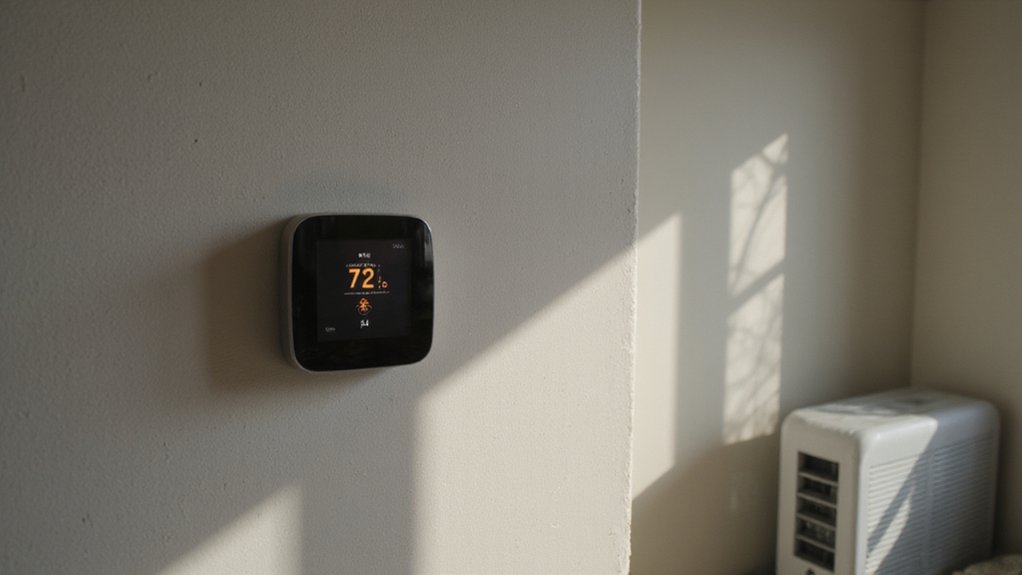
Your thermostat controls when the air conditioner starts and stops. Even a small issue with its temperature readings can affect how long the system runs.
For example, imagine setting your thermostat to 72°F. If the thermostat incorrectly reads the room as 72°F while the actual temperature is still higher, it may signal the AC to stop cooling.
Thermostat placement can also cause problems. A unit installed near a sunny window, kitchen appliance, or heat-producing electronic device may read temperatures that don't represent the rest of your home.
Check the following settings and conditions:
- Temperature setting: Make sure the thermostat is set to cooling mode and the target temperature is below the current room temperature.
- Fan setting: The AUTO setting allows the fan to run with the cooling cycle. The ON setting keeps the fan running even when the compressor stops.
- Thermostat location: Keep the thermostat away from direct sunlight, drafts, and appliances that produce heat.
- Temperature accuracy: If the displayed reading seems incorrect, compare it with a separate room thermometer.
- Programming schedule: Check whether a programmed schedule or energy-saving setting is changing the temperature automatically.
If your thermostat uses batteries, check whether they need replacing. Low batteries can cause some models to behave unpredictably.
A thermostat that continues to give inaccurate readings may need recalibration or replacement. An HVAC technician can check whether the thermostat is communicating properly with the AC system.
Airflow Issues That Cause Your AC to Malfunction
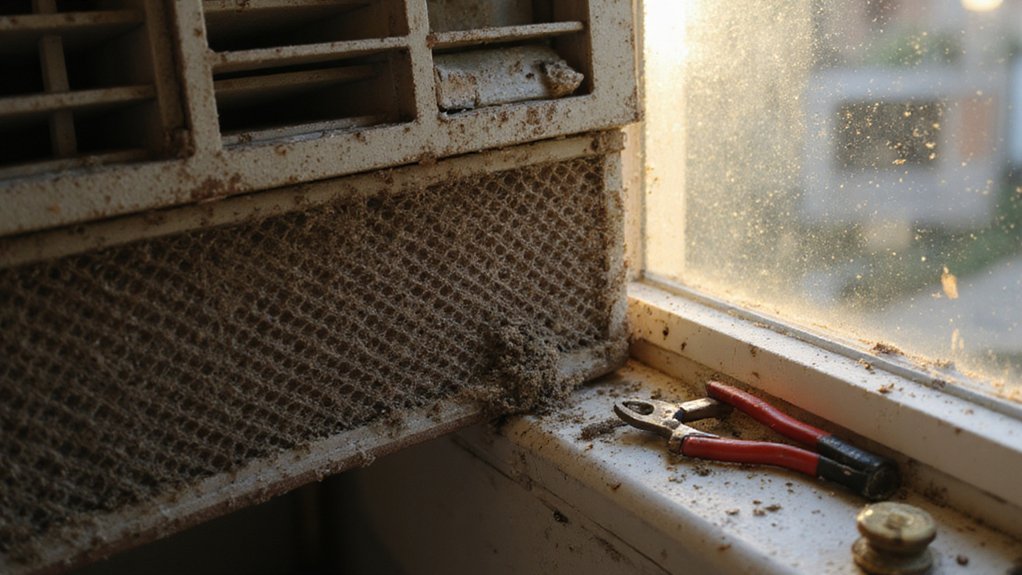
Your air conditioner needs a steady supply of air to cool your home. When airflow becomes restricted, the system may struggle to remove heat from the indoor space.
Blocked filters, closed vents, damaged ducts, and dirty indoor coils can all interfere with airflow.
Restricted airflow can also cause the evaporator coil to become too cold and freeze. When this happens, the system may stop cooling properly, and certain units may shut down to protect their components.
Here are some airflow-related problems worth checking.
Blocked Air Filters
A dirty air filter is one of the most common reasons an AC system struggles to cool a house.
The filter catches dust, pet hair, pollen, and other airborne particles before they enter the equipment. Over time, these materials collect on the filter and make it harder for air to pass through.
When airflow drops, the AC may have difficulty removing heat from your home. The indoor coil can become too cold, sometimes leading to ice formation. Certain systems may also shut down when a safety control detects a problem.
Check your filter regularly, especially during months when the AC runs for several hours each day.
Most standard filters need replacement every one to three months, though the correct schedule depends on the filter type, household conditions, and manufacturer's instructions.
Homes with pets, frequent dust, or several occupants may need more frequent filter changes.
Replacing a dirty filter is a simple maintenance task, but it can make a noticeable difference in how your AC operates.
Ductwork Obstructions
Your home's ductwork carries cooled air from the AC system to different rooms. If the ducts are blocked, damaged, or poorly connected, some areas may not receive enough conditioned air.
Dust buildup, crushed flexible ducts, disconnected sections, and closed dampers can all affect airflow.
You might notice that one bedroom stays warm while the rest of the house feels comfortable. In other situations, the airflow from certain vents may feel much weaker than from others.
Leaking ducts can also allow cooled air to escape into attics, crawl spaces, or wall cavities before reaching the rooms where it's needed.
Check that supply vents and return-air grilles aren't covered by furniture, curtains, or other household items.
If you continue noticing uneven cooling, have an HVAC technician inspect the ductwork for leaks, obstructions, and damaged sections.
Improper Insulation Levels
Insulation doesn't directly control airflow, but it plays a major part in how well your home holds its temperature.
When walls, ceilings, or attic spaces have inadequate insulation, outdoor heat can enter the house more easily. This increases the amount of heat your AC needs to remove.
Poorly sealed doors and windows can make the problem worse by allowing warm air to enter and cooled air to escape.
Thermal bridging is another issue worth understanding. It happens when heat travels through materials such as wooden framing or metal components that conduct heat more readily than the surrounding insulation.
If certain rooms become warm quickly, check for gaps around windows, poorly sealed doors, and areas where insulation may be missing or damaged.
Improving insulation and sealing air leaks can help your home stay cooler for longer. Your AC won't have to work as hard to maintain the temperature you've selected.
How Refrigerant Levels Affect Your AC's Cooling
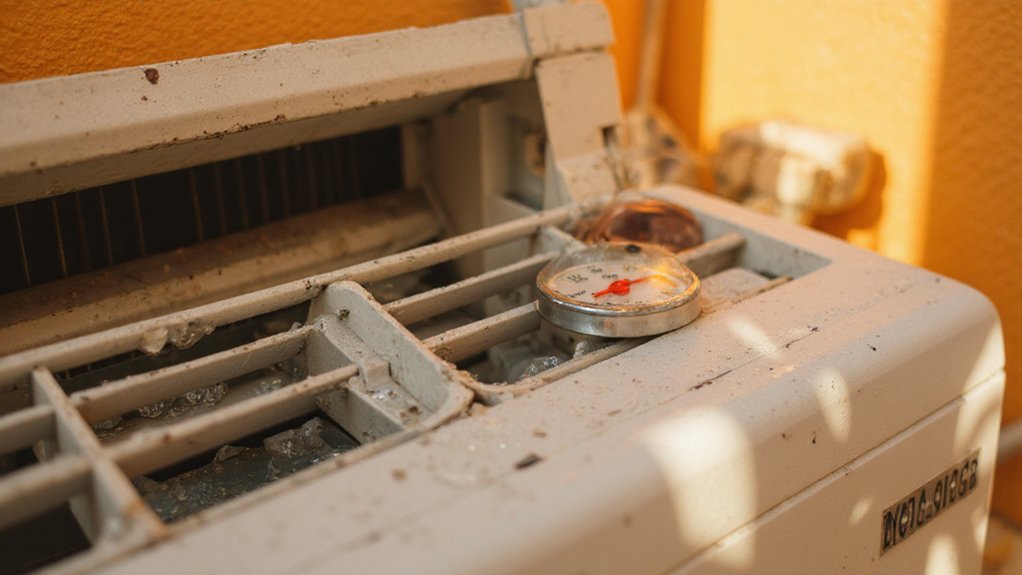
Refrigerant is the substance that carries heat from inside your home to the outdoor unit. Without the correct refrigerant charge, your air conditioner can't remove heat as it should.
An AC system is designed to operate with a specific amount of refrigerant. It doesn't normally consume refrigerant during everyday operation. If the level becomes low, there's usually a leak somewhere in the sealed system.
Low refrigerant can lead to several symptoms:
- Air coming from the vents feels warmer than usual.
- The AC runs for longer periods without cooling the house properly.
- Ice forms on the refrigerant lines or indoor evaporator coil.
- The outdoor unit may struggle to operate normally.
- The system may shut down when a safety control detects abnormal operating conditions.
You might also notice a hissing sound near the refrigerant lines. In some situations, oily residue around connections can indicate a leak.
These signs don't confirm a refrigerant leak on their own. Other AC problems can produce similar symptoms.
If you suspect a refrigerant issue, contact a qualified HVAC technician. They can check the system pressure, locate the leak, repair it, and recharge the system to the manufacturer's specified level.
Simply adding more refrigerant without finding and fixing the leak won't solve the underlying problem.
Avoid handling refrigerant yourself. Working on the refrigerant circuit requires the right equipment and appropriate certification.
The Impact of Dirty Air Filters on AC Efficiency
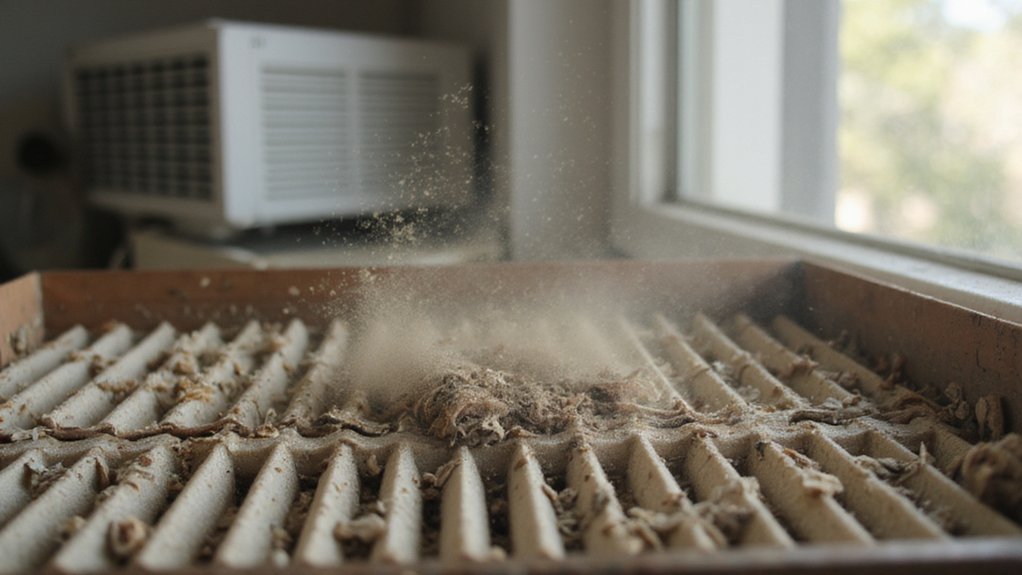
Dirty air filters deserve extra attention because they affect several parts of your air conditioning system.
As dust and debris collect on the filter, less air can pass through. The AC then has to operate under conditions it wasn't designed for.
This can affect cooling, increase electricity use, and put additional strain on certain components.
Reduced Airflow Issues
When the air filter becomes clogged, your AC's blower fan has a harder time moving air through the system.
You may notice weaker airflow from the vents, even when the fan appears to be running normally.
Restricted airflow can also cause the evaporator coil to freeze. Ice on the coil prevents proper heat transfer, making it even harder for your AC to cool the house.
If you notice ice forming, turn off the cooling function and allow the coil to thaw. You can leave the fan running if the manufacturer's instructions allow it.
Don't try to remove the ice with sharp tools or force the unit to keep cooling. Have a technician inspect the system if freezing happens again.
Check the filter every month and replace it when it becomes dirty. Make sure the replacement filter matches the size and filter rating recommended for your unit.
Increased Energy Consumption
A clogged air filter can make your air conditioner consume more electricity than necessary.
When airflow is restricted, the blower may need to work harder to move air through the system. Poor airflow can also affect how the cooling components operate.
You may notice the AC running longer, cooling unevenly, or struggling to reach the thermostat setting.
These problems can contribute to higher electricity bills, especially during the hottest months of the year.
Changing the filter regularly is a simple way to avoid unnecessary strain. It also helps keep dust from collecting inside the equipment.
If your electricity bill has increased and your home isn't cooling as well as before, don't assume the filter is the only cause. A technician may need to check the coils, refrigerant charge, blower motor, and other components.
Insulation's Role in AC Efficiency
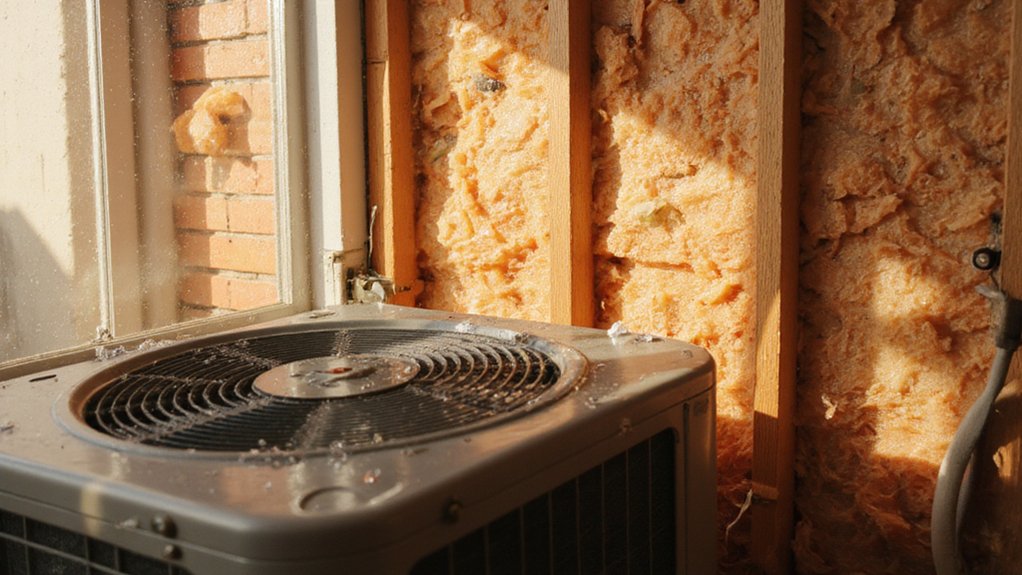
Your air conditioner can only keep your home comfortable if the building itself does a reasonable job of holding in cooled air.
Insulation slows the movement of heat through ceilings, walls, and other parts of the house. Common materials include fiberglass, cellulose, rigid foam, and spray foam.
When insulation is missing, damaged, or poorly installed, heat can enter your home more easily.
This is especially noticeable in rooms directly beneath an uninsulated attic or in areas that receive strong afternoon sunlight.
Air leaks around windows, doors, electrical openings, and roof spaces can create another source of unwanted heat.
You might notice that your AC cools the house in the morning but struggles during the afternoon. If this happens regularly, the building's insulation and air sealing may need attention.
A home energy assessment can help identify areas where heat is entering. An insulation contractor can then recommend suitable materials and repairs.
Keep in mind that insulation problems don't normally cause an AC to shut off by themselves. They increase the home's cooling load, which can make an existing AC problem more noticeable.
Is Your AC Unit Too Small?
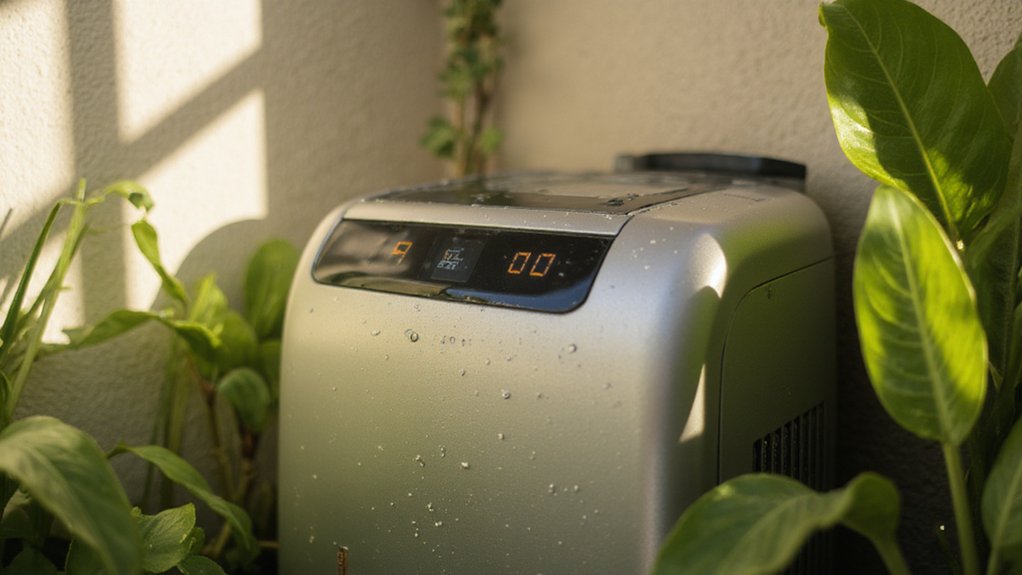
The size of your air conditioner has a direct effect on how well it can cool your home.
If the unit is too small for the space, it may struggle to remove enough heat during hot weather. You might find that the AC runs for long periods but never reaches the temperature shown on the thermostat.
An undersized system doesn't usually shut off early because it has finished cooling. It tends to run longer than expected while the indoor temperature remains higher than your setting.
If your AC repeatedly stops after a short period, another issue may be responsible, such as a thermostat problem or a safety shutdown.
Choosing the right AC size involves more than measuring the home's square footage. A proper cooling load calculation also considers:
- Ceiling height and room layout.
- Number and size of windows.
- Amount of direct sunlight.
- Insulation in walls, ceilings, and floors.
- Air leakage around doors and windows.
- Number of occupants and heat-producing appliances.
An AC that's too large can also create problems. It may cool the air quickly and shut off before removing enough indoor moisture, leaving the house feeling cool but damp.
If you suspect your unit is incorrectly sized, ask an HVAC professional to assess the cooling load before replacing it. If you're considering a different heating and cooling system, professional heat pump installation and service may also be worth discussing with your HVAC technician.
Installing a larger unit without checking the actual requirements may create a different set of problems.
External Factors Affecting Your AC Operation
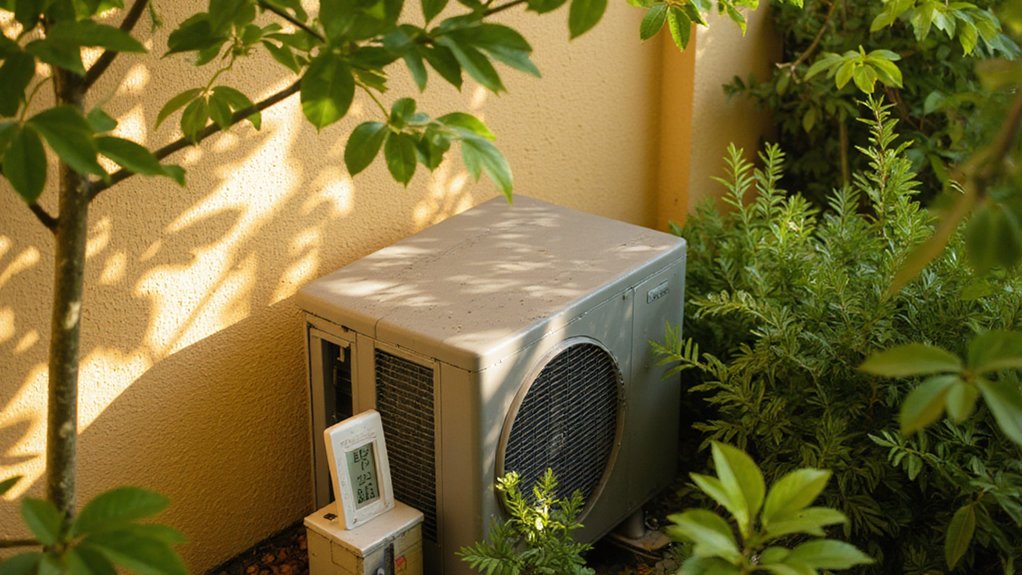
Conditions outside your home can affect how much work your air conditioner needs to do.
During a hot afternoon, your walls, roof, and windows absorb heat. That heat gradually enters the indoor space, increasing the demand on your AC.
High humidity creates another challenge. Your air conditioner has to remove moisture from the air as part of the cooling process. When indoor humidity is high, the home may feel uncomfortable even when the thermostat shows a fairly low temperature.
Direct sunlight can also make certain rooms warmer than others. Bedrooms facing west, for example, may receive strong afternoon sunlight and take longer to cool.
You can reduce some of these effects with a few simple changes:
- Close curtains or blinds during the hottest part of the day.
- Keep doors and windows closed while the AC is running.
- Use ceiling fans to help circulate air.
- Avoid running heat-producing appliances during the hottest hours when possible.
- Check that the outdoor condenser unit has enough open space around it.
- Make sure outdoor coils aren't covered with leaves, dirt, or other debris.
These steps won't fix a mechanical fault, but they can reduce the amount of heat entering your home and help your AC maintain a comfortable temperature.
Maintenance Tips for Improved AC Cooling

Regular AC maintenance can help prevent many of the problems that cause early shutdowns and poor cooling.
You don't need to wait until the system stops working to check its condition. A few simple tasks can help you spot trouble before it develops into a larger repair.
Check the air filter regularly. Inspect it once a month and replace it when it's dirty. Follow the filter manufacturer's replacement instructions.
Keep the outdoor unit clear. Remove leaves, grass, and other debris from around the condenser. Maintain the clearance recommended by the manufacturer so air can move freely through the unit.
Keep indoor vents open and clear. Avoid placing furniture, rugs, or curtains over supply vents and return-air grilles.
Check the thermostat. Make sure it's in cooling mode and that the temperature setting matches your comfort needs. Replace batteries when necessary.
Watch for unusual changes. Pay attention to weak airflow, water leaks, ice formation, strange noises, or repeated shutdowns.
Schedule professional servicing. An HVAC technician can inspect electrical connections, clean the coils, check the blower motor, test system controls, and assess refrigerant levels.
If your AC is older and continues to develop problems, ask a technician whether repair or replacement makes more sense. The decision should take the unit's age, repair history, condition, and expected running costs into account.
Keeping up with these maintenance tasks can help your system cool your home without unnecessary strain.
When to Call a Professional for AC Troubleshooting?
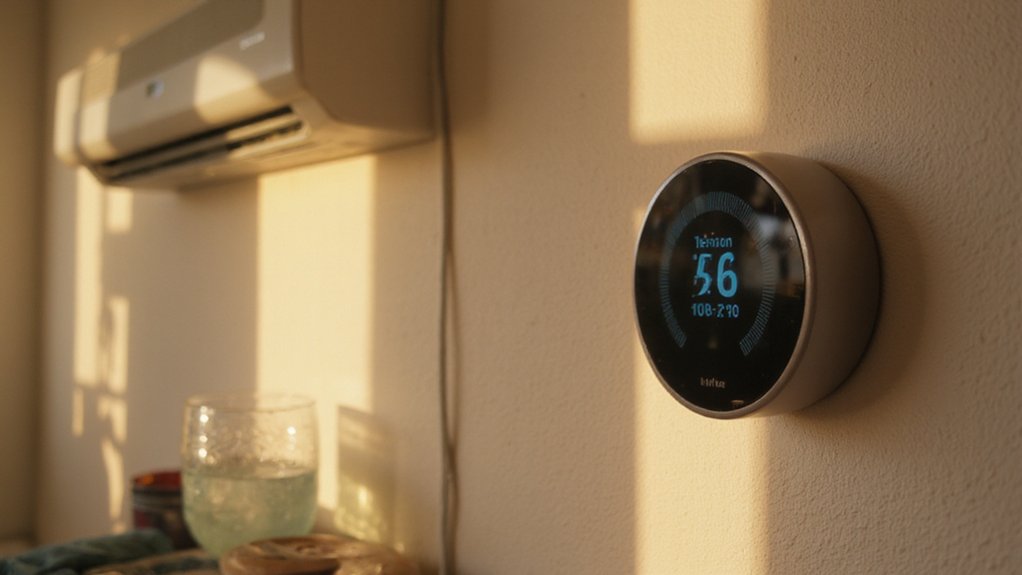
Some AC problems can be addressed with simple checks, such as replacing a dirty filter or correcting a thermostat setting.
But If the system keeps shutting off before your home cools down, it's time to have it inspected. Professional system repairs and maintenance can help identify the cause of recurring cooling problems and prevent further damage..
Watch for these warning signs:
- Repeated short cycling: The AC starts and stops every few minutes without cooling the house properly.
- Warm air from vents: The system runs, but the air coming out doesn't feel cold.
- Ice on the equipment: Frost or ice appears on the indoor coil or refrigerant lines.
- Unusual sounds: Buzzing, grinding, clicking, or rattling continues during operation.
- Water around the unit: Leaks or overflowing drain pans may indicate a blocked condensate line or another fault.
- Electrical problems: The circuit breaker trips repeatedly or the unit fails to start.
- Uneven cooling: Certain rooms remain warm even when the rest of the house feels comfortable.
Repeated shutdowns can sometimes point to an overheating motor, faulty capacitor, electrical issue, frozen evaporator coil, or refrigerant problem.
A qualified HVAC technician can test the system and identify what's causing the interruption.
Avoid repeatedly resetting a tripped breaker or opening electrical panels yourself. If the breaker trips again, leave the system off and arrange a professional inspection.
Getting the problem checked early can help prevent further damage and reduce the chance of being left without cooling during hot weather.
Frequently Asked Questions
Can Outdoor Temperatures Influence How My AC Cools the House?
Yes. High outdoor temperatures increase the amount of heat entering your home, which means your AC has more work to do.
Humidity can also affect comfort because the system needs to remove moisture from the indoor air. If the unit is struggling during hot weather, check the air filter, outdoor condenser, and thermostat settings.
If cooling remains poor, arrange an inspection to rule out mechanical problems.
Is It Normal for My AC to Run Intermittently?
Yes. Air conditioners are designed to turn on and off as the indoor temperature changes.
The system runs until the thermostat reaches the selected temperature, then stops the cooling cycle. It starts again when the room warms up.
What isn't normal is repeated short cycling, especially when the house still feels warm. This can point to thermostat problems, restricted airflow, an incorrectly sized unit, or a faulty component.
How Long Should My AC Run Before Shutting Off?
A typical residential AC cooling cycle may last around 15 to 30 minutes, although the actual duration depends on outdoor temperatures, humidity, insulation, thermostat settings, and system size.
During particularly hot weather, the AC may run for longer periods.
If your unit switches off after only a few minutes and starts again shortly afterward, it may be short cycling. Have a technician check the system if this happens regularly.
What Are Signs of an Overworked AC Unit?
An overworked air conditioner may produce weak airflow, take longer to cool the house, or run for extended periods without reaching the thermostat setting.
You might also notice higher electricity bills, unusual noises, ice on the indoor coil, or frequent shutdowns.
These symptoms can have several causes, so a proper inspection is needed to identify the problem.
Can Closing Vents in Unused Rooms Affect Cooling Efficiency?
Yes. Closing several supply vents can change the air pressure inside your ductwork and interfere with the airflow your system was designed to handle.
This may place extra strain on the blower and create uneven temperatures throughout the house.
If you want to reduce cooling in unused rooms, speak with an HVAC professional about suitable zoning or airflow controls rather than closing multiple vents.
Conclusion
If your AC shuts off before your house gets cool, the problem could be related to the thermostat, restricted airflow, dirty filters, refrigerant leaks, or an issue with the equipment itself.
Start with simple checks. Inspect the air filter, confirm your thermostat settings, and make sure the vents aren't blocked. Pay attention to unusual sounds, ice formation, and repeated shutdowns.
If the problem continues, have a qualified HVAC technician inspect the system. They can find out why the AC is stopping early and recommend the right repair.
Regular maintenance and prompt attention to warning signs can help your air conditioner keep your home comfortable, even during the hottest months of the year.

other blog posts
Which Type of Air Conditioner Is Best for My Home?
What Should I Do If My HVAC System Stops Working Suddenly?
Spring HVAC Maintenance Tips: DIY Care for a Cool & Comfortable Home with Climatec Mechanical
Ready to Enhance Your Comfort
Contact us today to schedule your service, learn about energy-saving rebates, and feel comfortable in your home all year round.

