
 CALL US

related posts
Can a Heat Pump Be Installed in a Home Without Existing Ductwork?
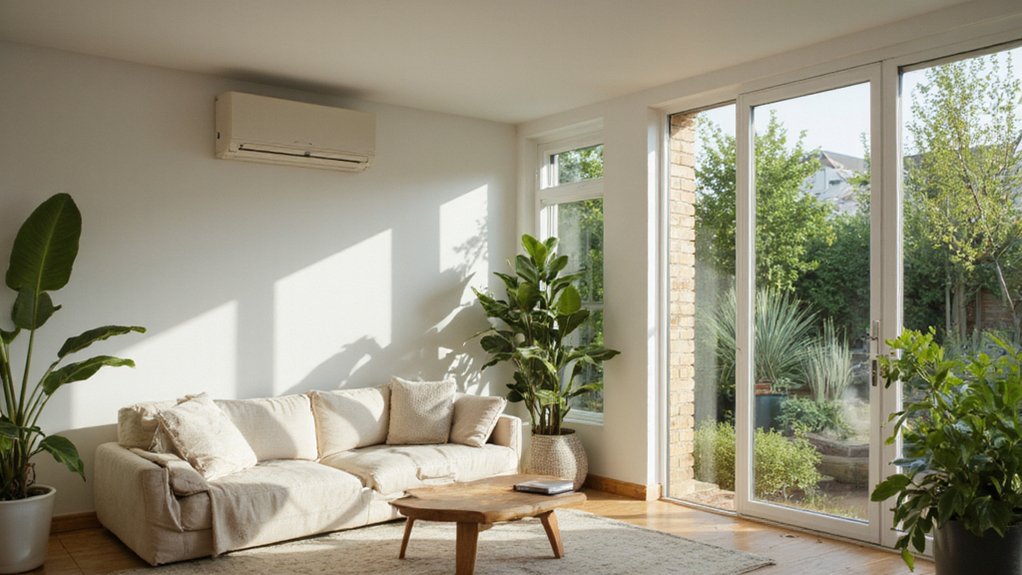
If your home doesn't have existing ductwork, you can still enjoy the benefits of a heat pump. Ductless heat pump systems are designed to provide heating and cooling without requiring an extensive network of air ducts. They work by connecting an outdoor unit to one or more indoor units, allowing you to control the temperature in different areas of your home.
This makes them a practical option for older houses, home additions, converted garages, and properties that were never built with central heating or cooling.
Before choosing a system, it's worth understanding how ductless heat pumps work, what installation involves, and how much you might need to spend. The size of your home, insulation, room layout, and local climate can all affect which system will work best.
Let's look at what you should know before installing a ductless heat pump.
Key Takeaways
- Ductless heat pumps are designed for homes without existing ductwork, providing both heating and cooling without major structural changes.
- These systems include an outdoor compressor and one or more indoor air-handling units.
- Most installations require only small openings through exterior walls, reducing disruption inside the home.
- Individual indoor units allow you to adjust temperatures in different rooms or living areas.
- Inverter technology adjusts heating and cooling output to match the temperature needs of your home.
- Installation costs depend on the number of indoor units, equipment size, electrical requirements, and installation complexity.
- Regular filter cleaning and professional maintenance help keep the system working properly.
Why Ductless Homes Should Consider Heat Pumps

Living in a home without ductwork doesn't mean you have to rely on window air conditioners, portable heaters, or separate heating and cooling equipment. A ductless heat pump offers another option by providing temperature control without installing air ducts throughout the property.
One of the main reasons homeowners consider these systems is their ability to heat and cool the same space. During warmer months, the system removes heat from inside your home and transfers it outdoors. When temperatures drop, it reverses the process and brings heat indoors.
This makes a ductless heat pump useful throughout the year.
Energy use is another reason to consider this type of equipment. Many ductless models feature inverter technology, which allows the compressor to adjust its output according to the heating or cooling demand. Rather than constantly switching between full power and shutting off, the system can run at different speeds to maintain the desired temperature.
That can help reduce unnecessary energy use and keep indoor temperatures more consistent.
Ductless heat pumps also avoid the energy losses that can occur through poorly sealed or insulated ductwork. Since conditioned air travels directly from the indoor unit into the room, there's no need to move heated or cooled air through long duct runs.
Noise is another consideration. Indoor units are generally designed to operate quietly, making them suitable for bedrooms, living rooms, and other areas where excessive background noise can be distracting.
For homeowners who want heating and cooling without major renovations, a ductless heat pump is worth considering.
What Is a Ductless Heat Pump System?
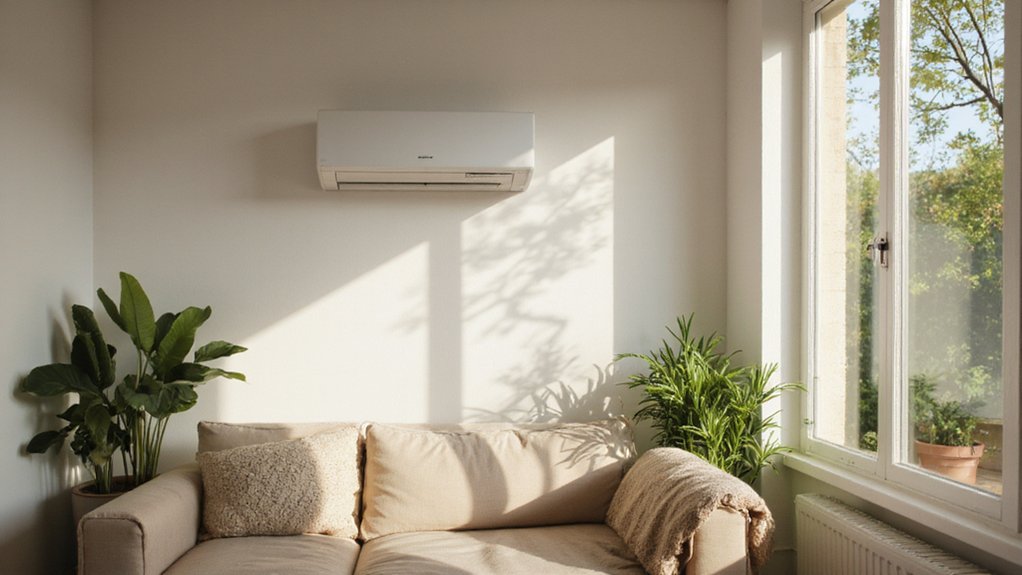
A ductless heat pump, sometimes called a mini-split heat pump, is a heating and cooling system that doesn't depend on traditional air ducts. Instead, it uses an outdoor unit connected to one or more indoor air-handling units.
Each part has a specific role.
The outdoor unit contains the compressor and other components responsible for transferring heat between your home and the outside air. The indoor units distribute heated or cooled air directly into the rooms where they're installed.
Refrigerant lines connect the indoor and outdoor equipment. These lines carry refrigerant between the units, allowing the system to transfer heat as needed.
A small opening through an exterior wall is usually enough to accommodate the refrigerant lines, electrical wiring, and drainage connection. This means installers don't need to build a large duct network or make extensive changes to ceilings and walls.
Single-Zone and Multi-Zone Systems
Ductless heat pumps come in different configurations, depending on how much of your home you want to heat and cool.
A single-zone system connects one indoor unit to one outdoor unit. It's often suitable for a single room, an open-plan living area, a garage conversion, or a home addition.
A multi-zone system connects several indoor units to one outdoor unit. Each indoor unit can serve a separate room or living area, giving you more control over temperatures throughout the property.
For example, you might install one unit in the living room, another in the main bedroom, and a third in a home office.
The right arrangement depends on your floor plan, room sizes, insulation, and heating and cooling requirements.
One advantage of ductless equipment is that you can often add indoor units as your needs change, provided the outdoor unit has enough capacity and supports the additional connections.
Essential Factors for Selecting a Ductless Heat Pump System
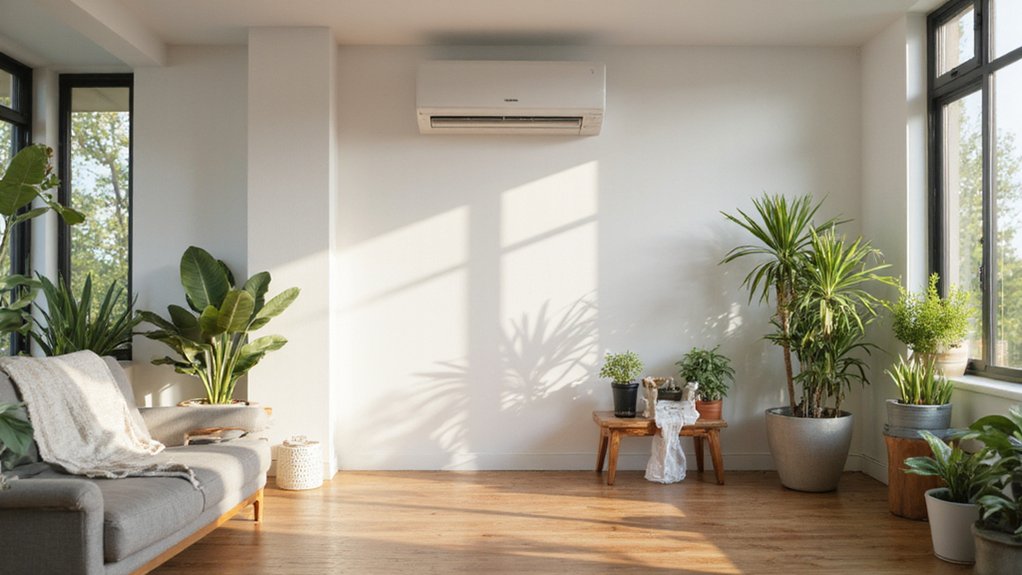
Choosing a ductless heat pump involves more than picking a unit that looks suitable for your home. The equipment needs to match your property's heating and cooling requirements.
Several factors deserve attention before making a decision.
1. Check the Energy Efficiency Ratings
Different heat pump models have different energy performance ratings. Looking at these figures can help you compare how much energy a system may use.
For cooling, check the Seasonal Energy Efficiency Ratio 2 (SEER2). For heating, look at the Heating Seasonal Performance Factor 2 (HSPF2).
Higher ratings generally indicate better energy performance under the relevant testing conditions. You should also check the equipment's performance at different outdoor temperatures, especially if your area experiences very cold winters.
A model that performs well in mild weather may not provide the same heating output when outdoor temperatures fall.
2. Choose the Right System Capacity
The heating and cooling capacity of a heat pump needs to match the space it will serve.
A unit that's too small may struggle to maintain comfortable temperatures during very hot or cold weather. An oversized unit may cycle more frequently than necessary, which can affect comfort and energy use.
Installers should assess factors such as:
- Total room area and ceiling height.
- Number and size of windows.
- Wall and roof insulation.
- Air leakage around doors and windows.
- Sun exposure and room orientation.
- Local outdoor temperatures.
- The number of people regularly using the space.
A professional load calculation is a better way to determine the required capacity than choosing equipment based only on square footage.
3. Consider Indoor Unit Placement
The position of each indoor unit affects how well heated or cooled air reaches the room.
Wall-mounted units are common because they're relatively easy to install and can distribute air across an open area. Other options include floor-mounted and ceiling-mounted units, depending on the home's layout and the equipment available.
Avoid placing an indoor unit where furniture, curtains, or other objects will block airflow.
Think about where you spend the most time, too. A unit positioned correctly in a living room may provide better comfort than one installed in an awkward corner.
4. Pay Attention to Noise Levels
Both indoor and outdoor units produce some operating noise. Check the manufacturer's published sound ratings before choosing a model.
If you're installing a unit in a bedroom, quieter indoor operation may be a priority. Outdoor placement also deserves attention, especially if the equipment will sit close to a bedroom window, patio, or neighboring property.
A suitable installation location can help prevent unnecessary noise disturbances.
5. Review Warranty and Maintenance Requirements
Before purchasing a heat pump, check the manufacturer's warranty coverage for the compressor, indoor units, and other components.
Ask about routine servicing, filter cleaning, and access to replacement parts. These details can affect the cost of owning the system over time.
It's also worth checking whether the warranty requires installation by a qualified contractor.
Taking time to compare these factors can help you choose equipment that suits your home and your budget.
Installing a Ductless Heat Pump and Cost Considerations
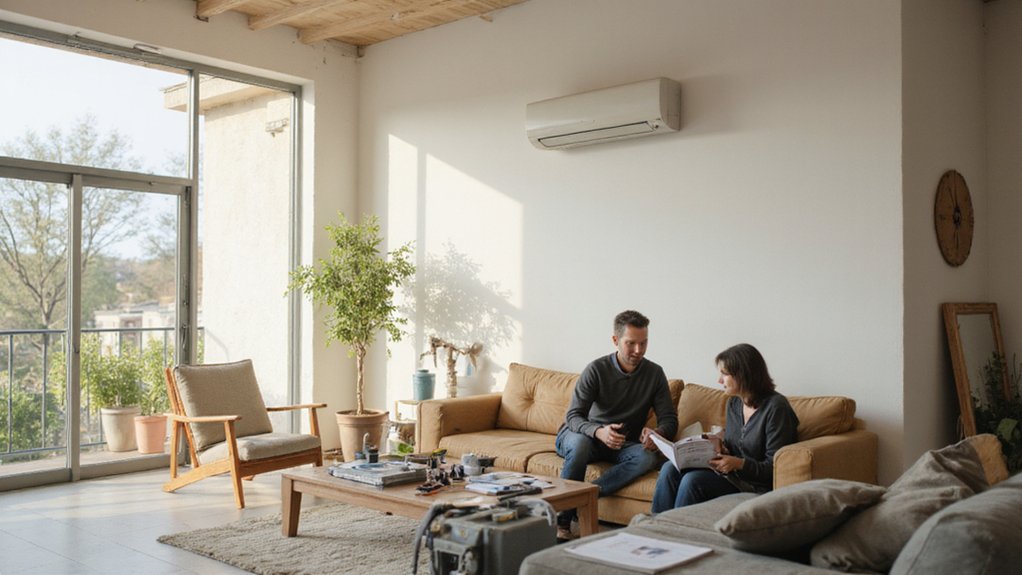
Installing a ductless heat pump is usually less disruptive than adding a complete duct network. Since the system doesn't need large air ducts, installers can often complete the work with relatively minor changes to your home.
Many straightforward installations can be completed in a single day. Larger multi-zone projects may take longer, especially when additional electrical work or more complicated mounting arrangements are needed.
What Happens During Installation?
The installation process starts with an assessment of your home. The contractor checks the room layout, available wall space, electrical supply, and suitable locations for the indoor and outdoor equipment.
Once the positions have been selected, the indoor units are mounted and a small opening is made through the exterior wall. This opening allows the refrigerant lines, wiring, and condensate drain to connect the indoor and outdoor equipment.
The outdoor unit is then installed on a suitable mounting base or bracket.
After connecting the equipment, the installer checks the refrigerant circuit, electrical connections, drainage, and operating settings. The system should be tested in both heating and cooling modes before the job is considered complete.
How Much Does Installation Cost?
Installation prices can vary depending on the type of equipment and the amount of work involved.
A typical installation may range from $3,000 to $5,000, depending on the system size and complexity. This is a general estimate rather than a fixed price. Actual costs can vary by location, contractor, equipment brand, and the number of indoor units.
Several factors can affect the final quote:
- Number of indoor units: A single-zone installation will usually cost less than a multi-zone arrangement.
- Equipment capacity: Larger systems may require more expensive equipment.
- Electrical work: Your home may need electrical upgrades or a dedicated circuit.
- Installation location: Difficult-to-reach areas or complicated wall arrangements can increase labor costs.
- Mounting requirements: Outdoor units may need special brackets or mounting bases.
- Additional materials: Longer refrigerant lines and drainage arrangements can add to the total.
It's worth requesting a detailed quote that separates equipment, labor, electrical work, and any additional charges.
Understanding Long-Term Running Costs
The purchase and installation price is only part of the expense. You'll also need to consider how much electricity the heat pump will use.
Running costs depend on your local electricity rates, outdoor temperatures, thermostat settings, insulation, and how frequently you operate the equipment.
A correctly sized system installed in a well-insulated home can help control energy use. Regular filter cleaning and scheduled servicing also help prevent avoidable performance problems.
When comparing quotes, look beyond the initial price. Consider the equipment's energy ratings, warranty coverage, and expected maintenance requirements.
How to Fix Common Ductless Heat Pump Issues?
Ductless heat pumps are designed for regular heating and cooling, but occasional problems can still affect their performance. Some issues have simple causes that homeowners can check themselves. Others require attention from a qualified technician.
Knowing what to look for can help you decide when a quick check is enough and when professional service is needed.
Dirty or Blocked Air Filters
Dirty filters are one of the common reasons a ductless heat pump may struggle to move air.
Dust and debris collect on the filters over time. When airflow becomes restricted, the system may take longer to heat or cool a room.
Check the indoor unit's filters according to the manufacturer's instructions. Remove and clean them as directed, making sure they're completely dry before putting them back.
How frequently filters need cleaning depends on usage, household dust, and pets.
Poor Heating or Cooling Performance
If the room isn't reaching the temperature you've selected, start by checking the thermostat settings and operating mode.
Make sure the unit is set to heating or cooling as needed. Check that doors and windows are closed and that furniture isn't blocking the indoor unit.
You should also inspect the outdoor unit for leaves, dirt, and other obstructions. Keep the area around it clear so air can move freely.
If the problem continues, a technician may need to check refrigerant levels, sensors, electrical connections, or other components.
Unusual Operating Noises
A ductless heat pump will make some noise during normal operation. But new rattling, grinding, buzzing, or persistent vibration shouldn't be ignored.
Loose covers, debris, or components that have shifted can sometimes cause unusual sounds.
Switch off the equipment if you notice loud or unusual noises, particularly if they occur alongside a burning smell or electrical symptoms. Arrange a professional inspection rather than attempting to open or repair the equipment yourself.
Water Leaking From the Indoor Unit
Water dripping from an indoor unit may indicate a blocked condensate drain or a drainage problem.
The system removes moisture from indoor air during cooling. That moisture needs to drain away through the condensate line.
If the drain becomes blocked or isn't positioned correctly, water may collect inside the unit and leak into the room.
Turn off the system if water is leaking near electrical components. Contact a technician to inspect the drainage arrangement and correct the problem.
Refrigerant Problems
Refrigerant is essential to the heat transfer process. A leak can reduce heating and cooling performance and may cause other operating problems.
Warning signs can include poor temperature control, ice forming on components, or unusual changes in system operation.
Refrigerant handling requires the right tools and training. If you suspect a leak, contact a qualified heat pump technician rather than attempting to repair the lines yourself.
Routine maintenance, timely filter cleaning, and professional inspections can help keep your ductless heat pump working throughout the year.
Frequently Asked Questions
How Energy-Efficient Are Ductless Heat Pumps Compared to Traditional Systems?
Ductless heat pumps can use less energy than some traditional heating and cooling arrangements. One reason is that they don't lose conditioned air through ductwork.
Their inverter technology also allows the compressor to adjust its output according to heating and cooling demand.
Actual energy savings depend on the equipment, home insulation, local climate, electricity rates, and how the system is used.
What Is the Lifespan of a Ductless Heat Pump?
A ductless heat pump typically lasts around 15 to 20 years with proper maintenance.
Regular filter cleaning, keeping the outdoor unit clear, and scheduling professional inspections can help maintain its performance.
The lifespan also depends on installation quality, operating conditions, and how frequently the equipment is used.
Can Ductless Heat Pumps Provide Both Heating and Cooling?
Yes. Ductless heat pumps can provide heating and cooling using the same equipment.
During summer, they move heat from indoors to the outside. During colder weather, they reverse the process and transfer heat from outdoor air into your home.
This makes them suitable for year-round temperature control without installing separate heating and cooling equipment.
Are There Any Rebates or Incentives for Installing Ductless Heat Pumps?
Rebates and financial incentives may be available for homeowners installing qualifying heat pump equipment.
The programs offered depend on your location, equipment specifications, and local energy policies. Some incentives may require particular energy ratings or installation by an approved contractor.
Check with your local utility provider and government energy programs before purchasing a system. It's worth confirming eligibility before installation, as requirements can vary.
How Noisy Are Ductless Heat Pump Systems During Operation?
Ductless heat pumps generally operate quietly, especially when compared with some older heating and cooling equipment.
Indoor units are designed for use in occupied spaces, including bedrooms and living rooms. Outdoor units produce more operating noise, so their placement matters.
Check the manufacturer's sound ratings and discuss suitable mounting locations with your installer.
Conclusion
A heat pump can be installed in a home without existing ductwork, and a ductless system is one way to do it. These systems provide heating and cooling without the need to install traditional air ducts, making them suitable for older homes, additions, and properties with limited space for major HVAC changes.
Before choosing a unit, consider your home's size, insulation, room layout, and local climate. The right equipment capacity and indoor unit placement can make a real difference to everyday comfort.
Installation costs also deserve attention. Get a detailed quote, compare equipment ratings, and check warranty requirements before making a purchase.
With proper installation and regular maintenance, a ductless heat pump can provide year-round temperature control while avoiding the expense and disruption of adding ductwork.

other blog posts
What Should I Do If My HVAC System Stops Working Suddenly?
Why Is My Heating System Making Strange Noises?
What Are the Warning Signs of a Failing Heating System?
Ready to Enhance Your Comfort
Contact us today to schedule your service, learn about energy-saving rebates, and feel comfortable in your home all year round.

