 CALL US

related posts
Is It Safe to Run an HVAC System That Needs Repair?
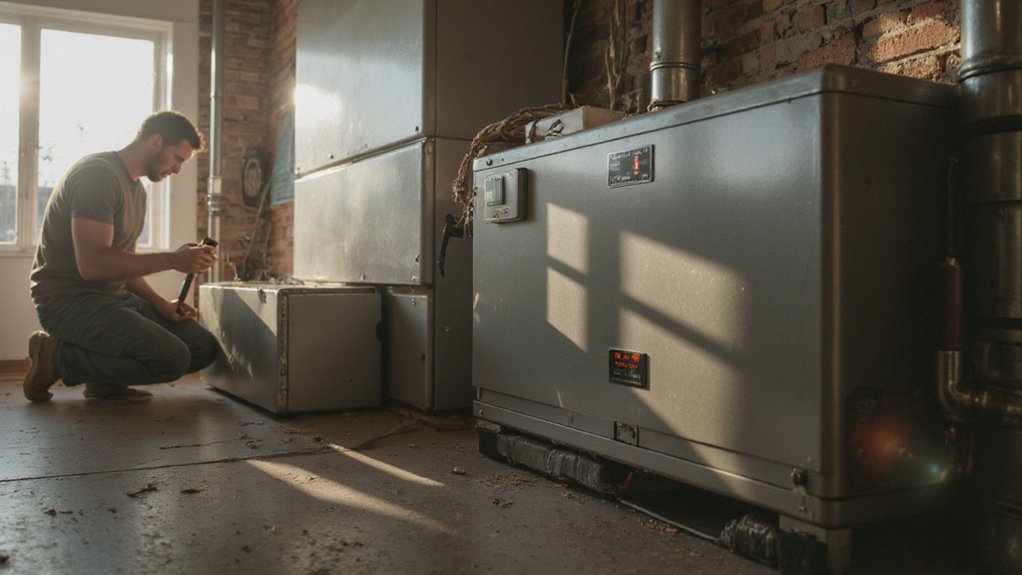
Running an HVAC system that needs repair can be more than an inconvenience. Depending on the problem, continuing to use it may affect your comfort, indoor air quality, energy bills, and even the safety of your home. A system that is struggling to cool or heat properly may also be working harder than it should.
So, how do you know when it's okay to keep using your HVAC system and when you should shut it down? The warning signs can help you make that call.
Key Takeaways
- A faulty HVAC system can use more energy and push up your utility bills.
- Dust, mold, and allergens may affect indoor air quality when a system isn't working properly.
- People with allergies or respiratory problems may be more affected by poor indoor air conditions.
- Continuing to run a damaged system can lead to a larger breakdown and more expensive repairs.
- Regular maintenance and timely repairs can help reduce safety concerns and unexpected costs.
Key Signs Indicating Your HVAC Needs Repair

Your HVAC system usually gives you clues when something isn't right. One of the easiest things to notice is a change in performance. Uneven temperatures, weak airflow, or rooms that never seem to reach the temperature you set can all point to a problem.
Heating issues can show up in similar ways. If the system isn't producing enough heat, takes much longer than usual to warm the house, or starts making strange noises, it may need attention.
Pay attention to unusual smells, too. A burning or musty odor can have different causes, and some may need prompt attention. You should also take frequent cycling seriously. When an HVAC system keeps turning on and off, it may be struggling to maintain the temperature.
An unexplained increase in your energy bill can be another clue. If your usage habits haven't changed but your HVAC costs have gone up, the system may be working harder than it should.
Routine maintenance can catch some problems early. Once you notice several of these signs, getting the system checked can help prevent a small issue from becoming a larger one.
Risks of Running a Faulty HVAC System

A faulty HVAC system can create problems that go beyond an uncomfortable room. One common concern is higher energy use. When a system isn't operating properly, it may run longer or work harder to reach the temperature you want. That can show up on your utility bill.
Indoor air quality can also suffer. A system that isn't working properly may circulate dust, allergens, and other particles through your home. If moisture or mold is present, the situation may be even more concerning. People with allergies or respiratory problems can be more sensitive to poor indoor air conditions.
There's also the possibility of making the original problem worse. A component that is already struggling may fail completely if the system continues to run. What started as a repair could then turn into a much larger repair or even a replacement.
If your HVAC system is showing clear signs of damage, it's better to have the problem assessed rather than continuing to run it without knowing what's wrong.
Evaluating HVAC: Performance and Safety Checks

A few simple checks can help you spot changes in how your HVAC system is operating. Start with the airflow. Weak airflow from vents can point to a dirty filter, duct issue, or another problem that needs attention.
Check the air filter regularly and replace or clean it as recommended for your system. A dirty filter can restrict airflow and make the equipment work harder.
Listen to the system while it's running. New rattling, banging, grinding, buzzing, or other unusual sounds shouldn't be ignored. The same goes for unexpected vibrations or changes in how the unit starts and stops.
It's also worth checking visible ductwork for obvious damage or leaks. Duct problems can affect how conditioned air moves through the home and may make the system work harder.
These checks don't replace a professional inspection. They simply help you notice changes early and decide when it's time to have the system looked at.
Knowing When to Call for HVAC Repair Help

Some HVAC problems are best handled sooner rather than later. Inconsistent temperatures, weak airflow, unusual sounds, and strange odors are all good reasons to schedule HVAC repair.
A system that's older or has a history of breakdowns may also need more frequent professional attention. Regular inspections can help identify worn or failing components before they cause a bigger problem.
Don't wait for the system to stop working completely if it's already showing warning signs. A sudden breakdown can leave you without heating or cooling when you need it most.
If your energy bill has increased without a clear reason, that's another reason to look into the system. The increase may have nothing to do with the HVAC, but checking the equipment can help rule out a performance problem.
If you notice a burning smell, smoke, sparks, signs of an electrical problem, or a gas smell from a fuel-burning system, turn the system off and seek professional help rather than continuing to operate it.
Easy Tips for Keeping Your HVAC Safe and Efficient
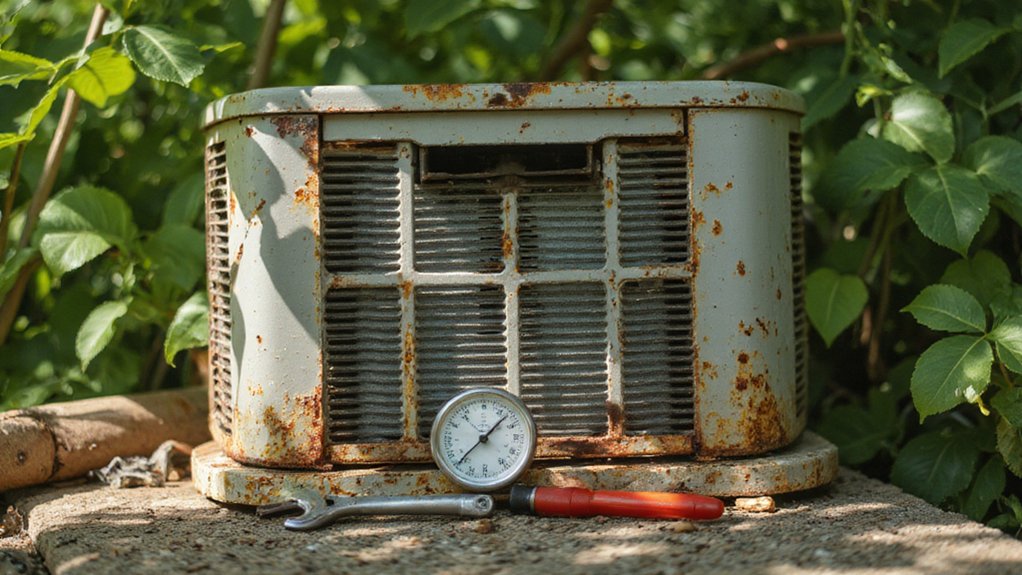
Regular maintenance can help keep an HVAC system running properly and may help you catch problems before they become more serious.
Start with the air filter. Depending on the filter and your home, it may need to be changed or cleaned every one to three months. A home with pets, allergies, or heavier dust may require more frequent attention.
Keep the area around the outdoor unit clear of leaves, grass, and other debris. Good airflow around the unit helps it operate as intended.
It's also worth having the system professionally inspected on a regular schedule. An inspection can uncover problems that aren't obvious during normal use.
Check visible ductwork for damage and make sure vents aren't blocked by furniture or other objects. Your thermostat settings matter, too. Avoid extreme settings that force the system to run harder for long periods.
Small maintenance tasks won't prevent every HVAC problem, but they can help reduce unnecessary strain and give you a better chance of spotting trouble early.
Frequently Asked Questions
Can Running a Faulty HVAC Increase My Energy Bills Significantly?
Yes. A faulty HVAC system may consume more energy when it's struggling to maintain the temperature you set. If your energy bill suddenly increases without a change in your normal usage, it's worth checking whether the HVAC system is running longer or working harder than usual.
How Can I Temporarily Cool My Home Without HVAC?
Portable fans can help move air around the home and make rooms feel more comfortable. Depending on your climate, an evaporative cooler may also help. Keep windows and doors closed when outdoor air is hotter than the indoor air, and use ventilation when outdoor conditions allow it.
What Are Common HVAC Repair Costs I Should Expect?
Repair costs vary depending on the type of HVAC system, the part that needs attention, and the extent of the problem. Common issues can include refrigerant leaks, electrical problems, worn components, and faulty thermostats. The original draft gives a typical range of $150 to $1,500, but actual costs can vary.
Does Regular Maintenance Prevent the Need for Repairs?
Regular maintenance can reduce the chance of some problems, but it can't prevent every repair. Filters, moving parts, electrical components, and other parts can still wear out over time. Routine service can help identify some issues before they turn into larger problems.
How Long Can I Run an HVAC System Needing Repairs?
There's no single safe time limit. It depends on what's wrong with the system. A minor performance issue may not require an immediate shutdown, while electrical problems, burning smells, smoke, gas odors, or other serious warning signs call for immediate attention.
If you're unsure what's causing the problem, an HVAC contractor can inspect the system and help determine whether it is safe to keep running.
Conclusion
Running an HVAC system that needs repair isn't always harmless. A system that's losing performance can use more energy, affect indoor air quality, and potentially develop a more serious problem if it continues to operate.
Pay attention to changes in airflow, temperature, sounds, smells, and energy use. Regular filter changes and maintenance can also help you spot problems earlier.
When the system shows signs of a serious fault, don't keep running it just to avoid a repair. Having the problem checked can help protect your home, your comfort, and your HVAC equipment.

other blog posts
What Is the Difference Between Ducted and Ductless Heat Pumps?
Climatec Mechanicals Ultimate Christmas Checklist: 18 Tasks to get your home Ready For The Holidays
How to Save Money on Your Energy Bills with HVAC Maintenance
Ready to Enhance Your Comfort
Contact us today to schedule your service, learn about energy-saving rebates, and feel comfortable in your home all year round.

