 CALL US

related posts
What HVAC Upgrades Add the Most Value to a Home?
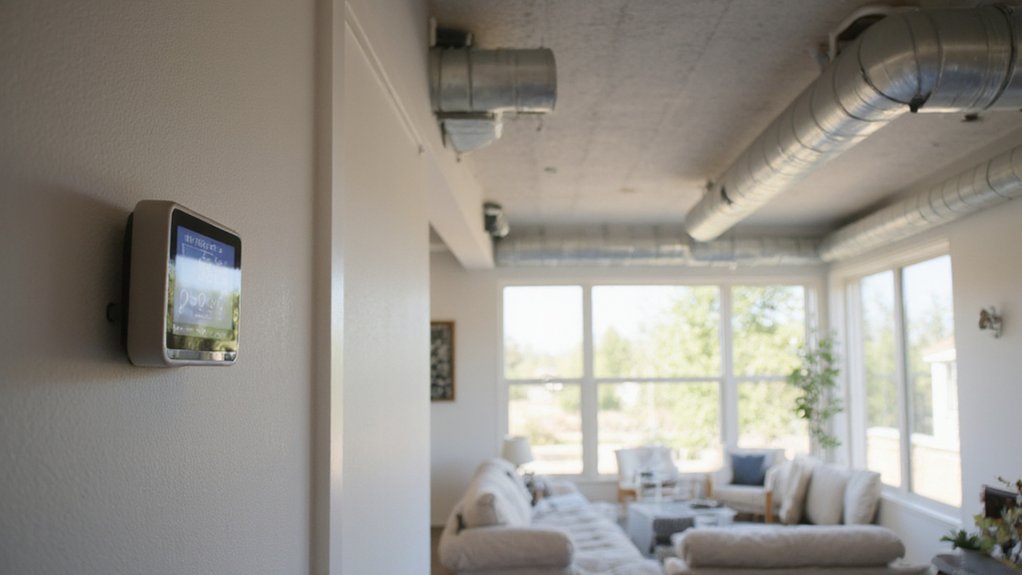
When you're planning HVAC upgrades, it's worth looking beyond comfort alone. The right improvements can make your home more appealing to buyers, lower energy bills, and make everyday temperature control easier.
Energy-efficient equipment, smart controls, better air filtration, and zoning can all add value, but some upgrades make more sense than others depending on your home and local market.
Knowing where to spend your money can help you avoid paying for features that won't make much difference when it's time to sell.
Key Takeaways
- Heat pumps can provide heating and cooling while helping reduce energy use.
- Zoning systems give different areas of the home more control over temperature.
- Smart thermostats can adjust heating and cooling based on schedules and usage.
- Better HVAC filtration can help improve indoor air quality and reduce airborne particles.
- Regular maintenance helps keep the system running well and protects the condition of the equipment.
- Energy-efficient HVAC equipment can make a home more appealing to buyers who are looking at long-term ownership costs.
Why HVAC Upgrades Matter for Home Value
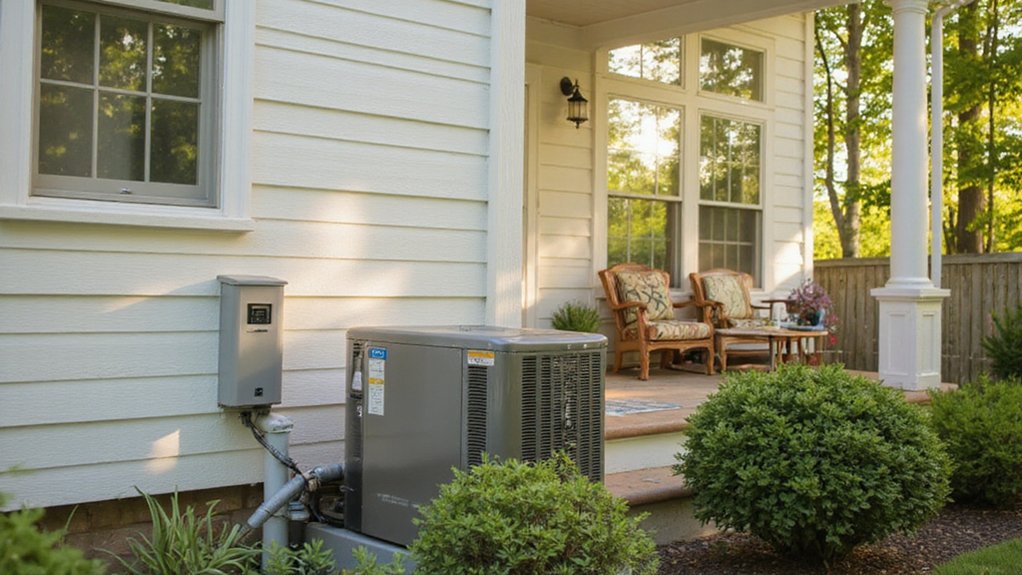
A home's HVAC system can have a noticeable effect on how buyers view the property. Heating and cooling are basic parts of everyday comfort, so buyers tend to pay attention when the equipment is old, poorly maintained, or close to the end of its service life.
An updated system can give buyers one less major expense to worry about after moving in. Newer equipment may also use less energy than an older system, which can help reduce monthly utility costs.
Energy performance has become a bigger consideration for homeowners as heating and cooling costs rise. A home with modern HVAC equipment can be more attractive to buyers who want predictable operating costs and comfortable indoor temperatures.
The condition of the system matters, too. Even a newer HVAC unit can lose some of its appeal if it has not been maintained properly. Keeping service records, replacing filters when needed, and addressing small problems before they become larger repairs can all help when you're preparing a home for sale.
Top HVAC Upgrades to Increase Your Home's Value
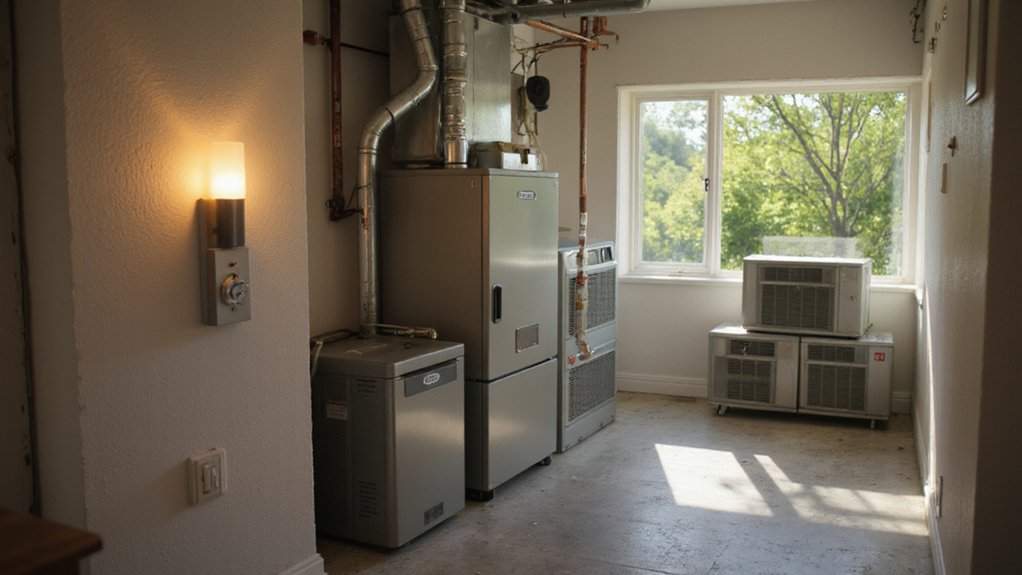
Not every HVAC upgrade adds the same amount of value to a home. The best choice depends on the age of your current system, the size and layout of the property, local weather, and what buyers in your area tend to look for.
Heat pump installation is one option worth considering when you're replacing an older HVAC system. Heat pumps can provide both heating and cooling from one system, which makes them useful in homes where year-round temperature control is needed. Depending on the existing equipment and local energy prices, a heat pump may also help lower operating costs.
Zoning is another upgrade that can make a noticeable difference. Instead of heating or cooling the entire house to the same temperature, a zoning system lets you manage different areas separately. This can be useful in larger homes, houses with multiple floors, or properties where certain rooms are used more often than others.
Smart thermostats are a simpler upgrade. They can provide scheduled temperature changes, remote control, and usage information through a connected device. While a thermostat alone won't replace an aging HVAC system, it can make an existing system easier to manage.
Energy-Efficient HVAC Systems: Are They Worth the Cost?
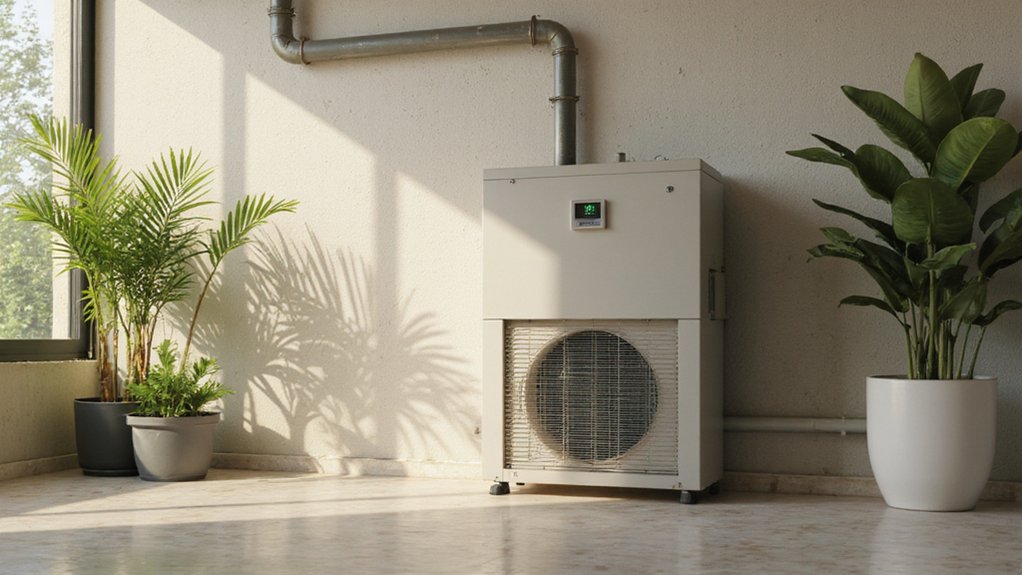
An energy-efficient HVAC system can cost more upfront than a standard replacement, so it's natural to wonder whether the added expense is worthwhile.
One of the biggest factors is your current system. If your existing equipment is old, inefficient, or needs frequent repairs, replacing it with newer equipment may reduce energy use and repair costs.
The savings won't be the same for every home. Climate, equipment size, insulation, duct condition, thermostat settings, and household habits all affect energy use. That's why it's better to look at your home's actual heating and cooling needs rather than assuming a more expensive system will always deliver better financial results.
Local rebates and incentives may also reduce the initial cost of certain HVAC upgrades. Availability varies by location and equipment type, so check current programs before making a purchase.
Energy-efficient equipment can also be appealing to future buyers. Lower operating costs may make the home more attractive, especially when buyers compare properties with older HVAC systems.
Smart Thermostats: Convenience and Cost Savings?

Smart thermostats have become a common HVAC upgrade because they make temperature control easier without requiring a complete system replacement.
Many models let you adjust the temperature from a phone or tablet. You can change the settings while you're away, create heating and cooling schedules, and monitor how often your system runs.
Some smart thermostats can also learn household patterns. For example, the thermostat may reduce heating or cooling when the home is empty and return to a preferred temperature before people arrive.
The savings depend on how the thermostat is used and how the HVAC system operates. A smart thermostat isn't a guarantee of lower bills, but it can make it easier to avoid unnecessary heating and cooling.
Compatibility should be checked before installation. Some HVAC systems need a particular wiring setup or control configuration, so make sure the thermostat works with your equipment before buying one.
Ductless Mini-Splits: Efficient Heating and Cooling
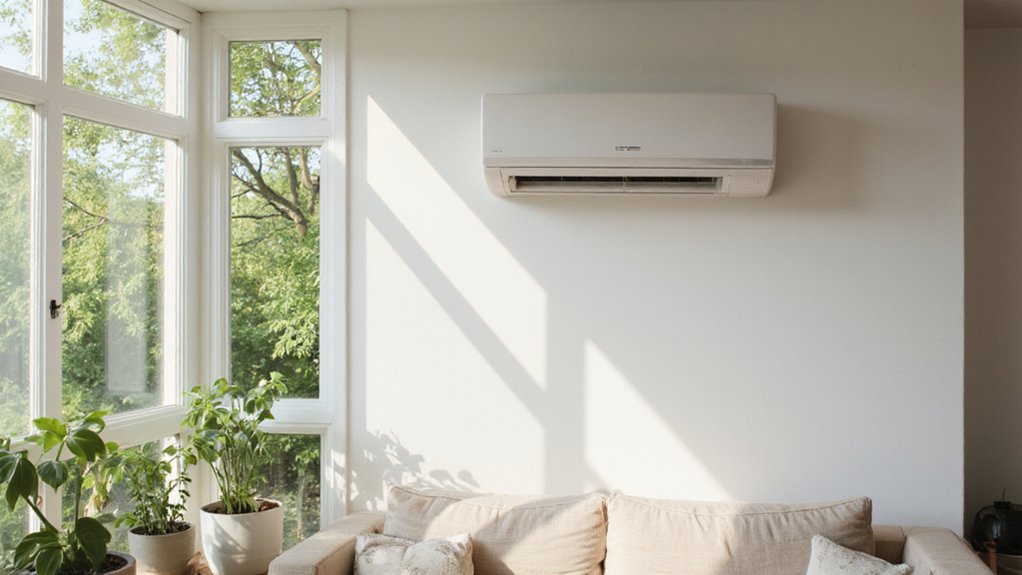
Ductless mini-split systems can be a practical option for homes without existing ductwork or for areas that are difficult to heat and cool with a central system.
A typical mini-split has an outdoor unit connected to one or more indoor air handlers. Each indoor unit can serve a specific room or area, giving homeowners more control over where heating and cooling are needed.
Energy Efficiency Benefits
Traditional ducted systems can lose energy through ducts, especially when the ductwork passes through unconditioned spaces or has leaks.
Ductless mini-splits avoid much of that issue because they deliver conditioned air directly into the rooms they serve. Many systems also use inverter technology, which allows the compressor to adjust its output based on demand.
This can help the system avoid repeatedly switching fully on and off. Energy use can be lower in some homes, though the actual savings depend on the equipment, climate, home layout, and how the system is operated.
Mini-splits can also make sense when you only need to condition certain rooms. Instead of heating or cooling unused areas, you can focus on the spaces that people use most.
Installation Flexibility Options
One of the biggest advantages of ductless mini-splits is installation flexibility.
Because they don't require a traditional network of supply and return ducts, they can work well in older homes, additions, converted garages, finished attics, and other spaces where installing ductwork would be difficult.
Multiple indoor units can be connected to one outdoor unit in some system configurations. This makes it possible to create separate temperature zones throughout the home.
For homeowners considering a major HVAC change, the condition of the existing system should be reviewed before choosing mini-splits. In some homes, replacing or repairing the current ducted system may make more sense.
High-Efficiency HVAC Air Filters: Health Benefits and Value
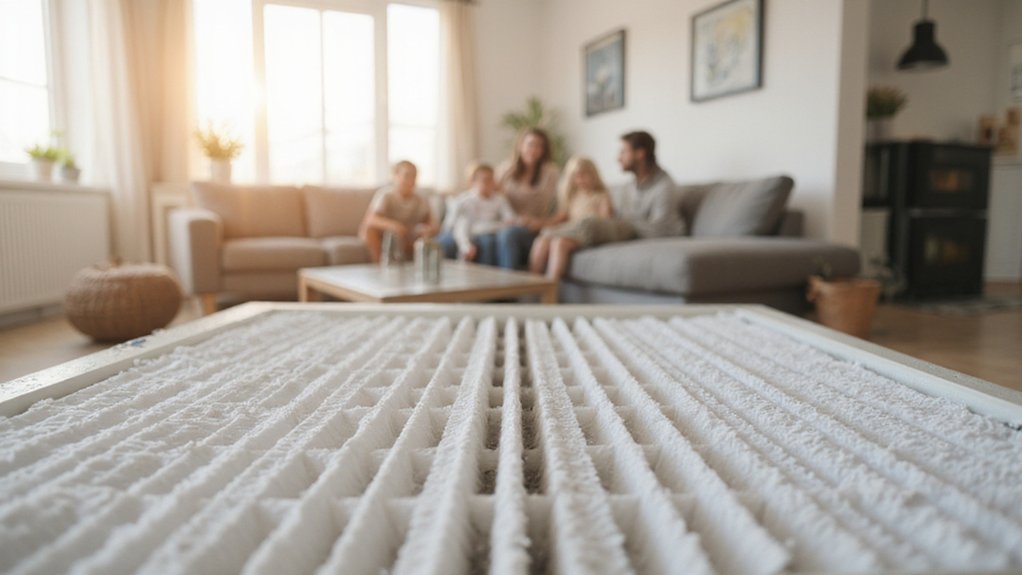
Air filters are easy to overlook, but they play an important role in how an HVAC system handles airborne particles.
A higher-efficiency filter can capture more small particles than a basic filter. This may include dust, pollen, and other airborne material that circulates through the home.
The right filter needs to match the HVAC equipment. A filter that is too restrictive for a particular system can reduce airflow and make the equipment work harder. Before switching to a higher-rated filter, check the manufacturer's recommendations or ask an HVAC professional.
Filter replacement also matters. A dirty filter can restrict airflow and put extra strain on the system. Replacing it on the appropriate schedule helps maintain airflow and keeps the equipment operating as intended.
For homeowners preparing to sell, clean equipment and a well-maintained HVAC system can leave a better impression than a neglected system. Air filtration can be part of that overall picture, especially for buyers who pay close attention to indoor air quality.
The Importance of Regular HVAC Maintenance for Home Value
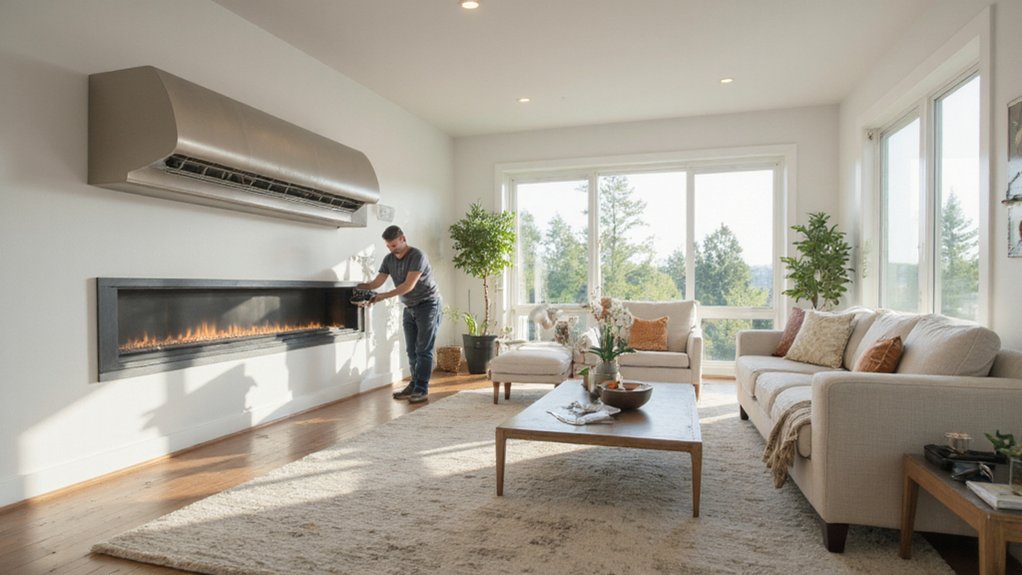
A well-maintained HVAC system can be an asset when you're preparing to sell your home.
Routine service can help identify worn parts, airflow problems, refrigerant issues, electrical concerns, and other problems before they turn into expensive repairs. It can also help the equipment operate as intended throughout the year.
Maintenance needs vary by system and manufacturer, but common tasks include changing or cleaning filters, checking components, cleaning coils, inspecting electrical connections, and checking airflow.
Keeping records of service visits can also be useful when selling. Buyers may feel more comfortable with an HVAC system when they can see that it has received regular care.
Maintenance won't make an old system new, but it can help extend its usable life and reduce the chance of unexpected problems. If you're not planning to replace the HVAC system before selling, keeping the current equipment in good condition may be one of the more practical things you can do.
Improving Indoor Air Quality With HVAC Upgrades

Indoor air quality has become a bigger concern for many homeowners. HVAC upgrades can play a role by improving filtration, ventilation, and humidity control.
Air purification equipment can help reduce certain airborne particles, while better filtration can capture dust and other contaminants as air moves through the system.
Humidity control can also affect comfort. Excess moisture can contribute to an uncomfortable indoor environment, while air that is too dry can cause its own problems. The right humidity level depends on the home, climate, and season.
Ventilation is another area to consider. A home needs a way to bring in outdoor air and remove stale indoor air. Energy recovery ventilators can exchange indoor and outdoor air while limiting the loss of conditioned air in suitable applications.
Some HVAC systems also use sensors to monitor temperature, humidity, or other indoor conditions. These controls can help homeowners keep a closer eye on the indoor environment.
When considering these upgrades, start with the problem you're trying to solve. A home with poor ventilation needs a different solution from one that mainly has high humidity or excessive dust.
What to Look for When Upgrading to a Smart HVAC System?
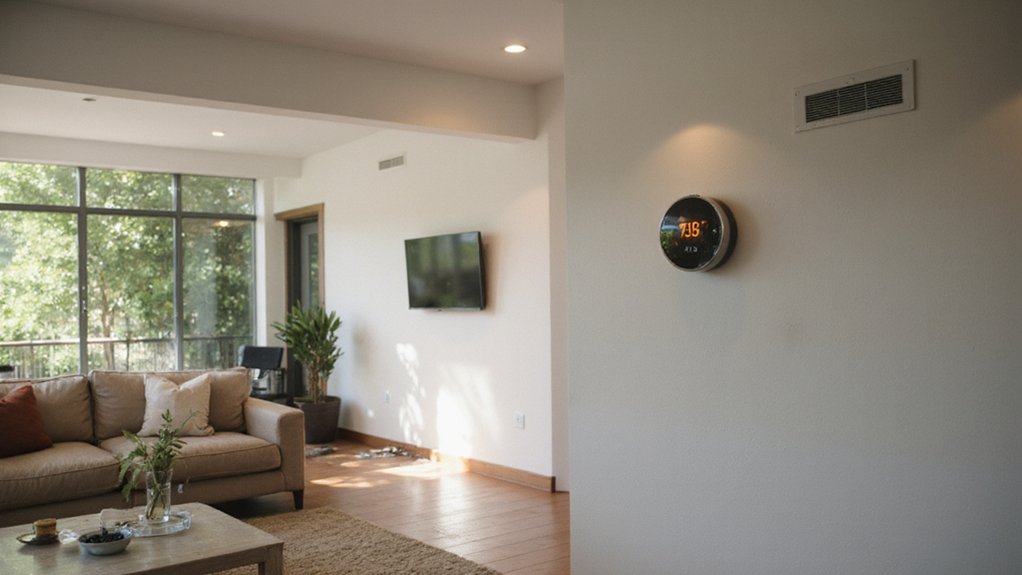
A smart HVAC system can offer more control, but the technology should work well with the equipment already in your home.
Before choosing a system, look at its energy ratings, controls, compatibility, and installation requirements. A system with useful features isn't much help if it doesn't work with your home's existing setup.
Energy Efficiency Ratings
Energy ratings can help you compare HVAC equipment before making a purchase.
For air conditioners and heat pumps, SEER and related ratings can provide information about cooling performance. Heating equipment may use ratings such as HSPF, depending on the type of system.
Higher ratings can indicate better energy performance, but the rating shouldn't be the only factor you consider. Equipment size, installation quality, ductwork, insulation, and local weather all affect how much energy a system actually uses.
Look for equipment that meets current efficiency standards and fits the heating and cooling needs of your home.
Compatibility With Existing Systems
Before replacing an HVAC component, check how the new equipment will work with your existing system.
The ductwork, electrical setup, thermostat, indoor unit, outdoor unit, and other controls may all affect the installation. A smart thermostat, for example, may require specific wiring or may not support every type of HVAC configuration.
If you're replacing the entire system, have the home's heating and cooling requirements assessed before selecting equipment. The right size matters just as much as the equipment's rated performance.
A careful review can also help identify whether existing ductwork, insulation, or other components need attention before the new system is installed.
Cost vs. Value: Evaluating Your HVAC Investment
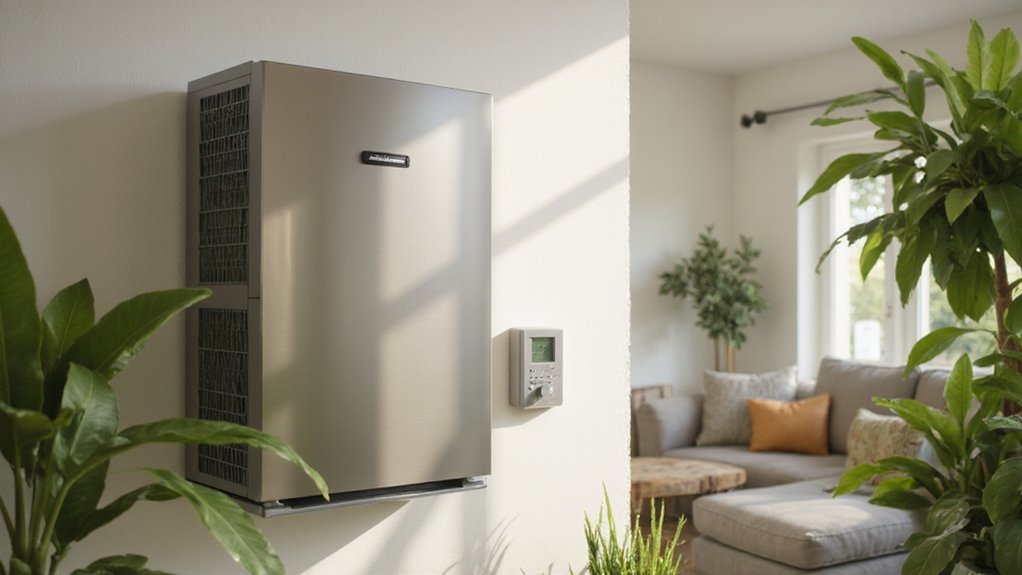
An HVAC upgrade should make sense for both your current needs and your plans for the home.
Start by looking at the full cost, including equipment, installation, electrical work, ductwork changes, permits, maintenance, and any other related expenses.
Then consider what you could save through lower energy use or fewer repairs. If the existing system is already performing well, a small upgrade such as a smart thermostat may be more practical than replacing the entire system.
If the equipment is old or frequently needs repairs, replacement may make more financial sense.
The expected effect on resale value also matters. Not every upgrade will return its full cost when you sell. Some improvements mainly provide value through comfort and lower operating costs while you own the home.
Local buyer preferences should also be considered. In some areas, efficient heating and cooling may be more appealing because of the local climate and energy costs.
A good HVAC decision comes down to the condition of your current system, the needs of your household, the cost of the upgrade, and how long you expect to stay in the home.
Frequently Asked Questions
How Can I Determine the Right Size HVAC System for My Home?
The right HVAC size depends on more than square footage. Insulation, windows, ceiling height, local climate, ductwork, and the home's layout all affect heating and cooling needs.
An HVAC professional can perform a load calculation to determine an appropriate system size. Oversized equipment can cycle on and off too frequently, while an undersized system may struggle to keep the home comfortable.
What Are the Signs My HVAC System Needs an Upgrade?
Frequent repairs, rising energy bills, uneven temperatures, unusual noises, weak airflow, and an aging system can all be signs that replacement is worth considering.
A single problem doesn't always mean the entire system needs to be replaced. In some cases, maintenance or a specific repair may solve the issue.
How Often Should I Replace My HVAC System Entirely?
Many HVAC systems last around 10 to 15 years, although service life varies by equipment type, installation, usage, climate, and maintenance.
Age alone isn't always a reason to replace a system. If an older unit still performs well and repair costs remain reasonable, keeping it may make sense. When breakdowns become frequent or energy costs rise, replacement may be worth considering.
Are There Tax Credits Available for HVAC Upgrades?
Tax credits and other incentives may be available for certain energy-related HVAC improvements, but programs and eligibility rules can change.
The amount available can depend on the equipment, installation date, location, and other requirements. Check current federal, state, and local programs before making a purchase so you know which incentives apply.
What Financing Options Exist for HVAC System Upgrades?
Homeowners may have several ways to pay for HVAC work, including financing offered by contractors or manufacturers, home improvement loans, utility rebates, and available tax incentives.
Compare the total cost of each option, including interest and fees, rather than looking only at the monthly payment. A lower monthly payment can still cost more over the life of the financing.
Conclusion
HVAC upgrades can improve comfort, reduce energy use, and make a home more appealing to future buyers. The best upgrade depends on the condition of your current system, the home's layout, local climate, and your budget.
Energy-efficient equipment, heat pumps, zoning, smart thermostats, improved filtration, and regular maintenance can all play a role in improving a home's HVAC setup.
Before spending money on a major upgrade, look at the current system and identify what actually needs improvement. A well-chosen upgrade can provide useful benefits while you live in the home and may also make the property more appealing when it's time to sell.

other blog posts
Do Heat Pumps Work in Freezing Temperatures?
The Benefits of Upgrading to an Energy-Efficient HVAC System
Why Is My HVAC Blowing Weak Air?
Ready to Enhance Your Comfort
Contact us today to schedule your service, learn about energy-saving rebates, and feel comfortable in your home all year round.

