
 CALL US
related posts
How Do I Know If My Heat Pump Needs Repair?
If you've started hearing strange noises, noticed uneven temperatures around your home, or your energy bills suddenly seem higher than usual, your heat pump could be trying to tell you something. Small problems rarely fix themselves, and waiting too long can turn a simple repair into a much bigger expense.
Learning to spot the early warning signs can help keep your system running efficiently, improve comfort, and reduce the chances of an unexpected breakdown. Here are the most common signs that your heat pump may need professional attention.
Key Takeaways
- Listen for unusual noises like grinding or hissing, which can point to mechanical problems.
- A burning smell may indicate an electrical issue that needs immediate attention.
- Uneven heating or cooling often signals that something isn't working properly.
- Higher-than-normal energy bills can be a sign your heat pump is working harder than it should.
- Ice on the coils or signs of a refrigerant leak should be checked by a qualified technician as soon as possible.
What Are the Warning Signs Your Heat Pump May Be Malfunctioning?
Your heat pump usually gives you clues when something isn't right. Paying attention to those early signs can help you avoid larger repairs later.
One of the first things many homeowners notice is unusual noise. Grinding, squealing, rattling, or hissing sounds are not part of normal operation. These noises can point to worn parts, loose components, motor problems, or refrigerant issues.
Unusual smells are another warning sign. A burning odor may mean there's an electrical problem or overheating component inside the unit. A musty smell could suggest moisture buildup or mold growing within the system or ductwork. Both situations should be inspected before they become more serious.
It's also worth paying attention to how your system performs each day. If it suddenly struggles to keep your home comfortable or seems to run differently than normal, it's a good idea to have it checked before the issue gets worse.
Identifying Common Heat Pump Issues: What to Look For
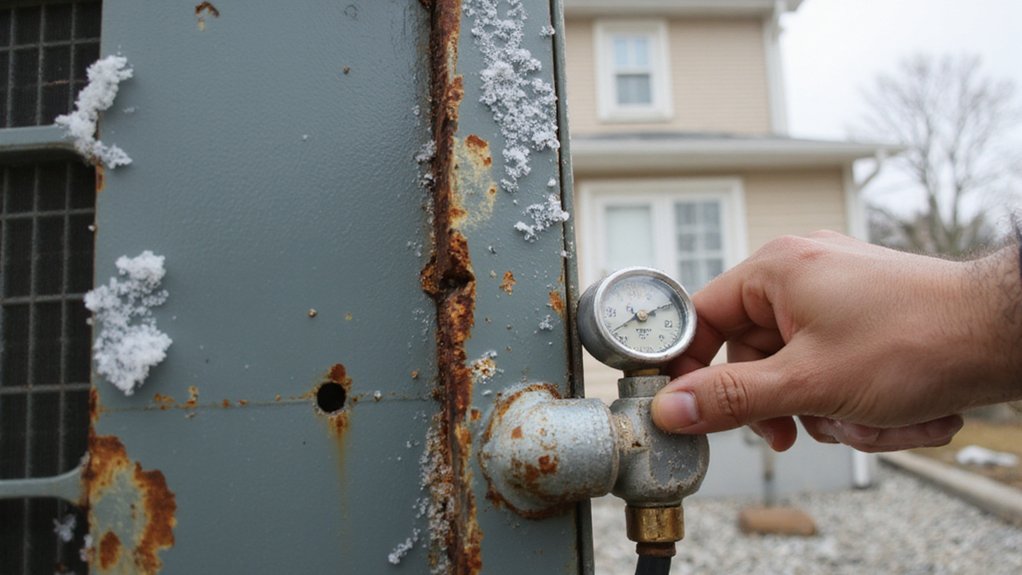
Knowing what commonly goes wrong with a heat pump makes it easier to recognize when something needs attention.
A faulty thermostat is one of the most common issues. If the thermostat isn't reading the temperature correctly or isn't communicating with the heat pump, your home may feel too warm, too cold, or the system may cycle more often than it should.
Refrigerant leaks are another problem that can affect performance. When refrigerant levels drop, the heat pump has a harder time heating or cooling your home. You may notice weaker airflow, reduced comfort, hissing sounds, or ice forming on the outdoor coils.
Dirty air filters, blocked outdoor units, and worn electrical components can also affect how well your system operates. Routine inspections help catch these smaller problems before they turn into expensive repairs.
How Heat Pump Performance Influences Efficiency
A heat pump that performs well uses less energy to keep your home comfortable. When every part is working as it should, the system can maintain steady indoor temperatures without running longer than necessary.
As performance drops, energy use usually increases. The unit has to work harder to produce the same level of heating or cooling, which often leads to higher monthly utility bills.
You may also notice rooms that feel warmer or cooler than others. These temperature differences often suggest your heat pump isn't operating as efficiently as it should. Over time, this extra strain can place additional wear on important components and increase the chances of future repairs.
Keeping an eye on your system's performance helps you catch problems early and maintain better energy efficiency throughout the year.
The Importance of Regular Heat Pump Maintenance
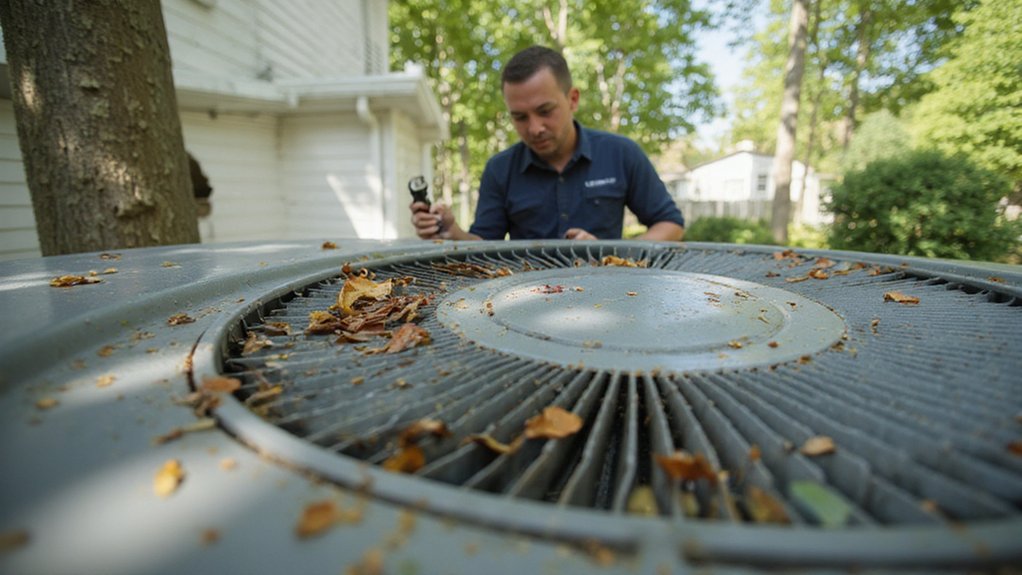
Routine maintenance plays a big part in keeping your heat pump working properly for years to come.
Scheduling professional service at least twice a year allows technicians to inspect the system, clean important components, check refrigerant levels, lubricate moving parts, and look for signs of wear before they become larger issues.
Regular maintenance also helps lower energy costs because a clean, properly adjusted heat pump doesn't have to work as hard to heat or cool your home.
Another benefit is improved comfort. A well-maintained system is more likely to provide even temperatures throughout your home while reducing the chances of unexpected breakdowns during the hottest or coldest times of the year.
Taking care of small issues early often costs much less than dealing with a major repair later.
When to Call a Professional for Heat Pump Repairs?
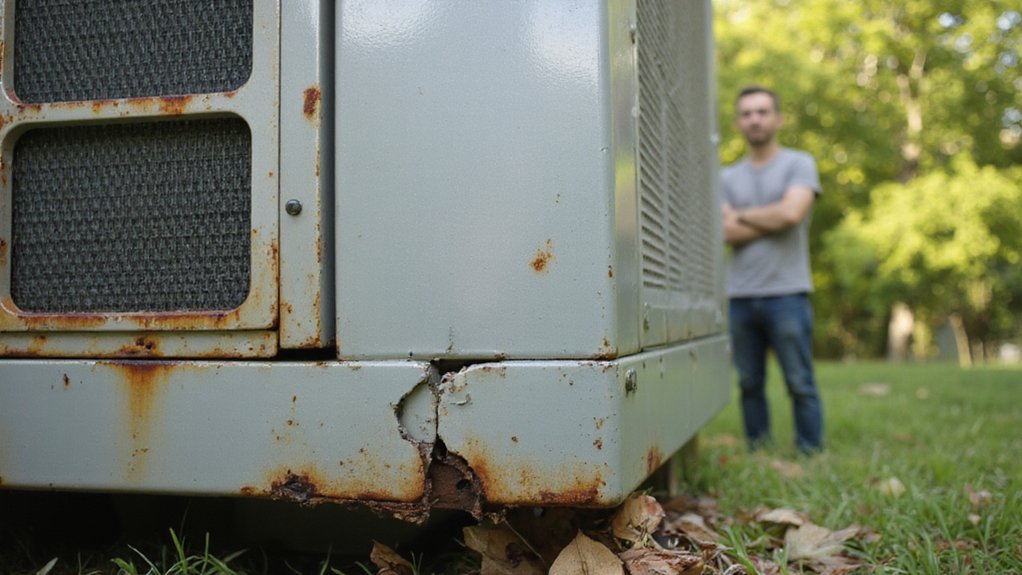
Some heat pump problems require professional attention right away.
If your system starts making loud or unusual noises, struggles to maintain the temperature you've set, or turns on and off constantly, it's time to schedule an inspection.
A sudden jump in your energy bill can also point to a problem, especially if your heating or cooling habits haven't changed.
Most heat pumps have a lifespan of around 10 to 15 years. As they get older, repairs may become more frequent. At some point, replacing the system may become a better investment than continuing to repair it.
If you suspect a refrigerant leak or notice signs of an electrical problem, don't wait. These issues should be handled by a qualified technician to protect both your equipment and your home's safety.
Frequently Asked Questions
How Long Should a Heat Pump Typically Last?
Most heat pumps last between 10 and 15 years. Routine maintenance, regular filter changes, and prompt repairs can help extend the life of your system. Ignoring small issues can shorten its lifespan and reduce overall performance.
Can I Troubleshoot Heat Pump Issues Myself?
You can perform a few basic checks before calling a professional. Replace or clean the air filter, make sure the thermostat settings are correct, check that the outdoor unit is free from leaves and debris, and confirm the circuit breaker hasn't tripped. If the problem continues, it's best to have the system inspected by a technician.
What Are the Costs Associated With Heat Pump Repairs?
Repair costs vary depending on what's wrong with the system. Minor repairs may cost around $150, while larger repairs involving compressors or refrigerant leaks can exceed $1,500. The final cost depends on the parts required and the amount of labor involved.
How Often Should I Schedule Heat Pump Maintenance?
Most manufacturers recommend scheduling professional maintenance twice each year, once before the cooling season and once before the heating season. Regular service helps keep your system operating efficiently and reduces the risk of unexpected repairs.
Are There Different Types of Heat Pumps to Consider?
Yes. Air-source heat pumps are the most common, while ground-source, geothermal, and ductless mini-split systems are also available. The right choice depends on your home's layout, local climate, and heating and cooling needs.
Conclusion
Paying attention to unusual noises, strange smells, uneven temperatures, or rising energy bills can help you catch heat pump problems before they become more serious.
Small heat pump repairs are often less expensive and easier to fix than major system failures.
Routine heat pump maintenance also plays a big part in keeping your heat pump running efficiently and extending its lifespan. If something doesn't seem right, having a qualified technician inspect the system can help restore comfort and prevent more costly repairs later.

other blog posts
How to Choose the Right Size HVAC System for Your Home
Gas Furnace – and why it might be better to go with a heat pump (pros and cons)
Why Is My AC Running but Not Cooling the House?
Ready to Enhance Your Comfort
Contact us today to schedule your service, learn about energy-saving rebates, and feel comfortable in your home all year round.

