 CALL US
related posts
Can an Old HVAC System Affect Indoor Air Quality?
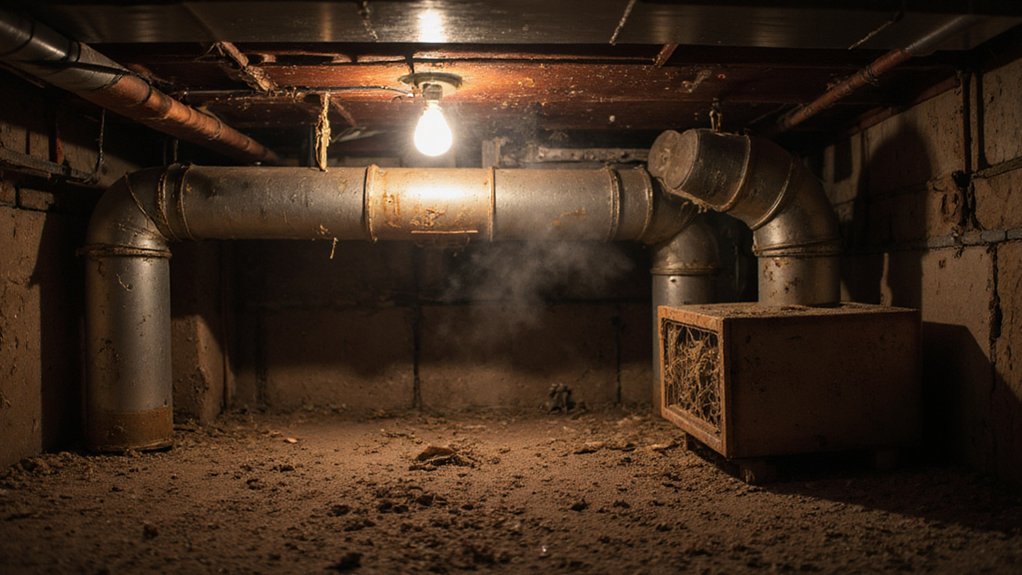
An old HVAC system can have a big effect on your indoor air quality. As the system gets older, it often loses the ability to circulate and filter air as well as it once did. Dust, allergens, and moisture can begin to build up, making the air inside your home less healthy to breathe.
You might notice more allergy symptoms, lingering odors, or rooms that feel stuffy. In some cases, an aging HVAC system can even encourage mold growth if moisture isn't controlled properly.
Knowing how an older system affects the air in your home can help you decide whether maintenance, repairs, or a replacement is the right move.
Key Takeaways
- Older HVAC systems often lose efficiency, reducing ventilation and affecting indoor air quality.
- Dust, pollen, and other allergens can collect inside aging systems and circulate throughout your home.
- Poor humidity control can encourage mold and mildew growth.
- Uneven temperatures and weak airflow are common signs of an aging HVAC system.
- Routine maintenance helps improve indoor air quality and keeps the system operating more effectively.
Health Risks Associated With Poor Indoor Air Quality
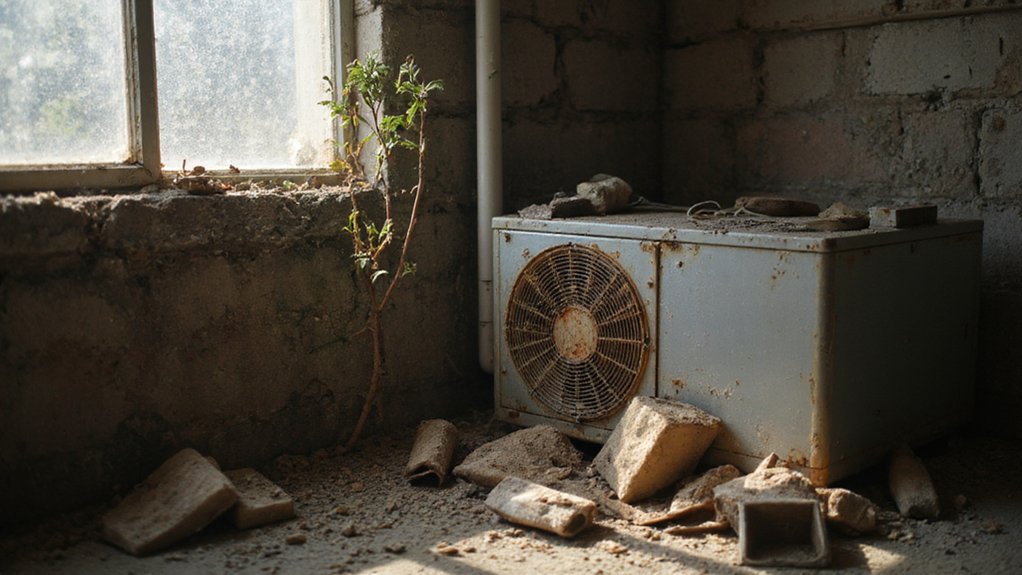
The air inside your home has a direct impact on your health. When indoor air contains dust, mold spores, pet dander, or other pollutants, you may begin to notice symptoms such as headaches, fatigue, coughing, or irritated eyes.
For people with allergies or asthma, poor indoor air quality can make existing conditions worse. Dust mites, mold, and other airborne particles can easily circulate through an older HVAC system, making it difficult to find relief indoors.
Household cleaning products, paints, and other chemicals may also release pollutants into the air. Without proper ventilation and filtration, these contaminants can remain inside your home for long periods.
Keeping your HVAC system in good condition helps improve airflow, reduces airborne particles, and creates a healthier indoor environment for everyone in your home.
How an Aging HVAC System Impacts Indoor Air Quality
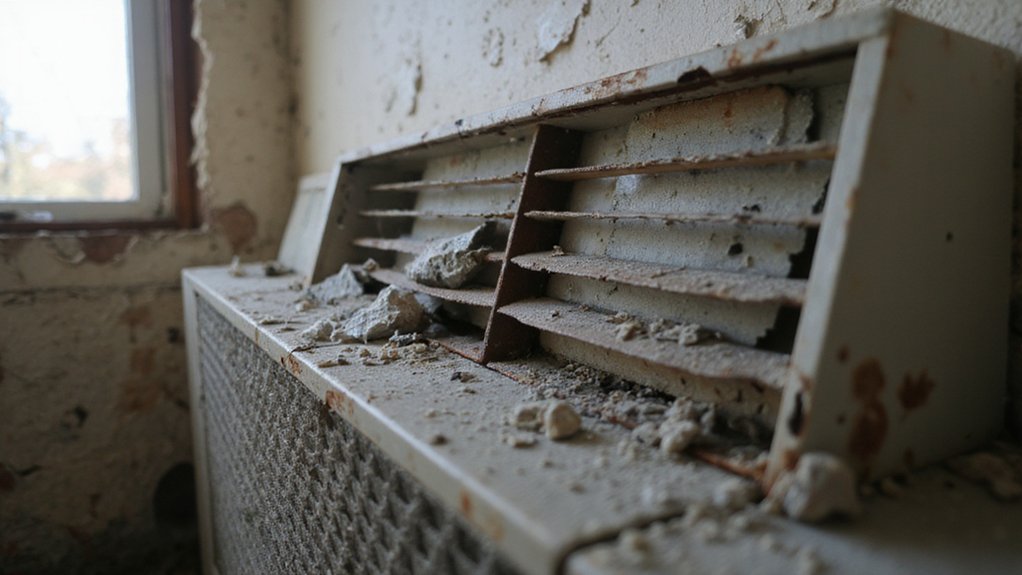
As HVAC systems age, they naturally lose some of their performance. Parts wear out, airflow becomes less consistent, and the system may struggle to keep indoor air clean.
Dust and debris can build up inside ducts and components over time. When this happens, those particles may continue circulating throughout your home whenever the system runs.
Older systems can also have trouble controlling humidity. Excess moisture creates conditions where mold and mildew can grow, adding more pollutants to the air.
Routine maintenance helps reduce these problems, but every HVAC system has a lifespan. If maintenance no longer restores performance, replacing the system may be the better long-term option.
Common Pollutants Found in Old HVAC Systems
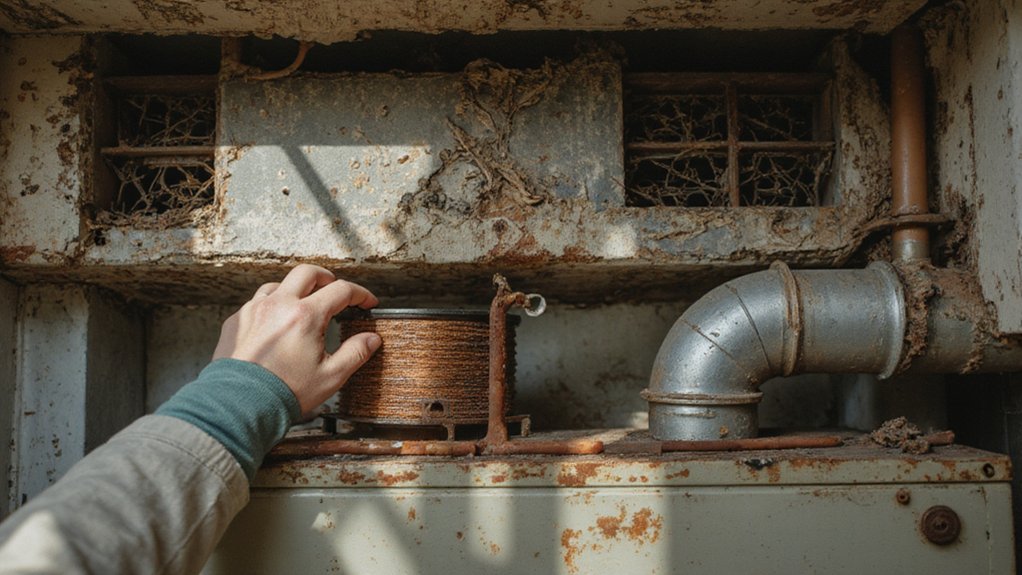
Older HVAC systems often collect contaminants that lower indoor air quality over time.
Dust is one of the most common problems. As it builds up inside ducts, vents, and filters, it can spread throughout your home every time the system turns on.
Moisture is another concern. If humidity levels aren't managed properly, mold and mildew may develop inside the system or ductwork. Mold spores can then circulate through the air, causing unpleasant odors and triggering allergy symptoms.
Pet dander, pollen, bacteria, and other airborne particles can also become trapped inside older systems, especially when filters aren't replaced regularly.
Keeping your HVAC system clean and scheduling regular maintenance helps reduce these pollutants and supports healthier indoor air.
Identifying Poor HVAC Performance and Next Steps
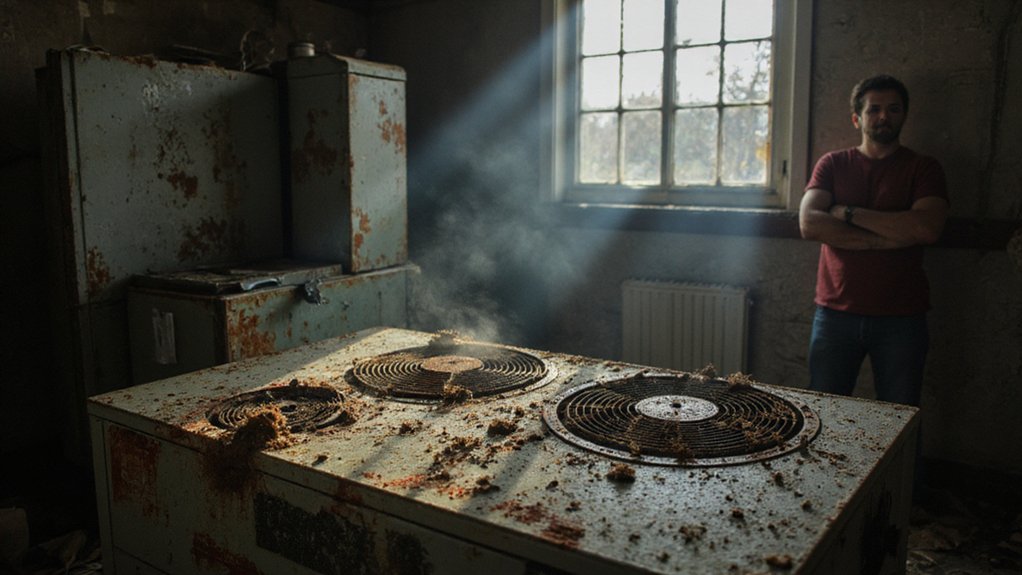
An HVAC system usually gives you warning signs when it isn't performing as it should. Paying attention to these signs can help you address small issues before they become expensive repairs.
Uneven temperatures from room to room are one of the most common indicators. If some areas feel too warm while others stay cool, your system may be struggling with airflow or mechanical problems.
High indoor humidity is another sign that something isn't working properly. Your HVAC system should remove excess moisture as it cools your home. If it can't, there may be an issue with the compressor, refrigerant, or another major component.
Start by checking the air filter, vents, and airflow throughout your home. If these basic steps don't solve the problem, it's a good idea to schedule an inspection with a qualified HVAC technician. A professional evaluation can identify hidden issues and help restore healthy indoor air.
The Connection Between HVAC Efficiency and Air Quality
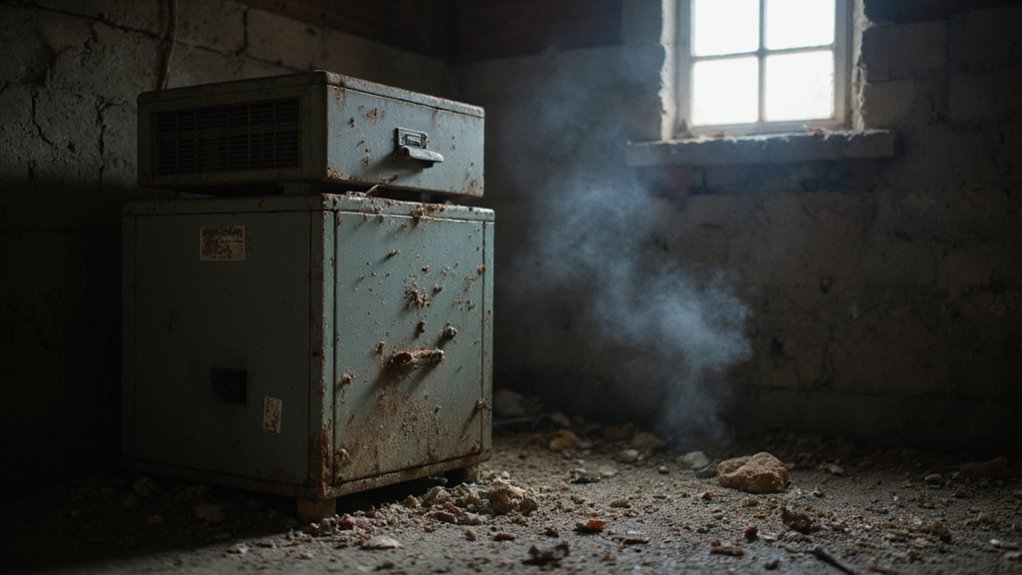
The condition of your HVAC system affects much more than comfort. It also plays a major part in the quality of the air you breathe every day.
A well-maintained system captures dust, pollen, pet dander, and other airborne particles before they spread through your home. It also keeps fresh air moving and helps maintain balanced humidity levels.
When a system becomes less effective, airflow slows down and pollutants remain indoors longer. Moisture can also build up, creating conditions where mold and mildew are more likely to grow.
Simple maintenance tasks, such as replacing filters and scheduling routine inspections, help your HVAC system continue delivering cleaner air while keeping your home comfortable throughout the year.
Benefits of Upgrading Your HVAC System

Replacing an aging HVAC system offers more than lower energy bills. Modern equipment is designed to provide cleaner air, better comfort, and more consistent performance throughout your home.
A newer system can also reduce the number of airborne pollutants that circulate indoors while maintaining better humidity control. Over time, these improvements create a healthier and more comfortable living environment.
Enhanced Energy Efficiency
Modern HVAC systems are designed to use less energy while delivering better heating and cooling performance.
Improved components and smarter controls allow the system to maintain indoor temperatures without working as hard as older equipment. This can reduce monthly utility costs while placing less strain on the system.
Since newer units operate more efficiently, they often experience fewer breakdowns and can provide dependable performance for many years with proper maintenance.
Improved Air Filtration
New HVAC systems usually include better filtration options than older models.
Many homeowners choose high-efficiency filters, including HEPA filters, because they capture much smaller particles than standard filters. Dust, pollen, pet dander, mold spores, and other airborne contaminants are removed more effectively before they circulate through your home.
Regularly replacing filters and keeping the system clean allows these filters to perform at their best, giving you cleaner indoor air throughout the year.
Consistent Temperature Control
Older HVAC systems often struggle to maintain even temperatures throughout a home.
Modern systems use advanced controls and smart thermostats to keep temperatures much more consistent. They also manage indoor humidity more effectively, making your home feel comfortable in every season.
Better temperature control reduces hot and cold spots while creating a more pleasant indoor environment for your family.
Improve Air Quality Through HVAC Maintenance

Regular HVAC maintenance is one of the simplest ways to improve indoor air quality.
Routine inspections allow small problems to be corrected before they affect airflow or system performance. Cleaning air ducts when needed also helps remove built-up dust and debris that would otherwise continue circulating throughout your home.
Choosing the right air filter is just as important. High-efficiency filters trap more airborne particles and help keep indoor air cleaner.
Good ventilation, balanced humidity, and seasonal maintenance all work together to support healthier indoor air. Some homeowners also add indoor plants or air quality monitors to help create a cleaner living space.
Keeping your HVAC system in good condition not only improves air quality but also helps the equipment perform better and last longer.
How Air Filters Impact Your Indoor Air Quality
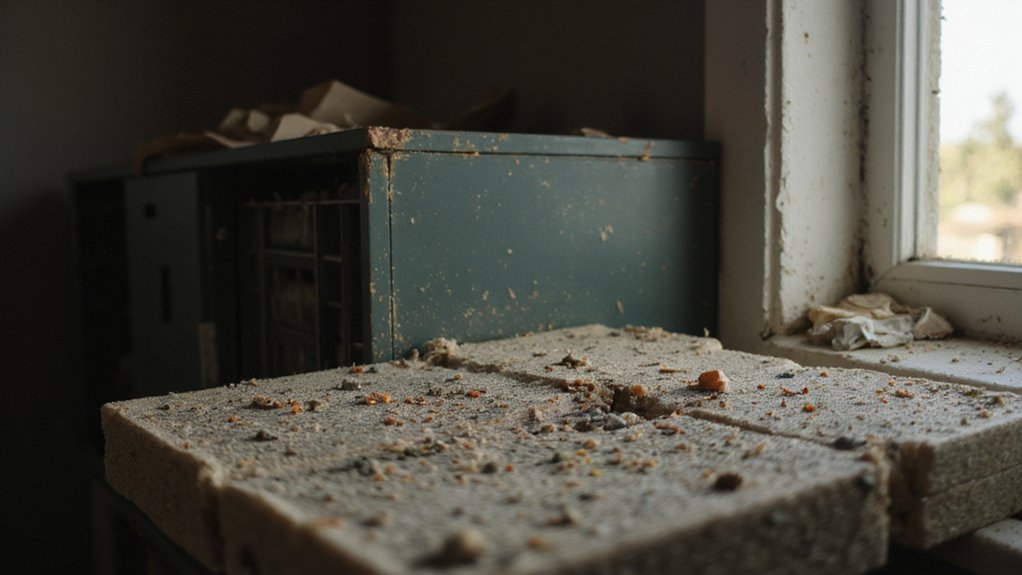
Air filters are one of the most important parts of your HVAC system when it comes to maintaining clean indoor air. They capture dust, pollen, pet dander, and other airborne particles before those contaminants move through your home.
The type of filter you use, along with how often you replace it, can make a noticeable difference in both air quality and HVAC performance.
Filter Efficiency Matters
Not all air filters perform the same way. Some are designed to capture larger particles, while others can trap much smaller pollutants that are often responsible for allergy and asthma symptoms.
High-efficiency filters, including HEPA filters, remove a much wider range of airborne contaminants than standard fiberglass filters. If someone in your home has allergies or respiratory concerns, choosing a higher-quality filter can make the indoor environment much more comfortable.
Even the best filter needs proper installation and regular inspections. A clogged filter restricts airflow, forcing your HVAC system to work harder while reducing its ability to clean the air.
Checking your filters regularly helps keep air moving freely and supports better indoor air quality throughout your home.
Replacement Frequency Counts
Replacing your air filter on schedule is one of the easiest ways to keep your HVAC system operating properly.
A dirty filter collects dust and debris until it eventually blocks airflow. When this happens, your system has to work harder to heat or cool your home, which can increase energy use and place extra strain on the equipment.
Most homes benefit from replacing filters every one to three months, although homes with pets, smokers, or allergy sufferers may need more frequent changes.
Staying on top of filter replacement not only improves air quality but also helps extend the life of your HVAC system.
Filter Type Differences
Choosing the right air filter depends on your home's needs.
Fiberglass filters are inexpensive and work well for capturing larger particles, but they are less effective at removing smaller contaminants. Pleated filters offer better filtration and are a popular choice for many homeowners because they capture more dust and allergens.
HEPA filters provide the highest level of filtration, trapping extremely small airborne particles that other filters may miss. They are especially helpful in homes where indoor air quality is a top concern.
No matter which filter you choose, replacing it on time is just as important as selecting the right type. A clean filter allows your HVAC system to circulate cleaner air while maintaining proper airflow.
HVAC Lifespan and Replacement Timing
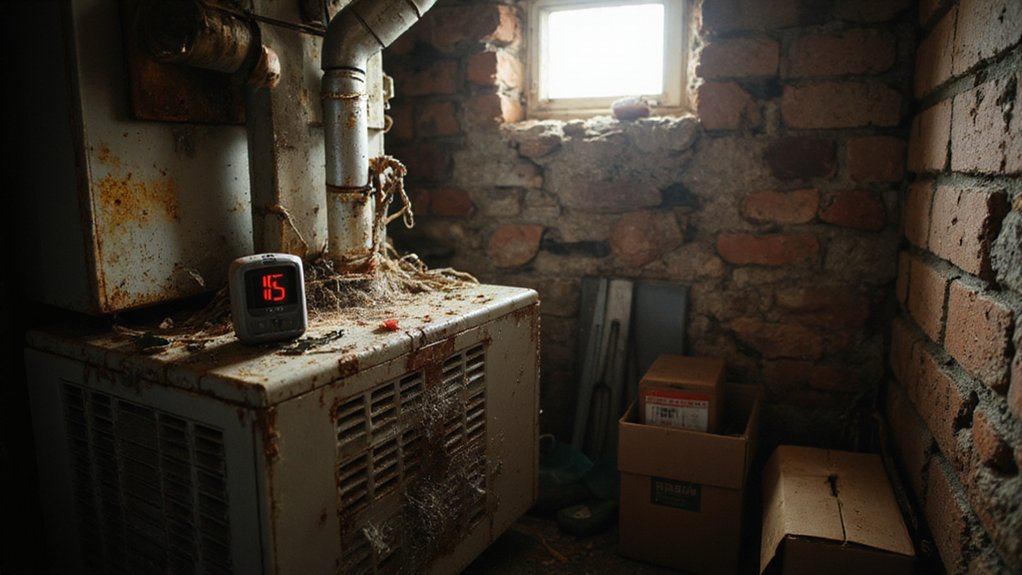
Every HVAC system has a limited lifespan. While regular maintenance can help it last longer, age eventually begins to affect both performance and indoor air quality.
If your system struggles to keep rooms comfortable, requires frequent repairs, or causes energy bills to increase, it may be approaching the end of its service life.
Seasonal inspections are a good way to monitor your system's condition. During these visits, an HVAC technician can check airflow, refrigerant levels, electrical components, and overall performance to determine whether repairs are still worthwhile.
Although replacing an HVAC system requires an upfront investment, newer models often provide better energy savings, improved air filtration, and more dependable operation. In many cases, the long-term benefits outweigh the ongoing costs of maintaining an older unit.
Steps to Take After Upgrading Your HVAC System
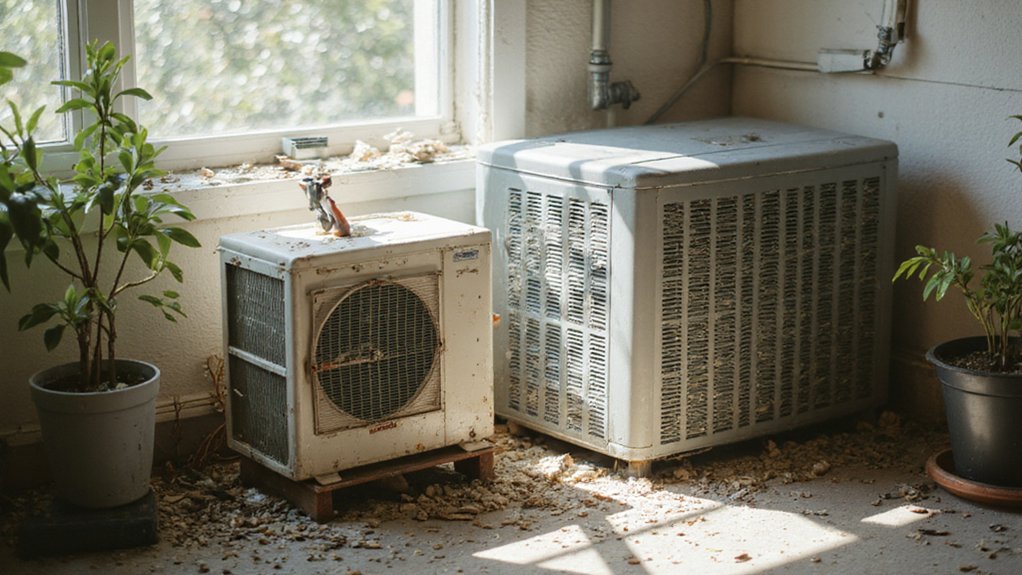
Installing a new HVAC system is an excellent step toward improving your home's comfort and indoor air quality. Taking a few extra steps afterward helps you get the best possible performance from your investment.
Start by making sure the system has been set up according to the manufacturer's recommendations. Proper calibration allows it to operate efficiently from the beginning.
Replace or clean air filters on a regular schedule to maintain strong airflow and cleaner indoor air. If your new system includes a programmable or smart thermostat, take time to adjust the settings so they match your daily routine and help reduce energy use.
It's also worth having your ductwork inspected for leaks or damaged sections. Well-sealed ducts allow conditioned air to reach every room more effectively while reducing unnecessary energy loss.
Keep an eye on indoor humidity levels throughout the year. Proper humidity control improves comfort and helps prevent mold growth, creating a healthier indoor environment for your family.
Finally, schedule routine maintenance with a qualified HVAC professional. Regular service keeps your new system running smoothly, protects its lifespan, and helps maintain clean indoor air for years to come.
Frequently Asked Questions
How Do Humidity Levels Affect Indoor Air Quality?
Humidity has a direct effect on the air inside your home. Too much moisture encourages mold growth and dust mites, while air that is too dry can irritate your skin, eyes, and respiratory system. Keeping humidity at a balanced level helps create a healthier and more comfortable indoor environment.
What Role Do Houseplants Play in Air Quality?
Houseplants can contribute to a healthier indoor environment by producing oxygen and absorbing small amounts of certain airborne compounds. While they shouldn't replace proper ventilation or HVAC maintenance, they can be a nice addition to a clean and comfortable home.
Can Indoor Air Quality Impact Sleep Quality?
Yes. Poor indoor air quality can affect how well you sleep. Dust, allergens, mold spores, and poor ventilation may lead to congestion or irritation that makes it harder to get a restful night's sleep. Cleaner air often contributes to better overall comfort while sleeping.
How Often Should I Replace Air Filters?
Most air filters should be replaced every one to three months. The exact schedule depends on the type of filter you use, whether you have pets, and how often your HVAC system operates. Checking your filter regularly helps you determine when it's time for a replacement.
What Signs Indicate Poor Air Quality in My Home?
Common signs include excessive dust, musty odors, visible mold, worsening allergy symptoms, poor airflow, and stale indoor air. If you notice any of these issues, inspecting your HVAC system and improving ventilation can help restore healthier air.
Conclusion
An older HVAC system can have a noticeable effect on your indoor air quality. As equipment ages, it becomes more difficult to control airflow, humidity, and airborne contaminants, which may lead to discomfort and health concerns.
Regular maintenance, timely filter replacements, and routine inspections all help keep your system performing well while supporting cleaner indoor air. If your HVAC system continues to struggle despite regular service, replacing it with a newer model may be the best long-term solution.
A well-maintained HVAC system does more than keep your home comfortable. It also helps create a cleaner, healthier environment for you and your family.

other blog posts
Why Does My AC Keep Freezing Up?
Why Is My Furnace Blowing Cold Air?
What Are the Warning Signs of a Failing Heating System?
Ready to Enhance Your Comfort
Contact us today to schedule your service, learn about energy-saving rebates, and feel comfortable in your home all year round.

