
 CALL US
related posts
What Should I Check Before Calling an HVAC Technician?

Before you call an HVAC technician, it's worth checking a few common issues on your own. A quick inspection could save you time, avoid an unnecessary service call, or help you explain the problem more clearly when a technician arrives.
Start with your thermostat settings, check whether your air filter is dirty, and make sure your vents aren't blocked. It's also a good idea to inspect the outdoor unit and pay attention to any unusual noises coming from the system. These simple checks can give you a better idea of what's happening and may even point to an easy fix.
Key Takeaways
- Check your thermostat settings and make sure it's set to the correct heating or cooling mode.
- Inspect your air filter and replace it if it's dirty or clogged.
- Make sure vents and registers are open and free from obstructions.
- Check your circuit breakers and fuses if the system won't turn on.
- Take note of any unusual sounds or changes in performance before calling a technician.
Common HVAC Problems to Troubleshoot
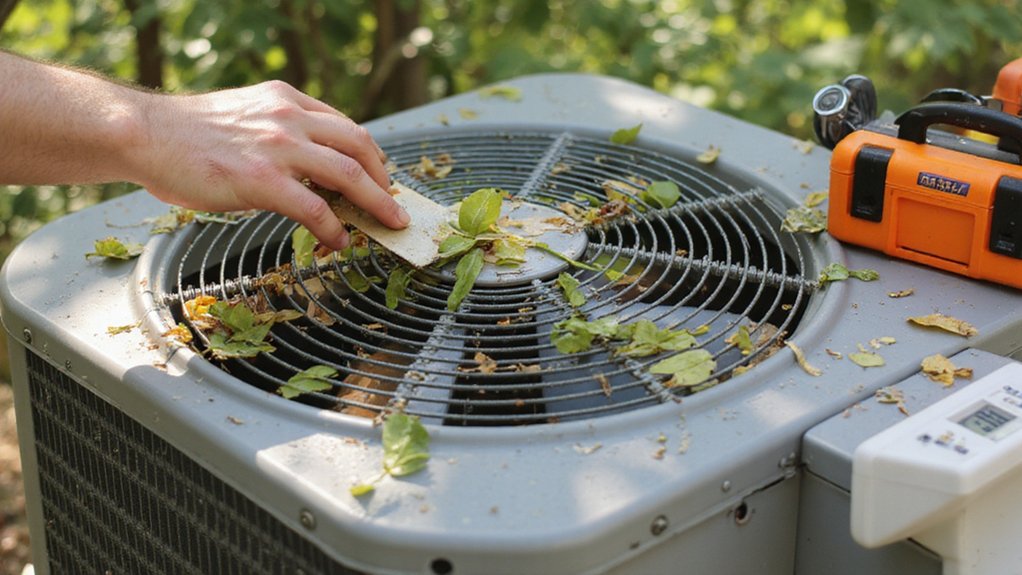
If your HVAC system isn't working the way it should, there are a few things you can check before scheduling a service call.
Start by looking for duct leaks, since leaking ducts can reduce airflow, waste energy, and make it harder to keep your home comfortable.
Next, consider the refrigerant level. If it's low, there may be a leak that needs professional repair.
Check that your thermostat is reading the room temperature correctly. An incorrect reading can cause the system to heat or cool at the wrong time.
If your home feels unusually humid, your HVAC system may also be having trouble removing excess moisture.
Think about when your system was last serviced. Older units or systems that haven't had regular maintenance are more likely to develop problems. It's also worth checking the insulation around your home, since poor insulation can make your HVAC system work harder than necessary.
Going through these simple checks can help you narrow down the cause of the problem before calling an HVAC technician.
Check Your Thermostat Settings
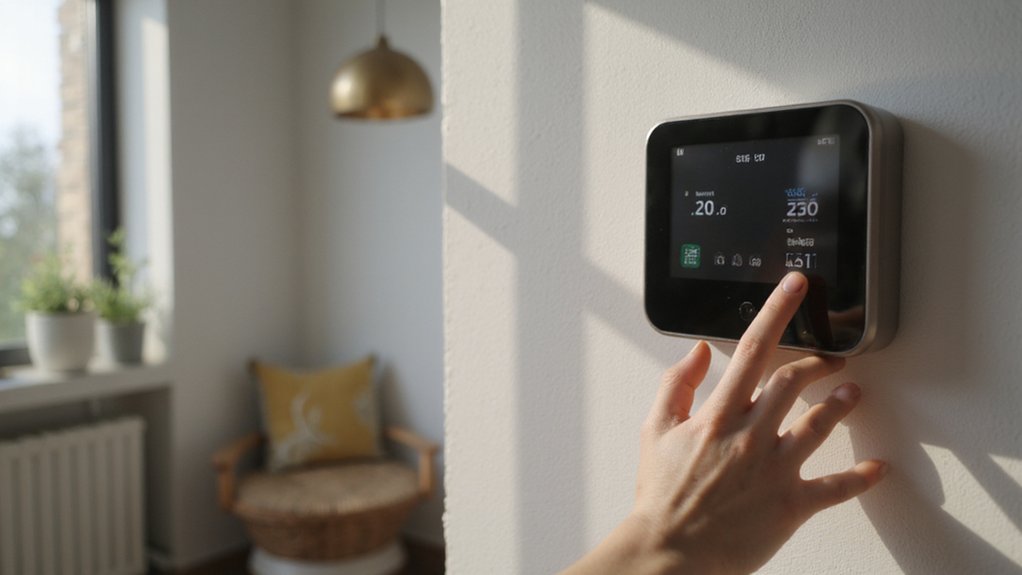
Before calling an HVAC technician, take a close look at your thermostat settings.
Make sure the thermostat is set to the temperature you want and that it's in the correct mode, whether that's heating or cooling. If you use a digital thermostat, double-check that none of the settings were changed by mistake.
It's also worth checking the thermostat's accuracy. If it's reading the room temperature incorrectly, your HVAC system may not run when it should. Many digital thermostats allow you to adjust the calibration through the settings menu.
If everything looks correct and your HVAC system still isn't working properly, you'll have a better idea that the issue is somewhere else in the system, making it easier for a technician to diagnose the problem.
Inspect Air Filters for Clogs
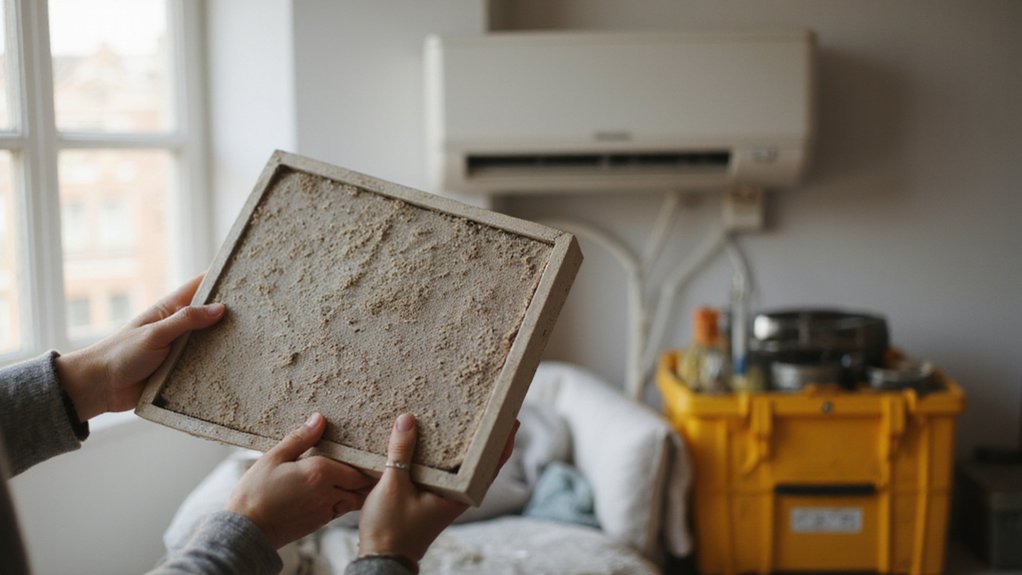
A dirty air filter is one of the most common reasons an HVAC system loses performance, so it's always worth checking before scheduling a repair.
Remove the filter and look for dust, dirt, and other buildup. If it looks clogged, replace it with a new one.
Keeping up with regular filter maintenance helps your system maintain proper airflow and reduces unnecessary strain. During seasons when your HVAC system runs often, check the filter every month.
If your system uses a reusable filter, clean it according to the manufacturer's instructions before putting it back in place.
Look for Blocked Vents and Registers

Blocked vents and registers can make your HVAC system work harder than it needs to. Before calling a technician, take a few minutes to check that air can move freely throughout your home.
Furniture, curtains, rugs, and everyday household items can sometimes block vents without you noticing. Clearing these obstructions can improve airflow and help your system perform better.
Inspect Vent Covers
Start by checking the vent covers around your home.
Different types of vent covers, such as grilles, registers, and diffusers, each play a part in directing airflow. Make sure they're sitting properly and aren't loose or damaged.
Look for anything that could restrict airflow, including furniture, storage boxes, or decorative items. Even a partially blocked vent can affect the comfort of a room.
Dust can also build up over time. Wipe or vacuum the vent covers regularly to keep air moving freely and help your HVAC system run more smoothly.
Clear Debris Accumulation
Dust, pet hair, and other debris can collect around vents and registers, reducing airflow and making your HVAC system less effective.
Take a close look at each vent and remove anything that may be blocking it. A vacuum cleaner with a brush attachment or a soft cloth usually works well for cleaning away dust and dirt.
Pay extra attention to floor vents, since they're more likely to collect pet hair, lint, and other household debris.
If you've cleaned the vents and airflow still seems weak, there could be a problem inside the ductwork or elsewhere in the system that needs professional attention.
Ensure Proper Airflow
Once the vents are clean, check that air is flowing properly throughout your home.
Make sure every supply and return vent is fully open and isn't blocked by furniture, curtains, or other objects. Restricted airflow can make your HVAC system run longer and increase energy use.
It's also a good idea to inspect any visible ductwork for signs of damage or loose connections.
If some rooms are much warmer or cooler than others, even after you've cleared the vents, the issue may be deeper within the HVAC system and worth having inspected by a technician.
Check Circuit Breakers and Fuses

If your HVAC system won't turn on, checking the electrical components is one of the simplest places to start.
Locate your home's electrical panel and see if the breaker connected to your HVAC system has tripped. If it has, reset it and check whether the system starts working again.
If the breaker trips a second time, don't keep resetting it. That usually points to an electrical problem that should be inspected by a professional.
You should also check any fuses connected to the system. If you find a blown fuse, replace it with another one that has the same amperage rating.
These quick checks may save you a service call or give your HVAC technician helpful information when diagnosing the problem.
Take a Look at Your Outdoor Unit
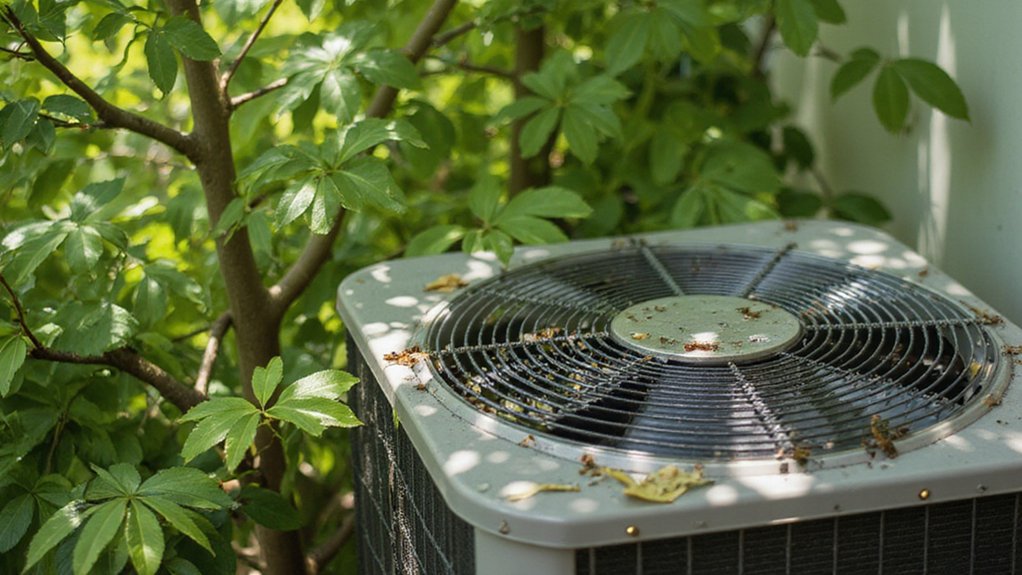
Your outdoor unit is exposed to the weather all year, so it's a good idea to inspect it before scheduling a repair.
Look around the unit for anything that seems out of place. Leaves, grass, dirt, and other debris can affect airflow and reduce your system's performance.
A quick inspection may reveal an obvious issue that can be corrected right away or provide useful information for the technician.
Check for Blockages
Begin by clearing away leaves, branches, grass clippings, and any other debris around the outdoor unit.
Leave at least two feet of open space around the equipment so air can circulate properly.
While you're there, look at the condenser coils. If they're covered with dirt or debris, airflow may be restricted, forcing the system to work harder than necessary.
Keeping the area clean is a simple way to help your HVAC system operate more effectively.
Inspect for Damage
Take a careful look at the outdoor unit for any visible damage.
Check for dents, rust, loose panels, or broken parts that could affect the system's performance.
Inspect the insulation around the refrigerant lines as well. If it's cracked or missing, your system may lose cooling performance and use more energy than necessary.
If you notice anything that looks damaged or unusual, it's best to have it checked by an HVAC technician before the problem gets worse.
Assess the Electrical Connections
Finally, inspect the electrical connections on the outdoor unit if it's safe to do so.
Look for loose wires, damaged insulation, or signs of corrosion around the connections.
If you have experience using a multimeter, you can check that the unit is receiving the correct voltage. If the readings seem abnormal or you notice damaged wiring, avoid attempting repairs yourself.
Electrical issues are best handled by a qualified HVAC technician to keep both you and your system safe.
Identify Unusual Noises From Your HVAC System
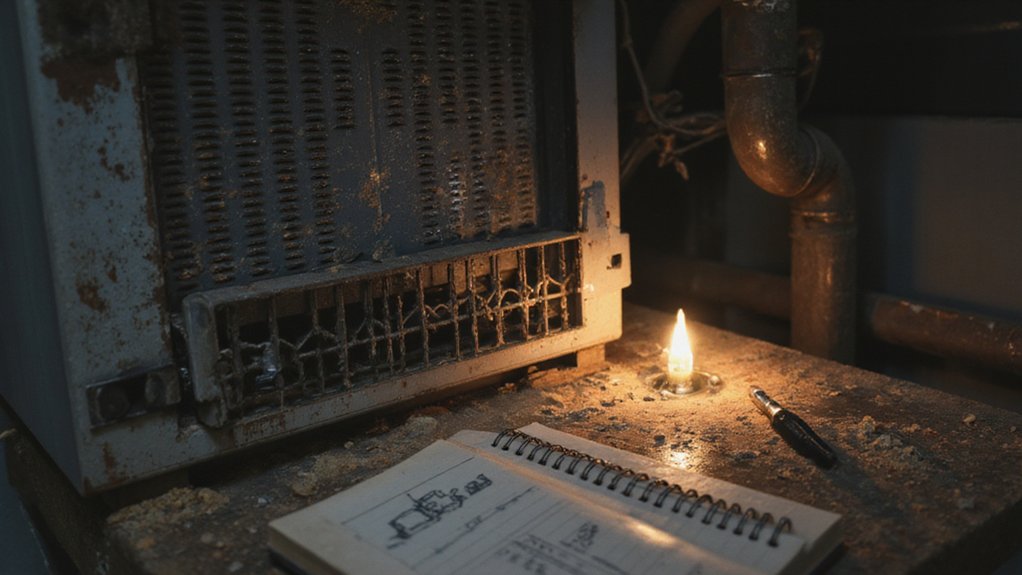
Strange sounds coming from your HVAC system are often an early warning that something isn't working as it should. Paying attention to these noises can help you catch a problem before it turns into a bigger repair.
A rattling sound may mean that a panel, screw, or another component has come loose. A high-pitched squealing noise can point to a worn belt or another moving part that needs attention. If you hear a grinding sound, there could be an issue with the motor or its bearings.
Try to identify where the noise is coming from and when it happens. Check for loose debris around the unit and make sure vents aren't blocked.
If the sounds continue, write down what you hear and how often it happens. Sharing these details with your HVAC technician can make it easier to diagnose the problem.
Monitor Temperature Fluctuations and Performance
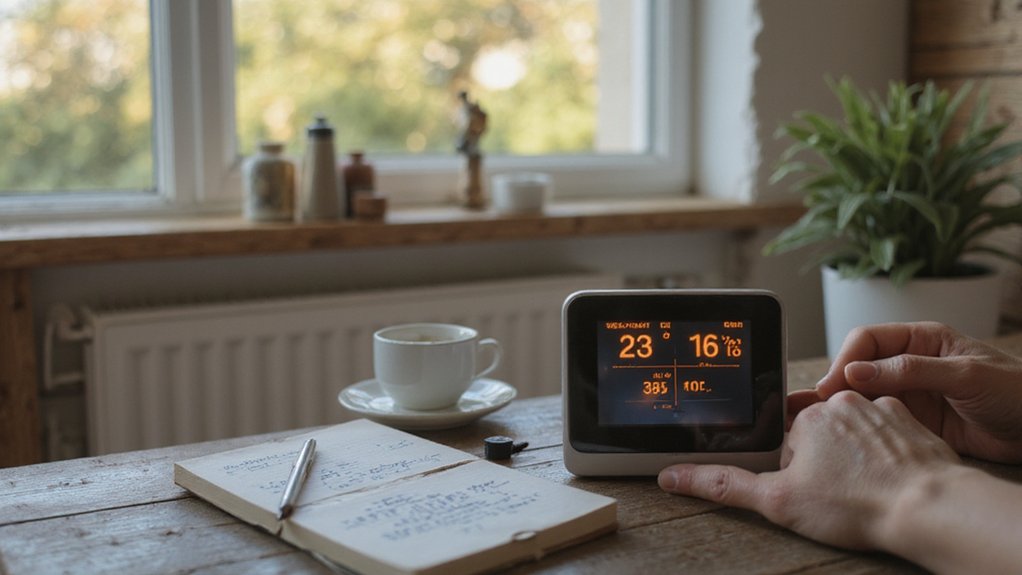
It's also helpful to keep track of how your HVAC system is performing throughout the day.
If some rooms feel much warmer or cooler than others, or if your system struggles to maintain the temperature you've selected, there may be an underlying issue.
Pay attention to airflow, how long the system runs during each cycle, and whether it turns on and off more often than usual. Rising energy bills without any change in usage can also be a sign that your HVAC system isn't operating as efficiently as it should.
Make a note of any changes you notice before calling a technician. The more information you can provide, the easier it will be to identify the cause of the problem.
Frequently Asked Questions
How Often Should I Schedule HVAC Maintenance?
Most HVAC systems should be serviced once a year. Many homeowners schedule cooling maintenance in the spring and heating maintenance in the fall to help keep the system running properly throughout the year.
What Are the Signs My HVAC System Is Failing?
Some common warning signs include weak airflow, unusual noises, uneven temperatures, frequent cycling, unpleasant odors, and higher-than-normal energy bills. If you notice more than one of these issues, it's a good idea to have your system inspected.
Can I Perform HVAC Repairs Myself Safely?
You can handle simple maintenance tasks like replacing air filters, checking thermostat settings, and clearing debris around the outdoor unit. Electrical repairs, refrigerant issues, and internal mechanical problems should always be left to a qualified HVAC technician.
How Do I Choose the Right HVAC Technician?
Look for a licensed and insured technician with good customer reviews and experience working on your type of HVAC system. Asking friends or neighbors for recommendations can also help you find someone you can trust.
Are There Energy Efficiency Tips for My HVAC System?
Yes. Replacing air filters regularly, keeping vents clear, sealing air leaks around your home, and using a programmable or smart thermostat can all help reduce energy use while keeping your home comfortable.
Conclusion
Before scheduling an HVAC service call, take a few minutes to check the basics. Confirm your thermostat settings, inspect the air filter, make sure vents are open, and look over the outdoor unit for anything unusual. Check your circuit breakers if the system isn't turning on, and pay attention to any unusual noises or changes in temperature.
These simple steps may solve a minor problem on their own. If they don't, the information you gather can help your HVAC technician diagnose the issue more quickly, which may save time during the service visit.

other blog posts
Which Type of Air Conditioner Is Best for My Home?
Why Does My AC Keep Freezing Up?
When to Repair vs. Replace Your HVAC System: A Real-World Guide for Homeowners
Ready to Enhance Your Comfort
Contact us today to schedule your service, learn about energy-saving rebates, and feel comfortable in your home all year round.

